Pickleball Basics: Scoring, Etiquette, & Winning Strategies

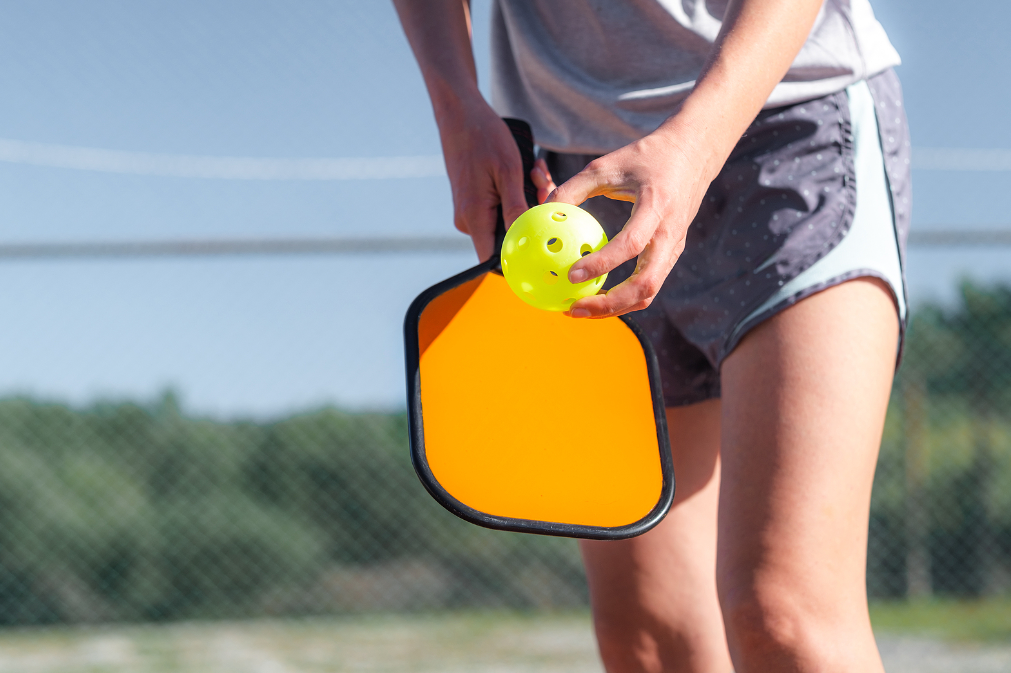
Pickleball basics serving in Las Vegas, Nevada

Pickleball Basics: Scoring, Etiquette, & Winning Strategies

Whether you’re a seasoned athlete or just looking for a fun way to stay active, pickleball is the perfect sport to try. Known as the fastest-growing sport in the United States, pickleball combines elements of tennis, badminton, and ping pong, making it accessible for players of all ages. In this beginner’s guide, we’ll walk you through the pickleball basics, helping you get started on your journey to mastering this thrilling and social game.

Understanding Pickleball Basics  

Let’s begin with the basics of the game itself. Pickleball is typically played on a court that’s similar to a badminton court but smaller than a tennis court. The court is divided into specific areas, including the kitchen, non-volley zone, and service areas. Understanding these zones is crucial to playing the game effectively.

Equip yourself with the basic pickleball gear: a paddle, which is similar to a larger ping pong paddle, and a plastic whiffle ball. Paddles come in different materials and weights, so feel free to explore and find one that suits your style.

The Serve and Scoring

Now that you’re familiar with the court and equipment, let’s dive into serving and scoring – two fundamental aspects of pickleball. The serve is an underhand motion, and the ball must be hit diagonally across the court to your opponent’s service area. The key is to make sure your paddle doesn’t enter the non-volley zone during the serve.

Scoring in pickleball is simple and follows the rally scoring system. You can only score points when you are serving, and the first team to reach 11 points, with a two-point advantage, wins the game. Be sure to pay attention to the nuances of scoring, and soon enough, you’ll be racking up points on the court.

Strategies and Techniques

As you progress in your pickleball journey, honing strategies and techniques becomes crucial. Here’s a guide to refining your skills:

  • Effective Communication: Coordinate with your partner to determine court coverage, ensuring a seamless game flow.
  • Kitchen Control: Maintain dominance in the non-volley zone, strategically positioning yourself for optimal court control.
  • Agile Movements: Develop quick and agile footwork to swiftly return shots and keep your opponents on their toes.
  • Master the Dink: Perfect the art of the dink, executing soft shots just over the net to control the game’s pace and confound opponents.
  • Versatile Shots: Learn diverse shots like lobs and groundstrokes, providing the versatility needed to dominate every corner of the court.

Etiquette and Sportsmanship

Pickleball is not just about hitting a ball back and forth; it’s a social and friendly sport that encourages good sportsmanship. Embrace the pickleball basics of etiquette by respecting your opponents and teammates. Shake hands before and after the game, and always play with a positive attitude.

Be mindful of the no-volley zone and avoid stepping into it during volleys. When the ball lands on the line, it’s considered in, fostering a sense of fair play. Remember, pickleball is a game where camaraderie and enjoyment go hand in hand with competition.

Community and Resources

One of the most exciting aspects of pickleball is the sense of community that comes with it. Find local pickleball clubs or groups in your area to connect with fellow players. Pickleball communities often organize events, tournaments, and social gatherings, providing opportunities to learn from experienced players and make new friends.

Explore online resources, including videos and tutorials, to continue expanding your knowledge of pickleball basics. The more you learn, the more confident and skilled you’ll become on the court.

Transform Your Court with Us

Ready to transform your court into a legendary pickleball arena? Contact Legendary Sports Construction today for expert court design and construction services. Elevate your pickleball experience with our unmatched quality and craftsmanship. Let’s turn your vision into a reality – because legendary moments start with Legendary Sports Construction!

Pickleball Equipment: Choosing the Right Gear

The quality of your gear can significantly improve your pickleball experience. Here’s a quick breakdown of the essential equipment every beginner should consider:
  • Pickleball Paddle – Composite, wooden, or graphite paddles each offer different levels of control and power.
  • Pickleball Balls – Indoor balls have larger holes and are lighter, while outdoor balls are more durable to withstand wind and hard surfaces.
  • Court Shoes – Wear supportive shoes with good grip to avoid slipping and to support lateral movements.
Prioritizing the right gear not only enhances performance but also minimizes injury, making your time on the court more enjoyable and productive.

Common Beginner Mistakes to Avoid in Pickleball

Like any new sport, pickleball comes with a learning curve. Avoid these frequent mistakes as you sharpen your game:
  • Standing Too Close to the Net
  • Not Using Proper Footwork
  • Overhitting the Ball Instead of Using Control
  • Ignoring the “No-Volley” Zone Rules
  • Not Communicating with Your Partner in Doubles
By being aware of these common pitfalls early on, you’ll develop better habits and grow your skills more quickly.

Pickleball vs Tennis vs Paddleball

Sport Court Size Paddle/Racket Type Ball Type Game Speed Ideal For
Pickleball 20’ x 44’ Solid paddle (wood/composite/graphite) Plastic whiffle ball Medium-fast All ages, indoor/outdoor play
Tennis 36’ x 78’ Strung racket Felt tennis ball Fast Athletic players, longer rallies
Paddleball 20’ x 44’ Solid wooden paddle Rubber ball Moderate Indoor recreational play

How to Build a Professional Pickleball Court

If you’re serious about the sport, investing in a dedicated court is a game-changer. Here’s a quick guide:
  1. Choose the Right Surface Material – Acrylic, concrete, or post-tension are popular options depending on climate and usage.
  2. Lines and Markings – Ensure regulation compliance with proper court sizes and line placements.
  3. Add Fencing and Lighting – Ideal for tournament-level play or community-level use.
  4. Customize with Color and Logo – Personalize your court to reflect your brand, team, or personal style.
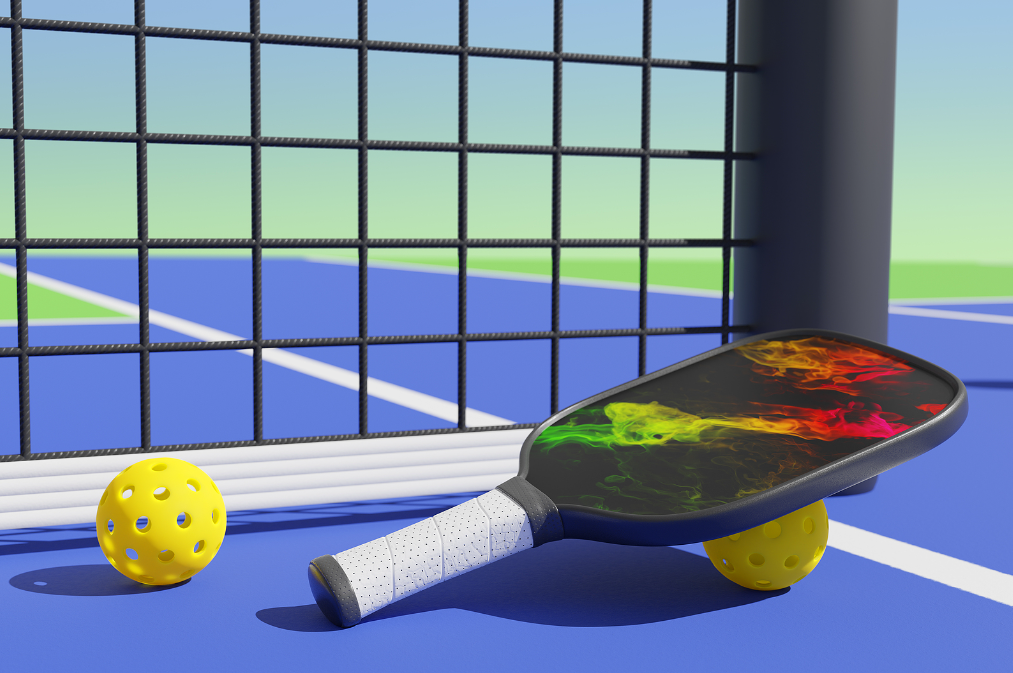
Legendary Sports Construction offers full-service pickleball court design and installation, ensuring your court meets all professional standards.

Frequently Asked Questions (FAQs)

1. What are the 5 P’s of pickleball?

 The 5 P’s of pickleball are: Preparation, Position, Patience, Placement, and Perseverance—key principles for improving consistency and strategy in the game.

2. How to score in pickleball for beginners?

 In pickleball, only the serving team can score points. Games are typically played to 11 points, and you must win by 2. Points are earned when the opposing team commits a fault.

3. What are the etiquette rules in pickleball?

Show respect, call lines honestly, avoid excessive celebration, wait for your turn to serve, and always say “good game” after playing—sportsmanship is essential.

4. What are the 5 main strategies used in doubles pickleball?

 The top doubles strategies include: maintaining good court positioning, communicating with your partner, dinking to control the pace, targeting opponents’ weaknesses, and using the third shot drop effectively.

5. What is the golden rule in pickleball?

 The golden rule is to always play with respect and fairness—treat opponents the way you’d like to be treated and keep the game fun for everyone.  

Ultimate Guide to Creating & Maintaining a Pickleball Court

Ultimate Guide to Creating & Maintaining a Pickleball Court

Pickleball has become a favorite pastime for people of all ages. For enthusiasts looking to elevate their game and have more frequent play, creating and maintaining a personal pickleball court can be a rewarding endeavor. This guide is designed to provide a comprehensive overview of the process, tailored especially for beginners interested in pickleball.

Understanding Court Dimensions and Location 

Before embarking on your pickleball court project, understanding the standard dimensions is crucial. A regulation pickleball court measures 20 feet in width and 44 feet in length, similar to a doubles badminton court. When choosing a location, consider factors like level ground, adequate lighting, and minimal obstructions.

Surface Selection

The playing surface is a critical factor in the quality and safety of your pickleball court. Options range from concrete and asphalt to specialized modular surfaces. Each material has its advantages and limitations in terms of cost, durability, and playing characteristics.

Court Layout and Markings

Once the surface is chosen, the next step is laying out the court. Precise measurements are essential to ensure the court aligns with official pickleball standards. This includes not only the overall dimensions but also the net height, service boxes, and non-volley zones (the ‘kitchen’). Proper and visible markings are essential for an authentic pickleball experience.

Net Installation

A pickleball net is slightly lower than a tennis net, with a height of 34 inches at the center. Ensure that the net is durable and weather-resistant, especially if your court is outdoors. Proper tension should be maintained in the net to ensure it meets official height requirements.

Choosing the Right Equipment

Selecting the right paddles and balls is vital. Paddles come in various materials like wood, composite, or graphite, each offering different playing characteristics. Balls are specific to indoor or outdoor play, so choose according to where your court is located.

Lighting and Fencing

If you plan to play in the evenings, investing in good lighting is essential for visibility and safety. Additionally, consider installing fencing around the court to contain balls and provide a clear boundary.

Regular Maintenance

Maintaining your pickleball court is crucial for its longevity and playability. Regular tasks include sweeping the surface, checking net tension, and ensuring line markings are visible. For more specialized surfaces, consult with the manufacturer for specific maintenance guidelines.

Enhancing Your Court

As you get more involved in pickleball, consider adding enhancements like spectator seating, shade structures, or even a scoreboard. These additions can enrich the playing experience.

Safety First

Safety should always be a priority. Ensure your court is free of hazards like standing water, cracks, or debris. Also, consider the surrounding environment, such as trees or structures that might impact play.

Community and Enjoyment

Building your own pickleball court is not just about having a place to play; it’s about creating a community hub where friends, family, and fellow enthusiasts can gather. Organizing small tournaments or coaching sessions for beginners can be a great way to foster a community spirit around pickleball.

Focus on Quality and Safety

Creating and maintaining your own pickleball court can be a fulfilling project that enhances your enjoyment of the game. It allows for convenient access to play, improves your skills, and serves as a gathering point for like-minded pickleball enthusiasts.

Legendary Sports Construction: Your Custom Court Builder

As you move forward to build your own court, remember to focus on the quality of construction, regular maintenance, and creating a safe and enjoyable environment for everyone. 

For more information or assistance in creating your dream pickleball court, feel free to Contact Us for a quote. Whether you’re a beginner in pickleball or an experienced player, we are here to help you achieve your pickleball court goals.

Benefits of Building Your Own Pickleball Court

Creating your own pickleball court isn’t just about convenience—it offers several unique benefits:

  • Unlimited Playtime – No more waiting for courts at the park or adhering to public hours—play whenever you want.
  • Increased Property Value – A well-designed sports court can significantly increase the value and resale potential of your home.
  • Customizable Features – From court color and surfacing to multi-sport options, you control the entire look and functionality.
  • Improved Fitness & Wellness – Regular play improves cardiovascular health, agility, and coordination without high-impact strain.
  • Great for Entertaining – Host games, tournaments, or casual matches with friends and family in the comfort of your backyard.

Whether you’re a dedicated player or simply looking to elevate your outdoor space, a backyard pickleball court is an investment that brings both lifestyle and long-term financial value.

Pro Tips for Creating a High-Performance Pickleball Court

  • Consider Climate: Choose materials that withstand your region’s weather—especially if you’re in a hot, dry climate like Las Vegas.
  • Multi-Sport Layout: Maximize use by combining pickleball with basketball, tennis, or volleyball court lines.
  • Choose Cushioned Surfacing: Greatly reduce stress on players’ joints while enhancing ball bounce consistency.
  • Add a Backboard: Excellent for practicing solo and improving rallies and control.
  • Plan for Drainage: Proper grading or surface drainage helps prevent puddling and surface damage.

With proper planning and expert installation, you’ll have a court that’s both functional and visually appealing.

Pickleball Court Surface Options

Surface TypeCushioning LevelDurabilityIdeal Use CaseMaintenance Needs
ConcreteLowVery HighPermanent backyard installationsOccasional sweeping
AsphaltMediumHighBudget-friendly residential courtsSealcoat every 5–7 years
Modular Tile SystemHighHighAll-weather, cushioned playLow; easy to replace
Cushioned AcrylicMedium to HighMediumPlayers seeking joint-friendly surfacingRecoat every few years

The choice of court surface impacts the long-term performance, safety, and comfort for players. Cushioned modular surfaces are a top favorite for residential courts due to their flexibility, durability, and low upkeep.

FAQs About Building & Maintaining a Pickleball Court

How to maintain a pickleball court?

 Clean the surface regularly, repair cracks, reseal or repaint lines as needed, and keep the area free of debris and standing water.

How to layout a pickleball court?

 Mark a 20’x44’ playing area with a 7-foot non-volley zone (kitchen) on each side of the net and proper service boxes for singles or doubles play.

What is the best material for a pickleball court?

 Post-tension concrete is the best—it’s durable, low-maintenance, and provides a consistent bounce.

What type of surface is best for pickleball?

 Acrylic-coated concrete or asphalt offers ideal traction, ball response, and weather resistance.

What is the best color for a pickleball court?

 Blue and green combinations are most popular because they enhance ball visibility and look professional.

Need help planning or building your custom pickleball court? With decades of combined experience, Legendary Sports Construction specializes in building professional-grade sports courts tailored to your space, style, and performance needs.

Contact us anytime to bring your dream court to life!

Pickleball 101: A Guide for Beginners to Master the Game

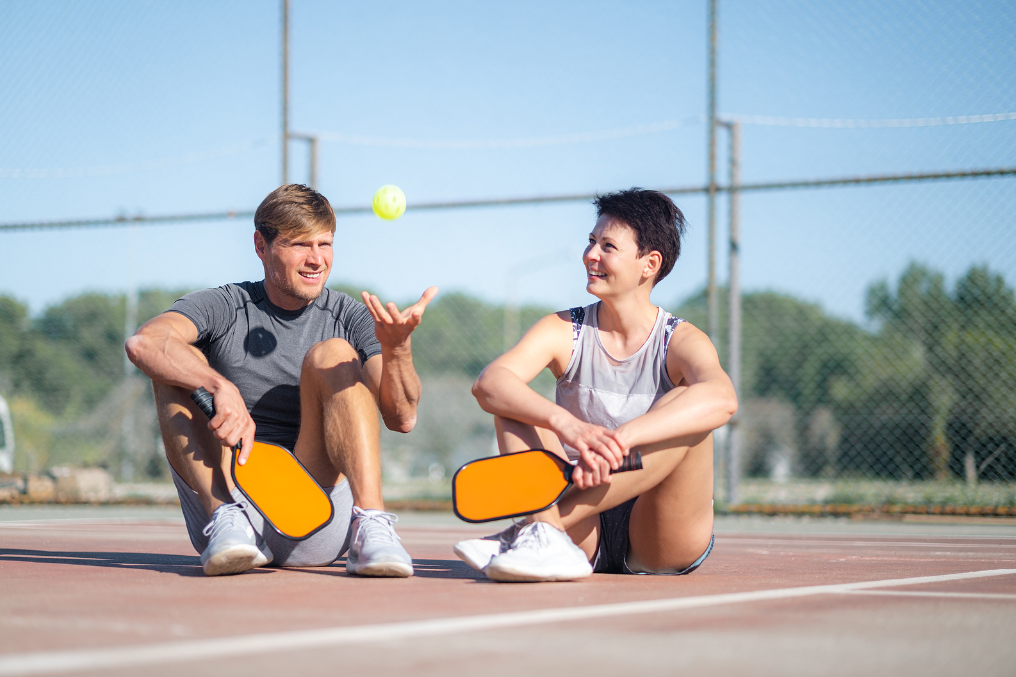
Couple playing pickleball for beginners in Las Vegas, Nevada

Pickleball 101: A Guide for Beginners to Master the Game

Pickleball, a paddle sport that combines elements of badminton, tennis, and table tennis, has been sweeping the nation with its fun, social, and easy-to-learn nature. Particularly for beginners, it offers a gentle learning curve, making it accessible to players of all ages and skill levels. If you’re new to the sport, this article will serve as your comprehensive guide to understanding the basics of pickleball for beginners.

Understanding the Game 

Pickleball for beginners starts with understanding the basic rules and objectives of the game. It can be played as singles or doubles, similar to tennis, on a badminton-sized court. The main objective is to score points by successfully hitting the ball over the net without committing any faults.

Equipment Essentials

To begin playing pickleball, you need minimal equipment: a pickleball paddle, which is smaller than a tennis racket but larger than a ping-pong paddle, and a plastic ball with holes. Comfortable athletic wear and tennis shoes are recommended for ease of movement on the court.

The Court Layout

A pickleball court is 20 feet wide and 44 feet long, divided into two sides by a net. Understanding the court layout is crucial for pickleball for beginners. Each side has a non-volley zone, or ‘kitchen,’ extending 7 feet from the net, where volley shots are not allowed.

Basic Rules and Scoring

Pickleball for beginners often revolves around mastering the basic rules. The game starts with an underhand serve from behind the baseline, diagonally to the opponent’s service zone. Points can only be scored by the serving side when the opponent fails to return the ball or commits a fault. Games are typically played to 11 points, and a win requires a lead of at least 2 points.

Developing Skills

As you delve into pickleball for beginners, focus on developing fundamental skills such as serving, forehand and backhand strokes, and volleying. Consistency and placement are more important than power in pickleball, making it an ideal sport for beginners.

Strategy for Beginners

A smart strategy is vital in pickleball. Beginners should focus on keeping the ball in play, aiming shots toward the opponent’s weak spots, and minimizing unforced errors. Learning to anticipate shots and positioning yourself correctly on the court are also key aspects of the game.

Practice and Play

The best way to learn pickleball for beginners is through practice and actual play. Engage in regular practice to improve your skills and join local clubs or groups to gain experience and enjoy the social aspect of the game.

Health Benefits

Apart from being fun, pickleball offers numerous health benefits. It improves cardiovascular fitness, enhances agility and balance, and is easier on the joints compared to other racket sports. It’s an excellent way to stay active and healthy.

Getting Connected

A great way to immerse yourself in the sport is by connecting with the pickleball community. Participate in local tournaments, join clubs, and follow online forums and social media groups dedicated to pickleball for beginners.

Pickleball for beginners is about enjoying the learning process, improving fitness, and being part of a vibrant community. Whether you’re looking to stay active, meet new friends, or simply try something new, pickleball is a fantastic choice.

As you embark on your pickleball journey, remember that practice, patience, and participation are key. Don’t hesitate to reach out for guidance or join beginner-friendly sessions. 

For more personalized advice or to explore how you can enhance your pickleball experience, feel free to contact our team at Legendary Sports Construction to get a quote. We’re here to help you master the basics and enjoy this wonderful sport to the fullest.

Benefits of Playing Pickleball for Beginners

Starting a new sport can be intimidating, but pickleball is uniquely beginner-friendly and comes with a variety of benefits:

  • Low-impact physical activity – Great for staying active without straining joints or muscles.
  • Social engagement – Pickleball is often played in groups and encourages community interaction.
  • Mental stimulation – Improves focus, reflexes, and strategic thinking.
  • Beginner-friendly rules – Easy to learn, making it perfect for all ages and athletic levels.
  • Quick gameplay – Short matches make the sport exciting and accessible, even with limited time.

Pickleball is more than a sport—it’s a pathway to fitness, fun, and connection.

Comparison Table: Pickleball vs. Other Paddle Sports

SportCourt SizeType of BallTypical Game LengthBest For
Pickleball20′ x 44′Lightweight perforated15–25 minsAll ages, easy learning curve
Tennis36′ x 78′Felt-covered rubber60–90 minsAthletic players with more endurance
Table Tennis5′ x 9′ tableHollow celluloid/plastic10–20 minsIndoor-friendly, fast reflexes
Badminton20′ x 44′Shuttlecock20–45 minsLight aerobic activity, indoor/outdoor

This comparison highlights why pickleball is surging in popularity—it bridges the gap between intense and casual sports.

Essential Tips for Beginner Pickleball Players

  • Master your serve – A strong underhand serve sets the tone for the rally.
  • Stay out of the kitchen (non-volley zone) – Avoid stepping in unless necessary to avoid faults.
  • Use a continental grip – A balanced grip offers control for both forehand and backhand shots.
  • Let the ball bounce – Especially during the return, letting the ball bounce can buy you time and control.
  • Play to your strengths – As a beginner, consistency beats power.

Consistency, accuracy, and smart shot placement will help you improve faster than focusing on power alone.

Why Build a Backyard Pickleball Court with Legendary Sports Construction?

If you’re falling in love with pickleball, there’s no better way to play more often than by bringing the court home. With Legendary Sports Construction, you can:

  • Customize your court size and surface
  • Install cushioned or modular tile surfaces for durability
  • Add lighting and fencing for all-day play
  • Create combo courts (pickleball + basketball or more)

We specialize in designing backyard sport and game courts that perfectly fit your space and budget. Serving the Las Vegas area, our courts are built to last and designed for maximum performance.

Frequently Asked Questions

What are the 10 rules of pickleball for beginners?

  1. Serve underhand and diagonally.
  2. The serve must clear the kitchen (non-volley zone).
  3. Only one serve attempt is allowed.
  4. Follow the two-bounce rule before volleys.
  5. No volleying while standing in the kitchen.
  6. Games are played to 11 points, win by 2.
  7. Only the serving side scores points.
  8. Switch sides after each game.
  9. Avoid faults like hitting out or into the net.
  10. Play fair and have fun!

What are the 5 P’s of pickleball?

 Preparation, Placement, Patience, Positioning, Practice.

What is the best way to learn pickleball for beginners?

 Take a beginner lesson, watch tutorials, practice serves and dinks, and play casual games to build confidence.

How to start a pickleball game step by step?

  1. Decide who serves first.
  2. Serve underhand diagonally across the court.
  3. Let the ball bounce once on each side (two-bounce rule).
  4. Begin rallying, avoiding volleys in the kitchen.
  5. Continue play until one team wins the rally or scores.

What is the golden rule in pickleball?

Don’t volley the ball while standing in the kitchen—wait until it bounces first!

GET A QUOTE

Please Provide Your Contact Information and Project Details