
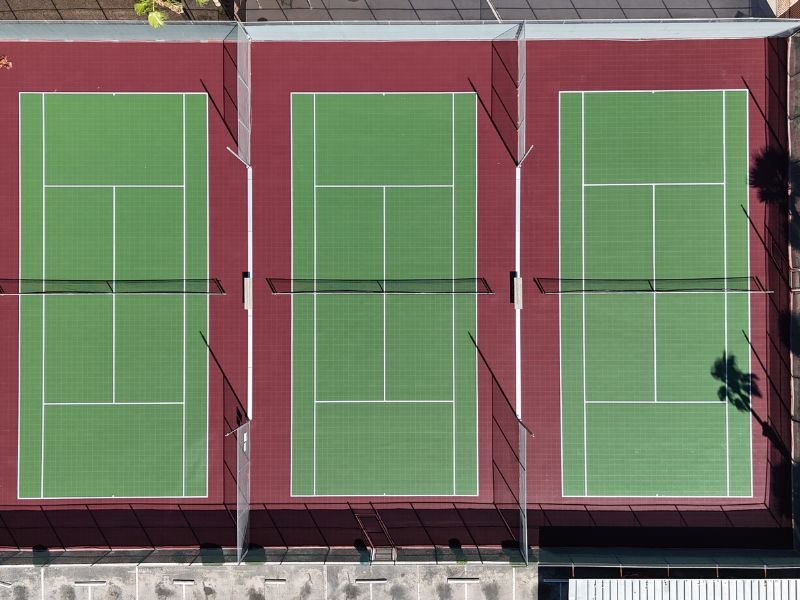
Choosing the right surface for an outdoor court is one of the most important decisions when planning a backyard sports area or recreational facility. The court surface affects player safety, durability, maintenance requirements, and overall gameplay performance. Because outdoor courts are exposed to sun, rain, temperature changes, and heavy use, the surface must be designed to withstand environmental conditions while still providing a comfortable playing experience.
Whether you are building a backyard basketball court, pickleball court, volleyball court, or a multi-use recreational court, selecting the right surface ensures long-lasting performance and minimal maintenance.
Modern outdoor court surfaces are designed to provide consistent ball bounce, excellent traction, and shock absorption, helping reduce the risk of injuries while improving the overall experience for players.
Some of the most popular outdoor court flooring options include:
Each surface type offers unique advantages depending on the intended use, budget, and climate conditions.
Understanding the strengths of each material can help homeowners, schools, and recreation facilities choose the best surface for outdoor courts.
Outdoor sports courts require surfaces that are durable, weather-resistant, and comfortable for athletes. The following surfaces are among the most commonly used for backyard and recreational outdoor courts.
One of the most popular choices for modern outdoor courts is modular outdoor court tiles. These tiles are made from durable plastic materials that snap together over a stable base, creating a flexible and shock-absorbing playing surface.
Because the tiles are modular, installation is relatively quick and straightforward. Many systems can be installed directly over a concrete slab or other flat surfaces.
Modular tiles are commonly used for multi-use backyard courts because they allow multiple sports to be played on the same surface.
These features make modular tile systems ideal for homeowners who want a versatile and comfortable playing surface for multiple sports.
Modular tile systems work well for:
Their ability to support multiple sports makes them a popular option for multi-use outdoor game courts.
Another widely used surface for outdoor courts is acrylic-coated concrete. This system involves pouring a concrete or asphalt base and applying several layers of acrylic sports coating to create a textured and durable playing surface.
Acrylic coatings are designed specifically for sports courts and provide a professional-quality surface that offers consistent ball bounce and excellent traction.
Acrylic surfaces are commonly used in parks, schools, and commercial sports facilities because they can handle heavy usage while maintaining excellent performance.
Acrylic-coated courts are ideal for:
These courts are particularly effective in areas with warm climates and frequent sun exposure.
Synthetic or resin court surfaces are another popular option for outdoor sports courts. These surfaces are made from polymer-based materials that create a cushioned and durable playing area.
Synthetic flooring systems are often installed over concrete foundations and provide a comfortable surface that reduces impact on joints.
Because synthetic surfaces combine durability with comfort, they are often used for recreational courts and training facilities.
Synthetic surfaces are commonly used for:
These surfaces offer a balance between performance, comfort, and durability.
| Surface Type | Durability | Comfort | Maintenance | Best Use |
| Modular Outdoor Court Tiles | High | High | Low | Backyard and multi-sport courts |
| Acrylic Court Surface | Very High | Moderate | Low | Outdoor basketball and tennis courts |
| Synthetic/Resin Flooring | High | High | Low | Recreational and training courts |
When deciding which surface is best for your outdoor court, several factors should be evaluated to ensure the court meets your needs.
The sports that will be played on the court are a major factor in selecting the right surface.
For example:
If multiple sports will be played, choosing a multi-use court surface such as modular tiles or synthetic flooring may be the best option.
Outdoor courts must withstand environmental conditions such as sunlight, rain, and temperature fluctuations.
Materials like acrylic coatings and modular tiles are designed to resist UV damage and prevent water accumulation.
Proper drainage is also important to prevent water from pooling on the court.
Player safety should always be a top priority when choosing a sports court surface.
Surfaces with shock absorption and slip resistance help reduce the risk of injuries during fast movements, jumps, and directional changes.
Modular tile systems and synthetic surfaces are particularly effective at providing cushioning and traction.
Different court surfaces require different levels of maintenance.
Acrylic courts typically require occasional cleaning and resurfacing every several years.
Modular tile systems are easier to maintain because damaged tiles can be replaced individually without resurfacing the entire court.
Synthetic surfaces usually require minimal upkeep beyond routine cleaning.
Durability is essential for outdoor courts that experience heavy use and exposure to environmental conditions.
Choosing materials that resist wear, UV damage, and moisture ensures the court remains playable for many years.
Acrylic coatings and modular tile systems are known for their long lifespan and resistance to weather conditions.
Many homeowners prefer courts that can support multiple sports.
A multi-use outdoor game court can accommodate activities such as:
This versatility allows families and communities to get the most value from their court installation.
Beyond surface materials, several additional features can improve the usability and performance of an outdoor sports court.
Installing LED sports lighting allows the court to be used during evening hours, extending the time available for recreation.
Fencing helps keep balls within the playing area and improves safety for players and nearby property.
Professional court striping ensures that each sport has clearly defined boundaries and improves gameplay accuracy.
Proper drainage systems prevent water accumulation and help protect the court surface from long-term damage.
Building an outdoor court typically involves preparing a stable foundation, installing a concrete or asphalt base, applying the chosen surface material, and adding court lines and sports equipment.
Outdoor basketball courts commonly use acrylic-coated concrete or modular sport tiles because they provide consistent ball bounce and durable playing surfaces.
Modular sport tiles can sometimes be installed over existing flat surfaces, making them a cost-effective alternative to building a new concrete court.
Asphalt with acrylic coatings is often one of the most affordable options for outdoor basketball courts.
Yes. Concrete is commonly used as a base for basketball courts, especially when coated with acrylic sport surfacing that improves traction and durability.
Selecting the best surface for outdoor courts depends on several factors including intended use, climate, budget, and maintenance preferences.
For backyard installations and recreational facilities, modular outdoor court tiles and synthetic court surfaces provide excellent comfort and versatility. Acrylic-coated concrete offers professional-quality durability and performance for high-use courts.
By choosing the right outdoor court flooring options, homeowners and communities can create sports courts that deliver safe gameplay, reliable performance, and long-term durability.
Whether building a basketball court, pickleball court, or multi-use recreational area, the right surface will ensure players enjoy the court for many years to come.
Please Provide Your Contact Information and Project Details