
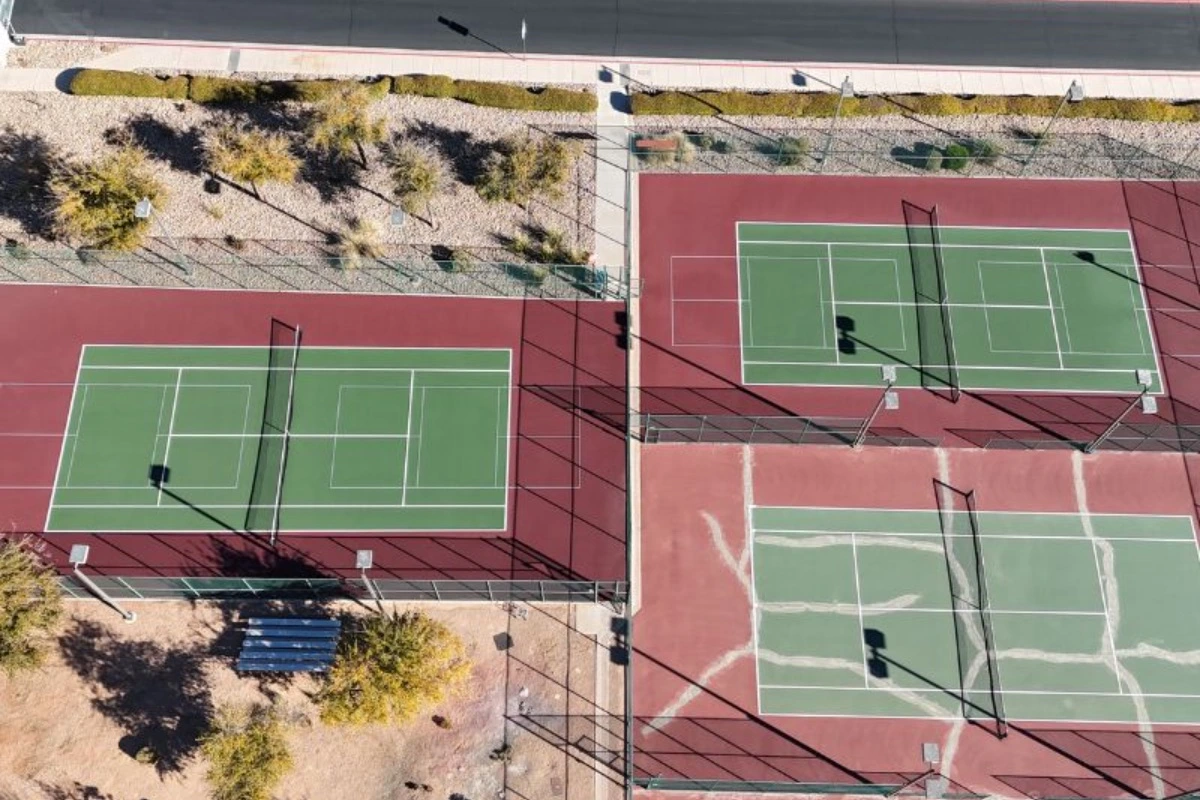
If you own a tennis court, one of the most common issues you will eventually face is surface cracking. Over time, weather exposure, repeated use, natural ground movement, and aging surface materials can cause visible damage that affects both court performance and player safety.
That is where professional tennis court crack repair becomes essential.
Cracks do more than affect appearance. They can interfere with ball bounce, create tripping hazards, allow water intrusion, and accelerate surface deterioration. If ignored too long, small cracks may eventually turn into larger structural problems that are far more expensive to repair.
The good news is that many cracked courts can be repaired and restored without full replacement when handled properly. Professional repair systems can restore gameplay quality, improve safety, and extend the lifespan of the court significantly.
Understanding what causes cracks helps property owners prevent future damage and recognize when repairs are necessary.
Ground movement is one of the leading causes of a cracked tennis court surface. Soil naturally shifts over time due to temperature changes, moisture fluctuations, settling, and expansion cycles.
As the ground moves beneath the court, stress develops in the asphalt or concrete surface. Eventually, this tension creates visible cracking.
Courts built on unstable soil or improperly prepared bases are often more vulnerable to long-term cracking problems.
Outdoor courts are constantly exposed to UV rays, heat expansion, rain, moisture cycles, and, in some regions, freeze-thaw conditions. These environmental factors slowly weaken the court surface over time.
In hot climates like Arizona and Nevada, intense heat and sun exposure can dry out surface materials and accelerate coating deterioration. In colder climates, freeze-thaw cycles can cause moisture beneath the surface to expand and widen cracks.
As courts age, acrylic coating systems gradually wear down. Surface elasticity decreases, coatings thin out, and structural stress becomes more visible.
Older courts are naturally more susceptible to cracking because the surface no longer flexes as effectively under movement and weather conditions.
Water is one of the biggest threats to court durability. Poor drainage allows moisture to collect beneath or on top of the court surface, weakening the base and expanding existing cracks.
Standing water may also lead to premature coating failure, erosion, and uneven gameplay conditions.
Professional drainage planning plays a major role in long-term court performance.
Not all cracks are the same. Understanding the type of crack helps determine the best repair strategy.
Hairline cracks are small surface-level fractures that often appear during the early stages of surface wear. These cracks are generally easier to repair and may not yet indicate major structural problems.
However, they should not be ignored. Small cracks often expand over time if moisture enters the surface.
Structural cracks are deeper, wider, and more serious. These cracks often indicate movement within the base or underlying court foundation.
Professional tennis court resurfacing repair systems are often needed to stabilize these areas properly.
Structural cracks usually require more advanced repair methods than simple surface patching.
Edge cracks commonly appear near fences, court boundaries, or perimeter areas. They are often caused by drainage problems, base separation, or shifting around the edges of the court.
Edge damage should be repaired quickly because water intrusion can worsen the surrounding surface condition.
Professional tennis court repair follows a step-by-step process designed to restore both surface appearance and court performance.
Before repairs begin, the surface must be cleaned thoroughly. Dirt, debris, loose coating material, and contaminants are removed using pressure washing and surface preparation methods.
A clean surface is critical because repair materials need proper adhesion to perform correctly.
For larger cracks, routing may be required. This process slightly widens and stabilizes the crack so repair materials can bond more effectively.
Routing also removes loose edges and creates a cleaner repair channel.
Not every crack requires routing, but larger or deeper cracks often benefit from this additional preparation step.
Specialized repair materials are then applied. Professional systems may include acrylic patch binders, flexible crack fillers, elastomeric compounds, or reinforced repair membranes.
Unlike rigid fillers, flexible repair systems allow some movement without immediately reopening the crack.
Using the correct outdoor court crack filler is extremely important because athletic courts experience constant expansion and contraction outdoors.
Once cracks are filled, the repaired areas are leveled and smoothed. Texture matching is important because uneven repairs can affect ball bounce and player movement.
A properly leveled repair blends naturally into the surrounding court surface.
Most professional acrylic court crack repair projects include resurfacing after the structural repairs are completed.
This step may involve acrylic resurfacer layers, color coating systems, textured athletic coatings, and restored court striping.
Resurfacing helps create a cleaner appearance while improving traction, ball response, and long-term durability.
|
Repair Method |
Best For |
Main Benefit |
Limitation |
|
Acrylic Crack Filler |
Small surface cracks |
Flexible and affordable |
Best for minor damage |
|
Elastomeric Repair Systems |
Recurring cracks |
Better movement flexibility |
Higher installation cost |
|
Patch and Level Repair |
Uneven damaged areas |
Restores smoother surface |
May require resurfacing |
|
Full Court Resurfacing |
Widespread surface wear |
Improves appearance and play |
Does not fully rebuild base |
|
Court Reconstruction |
Severe structural failure |
Complete long-term solution |
Highest project cost |
Simple repair may be enough when cracks are minor, the surface is mostly intact, and the court is relatively new.
Localized repairs can restore the affected areas while preventing further damage.
Resurfacing becomes necessary when multiple cracks are spreading, surface texture is worn down, coatings are faded, traction is reduced, or drainage problems are present.
Professional tennis court restoration projects often combine crack repair with resurfacing to improve both structural performance and appearance.
Although some movement is natural over time, proper maintenance and construction significantly reduce cracking risk.
Good drainage helps prevent water pooling, base weakening, freeze-thaw expansion, and long-term surface damage.
Professional builders design courts with slight slope and water management systems to direct water away from the playing area.
Routine maintenance helps catch problems early. This may include removing debris, washing the surface, inspecting cracks regularly, and reapplying protective coatings as needed.
Small repairs completed early often prevent more expensive damage later.
Using durable acrylic athletic systems helps reduce cracking risk by improving flexibility and protecting the underlying surface from weather exposure.
Premium coatings generally perform better over time than low-quality surface materials.
Small cracks often become major structural issues if left untreated. Water intrusion and surface movement usually cause them to spread over time.
Rigid fillers frequently fail because tennis courts naturally expand and contract outdoors. Flexible repair materials perform much better under real-world conditions.
Without resurfacing, repaired areas may remain visible, uneven, or inconsistent in texture and color.
Resurfacing creates a cleaner and more uniform playing surface.
Waiting too long to repair cracks often increases repair costs and may eventually require larger restoration work or full reconstruction.
Professional tennis court crack repair provides several important benefits:
For homeowners, schools, HOAs, parks, and athletic facilities, professional repairs help preserve the functionality and appearance of the court while avoiding unnecessary replacement costs.
Tennis court cracks are typically repaired using flexible acrylic crack fillers, elastomeric repair systems, patching materials, and resurfacing coatings. The repair method depends on the crack severity and court condition.
Flexible acrylic or elastomeric crack fillers are commonly used because they allow movement without immediately reopening under outdoor expansion and contraction.
Yes. Many asphalt tennis courts can be repaired through crack filling, patching, leveling, and resurfacing systems when the underlying base remains structurally stable.
Courts crack because of ground movement, weather exposure, UV damage, moisture intrusion, aging materials, and drainage problems. Outdoor courts naturally experience expansion and contraction over time.
The lifespan depends on climate, maintenance, surface quality, drainage, and usage levels. Routine resurfacing and early crack repair help extend court life significantly.
Please Provide Your Contact Information and Project Details