
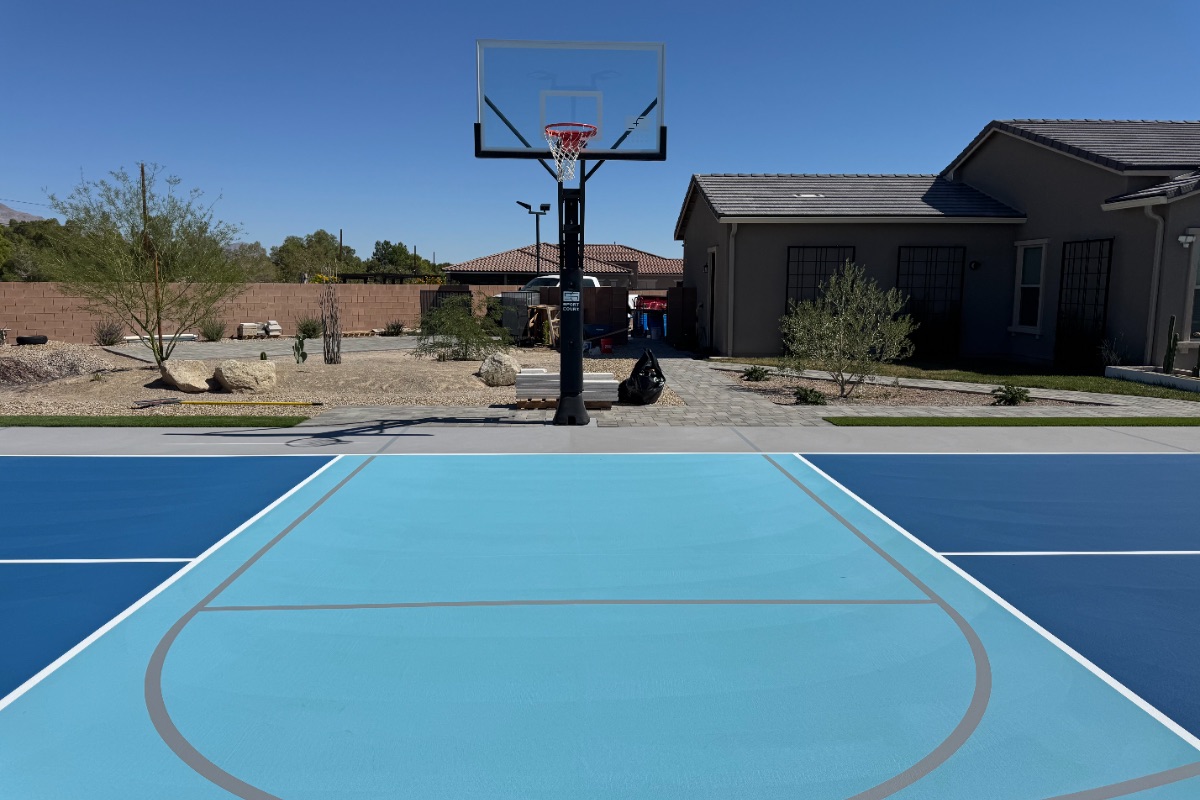
Basketball floor installation is one of the most important factors in building a court that performs well, lasts for years, and keeps players safe. Whether you are creating a professional indoor hardwood court, a backyard recreational half-court, or a multi-sport outdoor surface, choosing the right flooring system directly affects gameplay quality, comfort, traction, and long-term maintenance.
A properly installed basketball court floor provides consistent ball bounce, reliable footing, and structural durability under repeated impact. Poor installation, on the other hand, can lead to uneven surfaces, premature wear, drainage issues, and expensive repairs. From selecting the right materials to preparing the foundation and applying final coatings, every step matters when creating a court built for performance.
This guide explains the most popular flooring systems, installation methods, and design considerations for both indoor and outdoor basketball courts.
Different courts require different flooring materials depending on location, usage, budget, and performance expectations.
Hardwood remains the gold standard for professional indoor basketball court flooring.
It is the preferred choice for:
Maple hardwood is the most common material because it offers superior strength, shock resistance, and uniform grain patterns.
Hardwood floors require climate-controlled indoor environments for best performance.
For outdoor basketball court installation, acrylic-coated concrete is one of the most popular options.
Concrete provides a stable long-lasting base, while acrylic coatings improve traction and appearance.
This system is ideal for:
Modular basketball flooring has become increasingly popular for both residential and commercial use.
These tile systems snap together over concrete or flat surfaces.
Tile systems are excellent for homeowners seeking flexible and upgradeable backyard basketball court solutions.
Synthetic sports flooring is common in indoor multi-sport facilities where comfort and versatility are priorities.
These surfaces are often used in:
Synthetic systems are ideal when basketball shares space with volleyball, badminton, or pickleball.
|
Flooring Type |
Best For |
Main Advantage |
Consideration |
|
Hardwood Flooring |
Indoor competitive courts |
Elite ball response |
Higher cost and maintenance |
|
Acrylic-Coated Concrete |
Outdoor courts |
Weather durability |
Harder on joints |
|
Modular Interlocking Tiles |
Residential flexible courts |
Easy repair and installation |
Slightly different bounce feel |
|
Synthetic Sports Flooring |
Indoor multi-use spaces |
Cushion and versatility |
Moderate cost |
Proper installation requires a structured process to ensure safety, durability, and long-term court performance.
Every successful basketball floor begins with a stable, level base.
Base preparation determines long-term stability.
Uneven foundations lead to cracking, shifting, and poor bounce.
Once the base is ready, the selected flooring system is installed.
Hardwood Flooring
Modular Basketball Flooring
Concrete Coatings
Accurate alignment is essential for smooth gameplay.
Protective finishing improves both appearance and durability.
These coatings preserve the floor against wear, moisture, and sun exposure.
Once the surface is complete, the court is marked for gameplay.
Optional additions may include:
Final installation also includes hoops, backboards, and safety padding.
Choosing the right court system depends on several important variables.
Indoor courts prioritize:
Outdoor courts prioritize:
Material choice should always match environment.
Not every property accommodates full-size courts.
Measure carefully before finalizing design.
Consider who will use the court most:
Usage intensity influences flooring durability needs.
Some flooring systems require more upkeep than others.
Choose materials based on your willingness to maintain them.
If the court supports multiple activities, flexible surfaces like modular basketball flooring or synthetic systems are ideal.
While DIY courts are possible, professional installation offers major advantages.
Professionals ensure official measurements and proper spacing.
Correct leveling and traction reduce injury risks.
Proper installation methods extend floor durability.
Professionally finished courts look cleaner and more polished.
Experts can design flexible courts for multiple sports.
Residential courts can be customized creatively.
Modern backyard basketball court designs often become centerpiece entertainment spaces.
Hardwood is best for indoor professional courts, while acrylic-coated concrete and modular tiles are top choices for outdoor courts.
Modular tile systems over an existing flat concrete slab are often the most affordable option.
Alternatives include asphalt bases, sport tile systems over compacted surfaces, or specialized subfloor platforms.
Yes, smaller residential courts can be DIY-installed, especially modular tile systems, though professional prep is recommended for best results.
Most basketball courts require concrete slabs at least 4 inches thick, depending on soil conditions and intended use.
Basketball floor installation is about much more than simply choosing a surface—it is about creating a court that performs consistently, protects players, and lasts for years. Whether you need premium indoor basketball court flooring, durable outdoor basketball court installation, or flexible modular basketball flooring for a multi-sport family space, the right system makes all the difference.
By carefully selecting materials, preparing a solid base, and following proper installation methods, you can build a court that delivers professional-quality performance and long-term value for every game played.
Please Provide Your Contact Information and Project Details