
Sport Court products only available in Nevada.
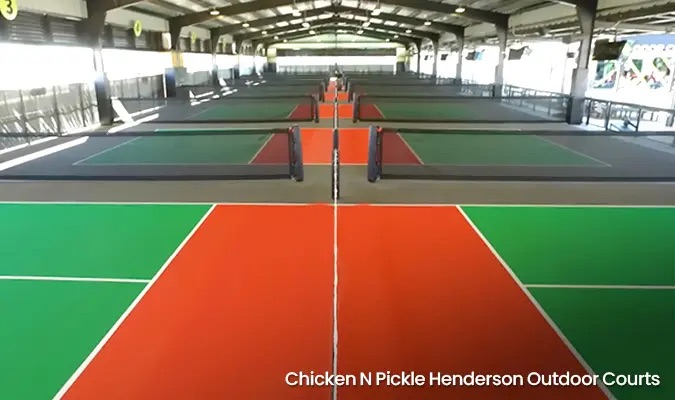
Choosing the right flooring for a badminton court is essential for player safety, game performance, and long-term durability. The surface of a badminton court directly affects traction, player movement, shock absorption, and shuttlecock control. Whether you are building an indoor badminton facility, a backyard court, or a multi-use recreational sports area, selecting the proper flooring ensures the court performs well for years.
Badminton requires quick lateral movements, jumps, and sudden directional changes. Because of this, the court surface must provide excellent grip while reducing strain on joints and muscles. A well-designed floor also improves shuttle response and ensures consistent gameplay.
The most common badminton court flooring options include hardwood, modular interlocking tiles, and synthetic or resin flooring systems. Each surface offers different advantages depending on whether the court is indoor or outdoor and whether it is used for recreational or competitive play.
Understanding the differences between these materials will help you choose the best flooring for a badminton court that matches your needs.
Badminton courts require surfaces that balance comfort, durability, traction, and performance. The following flooring options are widely used in sports facilities and residential courts.
Hardwood flooring is one of the most traditional and widely used surfaces for professional indoor badminton courts. Many gyms and sports arenas use hardwood floors because they provide excellent traction and consistent performance.
Hardwood badminton courts are typically constructed using maple wood panels installed over a shock-absorbing subfloor system. This design helps reduce impact during jumps and quick movements.
Hardwood courts are commonly used in schools, training centers, and professional sports facilities because they deliver a high-performance playing experience.
Hardwood flooring works best for:
However, hardwood floors require regular maintenance, cleaning, and occasional refinishing to keep them in top condition.
Another popular option for badminton courts is modular interlocking sport tiles. These tiles are made from durable plastic materials designed to snap together over a stable base.
Modular tiles are especially popular for backyard badminton courts and multi-use recreational courts because they are easy to install and maintain.
These tiles also provide shock absorption and improved traction, making them comfortable for players during extended matches.
Because of their flexibility and durability, modular tiles are widely used for multi-use backyard courts.
Modular tile systems are ideal for:
Their versatility makes them one of the most practical badminton court surface options for residential installations.
Synthetic or resin flooring systems are another excellent choice for badminton courts. These surfaces are made from polymer-based materials designed to provide cushioning and slip resistance.
Synthetic badminton floors are commonly installed over concrete bases and offer consistent traction and shock absorption.
Synthetic flooring systems are commonly used in indoor sports facilities and training centers because they combine durability with comfort.
Synthetic badminton flooring works well for:
Because these surfaces provide a comfortable playing experience, they are often preferred for recreational and training environments.
| Surface Type | Durability | Comfort | Maintenance | Best Use |
| Hardwood Flooring | High | High | Moderate | Professional indoor courts |
| Modular Badminton Court Tiles | High | High | Low | Backyard and multi-sport courts |
| Synthetic/Resin Flooring | High | Very High | Low | Indoor training and recreation courts |
Selecting the best badminton court flooring depends on several factors, including location, intended use, and maintenance preferences.
Indoor courts usually benefit from surfaces such as hardwood or synthetic flooring, which provide excellent traction and consistent performance.
Outdoor courts must withstand weather exposure, so materials like modular tiles or synthetic surfaces are typically more suitable.
Badminton requires fast movement and sudden stops. Flooring systems with shock absorption and slip resistance help reduce the risk of injuries.
Cushioned surfaces such as synthetic flooring and modular tiles can significantly reduce stress on players’ joints.
Maintenance needs vary depending on the flooring type.
Hardwood courts require more upkeep, including cleaning, refinishing, and moisture protection.
Modular tiles and synthetic flooring typically require minimal maintenance, making them convenient for residential and recreational courts.
Many homeowners and recreational facilities want courts that can support multiple sports.
Modular and synthetic surfaces allow courts to be used for activities such as:
This flexibility makes them ideal for multi-use backyard courts.
Badminton courts must withstand frequent use while maintaining performance. Durable materials that resist wear, moisture, and UV exposure help ensure the court remains playable for years.
Choosing high-quality materials is essential for long-term reliability and reduced repair costs.
Beyond the flooring material, several additional features can improve the performance and usability of a badminton court.
Proper line markings ensure accurate gameplay and allow players to easily identify boundaries.
Installing LED sports lighting allows players to use the court during evening hours.
High-quality badminton net systems improve gameplay consistency and durability.
Outdoor courts should include proper drainage to prevent water accumulation and surface damage.
The best flooring depends on the location and use of the court. Hardwood is often preferred for professional indoor courts, while modular tiles and synthetic surfaces work well for recreational or outdoor courts.
Badminton is typically played on hardwood or synthetic sport flooring indoors. Outdoor courts may use modular tile systems designed for multi-sport play.
Professional badminton courts are usually played on wood or synthetic flooring surfaces that provide excellent traction and shock absorption.
Building an outdoor badminton court involves preparing a stable base, installing the chosen surface material, adding court markings, and installing a badminton net system.
PVC badminton court mats are often used in indoor sports facilities because they provide cushioning, slip resistance, and consistent shuttle movement.
Choosing the best flooring for a badminton court depends on factors such as indoor or outdoor installation, budget, maintenance preferences, and the level of play.
Hardwood flooring provides professional-level performance for indoor courts, while modular tiles and synthetic flooring systems offer versatile and durable options for backyard or recreational courts.
By selecting the right badminton court surface options, players and facility owners can create courts that deliver safe gameplay, reliable performance, and long-term durability.
Please Provide Your Contact Information and Project Details