
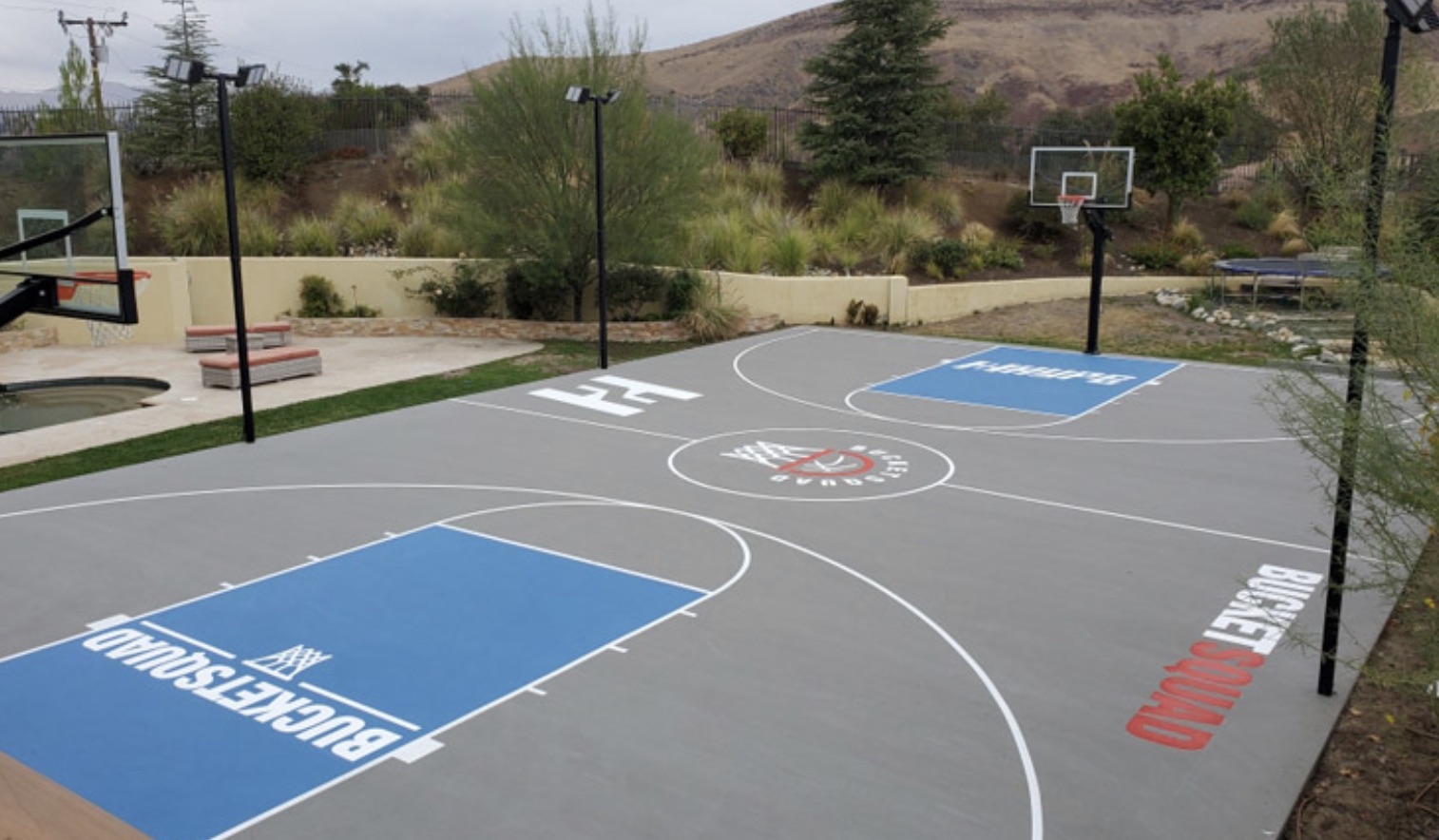
Choosing the right flooring for a court is essential for player safety, game performance, and long-term durability. Whether you are planning a backyard game court, a multi-use recreational area, or a professional sports facility, the type of flooring you choose affects traction, ball bounce, shock absorption, and overall maintenance.
Modern sports courts are designed to support different activities such as basketball, pickleball, volleyball, and other recreational games. The flooring system must therefore be durable enough to handle frequent use while also providing comfort and safety for players.
Several court surface options are commonly used today. The most popular include modular interlocking tiles, acrylic-coated concrete, synthetic or resin flooring systems, and hardwood surfaces for indoor facilities. Each flooring type offers specific advantages depending on the location of the court and how it will be used.
Understanding the benefits of these materials can help homeowners and sports facility managers select the best flooring for a court that meets their performance and maintenance expectations.
Different types of court flooring are designed to meet the needs of different sports environments. The right surface will depend on whether the court is indoor or outdoor, as well as the level of play expected.
Modular court tiles are one of the most popular flooring options for backyard and multi-use courts. These tiles are made from durable plastic materials that snap together over a stable base surface, creating a flexible and shock-absorbing playing area.
Because the tiles are modular, installation is often faster and easier compared to traditional sports surfaces. Individual tiles can also be replaced if damage occurs, which helps extend the life of the court.
Benefits of Modular Court Tiles
Modular tiles are especially popular for backyard game court flooring because they combine durability with player comfort.
Another widely used option for outdoor courts is acrylic-coated concrete. In this system, a concrete or asphalt base is coated with layers of acrylic sport surfacing to create a smooth and durable playing surface.
The acrylic coating adds texture for improved traction and helps protect the underlying concrete from weather exposure.
Benefits of Acrylic Court Flooring
Because of its durability, acrylic surfacing is commonly used for public parks, schools, and commercial recreation courts.
Synthetic court surfaces are made from resin or polymer materials designed to provide a cushioned and slip-resistant playing surface.
These systems are often installed over concrete or other base layers and are commonly used in indoor gyms or covered recreational areas.
Benefits of Synthetic Court Surfaces
Synthetic surfaces are ideal for facilities that want a versatile and comfortable playing surface that supports multiple sports.
Hardwood flooring is widely recognized as the professional standard for indoor basketball and volleyball courts. Most professional arenas and school gyms use hardwood courts made from maple wood panels.
These floors are installed over specialized subfloor systems that help absorb shock while maintaining consistent ball bounce.
Benefits of Hardwood Court Flooring
Although hardwood floors require more maintenance than other court surfaces, they remain the preferred choice for high-level indoor sports facilities.
| Surface Type | Durability | Comfort | Maintenance | Best Use |
| Modular Court Tiles | High | High | Low | Backyard and multi-use courts |
| Acrylic Court Flooring | Very High | Moderate | Low | Outdoor sports courts |
| Synthetic/Resin Flooring | High | High | Low | Indoor or covered courts |
| Hardwood Flooring | High | Moderate | Moderate | Professional indoor courts |
Selecting the best flooring for a court requires evaluating several key factors.
The type of sports played on the court will influence the best surface choice.
For example:
Choosing a surface designed for multi-sport use can increase the versatility of the court.
The environment where the court will be installed plays a major role in selecting the right material.
Outdoor courts must withstand sunlight, rain, and temperature changes. Materials such as acrylic coatings and modular tiles are designed specifically for outdoor conditions.
Indoor courts, on the other hand, can use surfaces like synthetic flooring or hardwood, which provide excellent traction and performance without exposure to weather.
Safety is a major consideration when choosing sports flooring.
Surfaces with shock absorption and slip resistance help reduce the risk of injuries during high-impact movements such as jumping and quick directional changes.
Modular tiles and synthetic surfaces often provide more cushioning compared to concrete courts.
Some flooring systems require more maintenance than others.
Hardwood floors must be regularly cleaned, refinished, and protected from moisture. Acrylic surfaces may require occasional resurfacing after several years of use.
Modular tiles and synthetic surfaces typically require minimal maintenance, making them convenient for residential courts.
Sports courts experience frequent use and exposure to environmental conditions.
Choosing materials that resist wear, moisture, and UV damage helps ensure the court remains playable for many years.
Acrylic coatings and modular tiles are particularly durable for outdoor court applications.
Many homeowners and recreational facilities want courts that can support several sports.
Modular and synthetic surfaces are particularly useful for multi-use courts that accommodate activities such as:
This flexibility makes them an excellent choice for backyard installations.
Professional indoor volleyball courts typically use hardwood flooring, often made from maple wood panels installed over shock-absorbing subfloors.
Modular sport tiles can be a cost-effective alternative to full concrete courts because they can be installed over existing flat surfaces and replaced individually if damaged.
Basketball courts commonly use hardwood flooring indoors and acrylic-coated concrete or modular tile systems outdoors.
Professional NBA courts are made from hard maple hardwood flooring, installed over specialized subfloor systems designed for shock absorption and durability.
Choosing the best flooring for a court depends on the intended use, location, and level of play.
For backyard installations and multi-use recreational courts, modular court tiles and acrylic court flooring offer excellent durability and low maintenance. Indoor facilities often rely on synthetic sport surfaces or hardwood flooring to provide professional-level gameplay.
By selecting the right court surface options, homeowners and sports facilities can create courts that deliver safe performance, durability, and long-term enjoyment for athletes and recreational players alike.
Please Provide Your Contact Information and Project Details