
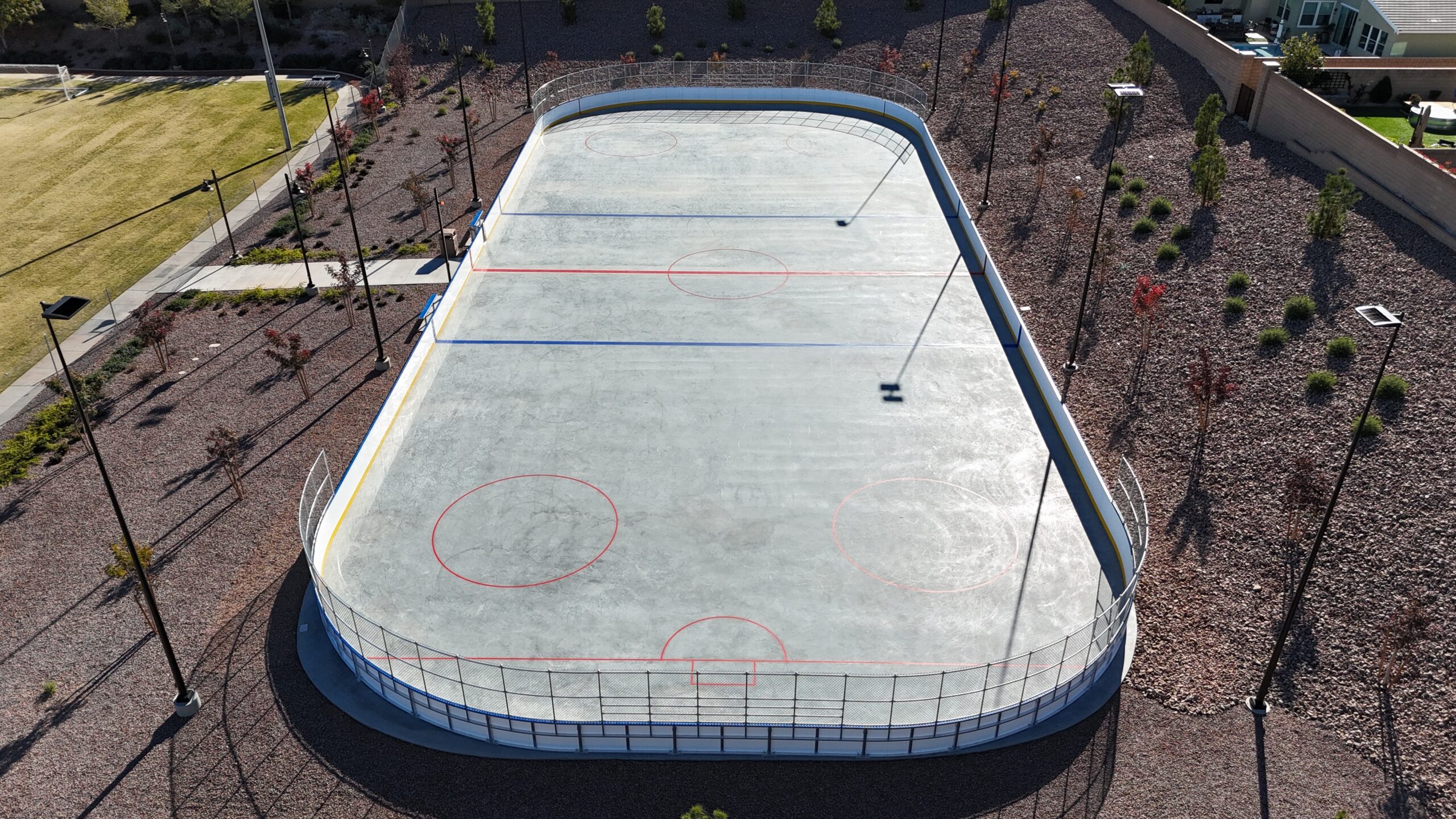
Choosing the right flooring for a hockey court is essential for player safety, game performance, and long-term durability. Whether you are designing a backyard hockey court, a recreational multi-sport facility, or a professional training space, the flooring material influences puck control, movement, traction, and joint comfort.
Different hockey court surface options provide different benefits depending on whether the court is used indoors or outdoors. Some surfaces prioritize durability and weather resistance, while others focus on comfort and shock absorption.
Common hockey court flooring options include:
Understanding the strengths of each material can help you select the best flooring for a hockey court based on your needs, climate, and level of play.
Several surfaces are commonly used for hockey-style game courts. Each offers different levels of durability, comfort, and maintenance requirements.
Modular hockey court tiles are one of the most popular options for backyard and recreational courts. These tiles are made from durable plastic materials that snap together to create a complete playing surface.
Because the tiles are modular, they can be installed quickly and individual sections can be replaced if damage occurs.
Benefits of Modular Hockey Court Tiles
Modular systems are commonly used for backyard hockey court materials and multi-sport recreational areas.
Best For: Recreational or backyard hockey courts where flexibility and easy installation are important.
For outdoor hockey courts, acrylic-coated concrete provides a strong and durable surface.
This system uses a poured concrete slab coated with acrylic sports surfacing layers that add texture and color while improving traction and weather resistance.
Benefits of Acrylic Hockey Court Flooring
Because of its durability, acrylic surfaces are often used for community recreation courts and outdoor sports facilities.
Best For: Outdoor hockey courts exposed to weather and heavy play.
Synthetic resin or rubber sport flooring is commonly used for indoor or covered hockey courts.
These surfaces provide cushioning and improved shock absorption, helping protect players from repetitive impact during fast-paced gameplay.
Benefits of Synthetic Hockey Court Flooring
Synthetic surfaces are often installed in training centers, gyms, and indoor recreation facilities.
Best For: Indoor hockey courts that prioritize safety and player comfort.
| Surface Type | Durability | Comfort | Maintenance | Best Use |
| Modular Interlocking Tiles | High | High | Low | Backyard and multi-use courts |
| Acrylic-Coated Concrete | Very High | Moderate | Low | Outdoor recreation courts |
| Synthetic Resin/Rubber Flooring | High | Very High | Low | Indoor training facilities |
Selecting the right hockey court flooring requires evaluating several important factors.
The level of play greatly influences the surface choice.
Competitive training facilities may prefer synthetic sport flooring, while backyard courts often use modular tile systems.
Outdoor courts must withstand environmental conditions such as sunlight, rain, and temperature changes.
Acrylic-coated concrete and modular tile systems perform well outdoors, while resin and rubber flooring systems are better suited for indoor courts.
Player safety should always be a top priority.
Cushioned surfaces such as modular tiles or synthetic sport flooring help reduce stress on knees and joints during gameplay.
Different surfaces require different levels of maintenance.
Acrylic courts typically require periodic cleaning and occasional resurfacing, while modular tiles may only need cleaning and occasional tile replacement.
Choosing low-maintenance surfaces helps reduce long-term upkeep costs.
Many hockey courts are designed as multi-use sports courts.
Certain surfaces allow the court to support activities such as:
Modular tiles and synthetic flooring systems are especially popular for multi-use hockey courts.
When planning a hockey court, surface material is only one part of the equation. Other design features also contribute to gameplay quality and safety.
For example, many courts include perimeter boards or fencing to keep the puck or ball within the playing area. Lighting systems can also be installed for evening play, especially for backyard courts or community facilities.
Drainage is another important factor for outdoor courts. A slight slope in the concrete foundation ensures water does not collect on the surface, preventing slippery conditions and extending the life of the court flooring.
Court markings may also be customized depending on whether the court is used strictly for hockey or as a multi-sport surface.
The best flooring depends on the environment. Modular interlocking tiles and acrylic-coated concrete are popular for outdoor courts, while synthetic sport flooring is commonly used indoors.
Common hockey court surface options include modular tiles, acrylic-coated concrete, and synthetic resin or rubber flooring designed for sports courts.
Yes, hockey can be played on concrete, especially when it is coated with acrylic sport surfacing that improves traction and durability.
Hockey courts are typically built using modular sport tiles, concrete with acrylic coatings, or synthetic resin flooring systems, depending on whether the court is indoor or outdoor.
Modular tile systems are often the best option for multi-use hockey courts because they support multiple sports and are easy to maintain.
Choosing the best flooring for a hockey court depends on how the court will be used and where it will be installed.
Modular tile systems provide flexibility and comfort for residential courts, while acrylic-coated concrete surfaces offer durability for outdoor facilities. Synthetic resin and rubber flooring provide excellent safety and cushioning for indoor courts.
By selecting the right hockey court surface options, you can create a court that delivers safe gameplay, long-lasting durability, and excellent performance for players of all levels.
Please Provide Your Contact Information and Project Details