
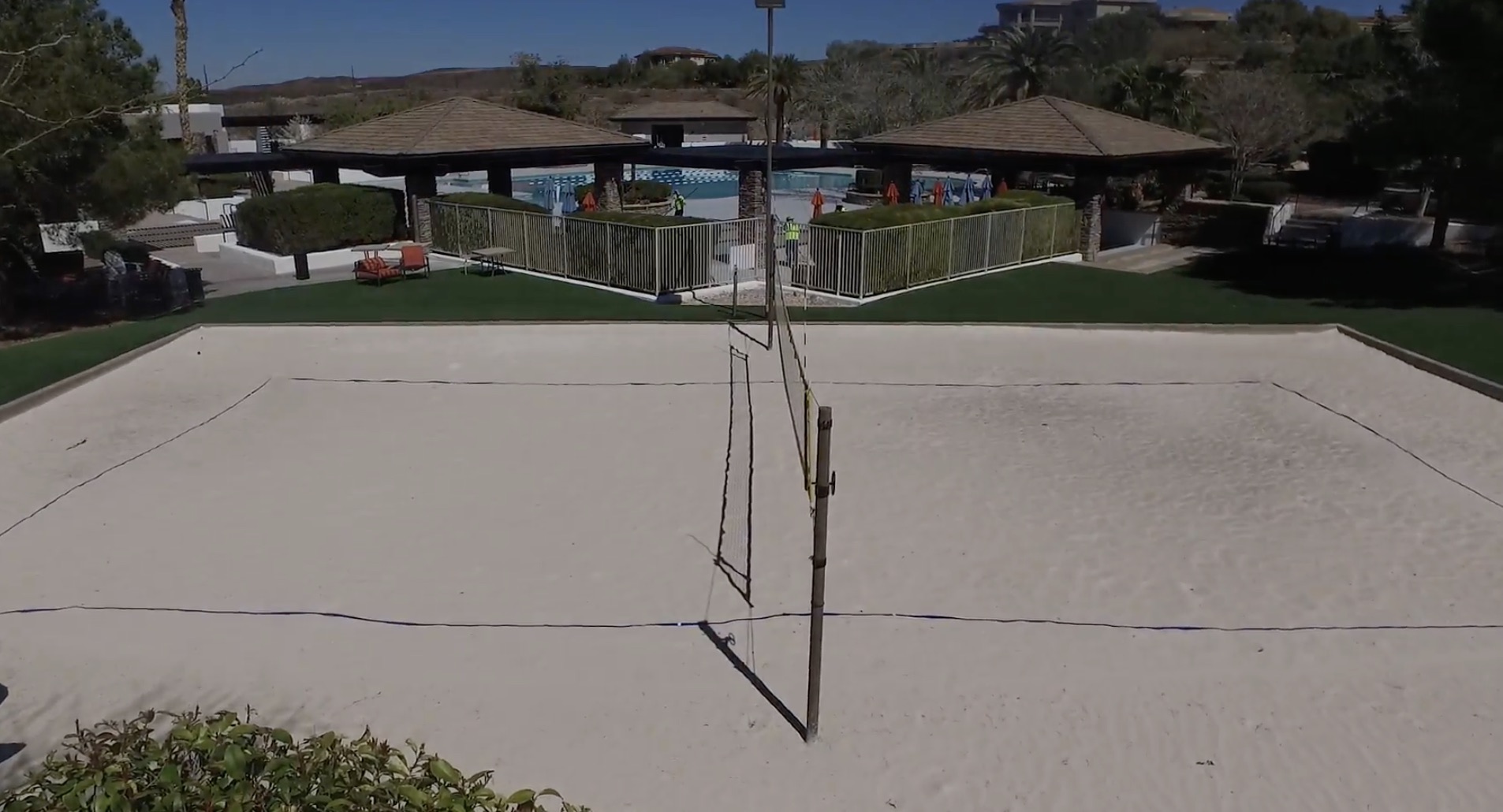
Selecting the right surface for a volleyball court is essential for player safety, gameplay performance, and long-term durability. Whether you are building a backyard volleyball court, a community recreation court, or a professional sports facility, the surface material plays a major role in traction, comfort, and ball response.
The best volleyball court surface depends on whether the court is indoor or outdoor, how frequently it will be used, and what level of play it is designed for.
Some of the most common volleyball court surface options include:
Each material offers unique benefits and is suited for specific environments and types of play.
Different surfaces provide different playing experiences. Choosing the right one ensures players can move safely while maintaining consistent gameplay.
Hardwood is widely considered the best surface for indoor volleyball courts. Most professional volleyball matches and competitive leagues are played on hardwood floors installed in gyms and sports arenas.
Hardwood courts are typically made from maple wood panels installed over shock-absorbing subfloor systems, which provide both durability and player comfort.
Benefits of Hardwood Volleyball Courts
Hardwood flooring allows athletes to move quickly and safely during gameplay.
Best For: Indoor volleyball courts in gyms, schools, and community centers.
For outdoor volleyball courts, acrylic-coated concrete is one of the most reliable surface solutions.
In this system, a concrete slab is poured and then coated with acrylic sport coatings that provide texture, color, and weather resistance.
Benefits of Acrylic-Coated Volleyball Courts
Acrylic coatings are designed to withstand sun exposure, rain, and heavy usage, making them a popular choice for outdoor volleyball court surfaces.
Best For: Outdoor backyard courts, parks, and commercial recreation facilities.
Modular volleyball court tiles are increasingly popular for residential courts and multi-sport recreational areas.
These tiles are made from durable plastic materials that snap together over a flat base surface.
Benefits of Modular Volleyball Court Tiles
Modular systems are also highly versatile and can support multiple sports on the same court.
Best For: Multi-use game courts or backyard volleyball court setups.
Synthetic sport flooring is made from resin or polymer-based materials designed to provide comfort, durability, and reliable performance.
These surfaces are commonly used in sports training centers and indoor recreation facilities.
Benefits of Synthetic Volleyball Courts
Synthetic floors offer a balance between durability and comfort, making them ideal for recreational courts.
Best For: Training facilities, recreational courts, and backyard installations.
| Surface Type | Durability | Comfort | Maintenance | Best Use |
| Hardwood Flooring | High | Moderate | Moderate | Indoor gyms and professional courts |
| Acrylic-Coated Concrete | Very High | Moderate | Low | Outdoor courts and parks |
| Modular Interlocking Tiles | Moderate–High | High | Low | Backyard and multi-use courts |
| Synthetic Sport Flooring | High | High | Low | Recreational and training courts |
Several factors should be considered when selecting the best surface for a volleyball court.
Indoor courts typically use hardwood flooring, which provides excellent ball bounce and traction.
Outdoor courts often rely on acrylic-coated concrete or modular tile systems that are designed to withstand weather exposure.
Courts used for competitive or high-traffic play require durable surfaces capable of handling frequent use.
Professional facilities and schools often choose hardwood or reinforced sport flooring systems.
Recreational courts may benefit from modular tiles or synthetic surfaces.
Comfort is an important factor in sports flooring.
Surfaces with cushioning, such as modular tiles or synthetic flooring, can reduce stress on knees and joints during extended play.
Different surfaces require different levels of upkeep.
Hardwood floors require occasional refinishing, while acrylic and modular tile systems typically only require periodic cleaning.
Selecting a low-maintenance surface helps reduce long-term upkeep costs.
Many recreational courts are designed to support multiple sports.
Modular tile systems and synthetic flooring can accommodate activities such as:
This flexibility makes them popular choices for multi-use sports courts.
The best surface depends on the environment. Hardwood flooring is ideal for indoor courts, while acrylic-coated concrete or modular tiles are popular for outdoor courts.
Volleyball courts are commonly built using hardwood flooring indoors and concrete with acrylic sport coatings or modular tile systems outdoors.
Yes, volleyball can be played on concrete, especially when the surface is coated with acrylic sport coatings that provide traction and improve ball bounce.
Volleyball courts can be constructed using hardwood, concrete, modular sport tiles, or synthetic flooring, depending on whether the court is indoor or outdoor.
The best flooring depends on the sport and environment. For volleyball, hardwood is typically preferred indoors, while acrylic-coated surfaces or modular systems are commonly used outdoors.
Choosing the best surface for a volleyball court depends on factors such as location, usage level, and player comfort.
Hardwood floors remain the standard for professional indoor courts, while acrylic-coated concrete and modular volleyball court tiles offer durable solutions for outdoor and residential courts.
By selecting the right backyard volleyball court materials and surface systems, homeowners and sports facilities can create courts that provide safe gameplay, consistent performance, and long-term durability.
Please Provide Your Contact Information and Project Details