
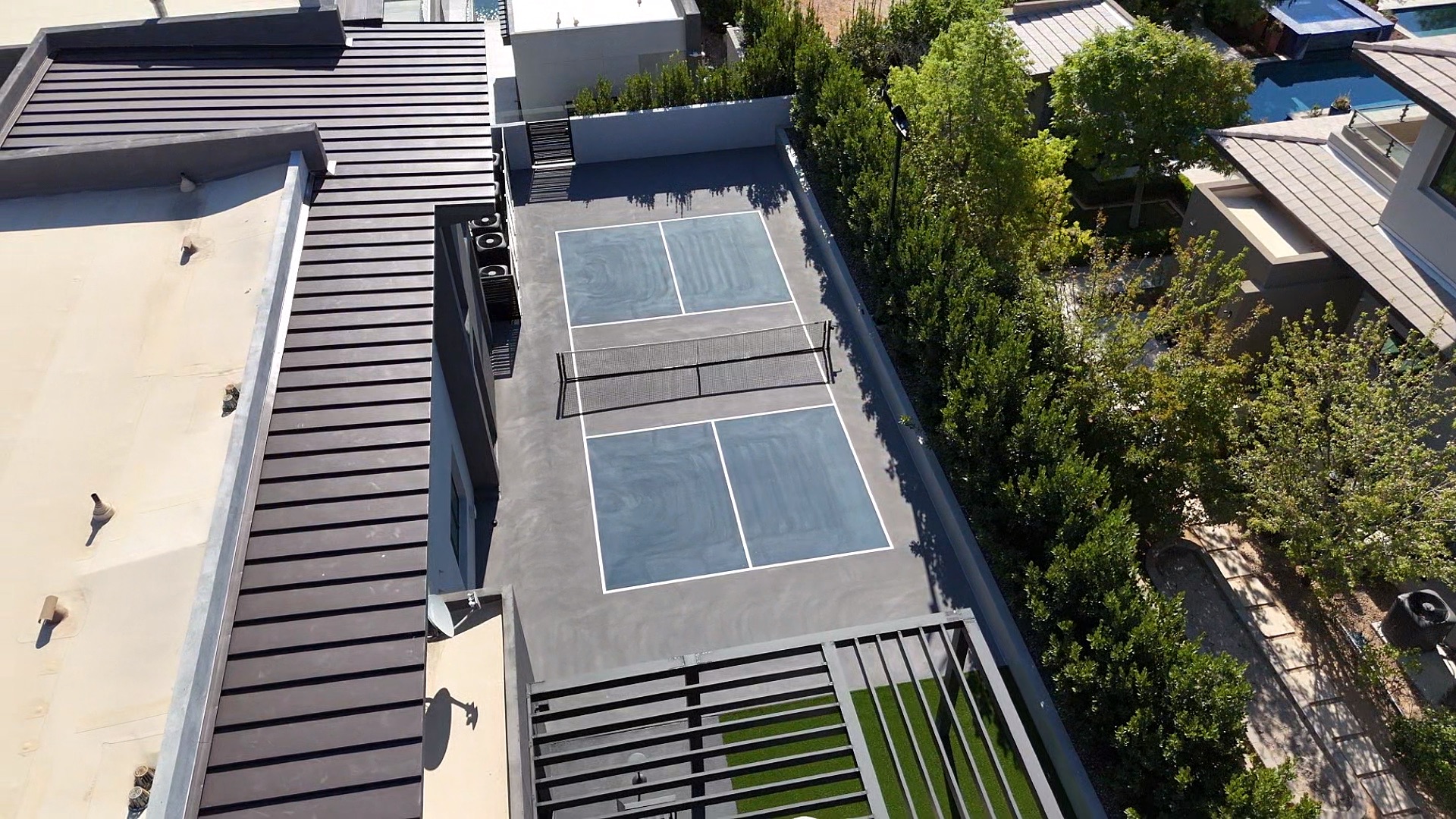
Pickleball has quickly become one of the fastest-growing sports in the United States. As the sport continues to expand in popularity, many homeowners, community parks, sports facilities, and recreation centers are investing in pickleball court construction.
Building a high-quality court requires careful planning, proper materials, and professional construction techniques. When done correctly, a pickleball court provides consistent gameplay, long-term durability, and a safe playing surface for players of all skill levels.
The best way to build a pickleball court involves several key steps:
With proper construction and maintenance, an outdoor pickleball court can remain playable for 10 to 20 years or more.
Before beginning construction, it is essential to evaluate the available space and determine how the court will be used.
Some courts are built specifically for pickleball competition, while others are designed as multi-sport courts that can accommodate basketball, tennis, or recreational activities.
Planning ahead helps ensure the court:
Careful planning also helps determine the best pickleball court surface material based on climate, budget, and intended usage.
Understanding pickleball court dimensions is a critical part of the construction process.
The official playing area measures:
However, the recommended total space for comfortable play is larger.
| Court Area | Dimensions |
| Playing Court | 20 ft x 44 ft |
| Recommended Minimum Area | 30 ft x 60 ft |
| Ideal Court Area | 34 ft x 64 ft |
Providing extra space around the court allows players to move freely and safely when chasing shots.
Additional court markings include:
Accurate striping ensures the court meets official pickleball regulations.
Choosing the right playing surface is one of the most important decisions when building a pickleball court. The surface affects ball bounce, traction, durability, and maintenance requirements.
Acrylic coatings applied over a concrete base are widely considered the best pickleball court surface material for outdoor courts.
This system combines the strength of concrete with textured acrylic coatings designed for sports surfaces.
Benefits include:
Because of these advantages, most professional pickleball courts use acrylic-coated concrete surfaces.
Asphalt is another common foundation used for outdoor pickleball court construction.
Like concrete courts, asphalt surfaces are typically coated with acrylic sport surfacing systems to provide grip and color.
Advantages include:
However, asphalt may require resurfacing more frequently because it expands and contracts with temperature changes.
Modular tile systems are becoming increasingly popular for backyard pickleball court installation.
These interlocking plastic tiles sit on top of a flat base and provide a slightly cushioned playing surface.
Benefits include:
These systems are commonly used for residential courts and multi-sport courts.
The construction process begins with preparing the site.
Contractors clear the area, remove debris, and grade the land to create a level surface. The ground must also be compacted properly to prevent settling or structural issues later.
Proper site preparation ensures the court foundation remains stable over time.
A strong base is essential for the long-term durability of the court.
Most pickleball courts use one of two foundations:
Concrete is generally preferred because it offers greater stability, reduced cracking risk, and longer lifespan.
The slab must also include a slight slope to allow rainwater to drain off the court surface.
After the foundation cures, contractors install the playing surface system.
Acrylic sports coatings are commonly applied in multiple layers to create:
These coatings also provide the bright court colors commonly seen on professional pickleball courts.
Precise striping is applied using specialized sports paint to mark the official pickleball boundaries.
Important lines include:
Accurate striping ensures the court meets official play standards.
The pickleball net must meet specific height requirements for proper gameplay.
Official net height includes:
A durable net system with strong posts ensures consistent tension and long-term reliability.
Backyard pickleball courts are becoming a desirable feature for homeowners who enjoy outdoor recreation and entertaining guests.
A well-built court can improve property value while creating a unique backyard amenity.
Pickleball is easy to learn and accessible to players of all ages.
Building a court encourages physical activity while promoting social interaction and community engagement.
Many pickleball courts are designed as multi-use courts that can also accommodate:
This versatility makes pickleball courts ideal for parks and community centers.
When installed professionally, pickleball courts can last decades with proper maintenance.
High-quality surfaces and coatings protect the court from weather, UV exposure, and heavy use.
Modern court systems require minimal maintenance.
Typical upkeep may include:
Compared to many other sports facilities, pickleball courts remain relatively easy to maintain.
Although it may seem simple, pickleball court construction involves specialized techniques and equipment.
Professional pickleball court builders ensure the court is designed and installed correctly.
Experienced contractors provide:
Hiring experienced professionals also helps avoid construction problems such as cracking foundations, uneven surfaces, or poor drainage.
Selecting a flat area helps reduce construction costs and simplifies site preparation.
Level ground also improves the stability of the court surface.
Courts should ideally run north to south.
This orientation reduces glare from the sun and improves visibility during gameplay.
Fencing around the court helps keep balls contained and prevents them from rolling away during play.
It also improves safety for nearby areas.
LED sports lighting allows the court to be used in the evening and improves visibility during early morning play.
Lighting systems are commonly installed for residential and community courts.
Providing enough surrounding space improves safety and allows players to move freely when chasing shots.
Additional space also accommodates fencing, seating areas, or spectator areas.
Yes, pickleballs bounce well on concrete surfaces. Most courts use concrete as the structural base, but the surface is usually coated with acrylic sport coatings to provide traction and improve ball response.
The most common pickleball surfaces include acrylic-coated concrete, asphalt courts with acrylic surfacing, and modular tile systems. Acrylic-coated concrete is widely considered the best surface for professional courts.
Professional courts typically use post-tension concrete foundations with layered acrylic sport coatings. This system provides consistent bounce, traction, and long-term durability.
Yes. Pickleball is designed to be played on a smooth, hard surface that allows the ball to bounce consistently. Concrete and asphalt with acrylic coatings are the most common options.
Concrete is one of the best foundations for pickleball courts because it provides excellent stability, durability, and consistent ball bounce when coated with acrylic sport surfacing.
The best way to build a pickleball court involves careful planning, proper site preparation, and professional installation techniques.
By selecting the right materials and ensuring accurate construction, homeowners and communities can create courts that provide:
Whether you are planning a backyard pickleball court installation or developing a multi-court sports facility, investing in professional construction ensures the court delivers years of enjoyable play and lasting value.
Please Provide Your Contact Information and Project Details