
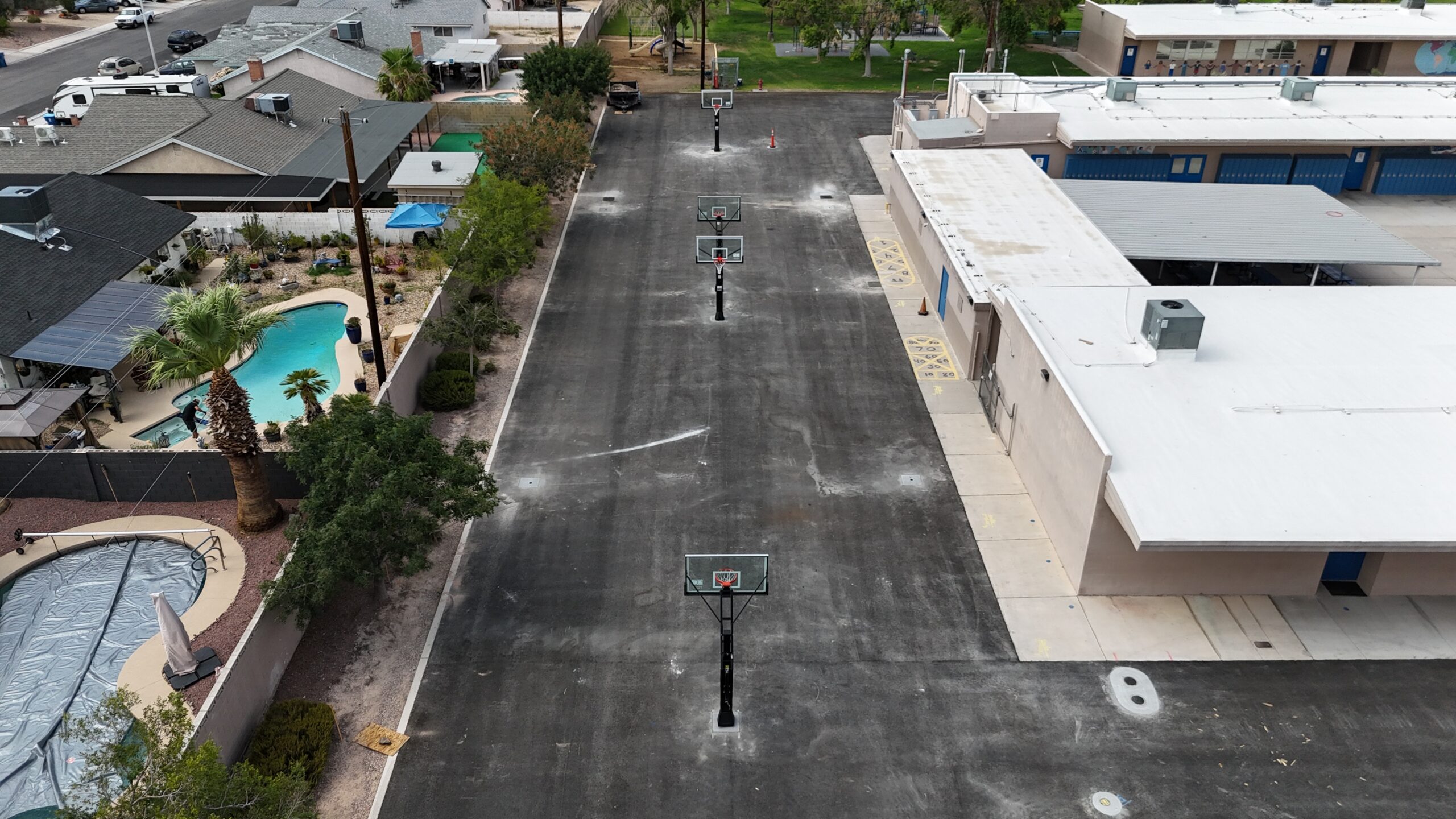
How to Construct a Standard Basketball Court: Step-by-Step Guide for Backyard and Commercial Courts

Constructing a basketball court requires thoughtful planning, proper materials, and precise installation. Whether you are building a backyard basketball court or a commercial game court, following a structured construction process ensures durability, safety, and optimal playability. A well-designed basketball court includes correct dimensions, a stable foundation, high-quality surface materials, and properly installed equipment. When constructed correctly, a basketball court can last for decades while providing a consistent playing experience. Understanding the basketball court construction steps will help homeowners, schools, and sports facilities build courts that meet both recreational and professional standards.

Standard Dimensions for a Basketball Court

Before construction begins, it is essential to understand the official layout and measurements. A standard basketball court follows specific dimensions depending on the level of play.
Court Type Dimensions
Full Court (Professional/Indoor) 94 ft x 50 ft
Half Court (Recreational/Backyard) Approximately 50 ft x 42 ft
Free-Throw Line 15 ft from the backboard
Three-Point Line 22 ft (high school) – 23.75 ft (professional)
These measurements ensure proper gameplay and allow players enough space to move comfortably. Additional markings include:
  • Baselines and sidelines 
  • Center circle 
  • Free-throw lane (key) 
  • Three-point arc 
  • Restricted area 
Accurate striping is essential for maintaining official play standards.

Materials Needed for a Standard Basketball Court

Selecting the right basketball game court materials is crucial for performance and longevity. The most common materials include surface coatings, structural foundations, and accessories.

Surface Materials

Different court surfaces are used depending on whether the court is installed indoors or outdoors. Hardwood Flooring Hardwood flooring, typically made from maple wood, is the preferred material for indoor basketball courts. Benefits include:
  • Excellent ball bounce 
  • Smooth, professional playing surface 
  • Durable with proper maintenance 
Most indoor courts install hardwood flooring over a shock-absorbing subfloor system to reduce joint strain. Acrylic-Coated Concrete Outdoor courts commonly use acrylic-coated concrete. This system includes a poured concrete slab topped with textured acrylic sport coatings. Benefits include:
  • Durable and weather-resistant surface 
  • Consistent ball bounce 
  • Low maintenance requirements 
  • Customizable colors and markings 
Because of its durability, acrylic-coated concrete is widely used for parks, schools, and residential courts. Modular Interlocking Tiles Modular tiles are a popular option for backyard basketball court installation. These plastic tiles snap together to form a cushioned playing surface over a flat base. Benefits include:
  • Shock absorption that reduces joint stress 
  • Quick installation 
  • Easy tile replacement if damaged 
  • Suitable for multi-sport courts 
Post-Tension Concrete Post-tension concrete is a premium outdoor construction method that uses steel tension cables within the slab. Benefits include:
  • Reduced cracking over time 
  • Long-lasting durability 
  • Smooth and stable playing surface 
This material is commonly used in commercial sports facilities and professional outdoor courts.

Foundation and Base

The base of the basketball court is one of the most important structural elements. Key components include:
  • Proper grading and leveling of the site 
  • Reinforced concrete slab or asphalt base 
  • Slight slope for drainage 
A well-built foundation prevents issues such as water pooling, surface cracking, or uneven gameplay areas.

Accessories

Once the court surface is installed, additional components are added to complete the playing area. Common basketball court accessories include:
  • Regulation basketball hoops and backboards 
  • Painted court lines and markings 
  • Net systems 
  • Optional fencing to contain the ball 
  • Sports lighting for nighttime play 
These elements help create a fully functional and professional basketball court.

Step-by-Step Construction Process

Following a structured construction process ensures the court is built safely and correctly.

Step 1 – Planning and Design

The first stage involves determining the court location, size, and surface material. Key considerations include:
  • Available space 
  • Indoor or outdoor installation 
  • Intended level of play 
  • Budget and maintenance expectations 
Planning also ensures the court follows proper layout guidelines. 

Step 2 – Site Preparation

The construction site must be prepared before installing the court. This step includes:
  • Clearing vegetation and debris 
  • Excavating and grading the area 
  • Compacting soil to create a stable base 
  • Preparing drainage systems 
Proper site preparation prevents structural problems later in the construction process.

Step 3 – Surface Installation

Once the foundation is prepared, the playing surface can be installed. For indoor courts, hardwood panels are installed over a supportive subfloor. For outdoor courts, contractors typically pour a concrete slab and apply acrylic sport coatings or install modular tiles. This stage determines the court’s playability, durability, and comfort.

Step 4 – Marking and Accessories

After the surface is installed, the court lines are painted according to official dimensions. Important markings include:
  • Free-throw lines 
  • Three-point arcs 
  • Baselines and sidelines 
  • Center court circle 
Basketball hoops, nets, fencing, and lighting systems are then installed.

Step 5 – Inspection and Finishing

Before the court is opened for use, a final inspection ensures all elements meet safety and performance standards. Contractors verify:
  • Correct court dimensions 
  • Smooth and even playing surface 
  • Proper drainage slope 
  • Secure hoop installation 
This final step ensures the court provides a safe and reliable playing environment.

Comparison Table – Surface Options for Standard Basketball Courts

Surface TypeDurabilityComfortInstallation CostMaintenanceBest Use
Hardwood FlooringHighModerateHighHighIndoor gyms
Acrylic-Coated ConcreteVery HighModerateMediumLowOutdoor courts
Modular Interlocking TilesModerate–HighHighMediumLowBackyard courts
Post-Tension ConcreteExtremely HighModerateHighVery LowCommercial facilities

Tips for Constructing a High-Quality Court

Building a durable basketball court requires attention to several key details.

  • Always follow official court dimensions when possible 
  • Choose a surface material suited to the climate and location 
  • Ensure the foundation is stable and properly graded 
  • Install adequate drainage for outdoor courts 
  • Consider a multi-use basketball court design that supports additional sports 

Regular cleaning and maintenance will also help extend the lifespan of the court.


Frequently Asked Questions (FAQs)

What materials are needed to build a basketball court?

Common materials include concrete or asphalt foundations, hardwood flooring for indoor courts, acrylic coatings or modular tiles for outdoor surfaces, basketball hoops, and court striping paint.

How thick is the concrete on a basketball court?

Most outdoor basketball courts use concrete slabs that are 4 to 6 inches thick, depending on soil conditions and reinforcement requirements.

What material is used for basketball courts?

Indoor courts typically use maple hardwood flooring, while outdoor courts commonly use concrete with acrylic sport coatings or modular tile surfaces.

What is the layout of a basketball court?

A basketball court includes baselines, sidelines, a center circle, free-throw lanes, three-point arcs, and boundary markings that follow official court dimensions.

What are the requirements for a basketball court?

A basketball court requires a flat surface, proper drainage, accurate dimensions, regulation hoops, and durable surface materials that support safe gameplay.

Learning how to construct a standard basketball court helps ensure the project is completed efficiently and correctly.

From selecting the right basketball court surface options to installing a stable foundation and proper court markings, each step plays a role in creating a high-quality playing environment.

Whether building a backyard basketball court installation or developing a commercial sports facility, using the right materials and construction techniques will deliver long-lasting performance, safety, and enjoyable gameplay for years to come.

Sign up for our Newsletter

GET A QUOTE

Please Provide Your Contact Information and Project Details