
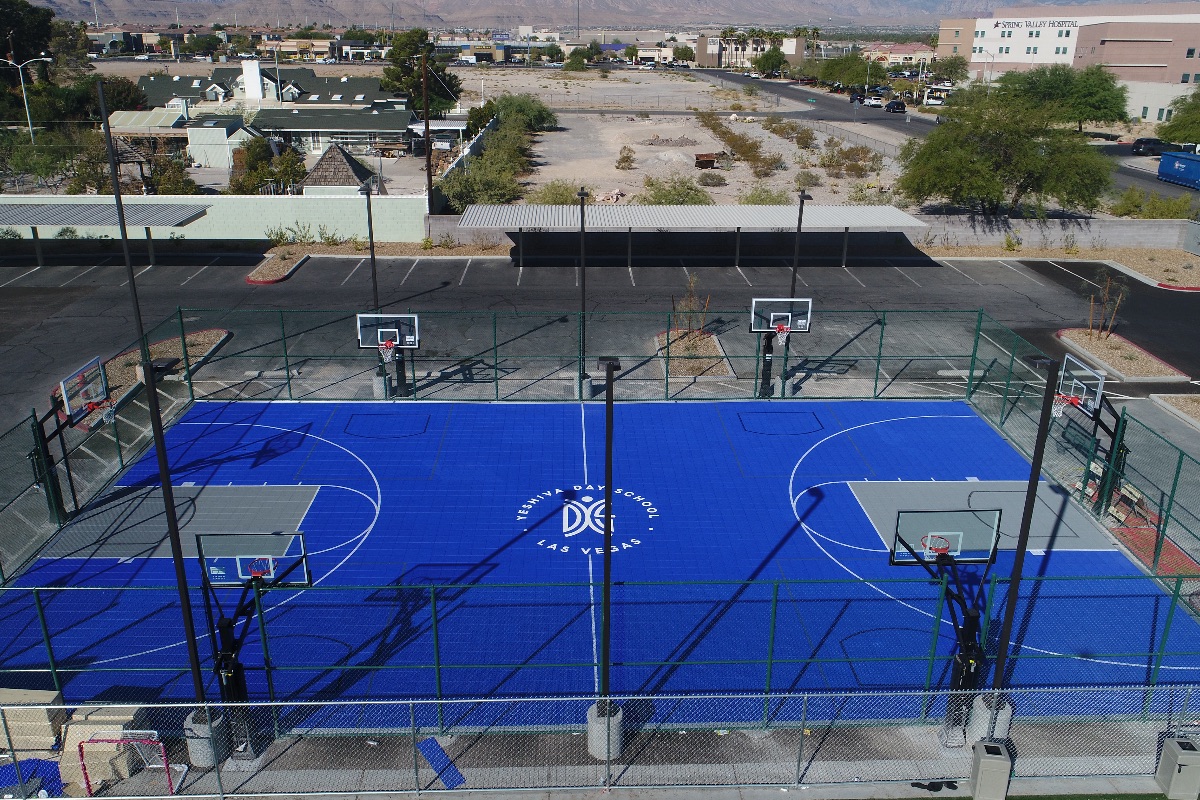
A modular basketball court is one of the smartest and most flexible ways to build a high-performance outdoor game court. Instead of relying only on plain concrete, modular systems use advanced tile technology to create a surface that is more comfortable, more customizable, and easier to maintain over time. For homeowners, schools, and recreational facilities, this approach offers a modern alternative that blends playability, durability, and design freedom.
Unlike traditional courts that may crack, fade, or require costly resurfacing, modular systems are built around interlocking tile sections that can be installed over a stable base such as concrete or asphalt. These surfaces are engineered for outdoor use, making them ideal for heat, UV exposure, changing weather, and heavy recreational use. Whether you are planning a compact practice court or a full backyard sports area, a modular setup gives you more options and fewer long-term headaches.
For families who want a court that looks sharp, feels better underfoot, and remains easy to upgrade, outdoor modular basketball court systems are hard to beat.
At its core, a modular court is a sports surface made from individual tile panels that connect together to form a complete playing area. These courts are specifically designed to create a smooth, durable basketball surface while allowing more flexibility than traditional coating-only systems.
A modular court is built using interlocking basketball court tiles that snap together over an existing base. That base is typically concrete or asphalt, although the exact sub-base will depend on the court design and intended use.
Key features include:
Because the court is built in pieces, it is also much easier to repair than a surface that requires full grinding, patching, or resurfacing.
Modern tile systems are not just plastic squares snapped together. They are specifically engineered athletic surfaces created for long-term outdoor use.
Benefits include:
This makes a modular court flooring system especially appealing in hot, sunny regions where surface durability matters.
Not all modular tiles perform exactly the same way. Different products are built for different priorities, such as drainage, bounce, comfort, or multi-sport use.
Open grid designs are among the most common choices for outdoor courts. These tiles feature small openings that allow water and airflow to move through the system.
Advantages include:
These are often ideal for an outdoor modular basketball court in regions with strong sun and occasional storms.
Solid surface systems offer a sleeker finished appearance and a more continuous play feel.
Advantages include:
Homeowners who want a more premium look often prefer this style.
Some modular systems include added flexibility or cushioning built into the tile structure.
Advantages include:
If comfort is a top priority, cushioned systems are often the best choice for backyard basketball court tiles.
|
Tile Type |
Best For |
Main Advantage |
Consideration |
|
Open Grid Tiles |
Hot climates and outdoor use |
Drainage and airflow |
Slightly more textured feel |
|
Solid Surface Tiles |
Basketball-focused courts |
Cleaner bounce and appearance |
May feel warmer in direct sun |
|
Cushioned Performance Tiles |
Family and frequent play |
Better joint comfort |
Often higher cost |
|
Multi-Sport Tiles |
Shared-use recreation spaces |
Flexibility for several sports |
Layout planning is more complex |
One of the biggest reasons people choose modular systems is that installation is much faster and more flexible than many traditional court builds. Still, the process needs to be done correctly to ensure performance and safety.
Even the best tiles cannot fix a poor foundation. Before any tile installation begins, the surface underneath must be stable, level, and clean.
This step typically includes:
A quality base is essential for the long-term success of any modular court flooring system.
Once the base is ready, the tile sections are laid out and snapped together according to the court design.
This step includes:
Because the tiles are modular, installation tends to move quickly compared to systems that require curing, resurfacing, or multiple coating layers.
After the tile surface is in place, the court markings are added. Some systems use painted striping, while others incorporate line colors directly into the tile layout.
This stage may include:
This is one reason multi-use game court tiles are so popular. One court can support more than one sport without the need for separate surfaces.
The final stage includes everything needed to make the court playable and safe.
This may involve:
At this point, the surface is ready for play.
A modular court offers more than just visual appeal. It provides practical benefits that make it a strong long-term investment.
Compared to coating-based surfaces, modular courts generally install much faster once the base is ready. That means less downtime and a more streamlined build process.
One of the biggest differences people notice right away is comfort. The tile structure creates more forgiveness underfoot than plain concrete, which can make a big difference during long play sessions.
Acrylic courts may eventually need resurfacing. Concrete can crack. But backyard basketball court tiles are easier to maintain because damaged sections can often be replaced individually.
High-quality tiles are built for outdoor athletic use. They resist fading, handle heavy impact, and stand up well to sun and weather when properly installed.
Modular systems make it easy to personalize your court with:
That level of flexibility is one reason many homeowners prefer modular systems over plain traditional finishes.
Traditional court surfaces still have their place, but modular courts offer some clear advantages.
Concrete is durable, but it can still crack over time due to movement, settling, and weather exposure. The tile layer helps create a more forgiving playing surface above the base.
Players often prefer the feel of modular systems because they offer slightly more give and more athletic traction than bare concrete.
When part of a traditional court wears out, repairs can be disruptive and expensive. With a modular basketball court, individual tiles can often be replaced without touching the rest of the surface.
Once the slab is ready, modular tiles go down quickly. That makes them attractive for residential projects where speed matters.
A modular surface can be customized more easily than many standard court systems, especially when building a court that supports multiple sports.
A modular court is not limited to one type of property. These systems work well in a variety of settings.
Popular uses include:
Because they are adaptable, multi-use game court tiles are often the preferred choice when a space needs to serve more than one purpose.
Even a great court system can underperform if the project is poorly planned. Avoid these common mistakes.
Tiles should never be used to hide a poor base. If the foundation is uneven, the court will feel uneven too.
Water management still matters, even with drainage-friendly tile systems. Poor runoff can create problems around the court edges and base.
Not all tiles are designed for athletic use. Choosing cheap materials can lead to poor bounce, weak locking systems, and faster wear.
A good-looking court still needs correct dimensions and proper spacing. Layout mistakes affect both playability and appearance.
The perimeter matters. If edge transitions are not finished correctly, the court may feel incomplete and create safety concerns.
The cheapest option is often a hoop installed over an existing driveway or concrete slab, but it will not offer the same comfort or upgrade flexibility as a modular surface.
Common types include concrete courts, acrylic-coated courts, asphalt courts, modular tile courts, and synthetic sports surfaces. Each has different benefits depending on budget and use.
Asphalt can be used as a base, and in some situations modular systems can also be installed over other stable hard surfaces. Still, most high-quality courts need a firm, level base.
Start by planning dimensions, preparing a proper base, choosing the right surface system, installing the flooring, adding striping, and then installing the hoop and accessories.
Cost depends on size, base condition, tile quality, hoop type, and added features. A small court costs less than a full-size build, but premium materials and custom designs can raise the price.
A modular basketball court offers one of the best combinations of comfort, durability, flexibility, and visual appeal for modern game court design. With the right interlocking basketball court tiles, you can create a surface that performs well, handles outdoor conditions, and remains easy to maintain for years.
Whether you are planning a residential practice area, a premium family game court, or a flexible recreation space using multi-use game court tiles, modular systems provide real advantages over plain traditional surfaces. From easier repairs to faster installation and better design freedom, they are one of the smartest choices for anyone building a high-quality backyard court.
Please Provide Your Contact Information and Project Details