
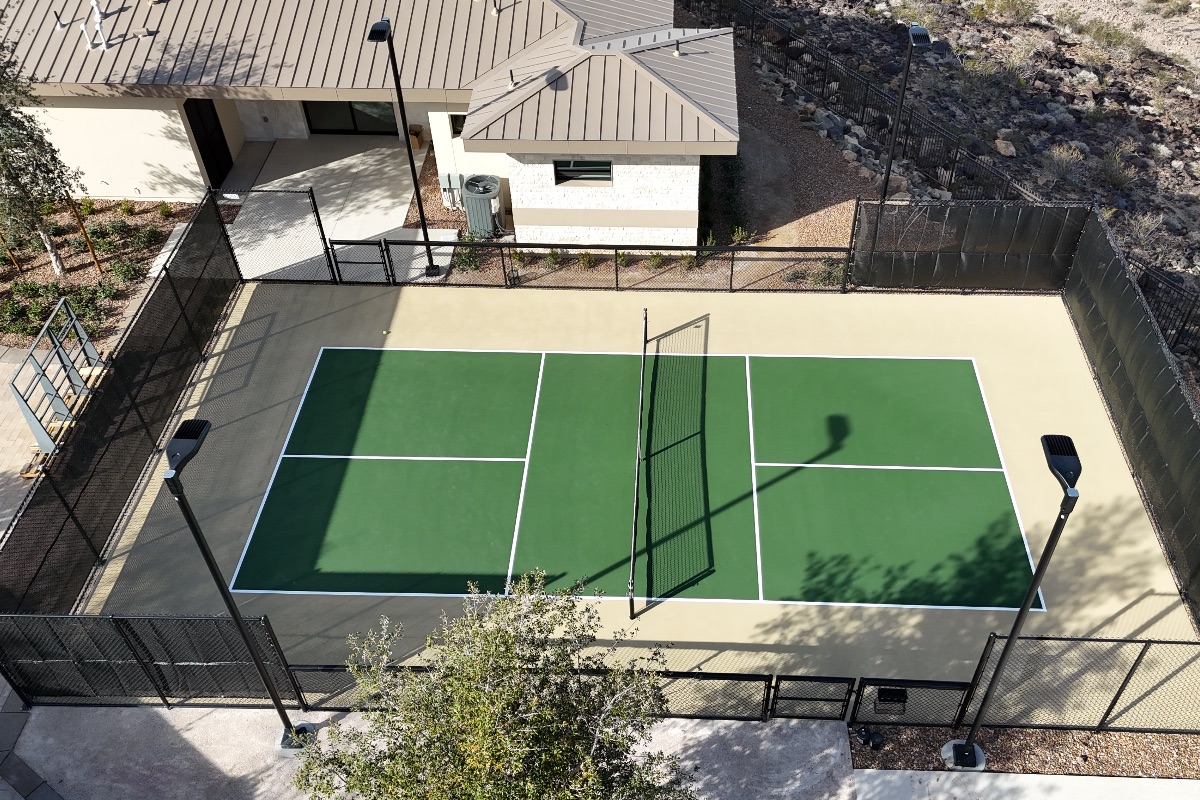
Pickleball has become one of the fastest-growing sports in the world, and with that popularity comes a rising demand for thoughtfully planned pickleball court design. Whether you’re envisioning a private backyard pickleball court for family fun or a professional-grade multi-use pickleball court for multiple sports, the design process plays a crucial role in how enjoyable, safe, and durable your court will be.
A well-designed court is more than painted lines on pavement. It balances proper dimensions, smart layout planning, surface materials, drainage, lighting, and long-term maintenance considerations. The right pickleball court design transforms unused outdoor space into a high-value recreational feature that serves players of all ages and skill levels.
From homeowners seeking backyard pickleball court ideas to property developers building sports complexes, understanding the fundamentals of court planning helps ensure lasting performance and satisfaction.
Creating the ideal court starts with mastering the core design elements that affect gameplay, safety, and versatility.
The foundation of every successful pickleball court design begins with accurate court sizing and layout planning.
A regulation pickleball court measures:
However, the actual play area should extend beyond the marked lines to allow for movement, safety, and comfort.
These additional clearances give players room to serve, pivot, and chase shots without risking collisions.
An effective outdoor pickleball court layout also includes:
If your available space is limited, a custom pickleball court can be adapted creatively to fit your property while still maintaining regulation play dimensions where possible.
Surface choice dramatically affects ball bounce consistency, traction, comfort, and maintenance requirements.
Acrylic-Coated Concrete
This is one of the most popular choices because it offers:
Modular Tiles
A modular pickleball court design uses interlocking sport tiles that provide:
Synthetic or Resin Surfaces
Ideal for players seeking comfort, these surfaces provide:
When choosing a surface, consider your climate, budget, usage frequency, and desired maintenance level.
No court is complete without a properly installed net system.
Regulation net specifications include:
Quality net systems should feature:
Additional accessories may include:
Premium accessories elevate both function and aesthetics in any custom pickleball court.
Many homeowners and facilities prefer a multi-use pickleball court that supports multiple sports on one surface.
This approach offers several advantages:
With thoughtful striping and adaptable net systems, one court can serve multiple recreational purposes without sacrificing pickleball play quality.
| Design Type | Best For | Surface Type | Key Advantage |
| Standard Dedicated Court | Serious pickleball players | Acrylic concrete | Professional play quality |
| Backyard Pickleball Court | Homeowners | Modular tiles / resin | Space-efficient recreation |
| Multi-Use Pickleball Court | Families & communities | Multi-sport surfacing | Versatility for multiple games |
| Modular Pickleball Court Design | Temporary/flexible setups | Interlocking tiles | Easy installation & portability |
| Custom Pickleball Court | Unique properties | Customized surfaces | Tailored to available space |
Beyond size and surface, advanced features improve both playability and longevity.
Water accumulation is one of the biggest threats to court lifespan.
Good drainage design:
A slight slope or engineered drainage channel ensures proper runoff after rain.
If evening games are part of your vision, lighting becomes essential.
LED sports lighting provides:
Properly placed fixtures improve visibility without creating distracting shadows.
Fencing enhances both convenience and safety.
Benefits include:
Fence heights typically range between 8 and 10 feet.
Color selection affects visibility and gameplay experience.
Popular schemes include:
High contrast improves:
Adding cushioning beneath the top surface helps reduce joint strain, especially for older players or frequent users.
This is particularly valuable for:
Cushioned systems are often integrated into modular pickleball court design setups.
When planning residential courts, thoughtful placement and material choices make all the difference.
Positioning courts north-south minimizes sun glare during morning and afternoon play, improving player visibility.
Extra clearance improves safety and comfort, especially in compact backyard environments.
If combining sports, keep line colors clearly differentiated to avoid confusion.
Example:
For competitive players: acrylic concrete may be best.
For family recreation: cushioned modular tiles may be preferable.
Choose materials that resist:
Smart maintenance planning reduces future repair costs.
Not every property is the same, which is why adaptable backyard pickleball court ideas matter.
Compact solutions may include:
High-end homes often incorporate:
Families often prefer:
Flexible design creates year-round value.
A regulation pickleball court is 20 ft x 44 ft, but the recommended total play space is at least 30 ft x 60 ft.
Yes, pickleball can support cardiovascular health by encouraging moderate aerobic activity. However, anyone with high blood pressure should consult a physician before beginning regular play.
Start by determining available space, selecting proper court dimensions, choosing surface materials, planning drainage, and installing regulation net systems.
Acrylic-coated concrete is widely considered the best for durability and consistent bounce, though modular tiles are excellent for comfort and flexibility.
The ideal total area is 34 ft x 64 ft to allow safe movement beyond the playing boundaries.
A successful pickleball court design blends precision, durability, comfort, and creativity. Whether you’re planning a custom pickleball court for private residential use or developing a large-scale multi-use pickleball court, thoughtful planning ensures better gameplay and long-term satisfaction.
From selecting the ideal outdoor pickleball court layout to choosing surfaces, lighting, drainage, and accessories, every detail contributes to building a court that players will enjoy for years to come.
With the right strategy, your backyard can become more than just open space—it can become the ultimate pickleball destination.
Please Provide Your Contact Information and Project Details