
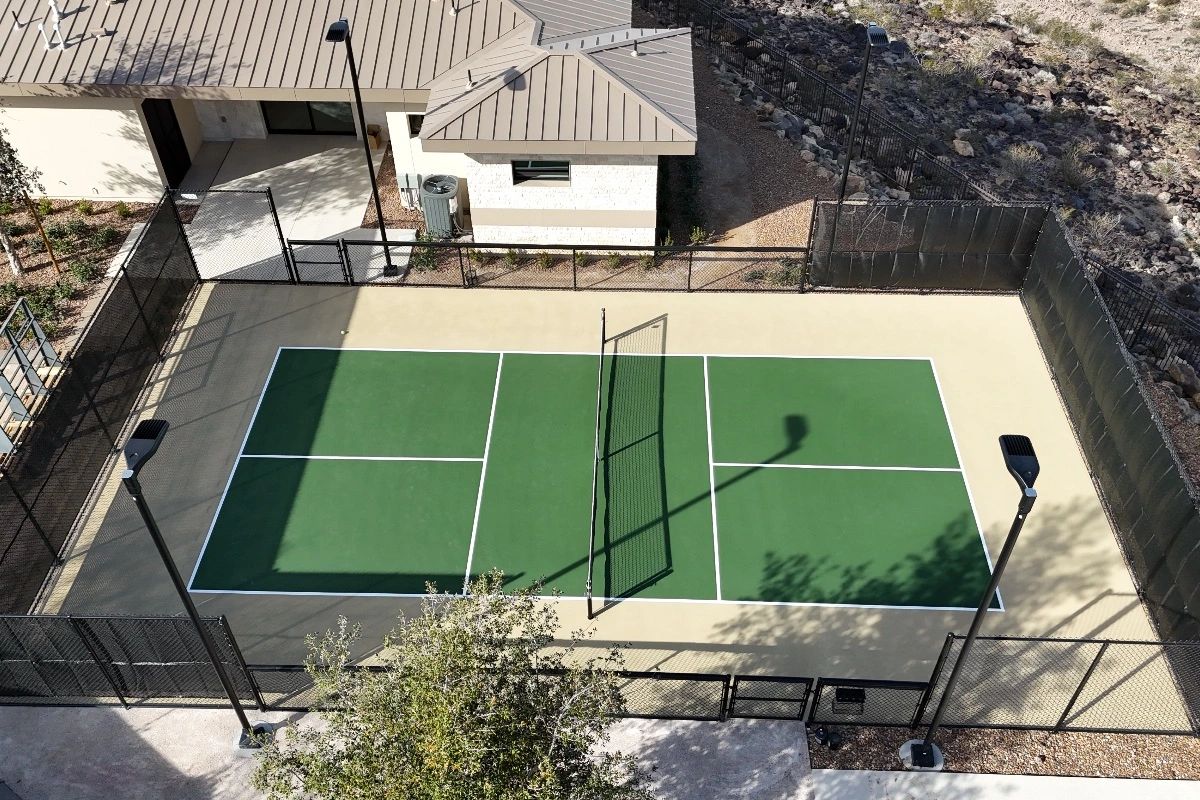
Pickleball Court Construction

Pickleball Court Construction: The Complete Guide to Building a Professional-Quality Court

Pickleball Court Construction

Pickleball has become one of the fastest-growing sports in North America, attracting players of all ages. This surge in popularity has prompted homeowners, HOAs, schools, resorts, and sports facilities to invest in professional pickleball court construction.

Building a high-quality court ensures a safe, durable, and high-performance playing environment that provides years of enjoyment, athletic development, and community engagement. While some may focus on court colors or net systems, the real success of a pickleball court depends on meticulous planning, proper site preparation, drainage, and the installation of a high-performance surface.

A well-constructed court not only improves gameplay but also minimizes maintenance needs, reduces repair costs, and extends the life of the investment. Whether you are installing a residential pickleball court in your backyard or a multi-court facility for tournaments, professional construction is essential.

What Is Pickleball Court Construction?

Building a Complete Athletic Surface

Pickleball court construction involves designing and installing a complete playing system. This system is engineered to support safe, reliable, and professional-quality gameplay. A properly built court typically includes:

  • Site preparation to ensure proper leveling and drainage
  • Base construction using compacted concrete or asphalt for stability
  • Surface installation with acrylic or cushioned coatings for optimal play
  • Court striping for singles and doubles regulation lines
  • Net system installation with adjustable height options
  • Optional fencing for ball containment and lighting systems for night play

Every component of the court contributes to its overall durability, safety, and playability, ensuring a professional-grade experience.

Why Proper Construction Matters

A professionally constructed court provides:

  • Consistent ball bounce for fair and predictable gameplay
  • Reliable traction to reduce slip risks
  • Long-term durability against wear and environmental factors
  • Proper drainage to prevent water damage and surface pooling
  • Reduced repair needs, minimizing maintenance costs over time

Proper construction ensures that the court performs well for years, even under heavy usage.

Who Can Benefit from Pickleball Court Construction?

Homeowners

Residential courts provide:

  • Convenient recreation and fitness opportunities
  • Family entertainment and social engagement
  • Property enhancement with a high-value addition

A backyard pickleball court installation creates a private recreational space that encourages daily activity.

Homeowner Associations (HOAs)

HOAs install courts to:

  • Offer community amenities and recreational spaces
  • Increase resident engagement
  • Promote social interaction within neighborhoods

Schools and Parks

Educational and public facilities benefit from courts that support:

  • Physical education programs
  • Community recreation and youth development
  • Competitive sports training

Resorts and Sports Complexes

Hospitality and sports facilities add courts to:

  • Attract guests and members
  • Enhance amenities for leisure and fitness
  • Host tournaments or events for visitors

What Surface Is Best for Pickleball Court Construction?

Acrylic Court Systems

Acrylic surfaces are the industry standard due to their:

  • Excellent traction, providing a safe playing environment
  • Consistent ball response for predictable gameplay
  • UV resistance, ensuring color and performance durability
  • Attractive appearance, customizable to facility branding or aesthetic goals

Acrylic surfaces are suitable for residential, HOA, and commercial installations.

Cushioned Acrylic Systems

Cushioned surfaces improve player comfort:

  • Shock absorption reduces impact on joints
  • Reduced fatigue during long sessions
  • Enhanced recreational play suitable for multi-game courts

Cushioned systems are ideal for family courts, schools, and high-traffic recreational facilities.

Multi-Game Court Surfaces

Some facilities choose surfaces designed to accommodate:

  • Pickleball
  • Basketball
  • Volleyball
  • Other recreational activities

Multi-game courts maximize space and add versatility, allowing families and communities to enjoy multiple sports on a single surface.

Comparison Table – Pickleball Court Construction Surface Options

Surface Type

Durability

Comfort

Maintenance

Best Use

Acrylic

High

Medium

Low

Residential & HOA courts

Cushioned Acrylic

High

High

Medium

Family & multi-use courts

Multi-Sport

Medium-High

Medium

Low

Multi-activity recreation

How Is a Pickleball Court Constructed?

Step 1 – Site Evaluation

A professional evaluation includes:

  • Measuring available space
  • Testing soil conditions
  • Reviewing property layout
  • Evaluating drainage requirements

Proper site evaluation ensures that the court foundation is stable and long-lasting.

Step 2 – Court Design

The design phase determines:

  • Court dimensions for regulation or custom play
  • Surface selection based on usage and budget
  • Color schemes to enhance aesthetics and visibility
  • Additional features such as fencing, seating, or lighting

Custom pickleball court construction ensures the court fits the property and meets the owner’s goals.

Step 3 – Base Construction

The foundation provides stability:

  • Excavation and grading to create a level base
  • Compaction to prevent future settling
  • Installation of concrete or asphalt for durability

A strong base reduces cracking, uneven surfaces, and long-term maintenance.

Step 4 – Surface Installation

Professional surfacing systems are applied to create:

  • Consistent traction for safe play
  • Smooth, uniform ball bounce
  • Weather resistance to outdoor conditions

High-quality surface materials extend the life of the court and improve player experience.

Step 5 – Striping and Equipment Installation

Final touches include:

  • Regulation line striping for singles and doubles play
  • Net system installation with adjustable heights
  • Optional fencing for safety and ball containment
  • Court lighting for evening or night play

What Are the Official Pickleball Court Dimensions?

Regulation Court Size

A standard court measures:

  • 20 feet wide
  • 44 feet long

These dimensions apply to both singles and doubles play.

Recommended Playing Area

Additional space around the court improves:

  • Player movement for lunging, diving, and agility
  • Safety to prevent collisions with obstacles
  • Competitive play by providing room for proper gameplay

Multi-Court Facilities

Larger projects often include multiple courts designed for:

  • Tournaments and leagues
  • Community recreation programs
  • Commercial or resort facilities

Common Mistakes During Pickleball Court Construction

  • Poor drainage planning: Leads to water pooling, surface deterioration, and premature repairs.
  • Skipping proper site preparation: Weak foundations may cause cracking, settling, and uneven surfaces.
  • Choosing the wrong surface system: Materials should align with usage, budget, and performance goals.
  • Hiring inexperienced contractors: Game court construction requires specialized expertise beyond standard concrete work.

Why Is Professional Pickleball Court Construction Worth the Investment?

Better Playing Experience

Players enjoy:

  • Consistent ball bounce
  • Reliable traction
  • Improved game quality

Long-Term Durability

Professional installation ensures the court withstands years of regular use and environmental exposure.

Reduced Maintenance Costs

Proper construction minimizes the need for repairs and resurfacing, saving money over the court’s lifetime.

Increased Property Value

A well-designed residential or commercial pickleball court adds a unique, high-value feature to any property.


Why Choose Legendary Sports Construction?

Specialized Court Construction Experience

We specialize in designing and building courts that deliver exceptional performance, safety, and durability.

Custom Court Solutions

Every project is tailored to:

  • Property dimensions
  • Recreational goals
  • Usage requirements

Complete Turnkey Service

From planning and site preparation to surfacing, striping, and equipment installation, every phase is professionally managed to ensure a seamless construction process.

Frequently Asked Questions (FAQs)

What is the best way to build a pickleball court?

Start with a professional site evaluation, proper grading, and a stable base. Use high-quality acrylic or cushioned surfaces, accurate line striping, and professional net installation.

What is the best material for a pickleball court?

Acrylic surfaces are ideal for outdoor courts due to durability, UV resistance, and consistent ball bounce. Cushioned acrylic adds comfort for frequent play.

What is the coating on a pickleball court?

Most courts use multi-layer acrylic coatings, which include base repairs, primer, and colored topcoats to provide durability, traction, and a vibrant finish.

What is the best concrete finish for a pickleball court?

Smooth, finely broomed or troweled concrete with proper curing ensures a level foundation and optimal surface adhesion for coatings.


What is the size of a pickleball court?

A standard court measures 20 feet wide by 44 feet long, with recommended buffer space of 5–10 feet around for safe player movement.

GET A QUOTE

Please Provide Your Contact Information and Project Details