Pickleball Vs Tennis: Exploring the Differences

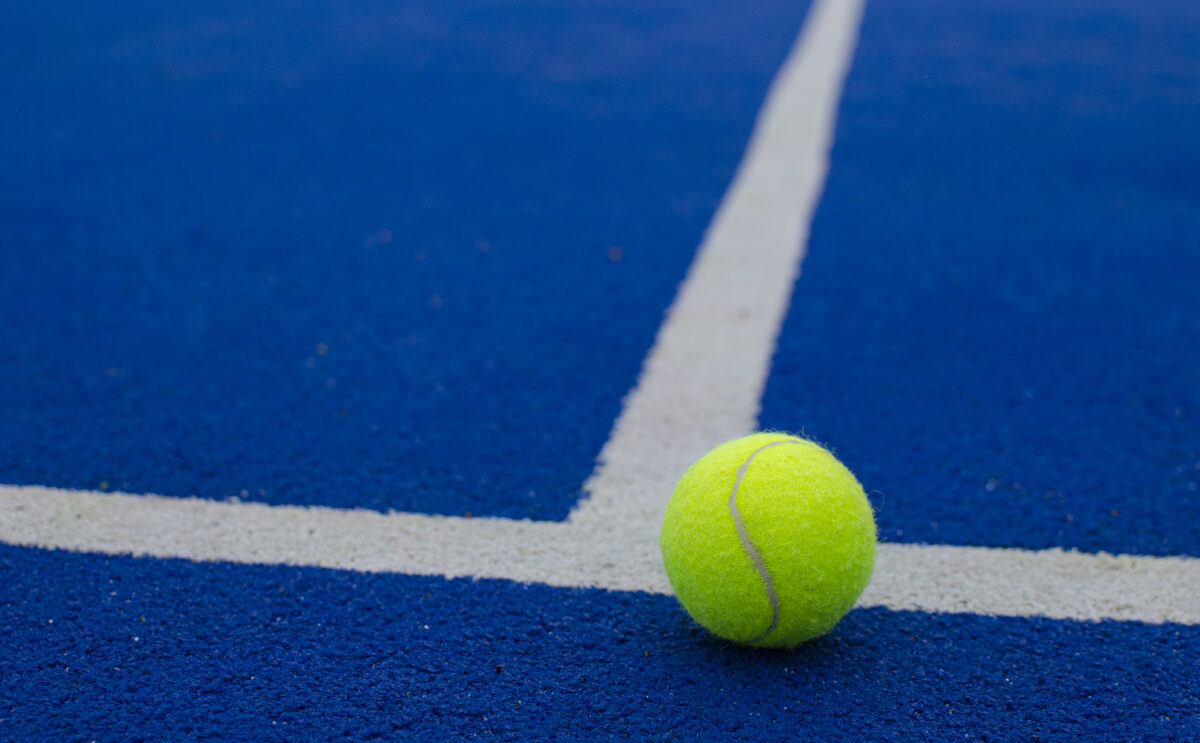
Pickleball vs tennis in Las Vegas, Nevada

Pickleball Vs Tennis: Exploring the Differences

Racquet sports statistics vary drastically from one publication to the next, but let’s just say the number of pickleball players and tennis players in the United States alone is anywhere between 30 to 50 million recreational or professional players. And while a grand assumption is that there has been a line drawn on the courts – you either play pickleball or you play tennis – a number of people enjoy playing both, despite some of their key differences.

If you have become fascinated by these two sports and the growing popularity of pickleball, keep reading to learn more of the nuances between pickleball vs. tennis so you can enhance your appreciation and skill at each game, including:

  • A Brief History of Both Sports
  • Key Differences:
    • Equipment and Gear
    • Court Size and Surfaces
    • Rules and Scoring
    • Playing Techniques and Strategies
    • Physical Demands and Fitness Benefits
    • Social and Community Aspects
    • Popularity and Demographics


A Brief History of Tennis vs. Pickleball

Tennis

Tennis has a long history, beginning first in France in the 12th century and then expanding across the globe to today. History Timelines provides a good breakdown of the sports history, which you can see highlighted below:

History of Tennis

  • 12th century – Created in France where it was played by hitting the ball with the palm of the hand
  • 1877 – First Wimbledon tennis tournament held in London, England
  • 1881 – First US Open, known then as the US National Championship, in Rhode Island
  • 1913 – International Tennis Federation is formed to create standardized rules and regulations for the game
  • 1968 – Open Era of tennis where professional players could compete in major tournaments alongside amateurs. Led to the growth of the sport.
  • 1973 – Billie Jean King played against Bobby Riggs and won, helping promote gender equality in sports
  • Today – Continued rise of major tennis players dominating the sport


Pickleball

ONIX, a leading manufacturer of pickleball paddles and other gear, provides a great historical summary of the creation and growth of pickleball, highlighted below:

History of Pickleball

  • 1965 – Pickleball is born
  • 1967 – First permanent backyard pickleball court is constructed
  • 1972 – Corporation was formed to protect the sport
  • 1975 – Pickleball is written about for the first time by the National Observer
  • 1976 – First known tournament in the world is held in Tukwila, Washington
  • 1984 – First pickleball rulebook is published by the United States Amateur Pickleball Association
  • 1990 – Pickleball is being played in all 50 states
  • 2001 – Pickleball is introduced in the Arizona Senior Olympics
  • 2005 – USA Pickleball Association is established in America
  • 2009 – First USAPA National Tournament is held
  • Today – USAPA has more than 40,000 members and pickleball is noted as one of the fastest growing sports in the United States


Key Differences That Make Each Sport Unique

Equipment and Gear
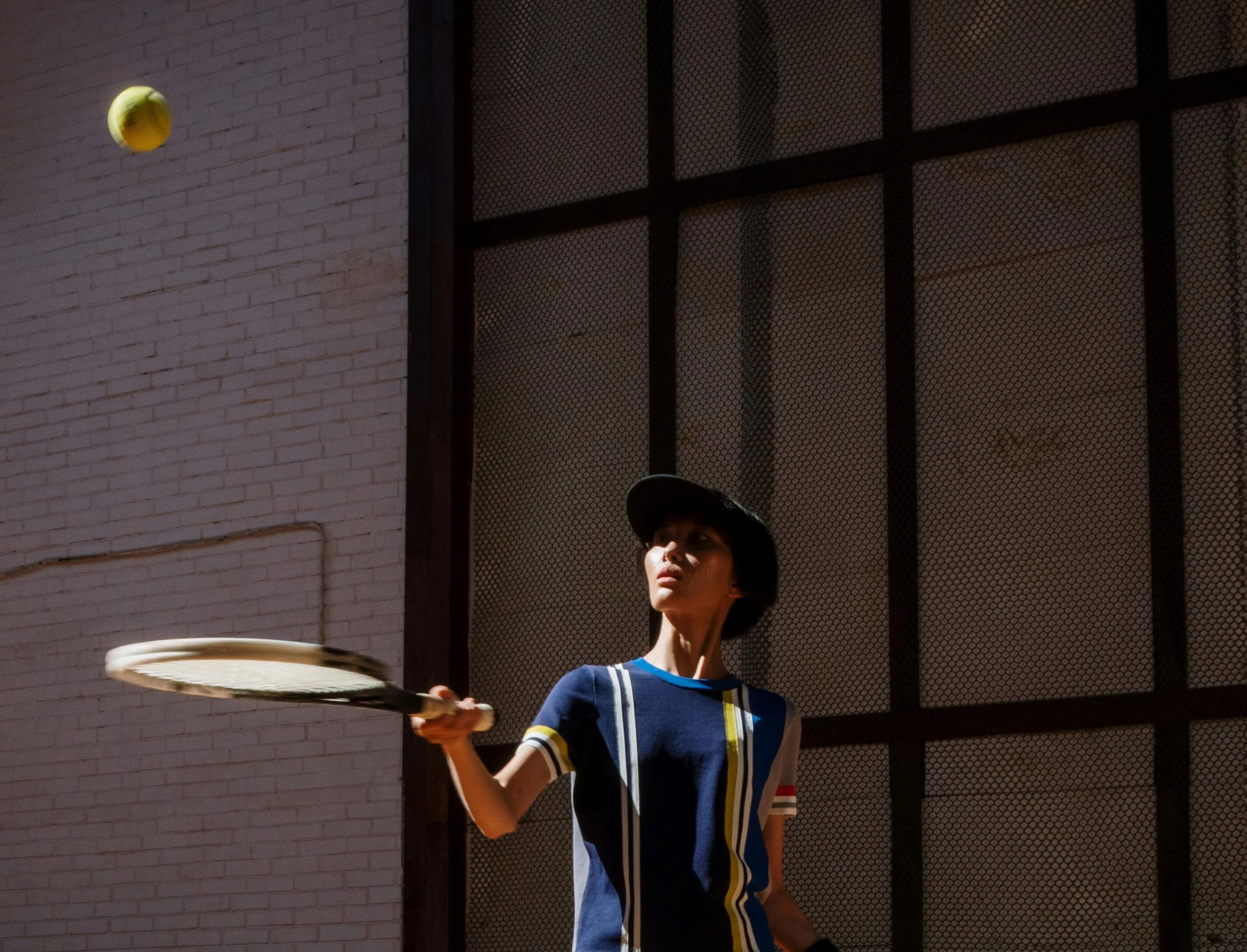
Person bouncing a tennis ball off of a racquet

There are a few notable differences between each sport when it comes to the design of equipment and gear, specifically for the racquet or paddles, balls, and nets.

Tennis

When playing tennis, players use a tennis racquet, which is strung, providing more power and spin capabilities for ball bounces, and can be up to 29 inches long. The tennis ball is heavier than a pickleball and made of felt-covered rubber, pressurized to bounce effectively on the court and contributing to a different style and pace of play than pickleball.

Pickleball

Pickleball uses a solid paddle, often made of wood, composite, or graphite. It is smaller than a tennis racquet but larger than a ping-pong paddle. The plastic ball is similar to a Wiffle ball, with holes that affect its bounce and movement. It is lighter than a tennis ball.

Court Size and Surfaces
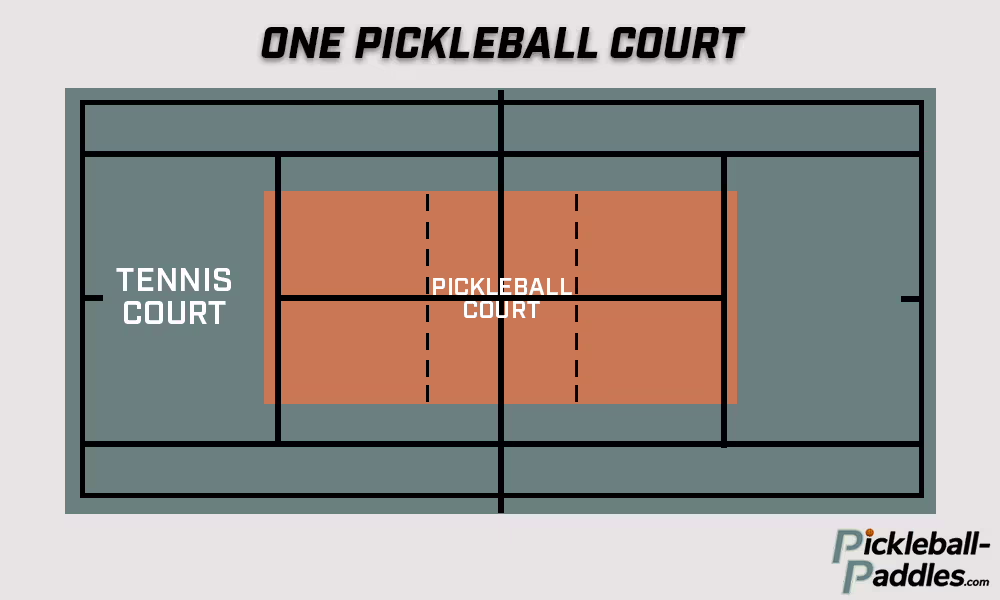
Img credit: Pickleball-Paddles.com

If you’re building a backyard court or are curious about properly sized courts you’ll be playing on, here is a breakdown of court dimensions and surfaces for pickleball vs. tennis.

Tennis

A standard tennis court is about 78 feet in length and 27 feet wide for singles matches, extending to 36 feet wide for doubles. The net is placed at a height of 3.5 feet at the post and 3 feet in the center. Tennis courts can be made of grass, clay, or other hard surfaces, each surface impacting the tennis ball’s speed and bounce.

Pickleball

A pickleball court is smaller than a tennis court, about the size of a badminton court. A pickleball court measures 44 feet in length and 20 feet in width. The pickleball net’s height is 34 inches at the center. Pickleball courts can be many different surface types, including acrylic, concrete, and specialty rubber/plastic courts, providing a hard, even surface.


Rules and Scoring

Both sports have unique rules and scoring systems, which impacts each sport’s pace and strategy.

Tennis

Tennis games require a more complex scoring system than pickleball (love, 15, 30, 40, and game). A match is typically played in best-of-three or best-of-five sets, with each set requiring a player to win at least six games with a margin of two games.

In addition to the scoring system, rules are also different. When playing tennis, the person serving stands behind the baseline, serving overhand and diagonally into the opponent’s service box. The serving team gets two serves to start a point. If both serves fail, it’s a double fault, and the opposing player wins the point.

Pickleball

Pickleball utilizes a straightforward point system. The first team or player to reach 11 points with a lead of at least two points wins the game. Only the serving side of the court can score points, and matches are often played best out of three pickleball games.

Additionally, serving is exclusively played underhand to the other side of the net, and it must clear the non-volley zone, meaning the bounce rule is that it cannot land in the kitchen and must hit the diagonal service box. Players get only one pickleball serve attempt, and double faults don’t exist.

Furthermore, one of the most distinctive aspects of pickleball is the non-volley zone, or “the kitchen.” This area extends seven feet from the net on both sides, and players cannot volley (hit the ball in the air) from within this zone. This rule creates a unique dynamic not found in tennis, where players can volley from anywhere on the court. The strategy in pickleball often involves ‘dinking’—a soft, controlled shot that lands in the opponent’s non-volley zone, contrasting with the more aggressive volleys in tennis.

Learn more about pickleball basics like scoring, etiquette, and winning strategies.


Playing Techniques and Strategies

Both sports require tactical thinking, but the style of play and physical demands are distinct.

Tennis

Tennis is known for its powerful serves, volleys, and groundstrokes, emphasizing speed, power, and athleticism. Players often use spin, slice, and topspin to maneuver their opponents and win points.

Pickleball

Due to the smaller court and equipment differences, pickleball generally has a slower pace than tennis. The game relies heavily on strategy, placement, and patience over power, particularly in doubles play.


Physical Demands and Fitness Benefits

This is also a key differentiator, which impacts the target demographics for each sport, as we’ll discuss later.

Tennis

Tennis requires more running and agility, making it physically demanding but also rewarding for those seeking a more intense workout.

Pickleball

Pickleball’s smaller court and underhand serving make it more accessible, especially for those with limited mobility or those new to racket sports.

Social and Community Aspects

Both pickleball and tennis offer excellent opportunities for socializing, but one is more community and recreationally driven than the other.

Tennis

Tennis has a longstanding history and international acclaim, often making it a more competitive sport to participate in.

Pickleball

Pickleball has a reputation for being particularly community-oriented. Its smaller courts and the social nature of doubles play make it easy to chat and interact with others, emphasizing its accessibility and fun.


Popularity and Demographics

Tennis

Youth, ages 6 – 17, and young adults, ages 18 – 34, have been the primary demographic for the sport when it comes to competition and tournaments. However, it remains popular among adults, ages 35 – 54, who enjoy playing recreationally or even competitively. Seniors are less active in tennis.

Pickleball

With its low barrier to entry for beginners, this sport became very popular among older adults and seniors, with a significant portion of players being retirees. They enjoy the social and low-impact nature of the game so they can maintain an active lifestyle with less physical strain.

That being said, it has increasingly become more popular among adults, ages 35 – 54, and youth, ages 18 – 34, for light exercise and a fun recreational activity.

While dominated slightly by males, efforts to promote the sport among women have increased their participation in the game.


Conclusion

Tennis and pickleball are both uniquely exciting sports, each offering different opportunities to showcase strategy and athleticism. Understanding the biggest differences between pickleball vs tennis is helpful, whether you’re a seasoned player in one sport considering the other, or a newcomer deciding which to try. Each offers its own unique challenges and joys, and both can be incredibly rewarding. We hope this comparison has been helpful and will inspire you to go to the court to see which sport is the best for you. And who knows, maybe it’s both!

Legendary Sports Construction specializes in building both pickleball and tennis courts, understanding the nuances that make each sport special. Whether you’re looking to build a court for the strategic, social game of pickleball or the fast-paced, athletic game of tennis, we have the expertise to create the perfect court for you.

Curious about how a pickleball or tennis court could enhance your home or community space? Considering the pickleball vs tennis debate for your next sports construction project? Contact Us for a free quote and let’s discuss how we can bring your sports construction dreams to life.


Sign up for our Newsletter

Designing Your Own Pickleball Court: Expert Tips & Tricks

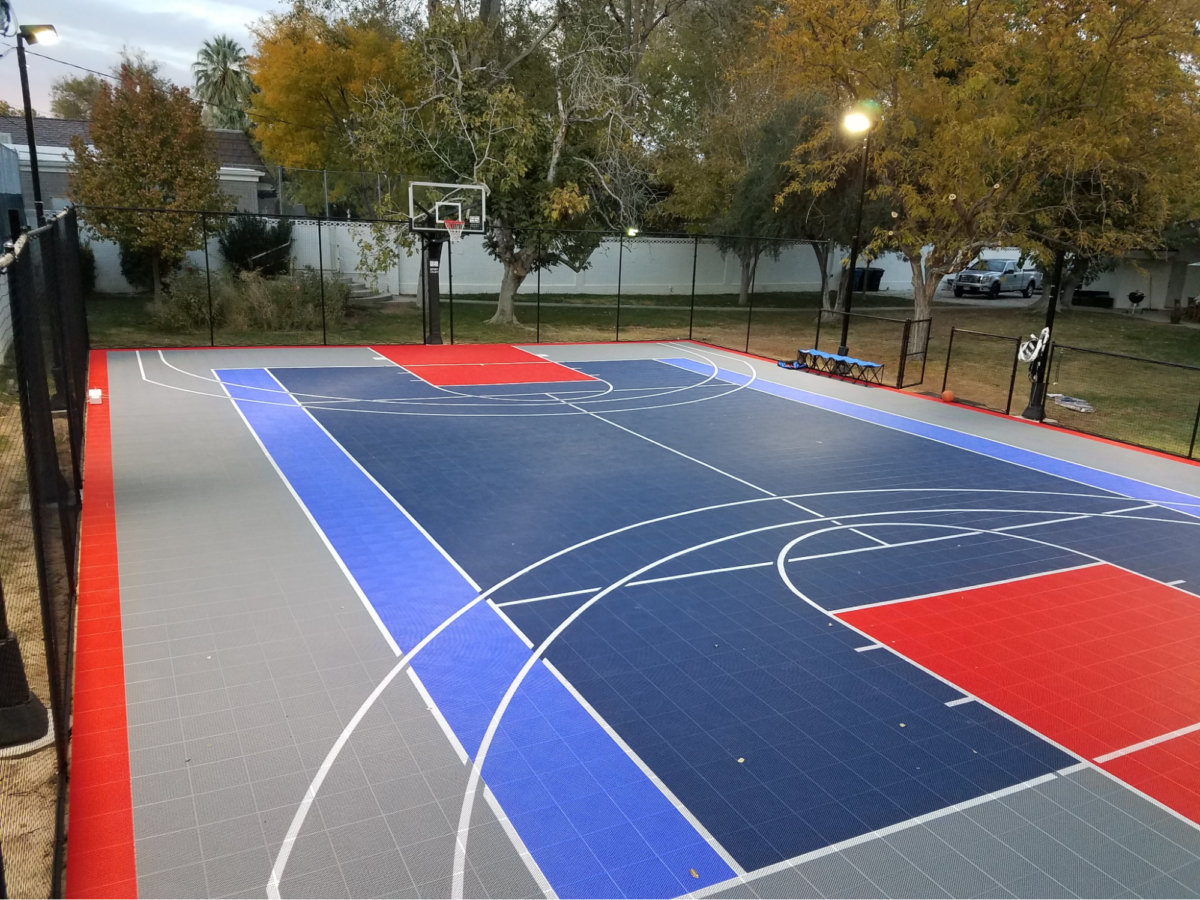
Pickleball court in Las Vegas, Nevada

Designing Your Own Pickleball Court: Expert Tips & Tricks

Imagine stepping out into your backyard and being greeted by your very own pickleball court, a place where fun, exercise, and friendly competition come together. Designing a pickleball court might seem daunting, but with the right guidance, it can be an exciting and fulfilling project. Here are some expert tips and tricks to help you create the pickleball court of your dreams.

Understanding the Basics 

Before diving into design specifics, it’s important to understand the basic requirements of a pickleball court. A standard court is 20 feet wide by 44 feet long, including lines for the non-volley zone, also known as the kitchen. You’ll need a flat, open space slightly larger than these dimensions to accommodate the court and a surrounding safety zone.

Choosing the Right Surface

The surface of your pickleball court plays a significant role in the game. You want a surface that provides good traction, is easy on the joints, and has minimal maintenance needs. Concrete and asphalt are popular choices, but there are also advanced synthetic surfaces available. 

These can offer enhanced durability and reduced stress on the body. Remember, the surface you choose will affect the ball’s bounce and your overall playing experience.

Customization is Key

Your pickleball court should reflect your personal style and needs. Are you looking for a court that stands out with vibrant colors, or do you prefer a more traditional look? Customization doesn’t stop at aesthetics. Consider adding features like adjustable lighting for night play, fencing to keep balls within bounds, and even seating areas for spectators.

Location, Location, Location

The placement of your pickleball court is crucial. You need to consider factors like sun direction, wind patterns, and proximity to your home or other structures. Ideally, the court should be oriented north-south to minimize sun glare. Also, think about the noise factor and ensure your court is positioned in a way that minimally impacts your neighbors and your own living spaces.

Drainage and Landscaping

Proper drainage is a must. It will maintain the quality and longevity of your pickleball court. Ensure that your court design includes an effective drainage system to avoid water accumulation. Additionally, incorporating landscaping around your court not only enhances its appearance but can also serve practical purposes, like acting as a natural windbreaker.

Quality Equipment Matters

Invest in high-quality nets, posts, and other equipment. Durable, weather-resistant materials will ensure your pickleball court remains in top condition for years to come. Don’t forget about storage solutions for your equipment to keep your court area tidy and organized.

Maintenance and Upkeep

Regular maintenance is key to preserving your court’s condition. This includes surface cleaning, checking for cracks, and ensuring nets and posts are secure. Depending on the material you choose, some courts may require more maintenance than others.

Safety First

Safety should always be a priority in your design. Ensure that the court’s surroundings are free from hazards and that there is sufficient space around the court boundaries. Non-slip surfaces and adequate lighting are also important for preventing accidents, especially if you plan to use the court in the evening.

Consult the Experts at Legendary Sport Construction

While these tips provide a great starting point, there’s no substitute for professional advice. Legendary Sports Construction has years of experience in building high-quality sports facilities, including pickleball courts. Our experts can guide you through every step of the process, from initial design to final construction, ensuring that your pickleball court is not just a dream, but a reality.

Now that you’re equipped with these tips and tricks, designing your dream pickleball court doesn’t have to be just a vision. It’s a project that can bring immense joy and a unique touch to your home. Ready to take the next step? Contact Us at Legendary Sports Construction for a free quote and let’s bring your dream pickleball court to life.

5 Creative Ideas to Customize Your Backyard Court

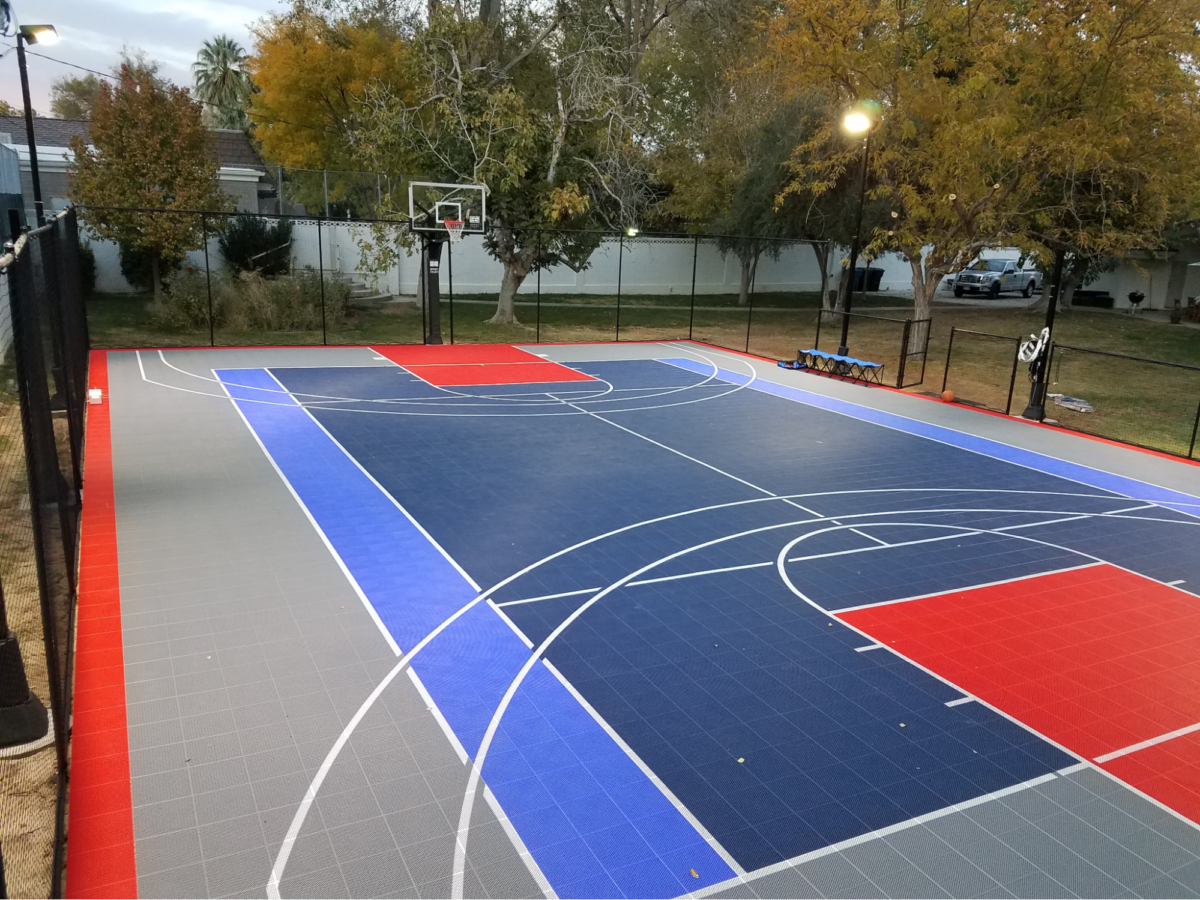
Customized backyard court in Henderson, NV

5 Creative Ideas to Customize Your Backyard Court

Are you dreaming of transforming your backyard into a dynamic and vibrant sports arena? Whether you’re a seasoned athlete or just looking for a fun way to spend time with your family, a personalized backyard court can be the perfect addition to your home. Let’s dive into five creative ideas to customize your backyard court, ensuring it’s not just a sports facility but a reflection of your personality and style.

  1. Multigame Courts for Endless Fun

Why settle for one game when you can have multiple? Multigame backyard courts are a fantastic way to maximize your space and offer endless entertainment options. Imagine seamlessly switching between basketball, tennis, volleyball, and more, all within the comfort of your backyard. 

Multigame courts are designed with versatility in mind, featuring adjustable net systems and line markings for various sports. This flexibility ensures that your backyard court remains a hub of activity for every member of your family, regardless of their preferred sport.

  1. Custom Color Schemes to Match Your Style

Your backyard court doesn’t have to be a standard, one-color affair. With Legendary Sports Construction, you can customize the color scheme to match your personal style or even to reflect your favorite team’s colors. From vibrant hues that stand out to classic tones that blend with your home’s exterior, the color possibilities are endless. 

A custom color scheme not only adds a personal touch but also enhances the visual appeal of your entire backyard.

  1. Advanced Surfacing for Safety and Performance

The surface of your backyard court is crucial for both safety and performance. Opt for high-quality, durable surfacing materials that provide excellent traction and shock absorption. This not only reduces the risk of injuries but also enhances the playing experience. 

Advanced surfacing options like cushioned acrylic or modular tiles can be tailored to suit your specific sporting needs, whether it’s a bounce-true surface for basketball or a softer one for activities like yoga and aerobics.

  1. Lighting Solutions for Day and Night Play

Don’t let the sunset limit your playtime. With custom lighting solutions, your backyard court can be a 24/7 sports destination. Strategic lighting not only extends your playing hours but also adds an element of safety, ensuring clear visibility during evening matches. 

Choose from a variety of lighting options, from energy-efficient LED systems to adjustable lights that can be tailored to different sports and activities.

  1. Personalized Accessories for a Unique Touch

Add a personal flair to your backyard court with customized accessories. Think beyond the basic hoops and nets – consider adding a personalized scoreboard, custom-made seating areas, or even a sound system for playing your favorite tunes while you play. 

These additions not only enhance the functionality of your backyard court but also make it a more enjoyable and inviting space for gatherings and events.

Customize Your Backyard Court With Legendary Sports Construction

Your backyard court is more than just a play area; it’s a personal sanctuary where memories are made and skills are honed. At Legendary Sports Construction, we’re dedicated to bringing your vision to life with our expertise and customization options. Ready to create your dream backyard court? 

Contact Us today to learn more and get a free quote. Let’s turn your backyard into a legendary sporting arena!

Benefits of Customizing Your Backyard Sports and Games Court

Customizing your backyard court goes far beyond aesthetics—it’s about creating a personalized, functional space that boosts everyday living. Here’s how a custom court from Legendary Sports Construction can add value to your home and lifestyle:

  • Encourages family bonding – A shared space for sports fosters healthy activities with loved ones.
  • Increases property value – A custom-built court enhances curb appeal and marketability.
  • Supports a healthy lifestyle – Provides quick access to exercise without leaving home.
  • Saves time and money – No need for gym memberships, court rentals, or commuting.
  • Versatile recreation – Customize your setup for solo practice, family play, or social events.

Comparison Table: Court Customization Options

FeaturePurposeIdeal ForCustomization LevelExample Add-ons
Multigame LayoutPlays multiple sportsActive families, guestsHighBasketball + Pickleball
Custom ColorsMatch style or team spiritStyle-conscious homeownersMediumTeam logos, color courts
Advanced SurfacingSafety & performanceAthletes, kids, all agesHighShock-absorbing tiles
Lighting IntegrationDay/night usabilityLate-night athletesMediumLED court lights
Personalized ExtrasGame-day enhancementEntertainers, sports fansHighBenches, scoreboards, audio

Tips for Enhancing Court Longevity

To get the most out of your investment, consider these long-term maintenance tips:

  1. Sweep regularly – Keep surfaces clean to prolong material life.
  2. Inspect for wear – Spot-check tiles, seams, and equipment monthly.
  3. Reseal surfaces if needed – Especially for acrylic and asphalt-based courts.
  4. Check lighting fixtures – Ensure safe nighttime play and energy efficiency.
  5. Store equipment smartly – Use weather-proof benches or lockers for balls, paddles, etc.

Frequently Asked Questions

1. How do you turn your backyard into a basketball court?

Level the ground, install a solid surface like concrete or asphalt, add a basketball hoop, paint court lines, and include lighting for nighttime play.

2. Can you create your own court?

Yes, you can build your own basketball court by planning the layout, choosing materials that fit your budget, and following proper installation steps.

3. What is the best surface for a backyard basketball court?

Concrete is the most popular choice for its durability and consistent bounce, while modular sports tiles offer better shock absorption and easy maintenance.

4. What is the cheapest way to make a basketball court?

Using compacted gravel or asphalt instead of concrete, and installing a portable hoop instead of an in-ground system, helps reduce costs.

5. What is the cheapest material for an outdoor basketball court?

Asphalt is typically the most affordable surface option for outdoor courts, offering good performance and long-lasting durability at a lower cost.

4 Steps to Transform Your Backyard Into a Sports Haven

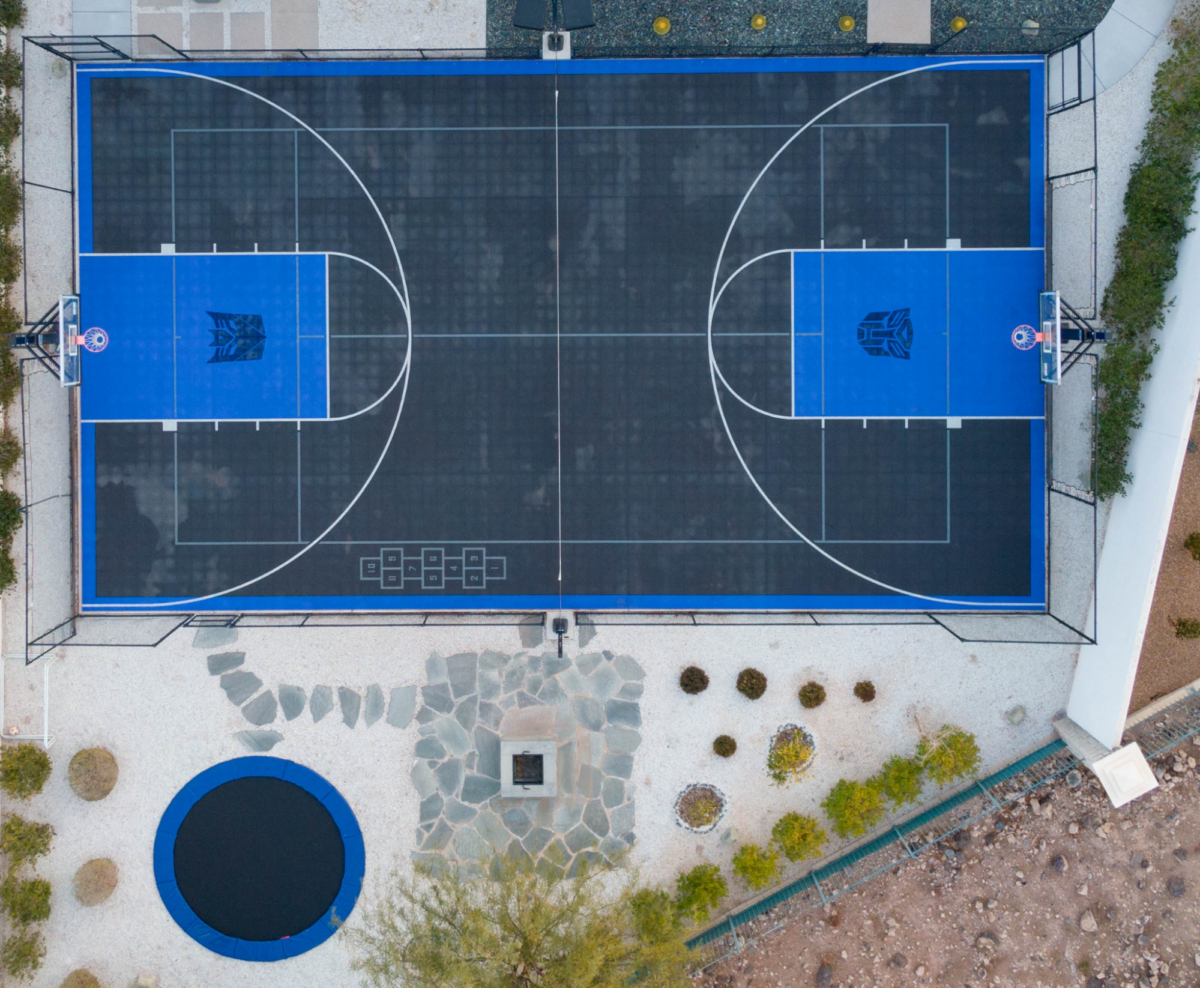
Backyard sports court in Las Vegas, NV

4 Steps to Transform Your Backyard Into a Sports Haven

Creating the ultimate backyard sports haven is a dream for many homeowners and sports enthusiasts. By transforming your outdoor space into a multifunctional sports area, you can enjoy endless hours of fun, fitness, and family time right at home. Here’s a step-by-step guide to help you turn your backyard into a legendary sports paradise, presented by Legendary Sports Construction, your go-to experts in sports construction.

Step 1: Assess Your Space and Needs

The first step in creating your backyard sports haven is to assess the available space and determine your needs. Consider the size of your backyard and the types of sports you and your family enjoy. Do you need a basketball court, a pickleball court, or a multi-sport area

Understanding your space limitations and sports preferences will help you make informed decisions about the layout and design of your sports haven.

Step 2: Choose the Right Surface

Selecting the appropriate surface is crucial for backyard sports. The right surface not only enhances performance but also ensures safety and durability. For instance, if you’re interested in basketball, consider a high-quality, shock-absorbent surface that provides good traction and ball bounce. For multi-sport areas, synthetic turf might be the best choice, offering a versatile and low-maintenance option. 

Legendary Sports Construction offers a range of surfaces tailored to different sports, ensuring that your backyard meets both your performance and aesthetic needs.

Step 3: Install Quality Equipment

Investing in quality sports equipment is essential to create a professional-grade backyard sports haven. The choice of durable hoops, nets, goals, and other equipment is a crucial step in this transformation. High-quality equipment not only enhances the gameplay experience but also ensures the safety and well-being of players. It’s important to select gear that can withstand various weather conditions and provide a consistent performance over time.

When choosing equipment, consider options made from weather-resistant materials. These materials are designed to endure elements like sun, rain, and wind, ensuring your sports setup remains in top condition year-round. Additionally, adjustable features are a must-have, especially in family-friendly sports areas. Equipment that can be adapted for different ages and skill levels means everyone from children to adults can enjoy the space comfortably and safely. For instance, adjustable basketball hoops allow for height modifications to suit both young children learning the game and older players seeking a more challenging experience.

Furthermore, the quality of your equipment plays a significant role in the overall appeal and longevity of your backyard sports area. High-quality, well-maintained equipment can dramatically increase the enjoyment of the space, encouraging more frequent use and physical activity. It also means less frequent replacements and repairs, making it a wise long-term investment for any sports enthusiast.

Step 4: Add Personal Touches and Amenities

Finally, personalize your sports haven with amenities that enhance the overall experience. Consider adding seating areas for spectators, lighting for night play, and storage solutions for equipment. Landscaping can also play a vital role in creating an inviting and functional sports area. 

Think about integrating your sports space with the rest of your backyard, creating a seamless and aesthetically pleasing environment.

Make it Happen With Legendary Sports Construction

Transforming your outdoor space into a backyard sports haven can be exciting in many ways. By following these four steps—assessing your space and needs, choosing the right surface, installing quality equipment, and adding personal touches—you can create a dynamic and enjoyable sports area that will be the envy of the neighborhood. Whether it’s for training, leisure, or family activities, your backyard can become a versatile and engaging sports destination.

Ready to start your backyard sports transformation? Visit Legendary Sports Construction to get a quote and learn more about how we can help you build the sports haven of your dreams. Our expertise and high-quality construction materials ensure that your outdoor space will not only meet but exceed your expectations. Let’s turn your backyard into a legendary sports haven today!

Why Build a Sports Court in Your Backyard?

There’s nothing quite like stepping out your backdoor into your very own sports court—especially when you’re committed to enjoying an active lifestyle. A custom backyard sports court allows you to:

  • Promote Healthy Family Activities: Encourage exercise and play without leaving home.
  • Elevate Property Value: A well-designed court adds functionality and aesthetic appeal to your outdoor space.
  • Foster Skill Development: Perfect for young athletes honing their abilities in a safe environment.
  • Create a Social Hub: Whether it’s casual games or weekend tournaments, your home becomes a gathering place.

Backyard courts aren’t just for elite athletes—they are multi-use investments for families, fitness lovers, and entertainers alike.

Comparison Table: Popular Backyard Sports Surface Options

Surface TypeBest ForMaintenance LevelDurabilityKey Benefit
Acrylic SurfaceBasketball, tennisLowHighSmooth, responsive play
Modular TileMulti-game courtsVery lowVery highShock-absorbing, versatile
Synthetic TurfSoccer, baseballLowMedium-HighRealistic turf feel
ConcretePermanent courtsMediumVery highDurability & longevity

Choosing the right surface lays the foundation for performance and safety, so working with a trusted sports contractor like Legendary is crucial.

Creative Ideas to Customize Your Sports and Game Court

One of the most exciting parts of building a court is infusing it with personality and functionality. Consider the following:

  • Multi-Game Court Markings: Combine pickleball, basketball, and volleyball lines for a multi-use space.
  • Court Colors and Logos: Showcase your family name, team colors, or custom graphics.
  • Built-in Seating or Benches: Make room for spectators or cooldown sessions.
  • Game-Ready Lighting: Extend game time well into the evening with weatherproof LEDs.
  • Sound System Integration: Keep energy high with your favorite game-day playlists.

Pro Tips: Enhancing Your Sports and Game Court for Family Use

  • Install adjustable hoops or nets – Perfect for players of all ages.
  • Use cushioned surface materials – Reduces impact and injury risk.
  • Add shaded rest areas – Make the space comfortable during warm weather.

Incorporate ball rebounders or pitchback nets – Great for solo practice.

With Legendary Sports Construction, these additions can be integrated seamlessly to reflect your style and maximize the use of your space.

Backyard Sports Haven FAQs

1. How do you turn your backyard into a basketball court?

To turn your backyard into a basketball court, level the ground, choose a durable surface, install a hoop, mark court lines, and add proper drainage and lighting if needed.

2. How to construct a basketball court?

Start by measuring your space, laying a solid concrete or asphalt base, applying a sports surface coating, painting court lines, and installing the hoop and accessories.

3. How to light a backyard basketball court?

Use LED floodlights or pole-mounted lights placed evenly around the court for balanced illumination and minimal glare during night play.

4. What are the requirements for a basketball court?

A full-size court measures 94×50 feet, but backyard courts can be smaller. You’ll need a solid surface, a hoop, boundary lines, and safe, even lighting.

5. What is the best surface for a backyard basketball court?

The best surfaces are concrete, asphalt, or modular sports tiles—each offering durability, traction, and consistent ball bounce for outdoor play.

GET A QUOTE

Please Provide Your Contact Information and Project Details