How Long Does It Take to Build a Sport Court?

How long does it take to build a sport court? For a typical backyard court in Las Vegas or Phoenix, the honest answer has two parts. The construction work itself usually spans a few weeks. The full journey from first phone call to first game usually spans a few months, and most of that time is not spent building anything.

Owners who only hear the first number get frustrated. Owners who understand the whole sequence plan around it and are rarely surprised. This is the whole sequence, phase by phase, with the honest reasons each one takes the time it takes.

Phase one: design, site review and agreement

The first stretch is conversation and measurement. A serious builder walks the site, checks access for equipment, looks at slope and drainage, asks what sports the court needs to play, and turns that into a layout and a written scope. On a straightforward lot this can move quickly. On a tight lot, a sloped lot, or a lot where the court has to share space with a pool and landscaping, expect more back and forth before the drawing is right.

Rushing this phase is how projects go wrong later. The decisions made here determine the excavation, the slab and the drainage plan, and those are exactly the elements that cannot be cheaply revised once built. The thinking behind those choices is covered in our guide to installing a backyard court.

Phase two: permits and HOA approval

This is the phase owners underestimate most, and it is the one with the widest range. Jurisdiction review times in the valley vary with workload, and a submittal that needs corrections resets part of the clock. If your community has an architectural review committee, its meeting calendar adds its own cycle, and HOA approval and the permit are separate tracks that both have to clear. What each track involves is laid out in our article on court permits and HOA approval in Clark County.

The practical advice: start this phase before you emotionally commit to a play date. Nothing about the construction schedule matters until the paperwork clears, and no reputable contractor will break ground without it.

Phase three: excavation, grading and base

Once crews mobilize, the site work begins. The existing surface comes out, the pad is cut to grade, and the base is placed and compacted in lifts. On a clean, accessible site this measures in days. Limited access, rock, buried surprises, or soil that needs correction all extend it.

Southern Nevada adds its own variable here. Parts of the valley sit on expansive or poorly consolidated soils that demand extra preparation or a different slab design, which is why soil is a schedule question and not just an engineering one. The background is in our pieces on base construction and subgrade and expansive soil and post tension slabs.

Phase four: the slab, and the wait nobody can skip

The concrete pour is a short, intense day. What follows is the least negotiable stretch of the entire project: concrete cures on its own schedule. Industry practice treats roughly twenty eight days as the standard curing period before an acrylic sport surface should go down, because coating a slab that is still releasing moisture is how surfaces blister and peel later.

Owners regularly ask whether this can be compressed. A builder who says yes is volunteering your court for the failure cases described in why sport courts crack. The cure window is not padding in the schedule. It is the schedule.

Phase five: surfacing, lines and finish

The acrylic system goes on in multiple coats, each of which must dry before the next. Color coats, texture and line striping follow. This phase is weather dependent in both directions: coatings have minimum temperature requirements that limit winter work days, and desert summer surface temperatures can push application into early morning windows or off the calendar entirely. The background on what desert heat does to surfaces and work windows is in how Arizona heat impacts court performance.

Fencing, netting, hoops, lighting and shade go in around this phase. Each accessory is quick on its own, but lighting that needs electrical work or structures that need their own inspection add coordination time.

What actually delays court projects

Permit corrections. A submittal that bounces adds weeks. Complete drawings the first time are the cheapest schedule insurance there is.

Weather. Monsoon days stop surfacing in Phoenix. Summer surface heat shortens work windows in both markets. Winter cold snaps pause coating work. Builders plan around all of this, but planning around it is time.

Site surprises. Unmarked irrigation, old footings, rock and bad soil are found by excavators, not by estimators. Good site review reduces the odds without eliminating them.

Decision changes. A color change before surfacing costs nothing. A layout change after the pour costs a redesign. Locking decisions early keeps the schedule honest.

The builder’s backlog. A quality court crew has a queue. If you want to play in a specific season, the reservation matters more than the build duration, and a phased approach can sometimes get the slab in early while accessories follow. We describe that option in phased backyard court construction.

The small waits between phases add up too

The phases above are the ones owners see. Between them sit a set of short, mandatory pauses that rarely make it into anyone’s mental schedule, and together they explain why a project with three weeks of visible work occupies more calendar than that.

Utility locates come first. Before any excavation, the underground utilities on the property get marked, and that request has its own statutory waiting period measured in business days. It is short, it is non-negotiable, and it has saved more projects than any other phone call in construction.

Inspections come next. A permitted court is inspected at defined milestones, and each inspection is an appointment with the jurisdiction’s calendar, not yours. A passed inspection costs a day of waiting. A failed one costs the correction plus a re-inspection. Experienced builders pass these routinely, but the appointments themselves are still calendar entries between phases.

Then there are the material rhythms. Each acrylic coat must dry before the next goes on, and a day of wind or an unexpected shower resets that day. Fencing posts set in concrete need their own short cure before the fabric goes up. None of these waits is long. All of them are real, and a schedule that shows only the work days without them is the kind of schedule that disappoints.

The honest way to read any proposed timeline is to ask the builder which days are work and which days are waiting, and to be suspicious of a calendar that shows no waiting at all.

How to plan backwards from the day you want to play

Take the season you want to be playing in and walk backwards: surfacing needs a suitable weather window, the slab needs its cure before that, site work comes before the pour, and the permit and HOA cycle comes before anything. In practice, owners who want a court for a given season are best served starting the process at least a season ahead, and earlier if an architectural committee is involved.

If you want real dates instead of principles, that starts with a site visit and a scope. You can request a project quote and we will map your specific project, including the permit path for your jurisdiction, onto a calendar. Browse our new court construction services to see what the finished work looks like.

Frequently asked questions

How long does it take to build a sport court?

The construction work on a typical backyard court usually spans a few weeks of active effort, but the full process commonly runs a few months once design, permits, HOA approval, the concrete curing period and weather windows are counted. The paperwork and curing phases, not the labor, set the floor on the calendar.

Why does the concrete have to cure before surfacing?

New concrete releases moisture as it gains strength, and acrylic coatings applied over a slab that is still curing can blister, bubble or peel. Industry practice treats roughly twenty eight days as the standard wait before surfacing, and skipping it trades a few weeks now for surface failures later.

What is the slowest part of a court project?

Usually the parts with no crew on site: permit review, HOA architectural approval and the concrete cure. Construction phases are predictable by comparison. Starting the approval process early is the single most effective way to shorten the total calendar.

Can a court be built in the summer in Las Vegas or Phoenix?

Site work and concrete can proceed with heat precautions, but acrylic surfacing is constrained by surface temperature and, in Phoenix, by monsoon moisture. Summer projects often sequence the slab during the hot months so surfacing lands in a better window shortly after.

Does a multi-sport layout take longer to build than a single-sport court?

Not meaningfully. The pad, base and slab work are similar for comparable sizes. The additional time is in design and striping detail, which is measured in days rather than weeks, and the flexibility usually repays it.

Ready to put your project on a real calendar? Call Nevada at (702) 883-8386 or Arizona at (480) 878-2292, or request a project quote.
Planning an HOA Community Sport Court: A Board Member’s Guide

HOA community sport court planning starts long before anyone talks to a builder, and how a board handles that early stretch decides whether the amenity becomes the most used feature in the community or the most argued about. Community pickleball and multi-sport courts are among the most requested amenities in Nevada and Arizona master plans right now, and boards feel that demand at every annual meeting.

We build these courts for communities across both valleys. This is the planning sequence that separates smooth amenity projects from the ones that stall in committee, drawn from what actually happens between a resident survey and a ribbon cutting.

Start with demand, in writing

The projects that survive board turnover are the ones that began with documented demand. Survey the residents before designing anything: which sports, what times of day, how many current players versus interested learners. Pickleball demand in particular tends to surprise boards on the high side, and it skews toward daytime hours, which matters later for lighting and noise decisions.

The survey does double duty. It sizes the amenity honestly, and it becomes the board’s answer when a vocal minority later questions why the project exists. A multi-sport layout frequently emerges as the compromise that serves the most households per square foot of common area, and the options are covered in our multi-game court page.

Siting is where community courts are won or lost

A backyard court has one neighbor to think about. A community court has dozens, and the siting decision touches every one of them.

Noise comes first, because pickleball’s sound signature is the most common source of amenity complaints nationwide. Distance from the nearest homes, orientation, barriers and surface choices all move the outcome, and the full playbook is in pickleball noise mitigation. Boards that engage the nearest homeowners during siting, rather than after complaints, consistently have the easier project.

The rest of the siting checklist is physical. Setbacks and recorded easements constrain where the pad can legally sit, as described in court setback requirements, easements and property lines. Drainage has to be solved for the court and for everything downhill of it, since a common-area pad that sheds storm water onto a neighbor’s lot creates exactly the dispute the amenity was supposed to prevent. Parking, pedestrian routes and restroom proximity shape how the amenity actually gets used. And if evening play is on the table, lighting needs to respect both the neighbors and local ordinances, which we cover in sport court lighting and glare shielding ordinances.

Accessibility is a requirement, not a feature

A court built as a community amenity is a public accommodation in spirit and often in obligation, and accessible routes, gates and clearances belong in the design from the first drawing. Retrofitting accessibility after a build costs multiples of designing it in. The specifics are laid out in ADA requirements for sports courts, and a board should expect its builder to raise this subject before being asked.

Budgeting and the reserve conversation

Community courts are funded through reserves, special assessments or a capital improvement line, and every community’s governing documents set their own thresholds for board authority versus a member vote. Management companies and reserve study professionals own that math, so involve them early rather than after a design exists.

What a builder owes the board is scope clarity: a written specification covering base, slab, surfacing system, fencing, lighting and accessibility, so that competing bids describe the same court. Boards comparing bids that omit the base specification or the surfacing system are comparing prices of different products, and the cheaper number usually describes the smaller scope. The questions that expose those gaps are the same ones in our contractor selection material, and the long-term cost logic is the familiar one: the corner cut during construction is repurchased later at a multiple, by the association rather than a single homeowner.

Plan the maintenance line at the same time as the construction line. A community court sees more hours of play in a month than most backyard courts see in a year, and a funded maintenance cadence with scheduled inspections, cleaning and resurfacing cycles is what keeps the amenity from aging into a liability item.

Process differences boards should expect

A community project runs more formally than a residential one. Expect a defined bid process with a written scope, insurance certificates naming the association, and contractor license verification as standard diligence. Public-sector amenity projects run an even more formal version of this, and boards can borrow the structure from our guide to the school and municipal court procurement and bid process. Permitting sits with the jurisdiction as usual, and community common-area projects can carry extra review steps a backyard court never sees.

Communication is the other difference. Residents who watched the survey, saw the siting reasoning and knew the construction calendar treat fencing and closures as progress. Residents surprised by an excavator treat them as grievances. A one-page update at each milestone is cheap insurance.

The operating side: rules, hours and reservations

The build is half the amenity. The other half is the operating layer the board writes before opening day, because a community court without rules generates its rules through conflict.

Hours come first, and they should be written with the nearest homes in mind rather than the loudest players. Daytime-heavy hours defuse most noise objections on their own, and if the court is lit, the published hours and the lighting timer should agree with each other so the rule enforces itself.

Reservations are next. Open play works until demand exceeds capacity, and pickleball demand usually does. A simple reservation system, whether a sign-up board or the community’s existing app, converts court time from a source of arguments into a schedule. Pair it with clear guest policies, because the first governance dispute on most new courts is about who is allowed to bring whom.

Signage closes the loop: posted rules, hours, emergency contact information and any usage requirements, written plainly and mounted at the gate. It sets expectations for residents, gives management something enforceable, and documents that the association operated the amenity responsibly.

None of this needs to be invented from scratch. Communities that already operate pools have the template: hours, rules, guest policy, maintenance calendar, incident reporting. The court simply needs its own version, adopted before the ribbon is cut rather than after the first complaint.

Phasing for communities that want to grow into it

Demand uncertainty has a design answer: build the pad and first courts now, and rough-in the conduit, footings and space for lights, shade and additional courts later. Communities regularly start with pickleball and add as demand proves itself. The approach mirrors phased backyard court construction, scaled up to common-area planning.

If your board is exploring a court amenity, we can walk the site, sketch the siting options and give you the written scope that makes your bid process meaningful. Our community and facility work is described at commercial courts, and you can request a project quote to put your community’s project on paper.

Frequently asked questions

How should an HOA plan a community sport court?

In sequence: document resident demand with a survey, resolve siting for noise, setbacks, drainage and access, design accessibility in from the start, fund construction and maintenance together through the reserve process, and run a formal bid comparison on a written scope. Boards that follow that order avoid most amenity project conflict.

What is the biggest issue with community pickleball courts?

Noise near the closest homes. Distance, orientation, barriers and surface choices decide the outcome, and engaging the nearest residents during siting rather than after complaints is the difference between a popular amenity and a recurring agenda item.

Do HOA sport courts need to be ADA accessible?

Community amenities should be designed with accessible routes, gates and clearances from the first drawing. Obligations vary by community and project, but retrofitting access later costs far more than designing it in, and a qualified builder will raise accessibility before the board asks.

How do HOAs pay for a community court?

Typically through reserves, a capital improvement budget or a special assessment, with authority thresholds set by the community’s governing documents. The reserve study professional and management company should be in the conversation before design, and the maintenance line should be funded alongside construction.

Can a community start small and add courts later?

Yes, and it is often the right call under demand uncertainty. Building the initial courts while roughing in conduit, footings and space for future lighting, shade and additional courts keeps the later phases affordable and avoids rebuilding what was already paid for.

Board weighing a court amenity? Call Nevada at (702) 883-8386 or Arizona at (480) 878-2292, or request a project quote.
Drainage and Grading for a Backyard Court: The Failure Nobody Plans For

Most people planning a backyard court spend their energy on color choice, hoop height, and where the fence line lands. Almost nobody asks where the water goes. That question decides whether the slab is still flat in year fifteen.

We have built courts across Southern Nevada and the Phoenix valley for a long time, and a number of the earliest ones are still in service after thirty years. Those did not survive because of better acrylic. They survived because the pad underneath them drained, and because the water that came off the court had somewhere to go that was not the subgrade.

Water is what actually destroys a court

Concrete does not fail on its own. It fails when the material supporting it moves. Water is the thing that makes soil move. It softens the subgrade, it carries fines out from under the base, and in expansive clay it makes the soil swell and then shrink again when it dries.

The sequence is boring and predictable. Water ponds at a low corner. The subgrade under that corner stays damp for days after the surface looks dry. The base loses bearing capacity in that one spot. The slab, which is rigid, does not sag gracefully. It cracks. Then the crack becomes the fastest path for the next rain to get underneath, and the problem accelerates. We wrote more about the mechanics of that in our piece on why sport courts crack, but the short version is that most cracking traces back to water and compaction, not to the surface system on top.

People in the desert assume this is not their problem. Las Vegas averages roughly four inches of rain a year. Phoenix is not much wetter. The trap is that the annual total is meaningless. What matters is the intensity of a single monsoon cell, and those routinely drop an inch in under an hour onto ground that is baked hard and briefly hydrophobic. Dry desert soil sheds water like a countertop for the first several minutes. Everything runs. Nothing soaks in evenly. Then it all arrives at the lowest point on your property at once.

Slope: how much, and which direction

An outdoor hard court is built with a deliberate, consistent plane of fall. Standard practice for outdoor concrete and asphalt courts is around one percent, which works out to roughly an inch of drop for every eight to ten feet of run. The American Sports Builders Association publishes tolerances for planarity and slope on hard courts, and any builder quoting your project should be able to tell you what number they are building to and how they will verify it.

Direction matters as much as amount. There are three common choices:

  • Side to side. Water crosses the short dimension and leaves at one sideline. Shortest travel distance, least sheet depth during a hard rain, generally the preferred option for tennis and multi-sport slabs.
  • End to end. Water runs the length of the court. Longer path, deeper sheet at the low baseline, more chance of a visible film during play.
  • Diagonal, corner to corner. Sometimes forced by site constraints. It works, but it produces the longest flow path and the most opportunity for a birdbath if the finish is not tight.

Flat is never a choice, even indoors on a covered pad, because a court that is truly dead level in one direction will always have low spots once the concrete cures and shrinks. A quarter inch of standing water is enough to lift acrylic over time and enough to make a player slip.

Where the water goes after it leaves the court

Getting water off the playing surface is the easy half. The half that gets skipped is the discharge plan. A court is a few thousand square feet of impermeable surface that did not exist on your lot before. All of that runoff has to end somewhere legal and stable.

The tools are not exotic. A perimeter swale, graded and stabilized, catches sheet flow and carries it around the court. A trench drain with a grate set flush at the low sideline handles concentrated flow where a swale will not fit, which is common on tight urban lots. Perforated pipe in washed rock, wrapped in filter fabric, intercepts subsurface water before it reaches the base. A dry well or infiltration basin gives volume somewhere to sit and percolate when there is no lawful surface outfall.

What you cannot do is send the new runoff onto the neighbor’s lot or into a shared drainage easement it was never sized for. That is both a legal exposure and a fast way to lose a permit inspection. Discharge points, easement locations and grading limits usually get reviewed together, which is why drainage and siting need to be solved at the same time as any court project in the Las Vegas valley gets laid out, not after the pad is staked.

The pad under the pad

Grading is not just the surface plane. It is everything under it.

Strip the organics. Topsoil, roots and old irrigation lines all decompose or settle, and they do it unevenly. Cut down to competent native material. In much of the valley that means finding, and sometimes breaking through, caliche.

Caliche deserves its own warning. It is a cemented carbonate layer, it can be inches thick or several feet thick, and it is close to impermeable. Water that gets down to caliche does not keep going. It perches, spreads laterally, and finds the softest thing above it. A court built directly over a caliche shelf with no drainage path is a court sitting on a bathtub. Sometimes the answer is to punch through it, sometimes it is to drain across the top of it, and knowing which requires actually looking at the excavation rather than assuming.

After the cut comes moisture conditioning and compaction. Desert soils are usually well below optimum moisture, and dry soil will not compact no matter how many passes the roller makes. It needs water added, mixed, and time to distribute. Then compaction in lifts, with density verified rather than assumed. A proof roll before the base goes down is cheap insurance: drive a loaded vehicle across the pad and watch for pumping or rutting. Anything that moves under a truck will move under a slab.

Then the aggregate base, placed in lifts, compacted, and graded to the same plane the finished surface will hold. The base is what carries the load. Skipping thickness or density here is one of the classic shortcuts we covered in cutting corners on a sport court, and it is invisible the day the job is finished.

Retrofit sites and the uphill problem

Hillside lots in Henderson, Summerlin and the north Scottsdale foothills create a specific failure we see repeatedly. The court gets cut into a slope. The cut face above the court now delivers every drop of hillside runoff straight at the upper sideline. Without an interceptor swale or a subsurface drain at the toe of the cut, that water runs across the playing surface during every storm and soaks the upslope edge of the base for days afterward.

The fix is not complicated when it is designed in: a lined interceptor swale above the cut, a drain line at the toe, and a discharge route around the court rather than across it. The fix is expensive and disruptive when it is added after the slab is poured and the fence is up.

The other retrofit trap is the existing pool deck. Pool decks are graded to move water away from the pool, and that direction is frequently straight toward the only flat area big enough for a court. Check where the existing deck drains before you commit to a court location.

What gets value-engineered out, and what it costs you later

When a project needs trimming, drainage details are usually first on the chopping block, because they are underground and nobody sees them. The items most often deleted are the perimeter drain, the filter fabric, the geotextile separation layer between subgrade and base, and the extra base thickness in the soft corner the soils report flagged.

Every one of those deletions is invisible at handoff and expensive at year seven. A separation fabric costs very little and stops fines from pumping up into the base under repeated wetting. Without it, the base slowly turns into contaminated material with no drainage capacity, and you get the same slab movement you were trying to prevent. Our rundown of common court construction mistakes covers several more of these.

If you are planning a new build, ask for the grading plan and the drainage detail in writing before you sign anything. A builder who has thought it through will hand it over without hesitation. You can see how we approach this on backyard court projects and on larger new court construction work.

Frequently asked questions

How much slope does a backyard sport court need?

Outdoor hard courts are typically built with about one percent of fall, roughly an inch of drop per eight to ten feet, in a single consistent plane. The exact number and direction depend on the sport, the site, and where the water can legally discharge. Your builder should state the target slope and the flatness tolerance in the scope of work.

Can a sport court drain into my existing yard drains?

Sometimes, but only if the existing system was sized for the added impervious area. A court adds thousands of square feet of runoff that the original yard drainage never accounted for. Undersized pipe backs up at the worst moment. Have the discharge capacity checked before you tie in.

Does drainage matter in the desert when it barely rains?

Yes, and arguably more. Annual rainfall totals are low, but monsoon storms deliver that water in short, intense bursts onto hard, dry ground that sheds rather than absorbs. Irrigation overspray, pool backwash and equipment leaks also keep subgrades wet year round in ways that surprise people.

What is caliche and why does it affect my court?

Caliche is a hardened carbonate layer common in Southwest soils. It is very difficult to excavate and close to impermeable, so water reaching it stops and spreads sideways instead of percolating. A court built over caliche without a drainage strategy can trap moisture directly beneath the base.

Can drainage be fixed after the court is built?

Partially. Surface fixes such as adding a trench drain at the low side, regrading adjacent areas, or building an interceptor swale above the court are all possible. Correcting the slab plane itself or adding subsurface drainage under the base generally means removing and rebuilding that section. Fixing it during construction is dramatically less disruptive.

If you are weighing a court for a lot with slope, poor soil, or an existing drainage headache, that is worth working through before design starts. Reach us in Nevada at (702) 883-8386, in Arizona at (480) 878-2292, or request a project quote and we will walk the site with you.

Backyard Sport Court Liability and Insurance: What Owners Should Know

Backyard sport court liability is the part of court ownership nobody daydreams about, and the part that deserves twenty minutes of attention before the first guest ever plays. A court invites people onto your property to run, jump and compete. That is the whole point of building one, and it is also why the insurance and liability questions deserve real answers instead of assumptions.

One thing before anything else: we are court builders, not insurance professionals or attorneys. What follows is the practical framework we encourage every court owner to walk through, and the specific answers for your property should come from your insurance agent and, where it matters, a licensed attorney in your state.

The basic picture: your property, your guests, your policy

A backyard court is, from a liability standpoint, an active-use feature of your property, in the same general family as a pool or a trampoline. Homeowners insurance policies typically include personal liability coverage that responds when a guest is injured on the property, but policies differ in limits, in exclusions and in what they expect you to have disclosed.

That leads to the single most useful action in this article: tell your insurance agent about the court. Ask three questions. Is the court and its use covered under your current liability limits? Are those limits sensible for a feature that concentrates athletic activity in your yard? And does the insurer expect any specific safety measures, such as fencing, as a condition of coverage? Owners with meaningful assets often discuss umbrella liability policies in the same conversation, since those exist precisely to sit above the homeowners policy limits. Your agent can price those options in minutes, which is why the phone call beats guessing.

Uninvited users are a real category

Every court owner eventually finds evidence of a game they did not host. A visible, inviting play surface attracts neighborhood kids, and the law in many places treats features that attract children differently, expecting owners to take reasonable steps to limit access. You may hear your agent or attorney use the phrase attractive nuisance for this general idea.

The practical response is physical, not legal: control access. Perimeter fencing with a lockable gate is the standard measure, and it earns its cost in peace of mind alone. Fencing choices, gate placement and containment netting are covered in our guide to sport court fencing and netting systems. If your court is lit, timers and switched circuits that keep the court dark when you are not using it remove the open invitation after dinner, alongside the glare and ordinance points in sport court lighting and glare shielding.

Condition is a liability issue, not just a play issue

Most court injuries are ordinary sports injuries that no owner can prevent. The category an owner does control is the surface itself. Cracks that catch a toe, slick spots where drainage fails, loose net posts and degraded surfacing move an incident from bad luck toward a condition question, and a documented maintenance habit is the honest answer to it.

Walk the court on a schedule, fix what you find, and keep simple records of both. Our desert court maintenance schedule lays out the cadence, and our court maintenance services handle the repairs that need professional work. The same file that protects you here also pays off at sale time, as covered in whether a sport court adds home value.

Permits and inspections are part of the liability story

An owner rarely connects the permit binder to an injury question until an insurer or opposing party does it for them. Work that was permitted and inspected is work you can prove was built to code, and that proof is worth having in every dispute a court could ever be part of. Unpermitted electrical for lighting is the classic self-inflicted wound. The permit process for backyard courts in the Las Vegas valley is described in court permits and HOA approval in Clark County, and keeping those records with the construction documents and warranty is the habit we recommend to every client.

Noise and neighbors, the other exposure

Not every dispute is an injury. Court noise, especially pickleball, is the most common source of neighbor friction, and friction escalates when it was never designed for. Siting the court thoughtfully, respecting setbacks, and building in sound-aware details cost far less during construction than any dispute costs later. The design playbook is in pickleball noise mitigation, and the property line rules are in court setback requirements, easements and property lines.

Leagues, lessons and renting the court change the picture

Everything above assumes the normal case: family and invited guests playing for fun. The moment money or organized activity enters, the insurance conversation changes character, and owners stumble into this more easily than they expect.

Hosting a recurring neighborhood league, letting a coach run paid lessons on your court, or listing the court on a rental app all move the use of your property toward something a homeowners policy may treat very differently from personal recreation. Policies commonly distinguish personal liability from business activity conducted on the premises, and the boundary is not where a reasonable owner would guess. The rental app scenario in particular has become common enough that insurers have specific positions on it.

None of this means a court cannot host any of those things. It means each of them is a specific question for your insurance agent before it starts, not after. Describe the actual arrangement, ask what your current policy treats it as, and ask what coverage the arrangement would need. Organized users, for their part, often carry their own coverage: a coach or league operator with a certificate of insurance is a better guest on paper than one without.

The same honesty applies inside the household. A court built partly for a teenager’s training business, or a yard that doubles as an event space a few times a year, deserves a policy conversation that matches how the property is really used. Insurance surprises live in the gap between what the policy assumes and what actually happens on the slab.

A short checklist that covers most of it

Call your insurance agent and disclose the court, reviewing liability limits and any umbrella option. Fence the court and lock the gate when it is not in use. Keep lighting on switches or timers you control. Maintain the surface on a schedule and keep simple records. Keep the permit, inspection and warranty file together. Design for noise and setbacks before the first shovel of dirt moves. None of these steps is expensive, and together they cover the large majority of what turns a backyard amenity into a problem.

Liability planning is easiest when the court is designed for it from day one, with fencing, lighting control, drainage and siting decided as a package. That is how we approach every backyard court we build, and you can request a project quote to talk through the safety and siting details for your own yard.

Frequently asked questions

Does homeowners insurance cover a backyard sport court?

Homeowners policies typically include personal liability coverage for guest injuries on your property, but limits, exclusions and disclosure expectations vary by insurer and policy. The reliable answer comes from telling your agent about the court and reviewing your coverage, rather than assuming the default policy fits the new use.

Do I need extra insurance for a backyard court?

Not always, but many owners review their liability limits after adding an active-use feature, and some add an umbrella liability policy that sits above the homeowners coverage. An insurance agent can compare the options for your situation, which is a short conversation worth having before the court opens.

Am I liable if neighborhood kids use my court without permission?

Features that attract children can create owner responsibilities even for uninvited users, which is why access control matters. Perimeter fencing with a lockable gate, and lighting that stays off when the court is not in use, are the standard practical measures. For how the law applies to your property, consult an attorney in your state.

Does an unpermitted court affect liability or insurance?

It can complicate both. Permitted, inspected work gives you proof the court and its electrical were built to code, which strengthens your position in any dispute and avoids questions from insurers and future buyers. Keeping the permit and inspection records with your warranty file is the simple habit that preserves that proof.

What maintenance matters most for reducing court liability?

Fixing trip and slip conditions: surface cracks, failed drainage spots, loose posts and worn surfacing. Walking the court on a schedule, repairing promptly and keeping brief records shows the court was cared for, and it keeps small defects from aging into the kind an injury claim is built around.

Designing a court with safety and siting handled from the start? Call Nevada at (702) 883-8386 or Arizona at (480) 878-2292, or request a project quote.

Pickleball Court Dimensions: A Complete Breakdown

Pickleball court in Las Vegas, Nevada installed by Legendary Sports Construction

Pickleball Court Dimensions: Official Sizes & Custom Options

Pickleball is a fast-growing sport that combines elements of tennis, ping pong, and badminton, creating a lively and exciting game that is perfect for competition or for playing with friends and family. Whether you’re building a pickleball court for a residential backyard or a commercial facility, knowing the correct pickleball court dimensions is the first step. Here is everything you need to know about court sizing, surfaces, and more!

What Are the Official Dimensions of a Pickleball Court?

The official pickleball court size is 44 feet long by 20 feet wide, with space for an out-of-bounds zone. To host regulation play, you’ll need a total playing area of 64 feet by 34 feet—this ensures enough room at the baseline and sidelines.

Breakdown of the dimensions of a pickleball court:

  • Pickleball court width: 20 feet

  • Pickleball court size in feet: 44 feet long x 20 feet wide

  • Non-volley zone (the “kitchen”): 7 feet deep on each side of the net

  • Service zones: Two rectangles on each side, each 10 feet wide by 15 feet long

These are the required pickleball court dimensions according to USA Pickleball, the governing body of the sport.


Modified Pickleball Court Size Options

Not every property can accommodate the official pickleball court size. If you have limited space, you can create a modified pickleball court size that still offers great gameplay.

  • Reduced out-of-bounds areas: Shrink to 60 feet by 30 feet, keeping the 44×20 playable area intact.

  • Scaled-down courts: Courts can be reduced to 80% of regulation, making the size of a pickleball court about 35 feet by 16 feet.

This flexibility means you can enjoy pickleball in backyards, driveways, or smaller recreational spaces—even without room for a full-size build.

>> Explore custom pickleball courts


Pickleball Court Surfaces to Consider

Your chosen surface won’t change the dimensions of a pickleball court, but it does impact performance, durability, and comfort.

Popular pickleball court surfaces include:

  • Acrylic: The most common outdoor surface, offering consistent ball bounce and weather resistance.

  • Wood: Best for indoor pickleball courts; affordable and reliable.

  • Turf: A budget-friendly option but less responsive for competitive play.


Custom Pickleball Courts in Las Vegas

If you’re planning a court in Nevada, Legendary Sports Construction is your trusted partner for Las Vegas pickleball design and installation. We specialize in both residential and commercial courts, offering:

  • Guidance on official and modified court sizes

  • Custom surface options for indoor and outdoor play

  • Professional court painting and striping

  • Ongoing maintenance and resurfacing

With nearly two decades of experience, we’ve built courts for homeowners, HOAs, and professional athletes alike.

Call 702-883-8386 today to request your quote for a custom pickleball, tennis, basketball, or multi-game court in the Las Vegas area.

Why Court Dimensions Matter

Choosing the right pickleball court size isn’t just about fitting a court on your property—it affects safety, playability, and enjoyment. Proper spacing ensures:

  • Safe Gameplay: Adequate out-of-bounds zones prevent players from running into fences, walls, or landscaping.
  • Optimal Playability: Correct dimensions maintain proper ball bounce and rally consistency.
  • Tournament Readiness: Regulation courts allow you to host official competitions in your backyard, HOA, or community facility.
  • Multi-Sport Compatibility: Courts can be designed for tennis, basketball, or volleyball overlays without compromising play space.

Comparison of Pickleball Court Sizes

Court TypeDimensions (ft)Best ForProsCons
Regulation Court44 × 20 (play area); total 64 × 34Official tournament playMeets USA Pickleball standards; ideal for competitive matchesRequires large backyard or commercial space
Reduced Out-of-Bounds Court44 × 20 (playable) within 60 × 30Small backyard or HOAKeeps full play area; flexible for smaller lotsLess room for running beyond baseline
Scaled-Down Court (80%)35 × 16Limited space, casual playFits compact spaces; fun for familiesNot tournament regulation; smaller rallies
Multi-Sport Overlay CourtVariesHomes, schools, or community centersCan accommodate pickleball, basketball, tennisRequires careful planning for line markings

Pickleball Court Surface Options

Your surface choice influences durability, ball behavior, and comfort. Here’s what to consider:

  • Acrylic – Ideal for outdoor use; UV-resistant and low-maintenance.
  • Wood – Best for indoor courts; provides predictable bounce and professional feel.
  • Modular Tiles – Durable, slip-resistant, and quick to install. Great for all-weather play.
  • Turf – Affordable but softer; suitable for casual or backyard fun rather than tournaments.

Legendary Sports Construction can help you select a surface suited to Nevada’s heat, sun exposure, and your desired style of play.

Tips for Designing Your Custom Pickleball Court

  1. Measure Your Space Accurately
    Start with property dimensions and landscaping features to maximize usable area.

  2. Consider Multi-Use Functionality
    Combine basketball or tennis lines for a multi-sport backyard court.

  3. Plan for Lighting and Shade
    Night play and sun protection enhance usability, especially in Las Vegas heat.

  4. Account for Fencing and Safety Barriers
    Proper fencing keeps balls contained and reduces interruptions.

  5. Choose the Right Color and Line Markings
    Contrasting colors improve visibility for players and spectators.

Why Choose Legendary Sports Construction in Las Vegas

  • Expertise in Nevada’s Climate: Courts designed to withstand heat, sun, and occasional storms.
  • Customizable Designs: Official or modified dimensions, multi-sport options, and color choices.
  • Professional Installation: Precise grading, painting, and finishing ensure longevity.

Ongoing Support: Resurfacing, maintenance, and upgrades keep your court in top condition.

Frequently Asked Questions (FAQs)

What are the dimensions of a pickleball court?

A standard pickleball court measures 20 feet wide by 44 feet long, including both singles and doubles play.

What is the size of a pickleball court and tennis court?

A pickleball court is 20′ x 44′, while a standard tennis court is 36′ x 78′, making tennis courts much larger overall.

What is the cheapest way to build a pickleball court?

The most affordable method is to use an existing concrete or asphalt surface and apply pickleball court lines and a basic acrylic sports coating.

What is the best flooring for pickleball?

Concrete or asphalt with an acrylic cushioned coating is considered the best outdoor surface, offering good traction, ball bounce, and durability.

What is the best size for a backyard pickleball court?

The recommended backyard size is the standard 20′ x 44′ playing surface, plus extra space around the court, ideally at least 30′ x 60′ total area.

Will It Fit Your Yard? Let’s Find Out

The numbers on this page are the standard. Whether they fit your property is a different question, and it comes down to shape, slope, setbacks, and access.

Our site visit answers it properly. We measure the usable area and show you the largest, best-playing court your space can hold, whether that is full regulation or a compact layout that still plays true.

Request a free site visit or call 702-883-8386.

Sign up for our Newsletter

5 Benefits of Installing a Backyard Court

5 Benefits of Installing a Backyard Multi sport Construction for Your Family

Installing a backyard multisport and game court for your family offers a myriad of benefits, from encouraging an active and healthy lifestyle to improving family bonding to giving your family a reason to be outside together. Learn more about these benefits and more below.

1. One Court, Every Sport Your Family Loves

While it might make sense to install an individual tennis court, pickleball court, or basketball court based on your family’s interest at the time, installing a backyard multisport construction adds a lot of versatility to your outdoor space. These courts can be customized to accommodate different sports, such as basketball, tennis, pickleball, and more. And the ability to switch between activities ensures that every member of your family—you, your kids, and your grandkids—can enjoy their favorite sport, or whichever sport is most popular at the time, without the need for a separate dedicated space for each one. This flexibility makes a backyard multi sport and game court an ideal fit for families with diverse interests.

2. An Easy Reason to Stay Active

In an era where sedentary lifestyles are on the rise, having a backyard court encourages an active and healthy lifestyle for the whole family. Whether you’re shooting hoops, playing tennis, practicing proper pickleball dinks, or all of the above, you’re getting valuable, regular exercise right at home. And the benefit of playing various sports means you get a variety of workouts on one court that can accommodate family members of all ages.

3. A Place Where Your Family Connects

A backyard court is a perfect setting for quality family bonding. Instead of everyone retreating to separate rooms or electronic devices, the court becomes a gathering place for friendly matches, competitions, and shared experiences. It fosters a sense of camaraderie and strengthens family bonds through laughter, friendly rivalry, and shared victories.

4. Year-Round Play, Right at Home

5. A Safe, Convenient Space That Is All Yours

Having a dedicated space for sports and recreational activities in your own backyard brings unparalleled convenience. 

  • No need to drive to a local sports facility or wait for a court to become available. You can play at any time in your own backyard. 
  • Need to work at home but the kids want something to do? Send them outside to play on the court. 
  • Want your family to have a better way to connect with neighbors? Invite your neighbors over for a game, or let the neighborhood kids gather at your home to play with your kids in a safe play area. 
  • Looking to host a birthday party or family gathering? You now have a great activity for everyone to do when they come over. 


Why Pickleball Is a Great Addition to Backyard MultiSport and Game Courts

For quite some time, multi sport and game courts have been designed to accommodate sports like tennis and basketball, even volleyball. Pickleball has become a very popular option for our residential and commercial courts, which is why we’re all in when it comes to pickleball court construction for individual or multisport playing surfaces. 

When choosing sports for your multi game court, you’ll want to consider the sports you, your kids, and your grandkids love to play individually, as well as sports that are easy to learn and play together. Pickleball is a great choice for families looking to play something together, or host events where anyone could jump in and join a game!

Legendary Sports Construction: Your Partner in Building the Perfect Court

At Legendary Sports Construction, we want to make your dreams a reality. With endless possibilities and custom court designs, you can design the perfect addition to your backyard space. 

Our high-quality materials and construction standards will ensure you get the court you’re looking for that is made for safe and long-lasting play.

Comparison of Backyard Court Options

Court TypeSports SupportedSpace RequirementsProsCons
Single-Sport and Game CourtBasketball OR Tennis OR PickleballModerateSimple designLimited flexibility; only one sport
MultiSport and Game CourtBasketball, Tennis, Pickleball, VolleyballLarger footprintVersatile; accommodates all ages and skill levels; great for family & neighborhood playHigher initial cost; requires planning for line markings
Scaled-Down MultiSport and Game CourtMini Basketball, Pickleball, Short TennisSmall backyardFits limited spaces; still versatileNot regulation size; fewer players can play at once
Commercial MultiSport and Game CourtBasketball, Tennis, Pickleball, VolleyballLarge backyard or HOA/community spaceTournament-quality; supports high trafficHigher cost; may require professional installation

How a Multi Sport and Game Court Benefits Families and Communities

  1. Encourages Year-Round Outdoor Activity
    Arizona and Nevada families can take advantage of sunny weather nearly all year. A backyard multi sport and game court gives everyone a safe place to get exercise, improve skills, and enjoy competitive play without leaving home.
  2. Promotes Healthy Social Interaction
    Invite neighbors, friends, or extended family for games and tournaments. These courts become social hubs, helping children and adults connect and strengthen community bonds.
  3. Offers Customization Options
    Courts can be designed with:
  • Multi-sport line layouts (basketball, pickleball, tennis, volleyball)
  • Custom colors and surface finishes
  • Shade structures and lighting for evening play
  • Fencing or wind screens for safety and convenience
  1. Supports Skill Development
    Players of all ages can practice shooting, passing, serving, and rallying. Children develop coordination and teamwork while adults improve fitness and precision.

Pickleball: The Ideal Addition to Multi Sport and Game Courts

Pickleball’s popularity has skyrocketed for good reason:

  • Easy to Learn – Players of any age can pick up the basics quickly.
  • Fun for All Ages – Young children and grandparents can enjoy the same game together.
  • Low Impact – Gentle on joints compared to high-impact sports like basketball.
  • Great for Social Play – Doubles format encourages teamwork and interaction.

Adding pickleball lines to your multi sport and game court maximizes play options and ensures the court stays in constant use.

Why Choose Legendary Sports Construction

  • Custom Designs: Tailored layouts for basketball, tennis, pickleball, and volleyball.
  • Premium Materials: High-quality, durable surfaces built for extreme desert conditions.
  • Safety First: Proper grading, fencing, and surface choice for safe family play.
  • Experienced Team: Expert installation, resurfacing, and ongoing support in Nevada and Arizona.

Building a Court You Will Use for Years

A backyard multi-sport and game court is more than a play area—it’s a space for fitness, fun, and family memories that will last for years. With a court designed by Legendary Sports Construction, you’re not just building a space for games—you’re creating a central hub for activity, bonding, and home enjoyment.

Frequently Asked Questions

What sports can a backyard multi-sport court be used for?

A multi-sport court can be set up for basketball, pickleball, tennis, volleyball, and more, all on one surface with color-coded striping so each game plays true. We help you choose which sports to prioritize based on how your family likes to play and the space you have.

What is a good size for a backyard family court?

Many family courts plan around a 30 by 60 foot footprint, though the right size depends on your yard and the sports you want. A smaller yard can still hold a great court by scaling the surface while keeping safe clearance. See our court dimensions guide for details.

Can we really play on a backyard court year-round in the desert?

Yes, when it is built for the climate. UV-stable surfaces, smart orientation, shade options, and LED lighting keep a court comfortable and usable through summer heat and after dark. Building for the desert up front is what makes year-round play possible.

Is a backyard court a safe place for kids to play?

A professionally built court gives you a level, properly drained surface with the right clearances around the lines, which makes for safer, better play. And it is your own space on your own schedule, so you always know where the kids are playing.

How do we get started on a backyard court?

Call us at 702-883-8386 or reach out through our contact page. We will set up a site visit, talk through the sports your family loves and the space you have, and guide you through Design, Build, Play, and Maintain.

Contact Legendary Sports Construction

Sign up for our Newsletter

Backyard Makeover Ideas: Elevate Your Outdoor Living Area

Backyard makeover in Las Vegas, Nevada by Legendary Sports Construction

Backyard Makeover Ideas: Elevate Your Outdoor Living Area

The Southern Nevada climate is ideal for creating outdoor living spaces you can enjoy nearly year-round. A backyard makeover breathes new life into your landscape, transforming it into a space where family and friends can gather for everything from casual get-togethers to some friendly competition on the tennis or basketball court.

If you’ve been dreaming of enhancing your backyard’s appearance and improving its functionality, these design ideas can be just what you need to get the ball rolling.

5 Inspiring Backyard Makeover Ideas for Your Southern Nevada Home

Investing in outdoor living provides far more benefits than you might think. By converting your backyard into a welcoming retreat, it can soon become your favorite living space.

1. A Chic Patio Makeover

Take your patio from drab to fab by turning it into an inviting alfresco living space. From simple updates to a serious makeover, you can create a backyard that everyone wants to be in.

  • Covered patios or decks aren’t just for rain protection. An attractive pergola or canvas trellis offers cooling relief on those days when the sun is scorching.
  • Ceiling fans are another great way to stay cool and keep the bugs away.
  • Various lighting fixtures like fairy lights, spotlights, and sconces add depth and make the space more inviting.
  • Use multiple materials like pavers and bricks to separate patio zones.
  • Add potted plants to incorporate pops of color that elevate the outdoor area.

Consider adding a recessed firepit to your patio so you can enjoy the space during cooler desert evenings.

2. Low Maintenance Landscaping

Thoughtfully designed landscaping can transform your backyard into a vibrant oasis. Xeriscaping reduces water use by eliminating high-maintenance grass lawns. Use a mix of native plants and shrubs to create a lush environment that doesn’t require hours of upkeep. If you want to add some colorful perennials that require more water, remember to invest in good-quality mulch to lessen the time your sprinkler or irrigation system runs.

3. Outdoor Kitchens Built for Entertainment

A fully equipped outdoor kitchen with essentials like a grill, refrigerator, sink, ample counter space, and built-in seating is perfect for casual dining and socializing. It expands your living space and makes entertaining a breeze, allowing you to simultaneously cook and interact with guests.

4. Hardscape Features

A spacious new patio using pavers or stamped concrete provides a perfect setting for outdoor dining and lounging. Adding a stone walkway that leads to a focal point like a garden or water feature invites people to explore beyond the patio. Retaining walls made of natural stone or concrete blocks can define spaces and add dimension, as can an outdoor fireplace.

5. Backyard Court

A backyard court ensures that when your family and friends are ready to play, it’s a short walk to fun and exercise.

  • An outdoor pickleball court caters to avid and novice players alike. Don’t forget to add lighting for evening play.
  • A half or full-court basketball court keeps your kids active and strengthens family bonds.
  • Tennis courts are classic backyard addition, providing endless hours of fun.
  • Multi-sports courts let you maximize your space and enjoy various activities like volleyball, badminton, and more.

Legendary Sports Construction designs and builds top-tier outdoor courts that cater to sports enthusiasts of all ages and skill levels.

Choose Legendary Sports Construction

If you’re ready to invest in a backyard makeover that includes a high-quality court built to withstand the Las Vegas area’s intense sun, let the experienced team at Legendary Sports Construction show you just how easy it can be. Contact us online today or call 702-883-8386 to get a quote and learn more.

The Benefits of Transforming Your Backyard Space

Investing in a backyard makeover goes beyond aesthetics—it’s about creating a functional extension of your indoor living space. Here’s why upgrading your backyard is a smart move:

  • Boosts Property Value: Professionally designed backyard spaces can significantly increase the value of your home.
  • Enhances Family Lifestyle: A well-outfitted outdoor area becomes a prime spot for family time, celebrations, or even relaxation.
  • Encourages Outdoor Activity: Features like backyard courts or open grilling areas promote healthier lifestyles.
  • Customizable Comfort: Outdoor upgrades like pergolas, hammocks, firepits, or even mini water features allow you to tailor your space to your lifestyle.
  • Great for Entertaining: From outdoor kitchens to sports and game courts, your backyard becomes an enviable location for gatherings year-round.

Popular Backyard Features for Every Lifestyle

FeatureFun FactorMaintenance LevelBest ForAdditional Options
Outdoor KitchenHighMediumFood lovers, entertainersPizza oven, bar counter, fridge
Backyard CourtVery HighLowFamilies, athletes, exercise loversMulti-sport lines, lighting
Pergola or CabanaMediumLowRelaxing, lounging, diningCurtains, built-in seating
Fire Pit / FireplaceHighLowSocializing, year-round warmthCircular seating, stone cladding
Water FeatureMediumMediumAmbiance, relaxationFish pond, waterfall, fountain
Stamped Concrete PatioMediumLowDurable dining or lounging areaCustom patterns or finishes

Build a Backyard Destination with Sports and Game Courts

Whether you’re a basketball enthusiast or a novice pickleball player, a backyard sports and game court adds a personal recreational oasis to your property. Here’s a look at some court ideas:

  • Pickleball Courts: One of the fastest-growing sports in the country, great for all age groups.
  • Custom Basketball Courts: Ideal for teens and adults looking to stay active or practice skills.
  • Tennis or Multi-Game Courts: Perfect for larger backyards to accommodate different games.
  • Hockey or Roller Courts: For fun, high-energy gameplay on custom surfacing.

👉 Legendary Sports Construction installs professional-grade courts designed to withstand Southern Nevada’s unique climate, ensuring top playability and durability.

Hardscaping Ideas to Elevate Your Outdoor Space

Beyond sports courts and patios, hardscaping can truly bring structure and flow to your landscaping:

  • Stamped Concrete Pathways: Connect spaces with elegant designs resembling stone or brick.
  • Retaining Walls: Add dimension and functionality by leveling slopes or creating garden beds.
  • Built-in Seating: Combine stone or concrete structures with cushions for stylish, permanent seating.

Outdoor Lighting Solutions to Use Your Yard Day or Night

Strategic lighting adds ambiance and visibility to your backyard:

  • Pathway Lights: Illuminate walkways or landscaping borders.
  • Spotlights: Highlight focal areas like statues, water features, or trees.
  • String or Bistro Lights: Add a warm, inviting glow to dining or lounging spaces.
  • Court Lighting: Extend playing hours on your sports court long after sunset.

Frequently Asked Questions

How to make a backyard look nicer?

Add fresh landscaping, outdoor lighting, and well-defined spaces for seating or dining. Simple upgrades like potted plants and clean walkways can instantly improve your backyard’s appeal.

How to make your backyard look like a resort?

Incorporate features like a pool, lounge chairs, shade structures, and tropical plants. Use natural stone, water features, and ambient lighting to create a relaxing, resort-style atmosphere.

How do I design my backyard layout?

Start by mapping out zones for entertainment, dining, and relaxation. Consider traffic flow, sunlight, and existing features. Using a mix of hardscape and softscape elements creates a balanced, functional layout.

What adds the most value to a backyard?

Outdoor kitchens, patios, decks, and modern landscaping add the most value. Low-maintenance plants, efficient lighting, and high-quality materials also boost appeal and resale potential.

What time of year is best to redo landscaping?

Spring and fall are the best times to redo landscaping. The mild temperatures help plants establish roots, and the weather is ideal for outdoor construction projects.

Sign up for our Newsletter

The Ultimate Guide to Installing a Backyard Court

Backyard court in Las Vegas, Nevada - installed by Legendary Sports Construction

The Ultimate Guide to Installing a Backyard Court

Sports not only provide great exercise for your family, but they help to foster teamwork, healthy competition, and a sense of pride and accomplishment. If you are getting ready to install a backyard court for your Las Vegas home, here are a few factors to consider prior to the installation to get the most enjoyment out of your custom court.


Sports that You Plan on Playing

Whether you are focused on a single sport, like tennis or basketball, or you would like to install a multi-game court, knowing which games will be played will influence not only the size of the court, but its layout, the accessories you need, and the choice of surface materials.

The Size of the Court

Tennis courts are considerably larger than pickleball courts or basketball courts, while hockey courts are larger than all three. Depending on your available space, you may have to settle for a smaller court than the official size or a half-court, in the case of basketball. If you have plenty of room, a multi-game court in the footprint of a tennis court is a great option.

Surface Grading

Before installing a custom court, it is a good idea to have your backyard properly graded to create a consistent, level surface to build on. Now is a good time to address any drainage issues as well, in order to prevent erosion and undermining after the court is installed.

Court Orientation

Ideally, any backyard court should be oriented north to south to avoid sunshine in your eyes and glare when playing. Courts that face east to west can be particularly hard to use when the sun is rising or setting.

Surface Materials

Turf, acrylic, and cushioned surfaces are all excellent materials for outdoor courts, depending on the game, while hardwoods and cushioned services work well for interior courts. For the best game performance, you should choose quality base materials, like gravel or road base, along with a solid subsurface, like asphalt or concrete, followed by the finished surface. For the ultimate in playability, consider a professional-grade cushioned surface.

Court Lighting

The gameplay does not need to stop at dusk. With the appropriate lighting solutions, you can enjoy your custom court long after dark, which can be quite beneficial during the hotter parts of the year in the Las Vegas area.

Storage Solutions

Whether your court is designed for one game or several, you will need a place to store and safeguard all your sports equipment. A quality shed can keep your equipment out of the rain and sun while keeping it secure and protected.

Custom Backyard Courts in Las Vegas

When you need a skilled team to design and install your custom backyard court in the Las Vegas area, turn to our experts at Legendary Sports Construction. We can build you the ultimate tennis court, basketball court, pickleball court, hockey court, or multi-game solution with advanced play surfaces that offer enhanced game performance and playability while helping to reduce joint stress and injuries. 

We have installed custom courts for many top athletes and organizations, and we have over 30 years of experience in residential and commercial court installations.

Call 702-883-8386 to request a quote for a custom sports court in the Las Vegas Area.

Benefits of Installing a Backyard Sports and Game Court

Installing a backyard court in your Las Vegas home is more than just a fun upgrade. It’s an investment in your family’s health, your property value, and your hosting potential. Some key benefits include:

  • Year-Round Activity: With proper surfacing and lighting, your court can be used throughout the year, regardless of weather or time of day.
  • Family Bonding: Courts encourage more quality family time and friendly competition.
  • Health and Fitness: Having your own court makes it easier to stay active without leaving home.
  • Increased Property Value: Professionally installed courts add a unique feature that many potential buyers appreciate.
  • Multi-Sport Flexibility: A well-designed court can be tailored to multiple sports—basketball, tennis, pickleball, volleyball, or hockey—maximizing fun and usability.

Popular Backyard Court Options

Here are some of the most popular backyard court types for Las Vegas homes:

Court TypeBest ForIndoor/OutdoorPlaying Surface OptionsAdditional Features
Tennis CourtSingles or doubles matchesOutdoorAcrylic, CushionedWindscreens, nets, lighting
Basketball CourtPractice or full gamesBothConcrete, Rubber, Modular TilesHoops, backboards, scoreboards
Pickleball CourtCasual or competitive playOutdoorAcrylic, CushionNets, boundary lines, fencing
Multi-Sport and Game CourtVersatility and family funBothModular Tiles, Cushioned SurfacesMultiple line markings, nets
Hockey CourtRecreational inline or rollerBothAsphalt, AcrylicDasher boards, goals, lighting

Choosing the Right Surface Based on Sport

Each sport has different requirements for traction, ball response, safety, and durability. For example:

  • Basketball: Prefers high-traction and shock-absorbent surfaces like cushioned tiles.
  • Tennis: Benefits from acrylic surfaces that provide consistent ball bounce.
  • Pickleball: Works best on smooth, acrylic surfaces with proper line markings.
  • Hockey: Requires a harder, low-friction surface that stands up to blades or wheels.

Always consider the primary sport you’ll be playing before deciding on your materials.

Essential Add-Ons and Accessories

Custom courts can be tailored further with the right accessories, including:

  • Basketball Hoops (adjustable height for all ages)
  • Pickleball Nets (portable or built-in)
  • Perimeter Fencing (for safety and ball containment)
  • Court Windscreens (reduce wind disruption on tennis or pickleball courts)
  • Seating Areas (for spectators or resting players)
  • Court Branding or Logo Design (customize your court to show your family name or sports numbers)
  • Sound System or Scoreboard (ideal for competitive play or parties)

Why Trust Legendary Sports Construction?

With over 30 years of court design and installation experience, Legendary Sports Construction is trusted by pro athletes, schools, and homeowners alike. We deliver:

  • High-performance play surfaces
  • Customized layouts and game lines
  • Durable, long-lasting construction with top-quality materials
  • Local expertise and fast installation
  • 100% satisfaction guarantee with professional support

Frequently Asked Questions

What is the cheapest way to build an outdoor basketball court?

The most affordable way is to use a compacted gravel base with an asphalt or concrete slab, then apply an acrylic sports surface. This setup offers good performance at a lower cost than modular tiles.

How to put a tennis court in your backyard?

Start by leveling the ground, installing proper drainage, and laying a concrete or asphalt base. Then, apply a cushioned acrylic surface, paint court lines, and install the net posts and fencing.

What is the best surface for a backyard basketball court?

Acrylic or modular polypropylene tiles over a concrete base are ideal. They offer great traction, water drainage, and shock absorption for comfortable play.

What surface is best for outdoor courts?

Acrylic-coated concrete or modular tile surfaces are the most popular for outdoor courts due to their durability, low maintenance, and slip resistance in different weather conditions.

What is the cheapest material for an outdoor basketball court?

Concrete is typically the most cost-effective material because it’s durable, long-lasting, and provides a solid base for paint or acrylic coatings.

Sign up for our Newsletter

Pickleball Vs Tennis: Exploring the Differences

Pickleball vs tennis in Las Vegas, Nevada

Pickleball Vs Tennis: Exploring the Differences

Racquet sports statistics vary drastically from one publication to the next, but let’s just say the number of pickleball players and tennis players in the United States alone is anywhere between 30 to 50 million recreational or professional players. And while a grand assumption is that there has been a line drawn on the courts – you either play pickleball or you play tennis – a number of people enjoy playing both, despite some of their key differences.

If you have become fascinated by these two sports and the growing popularity of pickleball, keep reading to learn more of the nuances between pickleball vs. tennis so you can enhance your appreciation and skill at each game, including:

  • A Brief History of Both Sports
  • Key Differences:
    • Equipment and Gear
    • Court Size and Surfaces
    • Rules and Scoring
    • Playing Techniques and Strategies
    • Physical Demands and Fitness Benefits
    • Social and Community Aspects
    • Popularity and Demographics


A Brief History of Tennis vs. Pickleball

Tennis

Tennis has a long history, beginning first in France in the 12th century and then expanding across the globe to today. History Timelines provides a good breakdown of the sports history, which you can see highlighted below:

History of Tennis

  • 12th century – Created in France where it was played by hitting the ball with the palm of the hand
  • 1877 – First Wimbledon tennis tournament held in London, England
  • 1881 – First US Open, known then as the US National Championship, in Rhode Island
  • 1913 – International Tennis Federation is formed to create standardized rules and regulations for the game
  • 1968 – Open Era of tennis where professional players could compete in major tournaments alongside amateurs. Led to the growth of the sport.
  • 1973 – Billie Jean King played against Bobby Riggs and won, helping promote gender equality in sports
  • Today – Continued rise of major tennis players dominating the sport


Pickleball

ONIX, a leading manufacturer of pickleball paddles and other gear, provides a great historical summary of the creation and growth of pickleball, highlighted below:

History of Pickleball

  • 1965 – Pickleball is born
  • 1967 – First permanent backyard pickleball court is constructed
  • 1972 – Corporation was formed to protect the sport
  • 1975 – Pickleball is written about for the first time by the National Observer
  • 1976 – First known tournament in the world is held in Tukwila, Washington
  • 1984 – First pickleball rulebook is published by the United States Amateur Pickleball Association
  • 1990 – Pickleball is being played in all 50 states
  • 2001 – Pickleball is introduced in the Arizona Senior Olympics
  • 2005 – USA Pickleball Association is established in America
  • 2009 – First USAPA National Tournament is held
  • Today – USAPA has more than 40,000 members and pickleball is noted as one of the fastest growing sports in the United States


Key Differences That Make Each Sport Unique

Equipment and Gear

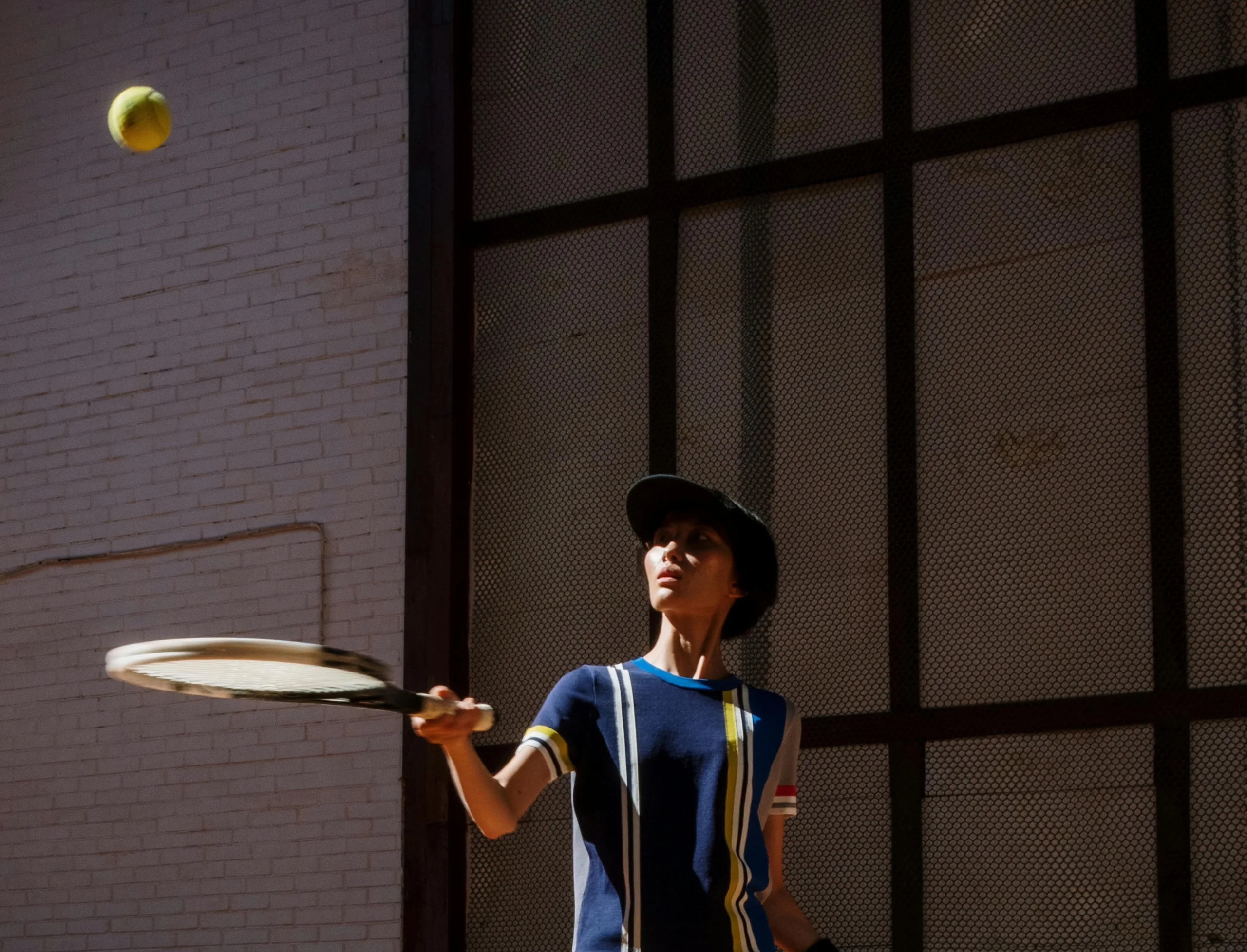
Person bouncing a tennis ball off of a racquet

There are a few notable differences between each sport when it comes to the design of equipment and gear, specifically for the racquet or paddles, balls, and nets.

Tennis

When playing tennis, players use a tennis racquet, which is strung, providing more power and spin capabilities for ball bounces, and can be up to 29 inches long. The tennis ball is heavier than a pickleball and made of felt-covered rubber, pressurized to bounce effectively on the court and contributing to a different style and pace of play than pickleball.

Pickleball

Pickleball uses a solid paddle, often made of wood, composite, or graphite. It is smaller than a tennis racquet but larger than a ping-pong paddle. The plastic ball is similar to a Wiffle ball, with holes that affect its bounce and movement. It is lighter than a tennis ball.

Court Size and Surfaces

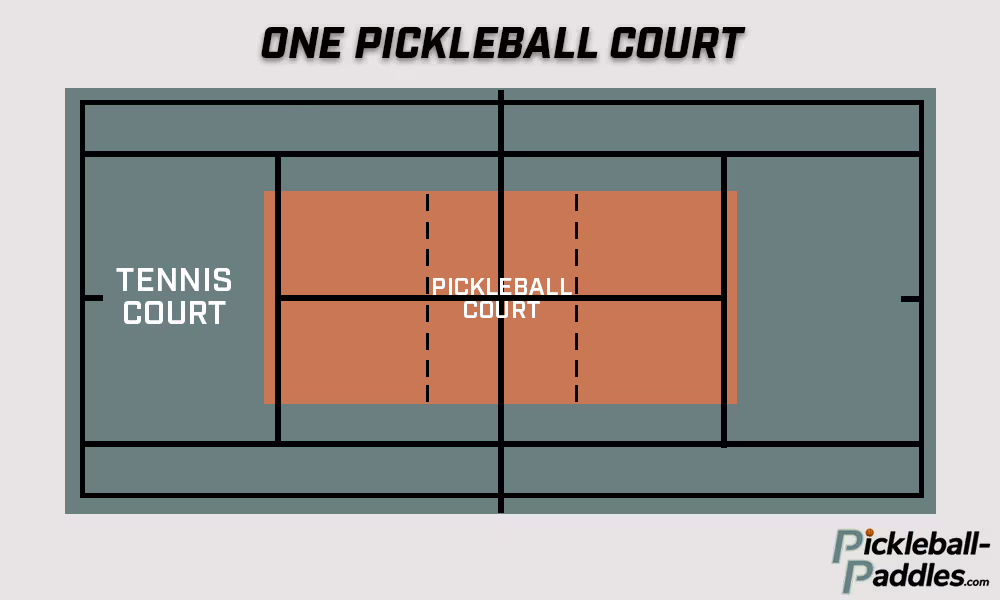
Img credit: Pickleball-Paddles.com

If you’re building a backyard court or are curious about properly sized courts you’ll be playing on, here is a breakdown of court dimensions and surfaces for pickleball vs. tennis.

Tennis

A standard tennis court is about 78 feet in length and 27 feet wide for singles matches, extending to 36 feet wide for doubles. The net is placed at a height of 3.5 feet at the post and 3 feet in the center. Tennis courts can be made of grass, clay, or other hard surfaces, each surface impacting the tennis ball’s speed and bounce.

Pickleball

A pickleball court is smaller than a tennis court, about the size of a badminton court. A pickleball court measures 44 feet in length and 20 feet in width. The pickleball net’s height is 34 inches at the center. Pickleball courts can be many different surface types, including acrylic, concrete, and specialty rubber/plastic courts, providing a hard, even surface.


Rules and Scoring

Both sports have unique rules and scoring systems, which impacts each sport’s pace and strategy.

Tennis

Tennis games require a more complex scoring system than pickleball (love, 15, 30, 40, and game). A match is typically played in best-of-three or best-of-five sets, with each set requiring a player to win at least six games with a margin of two games.

In addition to the scoring system, rules are also different. When playing tennis, the person serving stands behind the baseline, serving overhand and diagonally into the opponent’s service box. The serving team gets two serves to start a point. If both serves fail, it’s a double fault, and the opposing player wins the point.

Pickleball

Pickleball utilizes a straightforward point system. The first team or player to reach 11 points with a lead of at least two points wins the game. Only the serving side of the court can score points, and matches are often played best out of three pickleball games.

Additionally, serving is exclusively played underhand to the other side of the net, and it must clear the non-volley zone, meaning the bounce rule is that it cannot land in the kitchen and must hit the diagonal service box. Players get only one pickleball serve attempt, and double faults don’t exist.

Furthermore, one of the most distinctive aspects of pickleball is the non-volley zone, or “the kitchen.” This area extends seven feet from the net on both sides, and players cannot volley (hit the ball in the air) from within this zone. This rule creates a unique dynamic not found in tennis, where players can volley from anywhere on the court. The strategy in pickleball often involves ‘dinking’—a soft, controlled shot that lands in the opponent’s non-volley zone, contrasting with the more aggressive volleys in tennis.

Learn more about pickleball basics like scoring, etiquette, and winning strategies.


Playing Techniques and Strategies

Both sports require tactical thinking, but the style of play and physical demands are distinct.

Tennis

Tennis is known for its powerful serves, volleys, and groundstrokes, emphasizing speed, power, and athleticism. Players often use spin, slice, and topspin to maneuver their opponents and win points.

Pickleball

Due to the smaller court and equipment differences, pickleball generally has a slower pace than tennis. The game relies heavily on strategy, placement, and patience over power, particularly in doubles play.


Physical Demands and Fitness Benefits

This is also a key differentiator, which impacts the target demographics for each sport, as we’ll discuss later.

Tennis

Tennis requires more running and agility, making it physically demanding but also rewarding for those seeking a more intense workout.

Pickleball

Pickleball’s smaller court and underhand serving make it more accessible, especially for those with limited mobility or those new to racket sports.

Social and Community Aspects

Both pickleball and tennis offer excellent opportunities for socializing, but one is more community and recreationally driven than the other.

Tennis

Tennis has a longstanding history and international acclaim, often making it a more competitive sport to participate in.

Pickleball

Pickleball has a reputation for being particularly community-oriented. Its smaller courts and the social nature of doubles play make it easy to chat and interact with others, emphasizing its accessibility and fun.


Popularity and Demographics

Tennis

Youth, ages 6 – 17, and young adults, ages 18 – 34, have been the primary demographic for the sport when it comes to competition and tournaments. However, it remains popular among adults, ages 35 – 54, who enjoy playing recreationally or even competitively. Seniors are less active in tennis.

Pickleball

With its low barrier to entry for beginners, this sport became very popular among older adults and seniors, with a significant portion of players being retirees. They enjoy the social and low-impact nature of the game so they can maintain an active lifestyle with less physical strain.

That being said, it has increasingly become more popular among adults, ages 35 – 54, and youth, ages 18 – 34, for light exercise and a fun recreational activity.

While dominated slightly by males, efforts to promote the sport among women have increased their participation in the game.


Conclusion

Tennis and pickleball are both uniquely exciting sports, each offering different opportunities to showcase strategy and athleticism. Understanding the biggest differences between pickleball vs tennis is helpful, whether you’re a seasoned player in one sport considering the other, or a newcomer deciding which to try. Each offers its own unique challenges and joys, and both can be incredibly rewarding. We hope this comparison has been helpful and will inspire you to go to the court to see which sport is the best for you. And who knows, maybe it’s both!

Legendary Sports Construction specializes in building both pickleball and tennis courts, understanding the nuances that make each sport special. Whether you’re looking to build a court for the strategic, social game of pickleball or the fast-paced, athletic game of tennis, we have the expertise to create the perfect court for you.

Curious about how a pickleball or tennis court could enhance your home or community space? Considering the pickleball vs tennis debate for your next sports construction project? Contact Us for a free quote and let’s discuss how we can bring your sports construction dreams to life.


Sign up for our Newsletter

Designing Your Own Pickleball Court: Expert Tips & Tricks

Pickleball court in Las Vegas, Nevada

Designing Your Own Pickleball Court: Expert Tips & Tricks

Imagine stepping out into your backyard and being greeted by your very own pickleball court, a place where fun, exercise, and friendly competition come together. Designing a pickleball court might seem daunting, but with the right guidance, it can be an exciting and fulfilling project. Here are some expert tips and tricks to help you create the pickleball court of your dreams.

Understanding the Basics 

Before diving into design specifics, it’s important to understand the basic requirements of a pickleball court. A standard court is 20 feet wide by 44 feet long, including lines for the non-volley zone, also known as the kitchen. You’ll need a flat, open space slightly larger than these dimensions to accommodate the court and a surrounding safety zone.

Choosing the Right Surface

The surface of your pickleball court plays a significant role in the game. You want a surface that provides good traction, is easy on the joints, and has minimal maintenance needs. Concrete and asphalt are popular choices, but there are also advanced synthetic surfaces available. 

These can offer enhanced durability and reduced stress on the body. Remember, the surface you choose will affect the ball’s bounce and your overall playing experience.

Customization is Key

Your pickleball court should reflect your personal style and needs. Are you looking for a court that stands out with vibrant colors, or do you prefer a more traditional look? Customization doesn’t stop at aesthetics. Consider adding features like adjustable lighting for night play, fencing to keep balls within bounds, and even seating areas for spectators.

Location, Location, Location

The placement of your pickleball court is crucial. You need to consider factors like sun direction, wind patterns, and proximity to your home or other structures. Ideally, the court should be oriented north-south to minimize sun glare. Also, think about the noise factor and ensure your court is positioned in a way that minimally impacts your neighbors and your own living spaces.

Drainage and Landscaping

Proper drainage is a must. It will maintain the quality and longevity of your pickleball court. Ensure that your court design includes an effective drainage system to avoid water accumulation. Additionally, incorporating landscaping around your court not only enhances its appearance but can also serve practical purposes, like acting as a natural windbreaker.

Quality Equipment Matters

Invest in high-quality nets, posts, and other equipment. Durable, weather-resistant materials will ensure your pickleball court remains in top condition for years to come. Don’t forget about storage solutions for your equipment to keep your court area tidy and organized.

Maintenance and Upkeep

Regular maintenance is key to preserving your court’s condition. This includes surface cleaning, checking for cracks, and ensuring nets and posts are secure. Depending on the material you choose, some courts may require more maintenance than others.

Safety First

Safety should always be a priority in your design. Ensure that the court’s surroundings are free from hazards and that there is sufficient space around the court boundaries. Non-slip surfaces and adequate lighting are also important for preventing accidents, especially if you plan to use the court in the evening.

Consult the Experts at Legendary Sport Construction

While these tips provide a great starting point, there’s no substitute for professional advice. Legendary Sports Construction has years of experience in building high-quality sports facilities, including pickleball courts. Our experts can guide you through every step of the process, from initial design to final construction, ensuring that your pickleball court is not just a dream, but a reality.

Now that you’re equipped with these tips and tricks, designing your dream pickleball court doesn’t have to be just a vision. It’s a project that can bring immense joy and a unique touch to your home. Ready to take the next step? Contact Us at Legendary Sports Construction for a free quote and let’s bring your dream pickleball court to life.

GET A QUOTE

Please Provide Your Contact Information and Project Details