
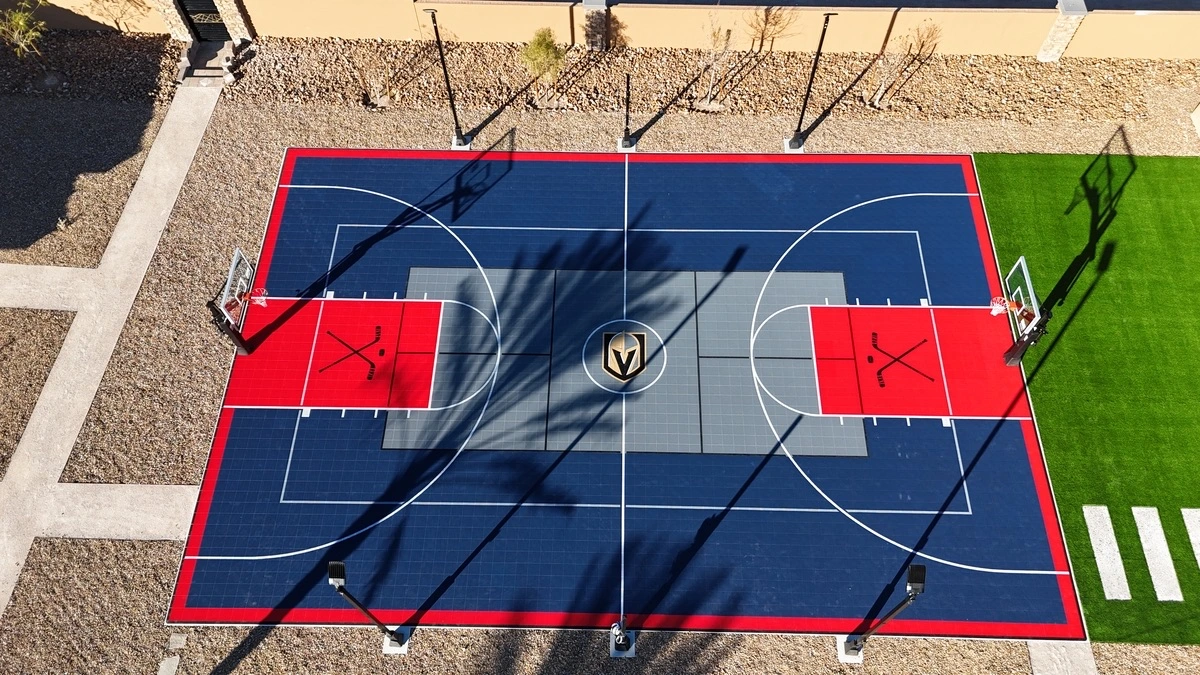
When planning a custom recreational court, selecting the right multi-game court builders is one of the most important decisions you’ll make. A properly designed and installed court can provide decades of recreation, support multiple sports, and significantly improve property usability.
Whether the goal is basketball, pickleball, volleyball, or a combination of all three, experienced multi-game court builders can design a layout that maximizes space, safety, and long-term performance.
Choosing the right contractor is not just about construction—it’s about creating a complete recreational experience tailored to how the court will actually be used.
In today’s recreational construction market, multi-use game courts have become increasingly popular for both residential and commercial properties. Homeowners want more functionality from limited backyard space, while schools and HOAs are looking for cost-effective ways to support multiple activities in a single installation. This shift has made the role of experienced builders even more important.
A well-planned multi-game court is not simply a flat surface with painted lines. It is a carefully engineered system that combines grading, drainage, surfacing, and sport-specific layout design. When these elements are properly aligned, the result is a court that performs well under heavy use and changing weather conditions.
Professional multi-game court contractor services begin with detailed planning to ensure the court fits both the property and the intended sports.
Key planning elements include:
Court dimensions based on available space
Sport combinations and layout strategy
Equipment placement (hoops, nets, posts)
Surface selection based on usage and climate
Drainage design to prevent water damage
This phase ensures that the court is both functional and long-lasting.
Beyond basic layout, design planning also involves understanding user behavior. For example, a family-focused backyard court may prioritize basketball and pickleball, while a school facility may require multi-sport flexibility with volleyball and physical education training zones. Proper planning ensures the court supports real-world usage rather than just theoretical layouts.
A complete custom game court construction project typically includes:
Site preparation and grading
Base installation (concrete or engineered foundation)
Surface system installation
Line striping for multiple sports
Installation of sports equipment
Each step must be executed correctly to ensure performance and durability.
Construction quality directly impacts the lifespan of the court. A poorly compacted base or improperly leveled surface can lead to long-term issues such as cracking, drainage failure, or uneven ball bounce. Professional installation reduces these risks significantly and ensures consistent performance across all sports.
Weather conditions also play a major role during construction. Temperature, humidity, and curing time all affect how materials bond and perform. Experienced builders account for these variables during scheduling and installation.
Modern courts are highly customizable. Leading backyard game court builders often offer:
Multi-game court layouts
Custom color schemes
Team logos or branding
LED lighting systems
Fencing and safety enclosures
These features turn a basic court into a premium recreational space.
Customization also extends to gameplay experience. Some property owners prefer dual-purpose courts that transition easily between basketball and pickleball, while others may prioritize multi-zone layouts that allow simultaneous play. Lighting systems can extend usability into evening hours, and fencing adds safety while maintaining ball control.
Every property is different. Experienced outdoor game court installation professionals evaluate:
Available build space
Soil and ground conditions
Drainage flow and grading needs
Accessibility for equipment and users
This ensures the court design matches real-world site conditions.
Inexperienced installers often overlook site evaluation, but it is one of the most critical steps in the entire process. Soil stability, slope, and surrounding landscape can all affect drainage and long-term performance. Without proper evaluation, even high-quality materials may fail prematurely.
Poor construction can lead to expensive repairs. Professional multi-game court builders help prevent:
Surface cracking
Drainage failures
Uneven wear patterns
Structural base issues
Proper installation significantly extends the court’s lifespan.
Durability is especially important for multi-use courts because they experience higher traffic and a variety of movements. Basketball, pickleball, and volleyball all place different stress patterns on the surface. A professionally engineered court distributes these loads evenly.
A professionally built court provides:
Consistent ball bounce and response
Reliable traction in all weather
Clear and accurate sport markings
Improved safety for all users
This is especially important for multi-use courts where multiple sports share the same surface.
A smooth and consistent playing surface also improves user satisfaction. Players can focus on performance rather than adjusting to uneven conditions or inconsistent traction, which enhances the overall recreational experience.
Basketball is the foundation of most basketball and pickleball court builders’ projects. Options include:
Full-size courts
Half-courts
Shooting practice zones
Basketball layouts often serve as the structural base for multi-sport designs due to their rectangular dimensions and flexible marking system.
Pickleball continues to grow rapidly and is often integrated into multi-use layouts due to its compact size and flexibility.
Its smaller court footprint allows multiple pickleball courts to fit within a single basketball court area, making it ideal for shared recreational spaces.
Volleyball systems can be installed using:
Removable net systems
Fixed post systems
Adjustable height setups
This flexibility allows the court to transition easily between sports depending on user needs.
Many courts can also support:
Badminton
Futsal (small soccer training)
Four square
Fitness training drills
These additional uses increase the overall value and functionality of the court, especially in community or school environments.
Acrylic systems are widely used in professional multi-game court builder projects.
Benefits:
High durability
UV resistance
Consistent traction
Professional finish
These systems are ideal for outdoor environments with high sun exposure and frequent use.
Tile systems are ideal for flexible installations.
Advantages:
Fast installation
Shock absorption
Easy replacement of damaged sections
Multi-sport adaptability
They are often chosen for facilities that require fast turnaround installation and easy maintenance.
Cushioned systems are designed for comfort and safety.
Best for:
Family courts
Schools
High-traffic recreational facilities
These systems help reduce joint stress and improve comfort during extended play.
|
Surface System
|
Best For
|
Durability
|
Player Comfort
|
Maintenance
|
Multi-Sport Performance
|
Primary Benefit
|
|
Acrylic Court Surface |
Residential & commercial courts
|
Excellent
|
High
|
Low
|
Excellent
|
Professional playability
|
|
Cushioned Acrylic Surface
|
Family recreation
|
Excellent
|
Very High
|
Low
|
Excellent
|
Reduced joint stress
|
|
Modular Tile System
|
Backyard courts
|
High
|
High
|
Very Low
|
Excellent
|
Easy upkeep
|
|
Concrete with Athletic Coating
|
Community courts
|
Very High
|
Medium
|
Medium
|
High
|
Long-term strength
|
|
Rubber Athletic Surface
|
Training areas
|
High
|
Very High
|
Low
|
Moderate
|
Maximum comfort
|
A qualified multi-game court builder should understand:
Basketball court layout standards
Pickleball dimensions and spacing
Volleyball configurations
Multi-sport striping strategies
Strong construction practices include:
Proper grading and slope control
Reinforced base systems
Drainage planning
Durable surface installation
Every project should be tailored to:
Property size
User demographics
Recreational goals
Long-term usage expectations
Low bids often result in:
Lower-quality materials
Poor drainage systems
Shorter court lifespan
Surface selection impacts:
Safety
Ball performance
Maintenance requirements
Water issues are a leading cause of court failure.
Courts should be designed with future upgrades and sport changes in mind.
Properly built courts also provide strong return on investment over time, especially for properties used for rentals, events, or community recreation.
Legendary Sports Construction specializes in:
Multi-game court construction
Basketball court systems
Pickleball court installation
Recreational sports surfaces
Every court is designed around:
Available property space
Client usage goals
Long-term performance expectations
All projects use proven construction methods and durable athletic surfaces built for long-term recreational use.
Do court tiles require a special base?
Yes. Most tile systems require a flat, stable concrete or asphalt base for proper performance.
What is the cheapest way to build a basketball court?
Using an existing concrete slab and adding markings with a basic hoop system is the most cost-effective option.
How much does it cost to build a full-size tennis court?
Costs vary based on materials, drainage, and location, but full installations typically range widely depending on site conditions.
What kind of flooring is best for a court?
Acrylic and cushioned systems are among the most common for outdoor multi-use courts due to durability and performance.
What is the best surface for an outdoor court?
Acrylic surfaces are widely preferred for outdoor installations due to their durability, traction, and UV resistance.
Choosing the right multi-game court builders is essential for creating a safe, durable, and high-performing recreational space. From design and drainage to surface selection and sport layout, every detail affects how the court performs over time.
Working with experienced multi-game court builders ensures your investment delivers long-term value, flexibility, and year-round recreation for homeowners, schools, HOAs, and commercial properties.
A well-executed multi-game court is more than a construction project—it is a long-term recreational asset that enhances lifestyle, community engagement, and property functionality.
Please Provide Your Contact Information and Project Details