
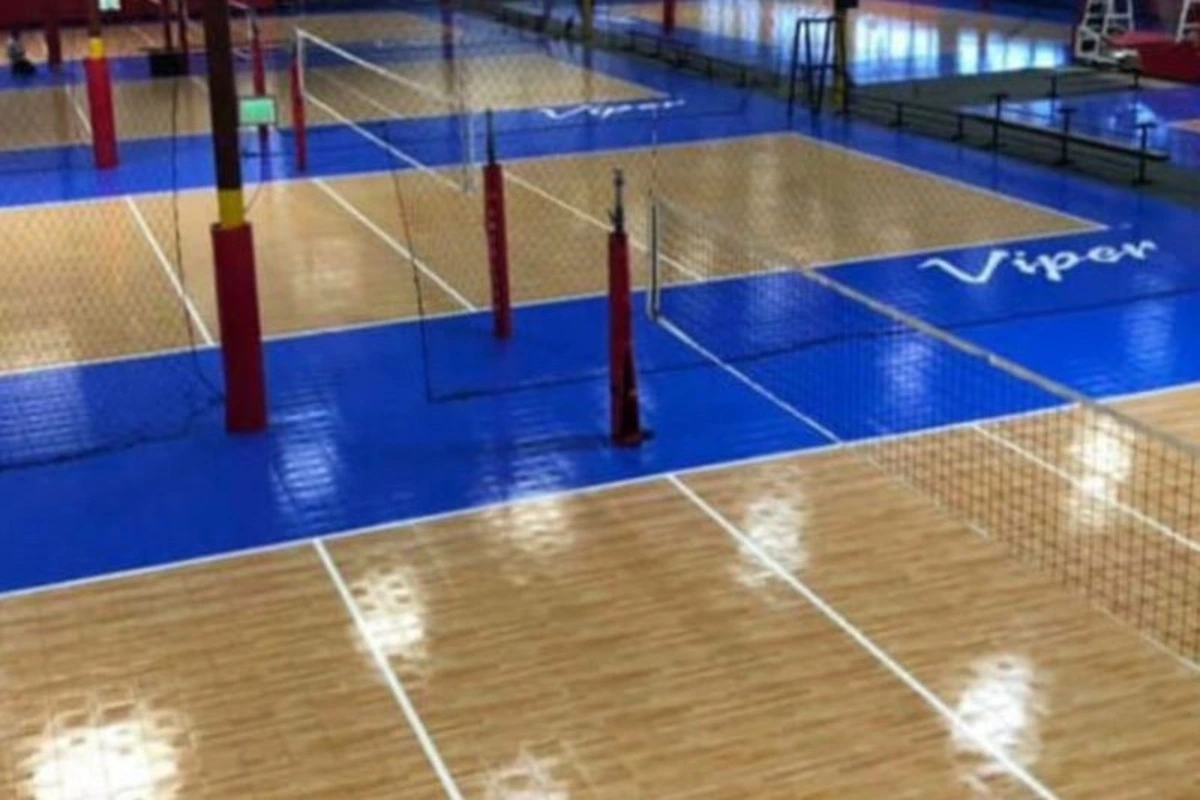
Volleyball courts are designed to handle years of athletic activity, but constant use, changing weather conditions, and aging surfaces eventually lead to wear and damage. Cracks, surface deterioration, fading colors, and drainage problems can all impact player safety and court performance. That’s why professional volleyball court repair is an important investment for schools, parks, recreation centers, and private facilities.
Timely repairs help prevent minor issues from becoming major reconstruction projects while restoring the court’s appearance, functionality, and overall playability. A well-maintained court also improves athlete performance and reduces long-term maintenance costs.
In many cases, working with an experienced game court repair contractor is the most effective way to ensure the surface is properly evaluated and restored.
Damaged court surfaces can create:
Professional volleyball court crack repair helps eliminate these hazards and restores a safe playing environment for athletes of all skill levels.
A well-maintained court offers:
Without proper athletic court repair, surface irregularities can negatively affect ball response and movement quality.
Early repairs and maintenance significantly reduce the likelihood of costly reconstruction. Addressing issues early helps protect the underlying structure and extends the life of the entire system.
Outdoor courts are constantly exposed to:
These conditions gradually weaken coatings and contribute to surface breakdown, making outdoor volleyball court repair a necessary maintenance step.
High-traffic facilities often experience:
Ground movement may result in:
Water accumulation can accelerate deterioration and damage underlying court systems, increasing the need for volleyball court restoration.
Cracks are one of the most common issues and can worsen over time if not addressed promptly with proper volleyball court crack repair methods.
UV exposure often causes:
Older coatings may begin to:
Low Spots and Water Pooling
Drainage issues often signal underlying structural or surface problems that require immediate attention.
|
Problem |
Impact |
Repair Benefit |
|
Cracks |
Safety hazards, surface damage |
Restores structural integrity |
|
Fading |
Poor visibility, weak aesthetics |
Improves appearance and visibility |
|
Peeling |
Surface breakdown |
Restores traction and durability |
|
Water pooling |
Drainage issues |
Improves leveling and drainage |
Contractors evaluate:
This determines the full scope of volleyball court repair needed.
Preparation often includes:
Proper preparation ensures repair materials bond correctly.
Repair methods may address:
High-quality volleyball court crack repair prevents damage from spreading further.
The court may receive:
This stage is a key part of full volleyball court restoration services.
New striping improves:
When damage covers large areas, volleyball court resurfacing may be more cost-effective than repeated repairs.
Older courts often benefit from complete surface renewal to restore performance and durability.
Resurfacing significantly improves:
In some cases, resurfacing reduces repeated repair costs and provides a longer-lasting solution.
Small cracks can quickly expand into major structural problems.
Persistent pooling often indicates drainage issues or surface failure.
Loss of traction increases injury risk and reduces performance quality.
Peeling coatings and rough textures should be addressed before worsening.
Professional repairs eliminate hazards and create a safer playing environment.
Players benefit from:
Preventative repairs reduce the need for expensive reconstruction projects.
A restored court improves the visual appeal of any sports facility.
Legendary Sports Construction understands the unique requirements of volleyball court repair and long-term athletic surface performance.
Professional-grade materials ensure durability, safety, and consistent results.
Every repair plan is tailored to:
This ensures the right solution for each project.
Yes, but courts typically require surface repair or restoration rather than replacing individual components like balls.
Acrylic surfaces are commonly used for outdoor courts due to their durability and traction.
Regular cleaning, crack inspection, and timely resurfacing help maintain performance and safety.
What is the actual size of a volleyball court?
A standard court is 18 meters by 9 meters (59 feet by 29.5 feet).
Most outdoor courts use acrylic over concrete or asphalt bases.
Professional volleyball court repair is essential for maintaining safe, high-performing athletic surfaces. Whether dealing with cracks, fading, drainage issues, or surface wear, timely repairs prevent long-term damage and extend the court’s lifespan.
Working with an experienced game court repair contractor ensures the right repair methods are used for lasting results. With proper maintenance and restoration, any court can continue delivering safe and enjoyable play for years to come.
Please Provide Your Contact Information and Project Details