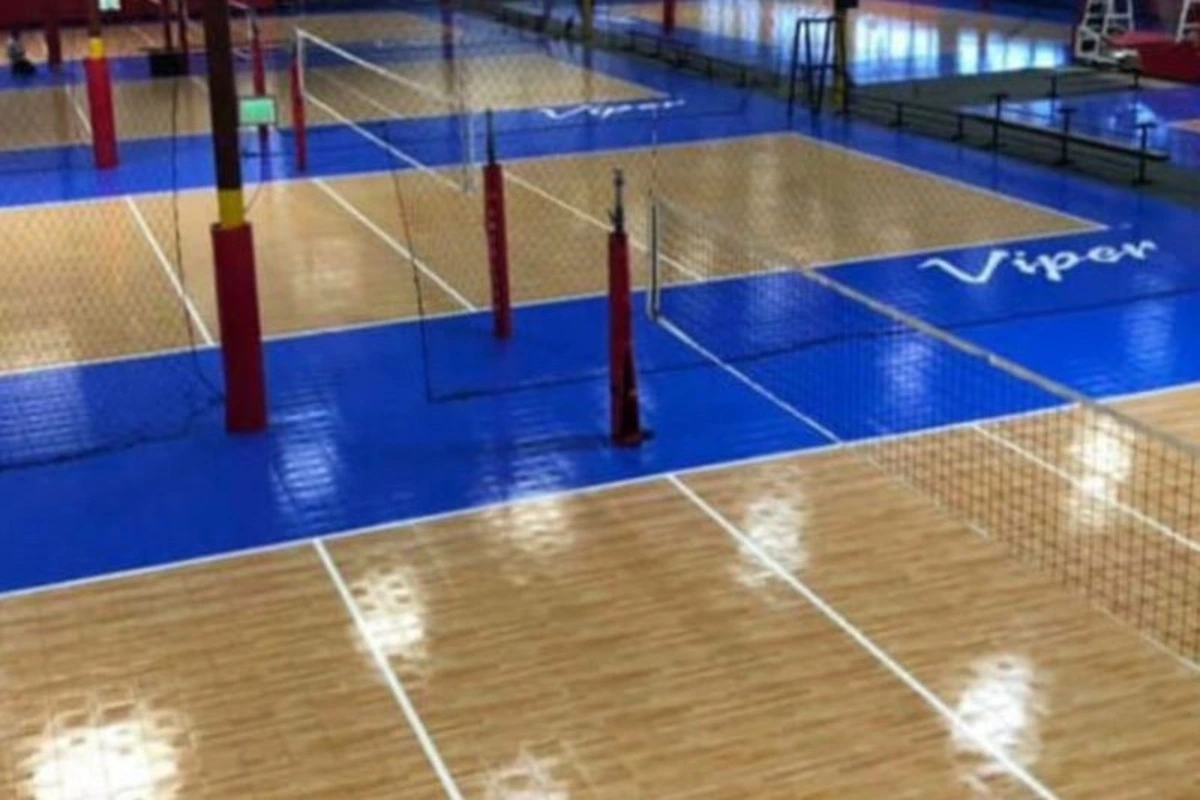
Volleyball Court Installation: A Complete Guide to Building a Safe and High-Performance Court
 Brad Cameron
on
June 19, 2026
Brad Cameron
on
June 19, 2026
Volleyball Court Installation: A Complete Guide to Building a Safe and High-Performance Court
Volleyball Court Installation
A professionally completed volleyball court installation creates a safe, durable, and enjoyable playing environment for athletes of all skill levels. Whether you are planning a recreational court for a park, a competitive court for a school, or a private court for residential use, proper installation is crucial to ensure the court performs reliably and lasts for years.
Constructing a volleyball court is more than simply marking lines or placing nets. Every step—from site evaluation and drainage planning to surfacing, striping, and equipment installation—must be completed correctly. A well-installed court enhances safety, ensures consistent playability, and reduces long-term maintenance costs.
Whether you are building a single backyard court or a multi-court sports complex, professional volleyball court construction delivers reliable results, maximizes your investment, and ensures compliance with regulatory standards.
What Is Volleyball Court Installation?
Creating a Complete Playing Environment
Volleyball court installation involves designing and constructing a court from the ground up. The project may include:
- Site preparation to level the ground and ensure proper drainage
- Base construction with compacted soil, sand, or concrete for stability
- Surface installation with acrylic, cushioned, or modular athletic systems
- Net system installation, including posts and adjustable heights
- Court striping for regulation singles and doubles lines
- Optional fencing and lighting for safety and extended play
Each component contributes to performance, safety, and durability, ensuring the court meets both recreational and competitive standards.
Why Professional Installation Matters
A properly installed court provides:
- Consistent playing conditions for predictable ball bounce and game flow
- Improved player safety by reducing slip hazards and uneven surfaces
- Long-term durability to withstand heavy use and environmental exposure
- Lower maintenance requirements, saving time and money
Who Can Benefit from Volleyball Court Installation?
Schools and Universities
Educational facilities install courts to support:
- Physical education programs
- Team practices and training
- Competitive matches and tournaments
Professional installation ensures safety and regulatory compliance.
Parks and Recreation Departments
Public recreational facilities benefit from:
- Community recreation programs
- Organized leagues and tournaments
- Special events for residents
Durable outdoor courts withstand frequent use and exposure to weather.
Homeowners
Residential volleyball courts offer:
- Backyard entertainment for family and friends
- Fitness and recreational opportunities
- A private space for social gatherings and tournaments
Custom volleyball courts increase property value and personal enjoyment.
Commercial Facilities
Sports complexes, resorts, and private clubs add volleyball courts to:
- Expand athletic offerings for members and guests
- Support multi-sport programming
- Host tournaments, clinics, and community events
Professional installation ensures high performance and long-term reliability.
What Types of Volleyball Courts Can Be Installed?
Outdoor Volleyball Courts
Outdoor courts are designed to endure:
- Constant sun exposure
- Rain and moisture
- Temperature fluctuations and seasonal changes
High-quality surfacing and proper drainage are critical for long-term performance.
Indoor Volleyball Courts
Indoor courts provide:
- Consistent playing conditions regardless of weather
- Professional-grade athletic flooring
- Year-round usability for training, practice, and competition
Indoor installations often include shock-absorbing flooring and climate-controlled environments.
Multi-Game Courts
Many facilities combine volleyball with other sports, such as:
- Basketball
- Pickleball
- Tennis
- General recreational activities
Multi-game courts maximize space utilization and offer versatility for community and school facilities.
Comparison Table – Volleyball Court Installation Options
|
Surface Type |
Durability |
Comfort |
Maintenance |
Best Use |
|
Acrylic Athletic |
High |
Medium |
Low |
Outdoor & indoor recreational courts |
|
Cushioned Court |
High |
High |
Medium |
Indoor or high-traffic courts |
|
Modular Sports Flooring |
Medium |
Medium |
Low |
Multi-sport facilities |
How Does Volleyball Court Installation Work?
Step 1 – Site Evaluation
A professional installer evaluates:
- Available space and property layout
- Drainage conditions to prevent water pooling
- Soil stability for proper base support
- Accessibility for construction equipment and ongoing maintenance
This ensures a stable, level foundation for long-lasting performance.
Step 2 – Court Design
Planning addresses:
- Court dimensions to comply with regulation standards
- Surface selection to match use, climate, and budget
- Equipment requirements, including net posts and lighting
- Optional amenities such as fencing, seating, or shade structures
Custom design ensures optimal play and aesthetic integration with the surrounding environment.
Step 3 – Base Construction
A strong base foundation is critical:
- Excavation to remove soil and debris
- Grading for proper slope and drainage
- Compaction for stability
- Concrete or asphalt installation as a durable foundation
A professionally installed base prevents cracking, settling, and uneven surfaces.
Step 4 – Surface Installation
Athletic surfacing systems are applied to provide:
- Reliable traction for player safety
- Consistent movement and ball bounce
- Long-term durability against heavy use and weather conditions
Surface choice impacts performance, maintenance, and player comfort.
Step 5 – Equipment and Striping
The final stage includes:
- Regulation volleyball lines for singles and doubles
- Net systems with adjustable heights
- Optional fencing for safety and ball containment
- Lighting solutions for extended play hours
Professional installation ensures all features are aligned and regulation-compliant.
What Surface Is Best for Volleyball Court Installation?
Acrylic Athletic Surfaces
- Provides excellent traction and ball response
- UV-resistant to maintain color and integrity
- Low-maintenance and durable for outdoor use
Cushioned Court Systems
- Reduce joint stress and fatigue
- Improve player comfort for high-traffic courts
- Ideal for indoor and multi-purpose courts
Modular Sports Flooring
- Easy to maintain and replace sections
- Multi-sport compatibility
- Excellent drainage for outdoor facilities
Common Mistakes During Volleyball Court Installation
- Poor Drainage Planning: Water pooling leads to surface damage and costly repairs.
- Improper Surface Selection: Using the wrong surface type affects safety, performance, and maintenance.
- Skipping Site Preparation: Weak foundation causes cracking, settling, and uneven play.
- Hiring Inexperienced Contractors: Court construction requires specialized knowledge and proper equipment.
Benefits of Professional Volleyball Court Installation
Better Player Safety
- Consistent footing and traction
- Reduced risk of slips and injuries
Improved Court Performance
- Smooth movement and predictable ball response
- Enhanced gameplay experience
Long-Term Durability
- Surfaces withstand years of athletic use
- Minimal maintenance required with professional installation
Increased Property Value
A professionally installed volleyball court becomes a high-value feature for residential, commercial, or community properties.
Why Choose Legendary Sports Construction?
Specialized Game Court Expertise
We design and build volleyball courts with performance, safety, and durability in mind.
Custom Installation Solutions
Each project is tailored to:
- Property dimensions
- User requirements and goals
- Budget considerations
Turnkey Construction Services
From planning and excavation to surfacing and final striping, every phase is professionally managed to ensure a seamless installation.
Frequently Asked Questions (FAQs)
What is the best surface for a volleyball court?
Acrylic surfaces are the most popular for outdoor courts due to durability, traction, and UV resistance. Cushioned or modular surfaces are ideal for indoor or multi-use courts.
How to create a volleyball court?
Start with professional site evaluation, base preparation, proper surfacing installation, court striping, and equipment setup. Hiring an experienced contractor ensures safety and long-term performance.
How many square feet are needed for a volleyball court?
A regulation volleyball court measures 30 feet wide by 60 feet long for indoor play. Additional space around the court is recommended for player safety and movement.
What kind of sand is best for a volleyball court?
For sand volleyball courts, use clean, fine, and well-draining sand designed for sports. Avoid beach sand with shells or debris, which can cause injury.
What is the minimum size of a volleyball court?
The minimum recommended size for recreational play is 30 by 60 feet. For competitive indoor or tournament courts, official dimensions of 30 by 60 feet with proper buffer zones are required.