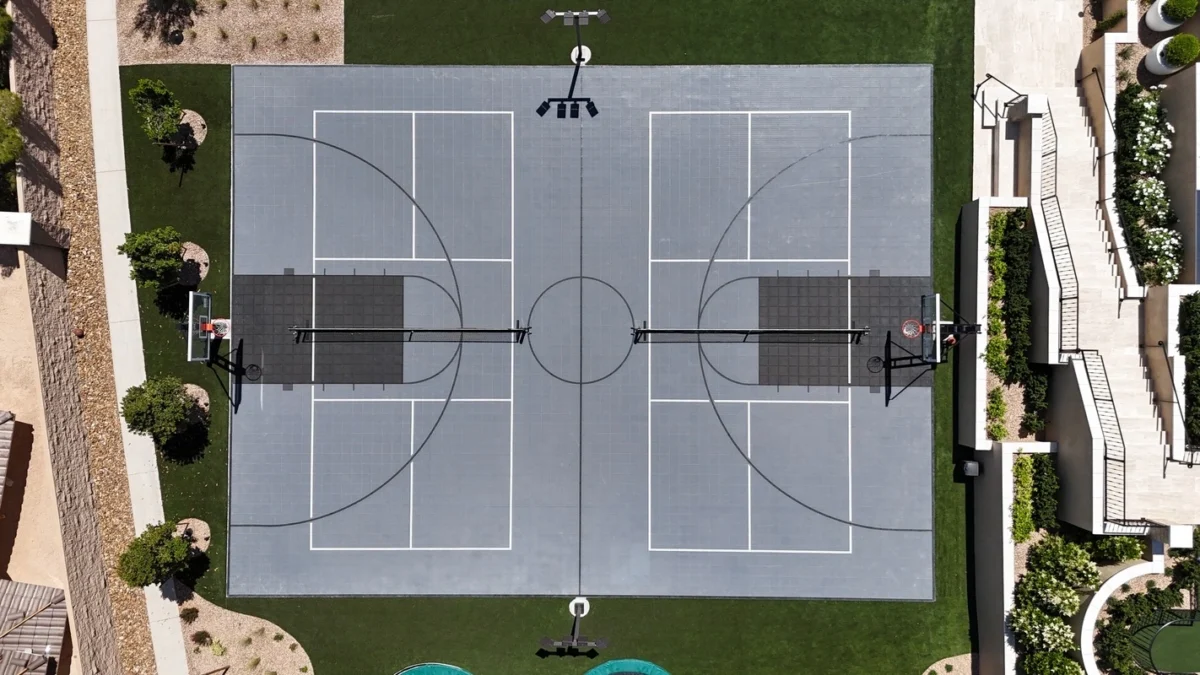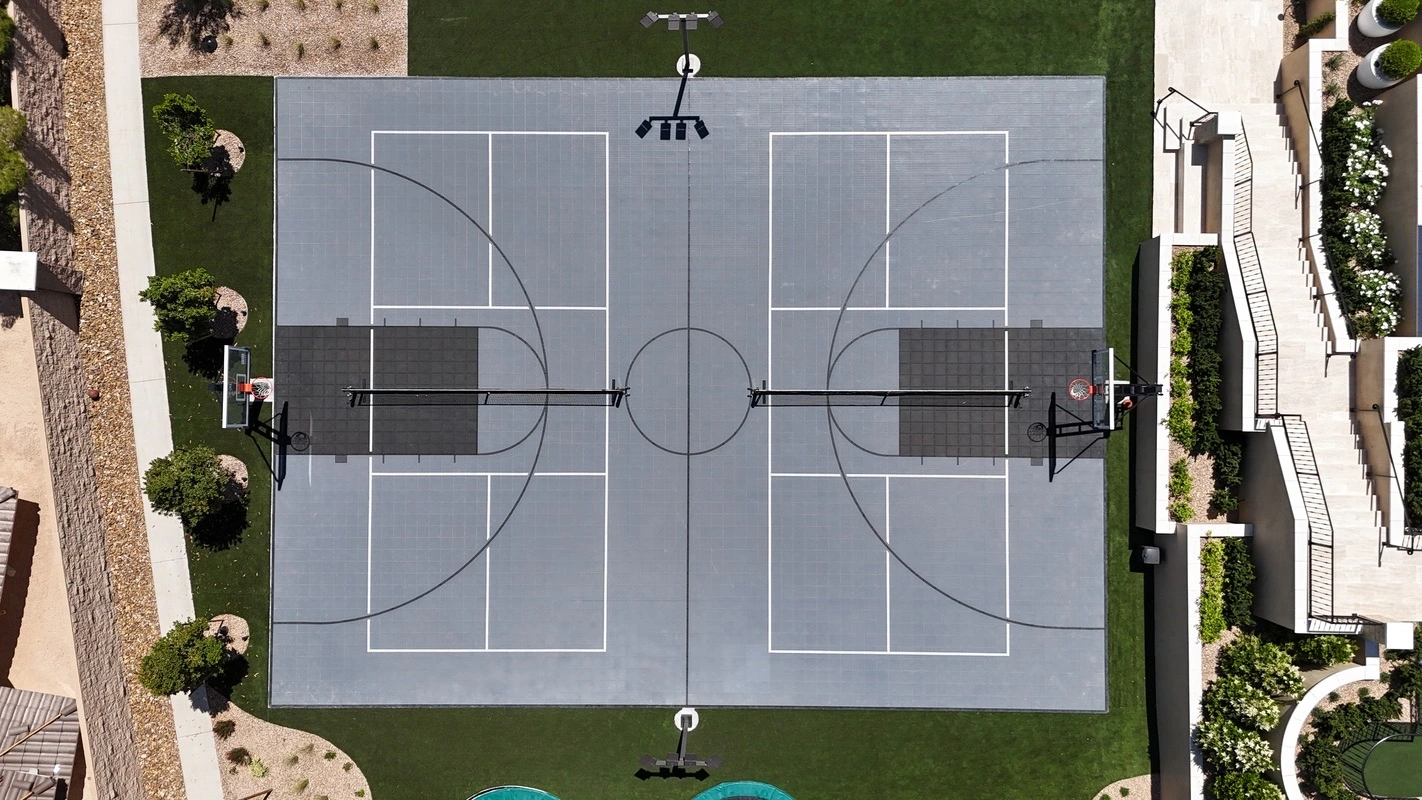
Backyard Basketball Court Construction Arizona: Build the Ultimate Home Court

Basketball Court Resurfacing

Backyard Basketball Court Construction Arizona: Build the Ultimate Home Court

Backyard Basketball Court Construction Arizona

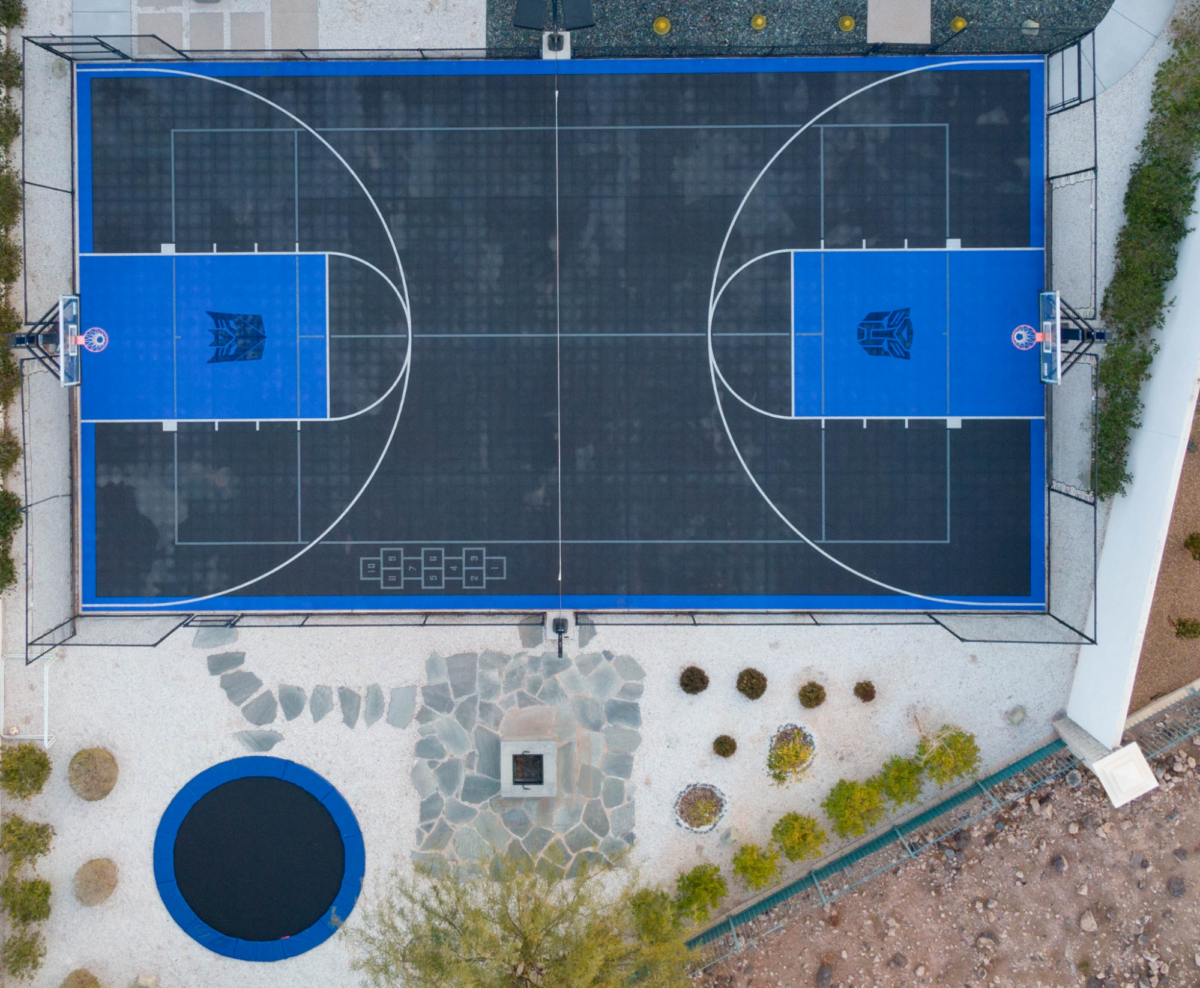
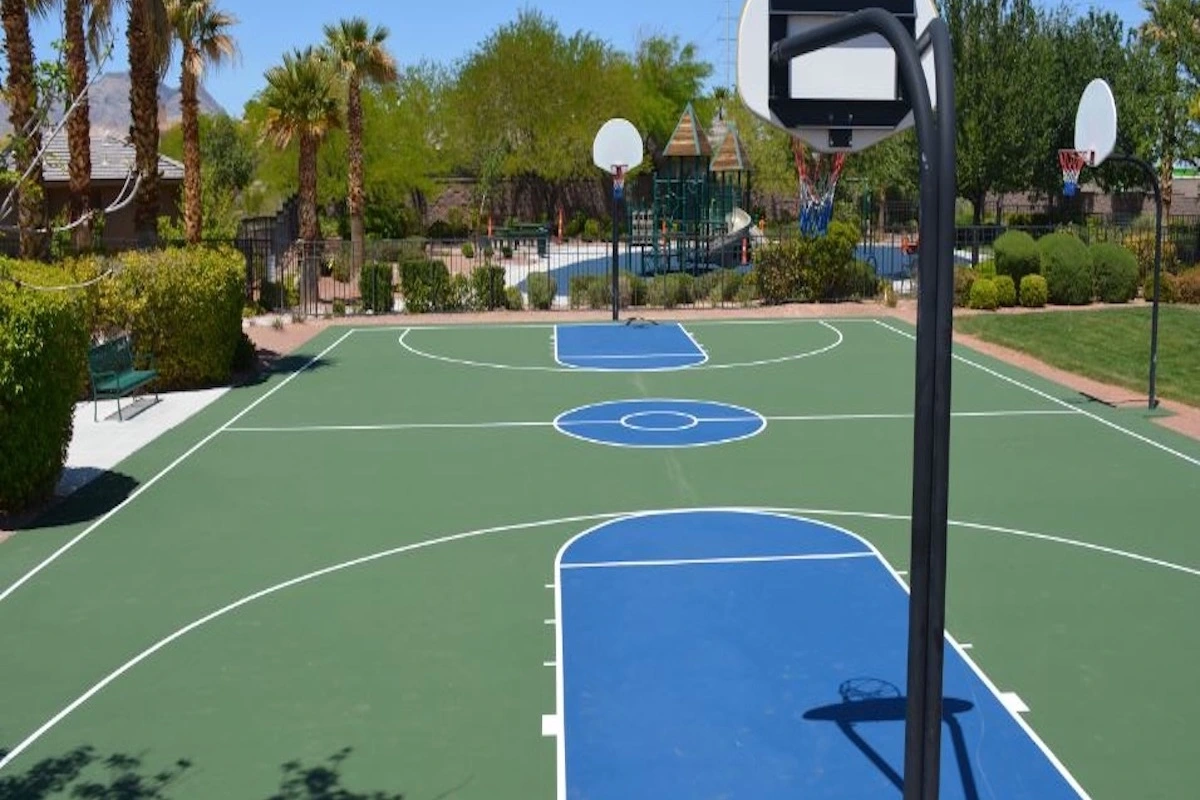
A professionally built backyard basketball court project transforms an ordinary yard into a high-performance recreation space designed for fitness, entertainment, and long-term property value. With Arizona’s warm climate and strong outdoor culture, homeowners are increasingly investing in a backyard basketball court setup that supports year-round play.

Unlike simple DIY installations, a properly engineered court requires grading, drainage planning, base construction, and surface selection tailored to desert conditions. High heat, UV exposure, and occasional monsoon rains all influence how a court must be designed.

Whether you want a half-court for casual shooting or a full training setup, hiring an experienced Arizona basketball court builder ensures your investment performs well for years.

Why Build a Backyard Basketball Court in Arizona?

Year-Round Outdoor Recreation

Arizona’s climate is one of the biggest advantages for homeowners. A backyard court allows consistent play almost every day of the year.

Benefits include:

  • Daily physical activity
  • Convenient practice sessions
  • Safe space for kids and teens
  • Family entertainment at home

Property Value Enhancement

A professionally installed court adds functional value and visual appeal to outdoor spaces. Buyers often view it as a premium upgrade in residential properties.

Private Training Environment

A home court eliminates travel time to public facilities and gives players a controlled space to improve skills, practice drills, and host games.

Types of Backyard Basketball Courts

Half-Court Designs

Half-courts are the most common residential option because they:

  • Fit smaller properties
  • Cost less than full courts
  • Offer strong recreational value

They are ideal for shooting practice and casual games.

Full-Court Installations

Full courts are designed for serious players and provide:

  • Competitive gameplay
  • Team practices
  • Multi-player training sessions

These require larger property space but deliver a complete basketball experience.

Multi-Purpose Courts

A growing trend in residential basketball court construction is multi-sport design. These courts support:

  • Basketball
  • Pickleball
  • Volleyball
  • General recreation activities

This option maximizes backyard usability.

Custom Luxury Courts

High-end courts include design enhancements such as:

  • Custom logos and branding
  • LED lighting systems
  • Color-coordinated surfaces
  • Landscaping integration

Luxury courts turn outdoor spaces into entertainment hubs.

Best Surface Options for Backyard Basketball Courts in Arizona

Selecting the right surface is one of the most important steps in outdoor basketball court construction.

Acrylic Sports Surfacing

Acrylic coatings are widely used due to their durability and performance.

Key benefits:

  • UV resistance against intense sunlight
  • Excellent grip and traction
  • Consistent ball bounce
  • Long lifespan with proper maintenance

Modular Tile Systems

Interlocking tile systems are gaining popularity because they offer:

  • Fast installation
  • Excellent drainage
  • Comfortable play surface
  • Easy replacement of damaged sections

Cushioned Surface Systems

These systems are designed for player comfort and safety.

Benefits include:

  • Shock absorption
  • Reduced joint stress
  • Enhanced comfort for longer play sessions

Comparison Table – Surface Options

Surface Type

Durability

Comfort

Maintenance

Heat Resistance

Best Use

Acrylic Coating

High

Medium

Low

Excellent

Standard residential courts

Modular Tiles

High

High

Very Low

Good

Multi-use courts

Cushioned Systems

Medium

Very High

Medium

Good

Training-focused courts

Bare Concrete

High

Low

Low

Poor

Budget installations

How Backyard Basketball Court Construction Works

Step 1 – Site Evaluation

The process begins with a detailed property assessment:

  • Yard space measurement
  • Soil and drainage evaluation
  • Access for equipment
  • Slope and grading analysis

This ensures the foundation is properly planned.

Step 2 – Court Design

Design planning includes:

  • Court size and layout
  • Surface selection
  • Hoop placement
  • Optional features like lighting or fencing

This step defines the overall functionality of the court.

Step 3 – Base Construction

The foundation determines long-term durability.

Work includes:

  • Excavation and grading
  • Gravel or aggregate base installation
  • Concrete slab preparation (if required)

A strong base prevents cracking and uneven surfaces.

Step 4 – Surface Installation

The chosen surface is installed for performance and durability:

  • Acrylic coatings or tile systems applied
  • Line striping completed
  • Traction and finish quality verified

Step 5 – Final Equipment Installation

Final elements include:

  • Basketball hoops
  • Court lighting
  • Fencing or boundary systems
  • Custom logos and paintwork

Important Design Considerations for Arizona Courts

Sun Exposure Protection

UV-resistant materials are essential due to Arizona’s intense sunlight, preventing fading and surface breakdown.

Heat Control

Lighter surface colors and reflective coatings help reduce heat absorption for better playability.

Drainage Design

Even in dry climates, monsoon rains require proper slope and drainage planning to avoid water damage.

Wind Orientation

Court positioning can improve shooting consistency and player comfort by reducing wind interference.

Common Mistakes in Backyard Basketball Court Construction

Poor Site Preparation

Improper grading can lead to:

  • Cracks in the surface
  • Uneven playing areas
  • Drainage issues

Incorrect Surface Selection

Choosing the wrong material can result in:

  • Excessive heat retention
  • Faster wear and tear
  • Reduced performance

Ignoring Drainage Systems

Water pooling can damage the base and shorten the court’s lifespan.

Hiring Unqualified Contractors

Only experienced Arizona basketball court builder professionals understand climate-specific construction needs.

Benefits of Professional Construction

High-Level Performance

Professionally built courts offer:

  • Consistent bounce
  • Reliable traction
  • Smooth gameplay experience

Long-Term Durability

Proper installation ensures resistance to heat, UV exposure, and heavy use.

Lower Maintenance Requirements

Quality materials reduce repair frequency and long-term costs.

Fully Customized Design

Homeowners can personalize:

  • Court colors
  • Layout and size
  • Logos and markings
  • Lighting and accessories

Why Choose Legendary Sports Construction?

Arizona Construction Expertise

The company understands how desert conditions affect court performance and uses materials designed for long-term durability.

Custom Design Approach

Every project is tailored to:

  • Property layout
  • Budget range
  • Intended usage

Full-Service Installation

Services include:

  • Site preparation
  • Base construction
  • Surface installation
  • Equipment setup and finishing

Frequently Asked Questions (FAQs)

How to build a backyard basketball court?

Building a backyard court involves site evaluation, grading, base construction, surface installation, and equipment setup. For best results, hiring a professional Arizona basketball court builder ensures proper drainage, durability, and performance.

What is the best surface for a backyard basketball court?

Acrylic coatings and modular tile systems are the best options for Arizona. Acrylic provides durability and UV resistance, while tiles offer comfort, drainage, and easy maintenance.

What is the cheapest way to build a basketball court?

The most affordable option is a basic concrete slab with painted markings. However, it offers less comfort and may require more maintenance compared to professional surface systems.

How are outdoor basketball courts made?

Outdoor courts are constructed by preparing the land, installing a compacted base, applying a surface system (like acrylic or tiles), and finishing with hoops, striping, and optional lighting or fencing.

What is the alternative to concrete for outdoor basketball courts?

Alternatives include modular sports tiles, cushioned acrylic systems, and rubberized surfacing. These options improve comfort, drainage, and overall playing experience compared to bare concrete.

Volleyball Court Installation: A Complete Guide to Building a Safe and High-Performance Court

Volleyball Court Installation

Volleyball Court Installation: A Complete Guide to Building a Safe and High-Performance Court

Volleyball Court Installation

A professionally completed volleyball court installation creates a safe, durable, and enjoyable playing environment for athletes of all skill levels. Whether you are planning a recreational court for a park, a competitive court for a school, or a private court for residential use, proper installation is crucial to ensure the court performs reliably and lasts for years.

Constructing a volleyball court is more than simply marking lines or placing nets. Every step—from site evaluation and drainage planning to surfacing, striping, and equipment installation—must be completed correctly. A well-installed court enhances safety, ensures consistent playability, and reduces long-term maintenance costs.

Whether you are building a single backyard court or a multi-court sports complex, professional volleyball court construction delivers reliable results, maximizes your investment, and ensures compliance with regulatory standards.

What Is Volleyball Court Installation?

Creating a Complete Playing Environment

Volleyball court installation involves designing and constructing a court from the ground up. The project may include:

  • Site preparation to level the ground and ensure proper drainage
  • Base construction with compacted soil, sand, or concrete for stability
  • Surface installation with acrylic, cushioned, or modular athletic systems
  • Net system installation, including posts and adjustable heights
  • Court striping for regulation singles and doubles lines
  • Optional fencing and lighting for safety and extended play

Each component contributes to performance, safety, and durability, ensuring the court meets both recreational and competitive standards.

Why Professional Installation Matters

A properly installed court provides:

  • Consistent playing conditions for predictable ball bounce and game flow
  • Improved player safety by reducing slip hazards and uneven surfaces
  • Long-term durability to withstand heavy use and environmental exposure
  • Lower maintenance requirements, saving time and money

Who Can Benefit from Volleyball Court Installation?

Schools and Universities

Educational facilities install courts to support:

  • Physical education programs
  • Team practices and training
  • Competitive matches and tournaments

Professional installation ensures safety and regulatory compliance.

Parks and Recreation Departments

Public recreational facilities benefit from:

  • Community recreation programs
  • Organized leagues and tournaments
  • Special events for residents

Durable outdoor courts withstand frequent use and exposure to weather.

Homeowners

Residential volleyball courts offer:

  • Backyard entertainment for family and friends
  • Fitness and recreational opportunities
  • A private space for social gatherings and tournaments

Custom volleyball courts increase property value and personal enjoyment.


Commercial Facilities

Sports complexes, resorts, and private clubs add volleyball courts to:

  • Expand athletic offerings for members and guests
  • Support multi-sport programming
  • Host tournaments, clinics, and community events

Professional installation ensures high performance and long-term reliability.

What Types of Volleyball Courts Can Be Installed?

Outdoor Volleyball Courts

Outdoor courts are designed to endure:

  • Constant sun exposure
  • Rain and moisture
  • Temperature fluctuations and seasonal changes

High-quality surfacing and proper drainage are critical for long-term performance.

Indoor Volleyball Courts

Indoor courts provide:

  • Consistent playing conditions regardless of weather
  • Professional-grade athletic flooring
  • Year-round usability for training, practice, and competition

Indoor installations often include shock-absorbing flooring and climate-controlled environments.

Multi-Game Courts

Many facilities combine volleyball with other sports, such as:

  • Basketball
  • Pickleball
  • Tennis
  • General recreational activities

Multi-game courts maximize space utilization and offer versatility for community and school facilities.

Comparison Table – Volleyball Court Installation Options

Surface Type

Durability

Comfort

Maintenance

Best Use

Acrylic Athletic

High

Medium

Low

Outdoor & indoor recreational courts

Cushioned Court

High

High

Medium

Indoor or high-traffic courts

Modular Sports Flooring

Medium

Medium

Low

Multi-sport facilities

How Does Volleyball Court Installation Work?

Step 1 – Site Evaluation

A professional installer evaluates:

  • Available space and property layout
  • Drainage conditions to prevent water pooling
  • Soil stability for proper base support
  • Accessibility for construction equipment and ongoing maintenance

This ensures a stable, level foundation for long-lasting performance.

Step 2 – Court Design

Planning addresses:

  • Court dimensions to comply with regulation standards
  • Surface selection to match use, climate, and budget
  • Equipment requirements, including net posts and lighting
  • Optional amenities such as fencing, seating, or shade structures

Custom design ensures optimal play and aesthetic integration with the surrounding environment.

Step 3 – Base Construction

A strong base foundation is critical:

  • Excavation to remove soil and debris
  • Grading for proper slope and drainage
  • Compaction for stability
  • Concrete or asphalt installation as a durable foundation

A professionally installed base prevents cracking, settling, and uneven surfaces.

Step 4 – Surface Installation

Athletic surfacing systems are applied to provide:

  • Reliable traction for player safety
  • Consistent movement and ball bounce
  • Long-term durability against heavy use and weather conditions

Surface choice impacts performance, maintenance, and player comfort.

Step 5 – Equipment and Striping

The final stage includes:

  • Regulation volleyball lines for singles and doubles
  • Net systems with adjustable heights
  • Optional fencing for safety and ball containment
  • Lighting solutions for extended play hours

Professional installation ensures all features are aligned and regulation-compliant.

What Surface Is Best for Volleyball Court Installation?

Acrylic Athletic Surfaces

  • Provides excellent traction and ball response
  • UV-resistant to maintain color and integrity
  • Low-maintenance and durable for outdoor use

Cushioned Court Systems

  • Reduce joint stress and fatigue
  • Improve player comfort for high-traffic courts
  • Ideal for indoor and multi-purpose courts

Modular Sports Flooring

  • Easy to maintain and replace sections
  • Multi-sport compatibility
  • Excellent drainage for outdoor facilities

Common Mistakes During Volleyball Court Installation

  • Poor Drainage Planning: Water pooling leads to surface damage and costly repairs.
  • Improper Surface Selection: Using the wrong surface type affects safety, performance, and maintenance.
  • Skipping Site Preparation: Weak foundation causes cracking, settling, and uneven play.
  • Hiring Inexperienced Contractors: Court construction requires specialized knowledge and proper equipment.

Benefits of Professional Volleyball Court Installation

Better Player Safety

  • Consistent footing and traction
  • Reduced risk of slips and injuries

Improved Court Performance

  • Smooth movement and predictable ball response
  • Enhanced gameplay experience

Long-Term Durability

  • Surfaces withstand years of athletic use
  • Minimal maintenance required with professional installation

Increased Property Value

A professionally installed volleyball court becomes a high-value feature for residential, commercial, or community properties.

Why Choose Legendary Sports Construction?

Specialized Game Court Expertise

We design and build volleyball courts with performance, safety, and durability in mind.

Custom Installation Solutions

Each project is tailored to:

  • Property dimensions
  • User requirements and goals
  • Budget considerations

Turnkey Construction Services

From planning and excavation to surfacing and final striping, every phase is professionally managed to ensure a seamless installation.

Frequently Asked Questions (FAQs)

What is the best surface for a volleyball court?

Acrylic surfaces are the most popular for outdoor courts due to durability, traction, and UV resistance. Cushioned or modular surfaces are ideal for indoor or multi-use courts.

How to create a volleyball court?

Start with professional site evaluation, base preparation, proper surfacing installation, court striping, and equipment setup. Hiring an experienced contractor ensures safety and long-term performance.

How many square feet are needed for a volleyball court?

A regulation volleyball court measures 30 feet wide by 60 feet long for indoor play. Additional space around the court is recommended for player safety and movement.

What kind of sand is best for a volleyball court?

For sand volleyball courts, use clean, fine, and well-draining sand designed for sports. Avoid beach sand with shells or debris, which can cause injury. 

What is the minimum size of a volleyball court?

The minimum recommended size for recreational play is 30 by 60 feet. For competitive indoor or tournament courts, official dimensions of 30 by 60 feet with proper buffer zones are required.

Multi-Game Court Construction: How to Build One Court for Multiple Sports and Maximum Fun

Multi Game Court Construction

Multi-Game Court Construction: How to Build One Court for Multiple Sports and Maximum Fun

Multi-Game Court Construction

A multi-game court allows homeowners, schools, HOAs, resorts, and commercial property owners to enjoy multiple sports on a single surface. Instead of dedicating separate areas for basketball, pickleball, volleyball, or other recreational activities, a single thoughtfully designed court can accommodate them all.

Modern multi-game court construction focuses on maximizing usable space while delivering durability, safety, and long-term performance. Whether it’s a residential backyard or a large community facility, a properly built multi-game court adds value, convenience, and year-round recreation opportunities.

These courts are no longer a luxury feature—they’re becoming a standard investment for properties that want flexible recreation without excessive space requirements.

What is Multi-Game Court Construction?

A Single Court Designed for Multiple Sports

Multi-game court construction refers to the design and installation of a sports surface that supports more than one athletic activity. Instead of building separate courts, a single layout is engineered with markings, surfacing, and equipment compatibility for multiple sports.

Common sport combinations include:

  • Basketball and pickleball
  • Basketball and volleyball
  • Pickleball and badminton
  • Multi-sport recreational play (four square, futsal, training zones)

A professional multi game court builder ensures that each sport functions properly within the same footprint without compromising safety or playability.

Why Multi-Game Courts Are Growing in Popularity

Property owners are increasingly choosing multi-game court construction for several practical reasons:

  • Maximizes limited land or backyard space
  • Supports multiple age groups and activities
  • Increases property resale value
  • Provides year-round recreation opportunities
  • Reduces need for multiple separate installations

From suburban backyards to large school campuses, multi-use courts deliver versatility that single-game courts cannot match.

What Sports Can Be Included in a Multi-Game Court?

A well-designed backyard game court construction project can support a wide range of sports depending on layout, surface, and equipment configuration.

Basketball

Basketball is the most common foundation sport for multi-use courts. Options include:

  • Full-size courts (community or school use)
  • Half courts (residential use)
  • Practice shooting areas

Proper hoop placement and striping are essential for accurate play and safety.

Pickleball

Pickleball is one of the fastest-growing sports in the U.S., making it a key addition to basketball and pickleball court construction projects.

Its compact court size allows multiple pickleball courts to fit within a single basketball layout, making it ideal for multi-use designs.

Volleyball

Volleyball can be integrated using:

  • Portable net systems
  • Permanent sleeve installations
  • Adjustable net height systems

It works well in both residential and community settings.

Additional Recreational Activities

Depending on design, courts can also support:

  • Badminton
  • Futsal (small soccer training)
  • Four square
  • Fitness and agility training zones

A skilled custom game court contractor will design layouts that avoid cluttered markings while maintaining usability for all sports.

What Is the Best Surface for Multi-game Court Construction?

Selecting the right surface is one of the most important decisions in outdoor recreational court installation. Each system offers unique benefits depending on budget, climate, and intended use.

Acrylic Court Systems

Acrylic surfaces are widely used for professional-grade outdoor courts.

Benefits include:

  • Excellent traction in all weather conditions
  • UV resistance to prevent fading
  • Consistent ball bounce and response
  • Long service life with minimal maintenance

These are ideal for schools, HOAs, and residential properties seeking durability.

Modular Athletic Tiles

Interlocking tile systems are popular for flexible installations.

Advantages:

  • Shock absorption for joint comfort
  • Fast installation with minimal downtime
  • Easy replacement of damaged sections
  • Multi-sport versatility

These systems are often used in multi-game court construction projects where flexibility is a priority.

Cushioned Court Systems

Cushioned systems add an extra layer beneath the playing surface.

Key benefits:

  • Reduces impact on joints
  • Improves comfort during extended play
  • Enhances safety for children and older players

These are ideal for residential courts and high-use com

Comparison Table – Multi-Game Court Surface Options

Surface Type

Durability

Maintenance

Comfort Level

Best Use Case

Acrylic System

High

Low

Medium

Schools, HOAs, homes

Modular Tiles

Medium-High

Very Low

High

Multi-use flexible courts

Cushioned Systems

High

Low

Very High

Residential & high-traffic recreation


How Is a Multi-Game Court Constructed?

A professional multi-game court builder follows a structured process to ensure long-term performance and safety.

Step 1 – Site Evaluation

Before construction begins, the contractor evaluates:

  • Available space and layout potential
  • Drainage conditions
  • Ground grading and soil stability
  • Intended sports usage

This step ensures the design matches real-world site conditions.

Step 2 – Court Design

The design phase defines the entire project blueprint:

  • Court dimensions
  • Sport combinations
  • Equipment placement (nets, hoops, anchors)
  • Color schemes and striping layout

This is where custom game court contractor expertise is critical for balancing multiple sports without overcrowding the surface.

Step 3 – Base Installation

A strong foundation is essential for performance and longevity.

Typical base work includes:

  • Concrete slab installation
  • Reinforcement materials (steel mesh or rebar)
  • Drainage slope engineering

Without proper base construction, even premium surfaces will fail prematurely.

Step 4 – Surface Installation

Once the base cures, the selected surface system is installed:

  • Acrylic coating layers or tile assembly
  • Texture application for traction
  • UV-protective finishing layers

This determines how the court will feel and perform during play.

Step 5 – Court Striping

Final markings are applied for multiple sports:

  • Basketball boundaries
  • Pickleball court lines
  • Volleyball layouts
  • Training zones or secondary markings

Accurate striping ensures usability without confusion.

How Large Should a Multi-Game Court Be?

Backyard Court Sizes

Common residential sizes for backyard game court construction include:

  • 30′ x 50′ – compact multi-use setups
  • 40′ x 60′ – balanced residential court
  • 50′ x 84′ – near full basketball footprint

Even smaller properties can support scaled multi-sport layouts.

Community and School Courts

Larger installations may include:

  • Full-size basketball courts
  • Multiple pickleball courts
  • Shared recreational zones
  • Seating or spectator areas

These projects require careful planning for traffic flow and safety.

Why Is Professional Multi-Game Court Construction Important?

Proper Drainage

Without proper drainage design, courts may experience:

  • Surface cracking
  • Water pooling
  • Premature wear and tear

Drainage is a core part of all outdoor recreational court installation projects.


Accurate Court Layout

Professional design ensures:

  • Proper spacing between sports zones
  • Safe playing areas
  • Regulation-aligned markings

Poor layout design can reduce usability and create safety concerns.

Long-Term Durability

Expert installation reduces long-term issues such as:

  • Surface delamination
  • Uneven wear patterns
  • Frequent repair needs

A properly built court is a long-term asset.

Common Mistakes in Multi-Game Court Construction

Trying to Fit Too Many Sports

Overloading a court leads to:

  • Confusing markings
  • Reduced playability
  • Safety hazards

Choosing the Wrong Surface

Not all surfaces perform equally for every sport combination.

Ignoring Drainage

Water management is essential for longevity.

Skipping Future Planning

Courts should be designed with future upgrades or sport changes in mind.

Benefits of Multi-Game Court Construction

  • Maximizes available space
  • Supports multiple sports in one area
  • Increases property value
  • Encourages family and community activity
  • Reduces need for separate courts
  • Provides year-round recreation
  • Delivers long-term value

Who Should Consider a Multi-Game Court?

Homeowners

Ideal for:

  • Active families
  • Backyard entertainment spaces
  • Property upgrades that increase value

Schools

Useful for:

  • Physical education programs
  • Student recreation
  • Athletic skill development

HOAs and Communities

Perfect for:

  • Shared recreation areas
  • Community engagement
  • Multi-age group participation

Frequently Asked Questions (FAQs)

What size is a multi-game court?

Sizes vary, but most residential courts range from 30′ x 50′ to 50′ x 84′, depending on available space and sports selection.

What is a gaming court?

A gaming court is a multi-purpose athletic surface designed to support several sports and recreational activities in one area.

What are the different types of game courts?

Common types include basketball courts, pickleball courts, tennis courts, and multi-game courts combining several activities.

What is the cheapest way to build a pickleball court?

The most cost-effective approach is to convert an existing flat concrete surface and add sport-specific striping and portable nets.

What is the cheapest way to build a basketball court?

Using an existing concrete slab and installing a half-court setup with basic surfacing and markings is typically the most affordable option.

Multi-game court construction is one of the most efficient ways to maximize recreational space while increasing property value and usability. With the right design, materials, and contractor expertise, a single court can support multiple sports for years of consistent use.

Whether you’re planning a backyard upgrade or a large-scale facility, working with an experienced multi-game court builder ensures your project is designed correctly from the ground up for performance, safety, and long-term enjoyment.

Basketball Court Repair: How to Restore Safety, Performance, and Playability

Basketball Court Repair

Basketball Court Repair: How to Restore Safety, Performance, and Playability

A well-maintained basketball court is critical for safe, enjoyable play and long-term durability. Over time, outdoor and indoor courts alike can experience wear from weather, UV exposure, heavy usage, and foundation movement. Common issues include cracks, surface deterioration, fading, uneven areas, drainage problems, and poor traction.

Timely professional basketball court repair restores these courts without the need for full reconstruction. Whether it’s a backyard court, school gym, HOA recreation area, or commercial facility, early repairs protect your investment, improve safety, and extend the life of your court.

What Is Basketball Court Repair?

Fixing Structural and Surface Damage

Basketball court repair addresses issues affecting safety, playability, and appearance. Typical repairs include:

  • Crack filling and sealing – prevents expansion and water infiltration
  • Surface patching – smooths damaged or low areas
  • Low spot correction – improves ball bounce and drainage
  • Edge and joint repairs – stabilize court boundaries
  • Surface re-leveling – ensures consistent traction and smooth play

Why Repairs Are Essential

Ignoring damage can result in:

  • Larger structural problems
  • Unsafe playing conditions
  • Higher repair costs
  • Full court replacement

Professional concrete basketball court repair ensures that small problems are addressed before they become major, costly issues.

Common Types of Basketball Court Damage

Surface Cracks

Cracks are the most common issue and can result from:

  • Soil movement
  • Temperature changes
  • Base settling

Faded or Worn Surfaces

UV exposure and heavy play gradually wear down court surfaces, causing:

  • Loss of color and visual appeal
  • Reduced traction
  • Dull and uneven playing surfaces

Uneven Playing Areas

Depressions or bumps negatively affect gameplay and safety:

  • Water pooling
  • Poor ball bounce
  • Increased risk of injury

Drainage Issues

Improper drainage leads to:

  • Standing water
  • Surface erosion
  • Accelerated deterioration

Addressing drainage is critical to maintain a long-lasting and playable court.

Comparison Table – Repair vs Replacement

Action

Cost

Durability

Downtime

Maintenance

Best Use

Minor Repair

Low

High

Short

Low

Small cracks, minor surface damage

Full Resurfacing

Medium

Very High

Moderate

Low

Faded or moderately damaged courts

Complete Replacement

High

Very High

Long

Medium

Severe structural damage or uneven base

How Basketball Court Repair Works

Step 1 – Court Inspection

A professional assessment identifies:

  • Cracks and surface damage
  • Drainage problems
  • Base stability
  • Safety hazards

Step 2 – Surface Cleaning

Cleaning removes:

  • Dirt and dust
  • Loose debris
  • Oil, grease, or residue
  • Old coatings

Proper surface preparation ensures repair materials adhere correctly.

Step 3 – Crack and Damage Repair

Common repair techniques include:

  • Flexible crack fillers – ideal for hairline cracks
  • Patch compounds – fill worn or sunken areas
  • Structural sealants – strengthen wider or deeper cracks

Step 4 – Surface Leveling

Leveling smooths uneven areas to:

  • Restore proper ball bounce
  • Improve player safety
  • Ensure consistent water drainage

Step 5 – Optional Resurfacing or Coating

After repair, basketball court resurfacing can include:

  • Acrylic recoating
  • Color restoration
  • Line striping and custom markings

Resurfacing improves both aesthetics and playability.

DIY vs Professional Basketball Court Repair

DIY Repair

Homeowners can address minor issues themselves:

Pros:

  • Lower upfront cost
  • Quick fixes for small cracks
  • Temporary solution for low-traffic areas

Cons:

  • Risk of improper preparation
  • Materials may not match court specifications
  • Limited durability, may require repeated repairs

Professional Repair

Hiring an experienced game court repair services team ensures:

Pros:

  • Proper diagnosis of structural and surface issues
  • Use of professional-grade materials
  • Longer-lasting results and warranty options
  • Expertise with complex issues like drainage, base movement, and resurfacing

Cons:

  • Higher initial cost
  • Requires scheduling and project planning

For most courts, professional repair is more cost-effective long-term.

When Should You Repair a Basketball Court?

Visible Cracks

Even small cracks can grow quickly under sun, rain, and frequent play. Early repair prevents larger structural problems.

Water Pooling

Standing water indicates drainage or surface issues that must be addressed before they worsen.

Traction Problems

Slippery or uneven surfaces increase injury risk, making repair essential.

Appearance Decline

Faded or worn courts reduce facility value and can discourage use.

Why Do Basketball Courts Get Damaged?

Weather Exposure

Sun, rain, heat, and UV rays break down surface coatings over time, leading to fading, cracking, and reduced traction.

Heavy Usage

Frequent play causes:

  • Surface wear
  • Texture loss
  • Faded line markings

Foundation Movement

Soil shifts cause:

  • Cracks
  • Uneven surfaces
  • Drainage issues

Poor Initial Construction

Improper base installation can lead to early structural and surface problems.

Benefits of Professional Basketball Court Repair

Improved Safety

Repairs remove hazards such as:

  • Trip points
  • Uneven areas
  • Surface cracks

Enhanced Playing Performance

Restored courts provide:

  • Consistent ball bounce
  • Proper traction
  • Smooth, reliable gameplay

Cost Savings

Repairing early avoids expensive full replacement costs.

Extended Court Lifespan

Proper maintenance and resurfacing significantly increase usability and performance longevity.

Improved Appearance

Professional resurfacing and color restoration enhance the court’s look and encourage consistent use.

Common Mistakes in Basketball Court Repair

  • Ignoring small cracks – minor issues grow over time
  • Using low-quality repair materials – leads to premature failure
  • Skipping surface preparation – reduces adhesion and durability
  • Hiring non-specialists – can result in improper repairs and shorter court life

Why Choose Legendary Sports Construction?

Game Court Repair Specialists

Experienced in diagnosing and repairing basketball court cracks and other surface issues for indoor and outdoor facilities.

Durable Repair Systems

We use professional-grade materials designed for athletic surfaces to withstand heavy use and extreme weather conditions.

Full-Service Solutions

From minor crack repairs to full basketball court resurfacing, every project is customized to meet your court’s unique needs.

Frequently Asked Questions (FAQs)

How to repair a basketball court?
Start with a professional inspection to identify cracks, low spots, and drainage problems. Clean the surface thoroughly, fill cracks with flexible materials, level uneven areas, and optionally resurface with acrylic coatings or modular tiles.

How to fix a slippery basketball court?
Slippery courts result from worn coatings, dirt, or moisture. Cleaning, resurfacing, and applying a non-slip acrylic or textured finish restores safe traction.

What kind of paint do they use on basketball courts?
Professional courts use acrylic line paint for durability and UV resistance. Acrylic ensures consistent bounce and traction for players.

What is the cheapest way to build a basketball court?
A simple concrete slab with painted lines is the most budget-friendly approach. For existing courts, targeted crack repair and resurfacing are cost-effective alternatives to full replacement.

What material is commonly used for basketball courts?
Concrete is the base for outdoor courts, often finished with acrylic coatings or modular tiles for performance, traction, and comfort. Professional repairs restore these materials efficiently.

How long does basketball court repair last?
When performed correctly with professional materials, repairs and resurfacing can last 5–10 years depending on use, weather, and maintenance.

Can you repair a court yourself?
DIY repairs are possible for minor cracks, but professionals are recommended for structural issues, resurfacing, and long-term performance.

Why is resurfacing important?
Basketball court resurfacing restores worn areas, improves traction, enhances appearance, and extends the court’s life. It’s a cost-effective alternative to replacement.

How often should a court be inspected?
Courts should be inspected annually, and after extreme weather, to catch cracks, drainage issues, or surface wear early.

Multi-Game Court Builders: How to Choose the Right Contractor for Your Custom Court

Multi Game Court Builders

Multi-Game Court Builders: How to Choose the Right Contractor for Your Custom Court

Multi-Game Court Builders

When planning a custom recreational court, selecting the right multi-game court builders is one of the most important decisions you’ll make. A properly designed and installed court can provide decades of recreation, support multiple sports, and significantly improve property usability.
Whether the goal is basketball, pickleball, volleyball, or a combination of all three, experienced multi-game court builders can design a layout that maximizes space, safety, and long-term performance.
Choosing the right contractor is not just about construction—it’s about creating a complete recreational experience tailored to how the court will actually be used.

In today’s recreational construction market, multi-use game courts have become increasingly popular for both residential and commercial properties. Homeowners want more functionality from limited backyard space, while schools and HOAs are looking for cost-effective ways to support multiple activities in a single installation. This shift has made the role of experienced builders even more important.

A well-planned multi-game court is not simply a flat surface with painted lines. It is a carefully engineered system that combines grading, drainage, surfacing, and sport-specific layout design. When these elements are properly aligned, the result is a court that performs well under heavy use and changing weather conditions.

What Do Multi-Game Court Builders Do?

Design and Planning

Professional multi-game court contractor services begin with detailed planning to ensure the court fits both the property and the intended sports.

Key planning elements include:
Court dimensions based on available space
Sport combinations and layout strategy
Equipment placement (hoops, nets, posts)
Surface selection based on usage and climate
Drainage design to prevent water damage

This phase ensures that the court is both functional and long-lasting.

Beyond basic layout, design planning also involves understanding user behavior. For example, a family-focused backyard court may prioritize basketball and pickleball, while a school facility may require multi-sport flexibility with volleyball and physical education training zones. Proper planning ensures the court supports real-world usage rather than just theoretical layouts.

Construction and Installation

A complete custom game court construction project typically includes:
Site preparation and grading
Base installation (concrete or engineered foundation)
Surface system installation
Line striping for multiple sports
Installation of sports equipment

Each step must be executed correctly to ensure performance and durability.

Construction quality directly impacts the lifespan of the court. A poorly compacted base or improperly leveled surface can lead to long-term issues such as cracking, drainage failure, or uneven ball bounce. Professional installation reduces these risks significantly and ensures consistent performance across all sports.

Weather conditions also play a major role during construction. Temperature, humidity, and curing time all affect how materials bond and perform. Experienced builders account for these variables during scheduling and installation.

Customization Services

Modern courts are highly customizable. Leading backyard game court builders often offer:
Multi-game court layouts
Custom color schemes
Team logos or branding
LED lighting systems
Fencing and safety enclosures

These features turn a basic court into a premium recreational space.

Customization also extends to gameplay experience. Some property owners prefer dual-purpose courts that transition easily between basketball and pickleball, while others may prioritize multi-zone layouts that allow simultaneous play. Lighting systems can extend usability into evening hours, and fencing adds safety while maintaining ball control.

Why Hire Professional Multi-Game Court Builders?

Proper Site Evaluation

Every property is different. Experienced outdoor game court installation professionals evaluate:
Available build space
Soil and ground conditions
Drainage flow and grading needs
Accessibility for equipment and users

This ensures the court design matches real-world site conditions.

Inexperienced installers often overlook site evaluation, but it is one of the most critical steps in the entire process. Soil stability, slope, and surrounding landscape can all affect drainage and long-term performance. Without proper evaluation, even high-quality materials may fail prematurely.

Long-Term Durability

Poor construction can lead to expensive repairs. Professional multi-game court builders help prevent:
Surface cracking
Drainage failures
Uneven wear patterns
Structural base issues

Proper installation significantly extends the court’s lifespan.

Durability is especially important for multi-use courts because they experience higher traffic and a variety of movements. Basketball, pickleball, and volleyball all place different stress patterns on the surface. A professionally engineered court distributes these loads evenly.

Better Playing Experience

A professionally built court provides:
Consistent ball bounce and response
Reliable traction in all weather
Clear and accurate sport markings
Improved safety for all users

This is especially important for multi-use courts where multiple sports share the same surface.

A smooth and consistent playing surface also improves user satisfaction. Players can focus on performance rather than adjusting to uneven conditions or inconsistent traction, which enhances the overall recreational experience.

What Sports Can Be Included in a Multi-Game Court?

Basketball

Basketball is the foundation of most basketball and pickleball court builders’ projects. Options include:
Full-size courts
Half-courts
Shooting practice zones

Basketball layouts often serve as the structural base for multi-sport designs due to their rectangular dimensions and flexible marking system.

Pickleball

Pickleball continues to grow rapidly and is often integrated into multi-use layouts due to its compact size and flexibility.

Its smaller court footprint allows multiple pickleball courts to fit within a single basketball court area, making it ideal for shared recreational spaces.

Volleyball

Volleyball systems can be installed using:
Removable net systems
Fixed post systems
Adjustable height setups

This flexibility allows the court to transition easily between sports depending on user needs.

Additional Activities

Many courts can also support:
Badminton
Futsal (small soccer training)
Four square
Fitness training drills

These additional uses increase the overall value and functionality of the court, especially in community or school environments.

What Surface Options Do Multi-Game Court Builders Recommend?

Acrylic Court Systems

Acrylic systems are widely used in professional multi-game court builder projects.

Benefits:
High durability
UV resistance
Consistent traction
Professional finish

These systems are ideal for outdoor environments with high sun exposure and frequent use.

Modular Athletic Tiles

Tile systems are ideal for flexible installations.

Advantages:
Fast installation
Shock absorption
Easy replacement of damaged sections
Multi-sport adaptability

They are often chosen for facilities that require fast turnaround installation and easy maintenance.

Cushioned Surface Systems

Cushioned systems are designed for comfort and safety.

Best for:
Family courts
Schools
High-traffic recreational facilities

These systems help reduce joint stress and improve comfort during extended play.

Comparison Table – Popular Multi Game Court Surface Systems


Surface System


Best For


Durability


Player Comfort


Maintenance


Multi-Sport Performance


Primary Benefit


Acrylic Court Surface

Residential & commercial courts


Excellent


High


Low


Excellent


Professional playability


Cushioned Acrylic Surface


Family recreation


Excellent


Very High


Low


Excellent


Reduced joint stress


Modular Tile System


Backyard courts


High


High


Very Low


Excellent


Easy upkeep


Concrete with Athletic Coating


Community courts


Very High


Medium


Medium


High


Long-term strength


Rubber Athletic Surface


Training areas


High


Very High


Low


Moderate


Maximum comfort


What Should You Look for in Multi-Game Court Builders?

Experience with Multiple Sports

A qualified multi-game court builder should understand:
Basketball court layout standards
Pickleball dimensions and spacing
Volleyball configurations
Multi-sport striping strategies

Quality Construction Methods

Strong construction practices include:
Proper grading and slope control
Reinforced base systems
Drainage planning
Durable surface installation

Custom Design Capabilities

Every project should be tailored to:
Property size
User demographics
Recreational goals
Long-term usage expectations

Common Mistakes When Choosing Multi-Game Court Builders

Choosing Based Only on Price

Low bids often result in:
Lower-quality materials
Poor drainage systems
Shorter court lifespan

Ignoring Surface Quality

Surface selection impacts:
Safety
Ball performance
Maintenance requirements

Overlooking Drainage Design

Water issues are a leading cause of court failure.

Not Planning for Future Use

Courts should be designed with future upgrades and sport changes in mind.

Benefits of Working with Professional Multi-Game Court Builders

  • Fully customized court solutions
  • Increased property value
  • Long-term structural performance
  • Multi-sport versatility
  • Better safety and usability
  • Reduced maintenance requirements

Properly built courts also provide strong return on investment over time, especially for properties used for rentals, events, or community recreation.

Why Choose Legendary Sports Construction?

Specialized Court Construction Expertise

Legendary Sports Construction specializes in:
Multi-game court construction
Basketball court systems
Pickleball court installation
Recreational sports surfaces

Custom Design Approach

Every court is designed around:
Available property space
Client usage goals
Long-term performance expectations

Quality Materials and Installation

All projects use proven construction methods and durable athletic surfaces built for long-term recreational use.

Frequently Asked Questions (FAQs)

Do court tiles require a special base?
Yes. Most tile systems require a flat, stable concrete or asphalt base for proper performance.

What is the cheapest way to build a basketball court?
Using an existing concrete slab and adding markings with a basic hoop system is the most cost-effective option.

How much does it cost to build a full-size tennis court?
Costs vary based on materials, drainage, and location, but full installations typically range widely depending on site conditions.

What kind of flooring is best for a court?
Acrylic and cushioned systems are among the most common for outdoor multi-use courts due to durability and performance.

What is the best surface for an outdoor court?
Acrylic surfaces are widely preferred for outdoor installations due to their durability, traction, and UV resistance.

Choosing the right multi-game court builders is essential for creating a safe, durable, and high-performing recreational space. From design and drainage to surface selection and sport layout, every detail affects how the court performs over time.

Working with experienced multi-game court builders ensures your investment delivers long-term value, flexibility, and year-round recreation for homeowners, schools, HOAs, and commercial properties.

A well-executed multi-game court is more than a construction project—it is a long-term recreational asset that enhances lifestyle, community engagement, and property functionality.

Indoor Hockey Court Construction: Complete Guide to Building High-Performance Rink Systems

20.-Indoor-Hockey-Court-Construction.webp

Indoor Hockey Court Construction: Complete Guide to Building High-Performance Rink Systems

Indoor hockey court construction is a specialized process that creates high-performance athletic surfaces engineered for speed, safety, and durability. Unlike outdoor rinks, indoor hockey rink construction ensures controlled traction, consistent glide, and impact resistance in a climate-controlled environment, enabling year-round training and competition.

These courts are widely used in training facilities, schools, recreation centers, and multi-sport complexes. When designed and installed correctly, indoor hockey courts provide professional-grade playing conditions, reduce injury risk, and allow multi-sport versatility without compromising performance.

Whether your facility is intended for roller hockey, ball hockey, or multi-use activities, professional construction guarantees the rink meets athletic, safety, and durability standards.

What Is Indoor Hockey Court Construction?

Building a Controlled-Environment Playing Surface

Indoor hockey court construction involves more than laying flooring—it’s a complete system engineered for fast-paced gameplay, athlete safety, and long-term durability. Core components include:

  • Subfloor system: Provides stability, shock absorption, and long-term support
  • Synthetic hockey flooring: Ensures smooth glide and consistent traction
  • Cushion or shock-absorbing layer (optional): Enhances player safety
  • Wall or rink boards (rink-style setups): Contain play and improve safety
  • Game line markings: Visual guidance for hockey and multi-sport use

Why Indoor Construction Is Different

Indoor hockey courts differ from outdoor surfaces because they require:

  • Controlled friction for safe player movement
  • Smooth, uniform surface consistency for predictable puck or ball glide
  • Shock absorption systems to reduce joint strain
  • Multi-directional durability for different sports and heavy use

Types of Indoor Hockey Courts

Inline Hockey Courts

Designed for roller or inline hockey, these courts feature:

  • Smooth synthetic hockey flooring for consistent glide
  • High-durability coatings to withstand wheel friction
  • Optional rink boards to contain gameplay
  • Low-maintenance surfaces for long-term use

Ball Hockey Courts

Ball hockey courts focus on controlled grip and impact resistance while supporting multi-sport use. Features include:

  • Resilient synthetic surfaces
  • Shock absorption for safe high-speed play
  • Easy cleaning and low maintenance

Multi-Use Indoor Court Systems

Many facilities require courts adaptable for multiple sports:

  • Basketball
  • Volleyball
  • Futsal
  • General fitness or athletic training

Multi-use indoor court systems maximize facility versatility without compromising hockey performance.

Materials Used in Indoor Hockey Court Construction

Synthetic Hockey Flooring

Synthetic systems are popular for indoor hockey because they provide:

  • Uniform surface texture: Smooth and predictable for puck or ball movement
  • Low maintenance: Resists wear and tear
  • High durability: Withstands heavy traffic and high-impact activities

Polyurethane Athletic Systems

Polyurethane surfaces offer additional benefits:

  • Excellent shock absorption
  • Consistent performance under repeated use
  • Long-term durability in high-traffic facilities

These are particularly effective for competitive training environments.

Modular Sports Tiles

Modular tiles are interlocking systems that offer:

  • Fast installation with minimal downtime
  • Individual tile replacement for cost-efficient maintenance
  • Multi-sport adaptability for indoor athletic facilities

Modular tiles are ideal for schools, recreation centers, and facilities hosting multiple sports.

Comparison Table – Indoor Hockey Court Flooring Systems

Flooring Type

Durability

Traction

Maintenance

Multi-Sport Use

Best Use

Synthetic Hockey Flooring

High

Moderate

Low

Medium

Roller and ball hockey

Polyurethane Athletic Systems

High

High

Medium

High

Competitive training and heavy use

Modular Sports Tiles

Medium

Medium

Low

Very High

Multi-sport indoor facilities

Rink-Style Boards + Surface

Very High

Controlled

Medium

Limited

Professional inline hockey rinks

How Indoor Hockey Court Construction Works

Step 1 – Facility Evaluation

Before construction begins, professionals evaluate:

  • Building size and ceiling height
  • Subfloor and structural conditions
  • Intended sports usage and multi-sport requirements
  • Lighting, ventilation, and humidity control

This ensures the court is tailored to both hockey and multi-sport performance.

Step 2 – Court Design

Design planning includes:

  • Court dimensions and rink layout
  • Flooring system selection (hockey court flooring system)
  • Safety zones and barrier requirements
  • Integration of markings for other sports if multi-use

Step 3 – Subfloor Preparation

A strong subfloor ensures:

  • Stability for high-speed movement
  • Shock absorption to reduce player fatigue and injury
  • Long-term durability for heavy use

Step 4 – Flooring Installation

The selected surface system is installed to provide:

  • Smooth, consistent glide
  • Controlled friction for safe play
  • Long-lasting durability

Step 5 – Line Marking & Equipment Setup

Final installation includes:

  • Hockey-specific markings (goal lines, circles)
  • Boundary lines for other sports
  • Optional rink boards or barriers
  • Multi-sport line integration


Key Features of a High-Performance Indoor Hockey Court

Consistent Surface Speed

Predictable glide is critical for safe, competitive play.

Proper Shock Absorption

Reduces joint stress and lowers injury risk during high-speed gameplay.

Durable Construction

Surfaces must withstand:

  • High-impact movement
  • Repetitive use
  • Equipment friction and wheel wear

Multi-Sport Flexibility

Facilities often require multi-use indoor court systems to accommodate different sports without affecting hockey performance.

Common Mistakes in Indoor Hockey Court Construction

  • Using the wrong flooring material, reducing speed, safety, or durability
  • Poor subfloor design leading to uneven surfaces and premature wear
  • Ignoring facility conditions like humidity and airflow
  • Attempting DIY installation instead of hiring professional rink builders

Benefits of Professional Indoor Hockey Court Construction

High-Performance Gameplay

Professionally constructed courts offer controlled speed, predictable movement, and safe surface interaction.

Year-Round Use

Weather-independent design allows consistent training and competitions, unaffected by temperature or UV exposure.

Low Maintenance Requirements

Synthetic and polyurethane surfaces reduce upkeep, allowing more focus on athletics than repairs.

Multi-Sport Functionality

Courts can easily accommodate basketball, futsal, volleyball, and other indoor activities without compromising hockey playability.

Safety and Comfort

Properly engineered shock-absorbing surfaces minimize joint stress and fatigue while ensuring safer, longer training sessions.

Why Choose Legendary Sports Construction?

Specialized Indoor Sports Flooring Expertise

We design indoor hockey court construction projects that meet professional standards, ensuring durability, safety, and high performance.

Premium Flooring Systems

We install synthetic, polyurethane, and modular systems engineered for longevity, speed, and controlled glide.

Custom Facility Solutions

Projects are tailored to:

  • Facility size and ceiling height
  • Sport-specific requirements
  • Budget and usage goals

From single-use hockey rinks to multi-use indoor court systems, each project is optimized for performance.

Frequently Asked Questions (FAQs)

What surface is indoor hockey played on?
Synthetic hockey flooring, polyurethane systems, or modular sports tiles are used for smooth glide, durability, and controlled traction.

What is the best flooring for a hockey court?
High-performance synthetic or polyurethane flooring is ideal. These materials are durable, provide consistent friction, and reduce injury risk.

What are the dimensions of the indoor hockey circle?
The standard indoor shooting circle has a radius of 14 feet (4.27 meters), but exact dimensions vary by league or facility.

How big is an indoor hockey court?
Regulation indoor hockey rinks are typically 180–200 feet long and 80–90 feet wide. Multi-use courts may adjust dimensions.

What type of flooring is best for floor hockey?
Smooth synthetic tiles or polyurethane surfaces provide low friction, durability, and multi-sport adaptability.

How long does indoor hockey flooring last?
With proper maintenance, synthetic and polyurethane surfaces can last 10–15 years. Modular tiles can be replaced individually.

Can modular tiles be used for multi-game courts?
Yes, they allow basketball, volleyball, futsal, and hockey on the same court without reducing performance.

What maintenance is required for synthetic hockey flooring?
Routine cleaning, occasional resurfacing, and inspection of seams or tiles maintain optimal performance and appearance.

Backyard Pickleball Court Construction: Everything Homeowners Need to Know Before Building

Backyard-Pickleball-Court-Constructio

Backyard Pickleball Court Construction: Everything Homeowners Need to Know Before Building

Backyard Pickleball Court Construction

As pickleball continues to grow in popularity, more homeowners are investing in backyard pickleball court construction to enjoy the game without leaving home. A professionally built court creates a convenient space for recreation, exercise, family gatherings, and friendly competition.

Whether you want a dedicated pickleball court or a multi-use game court, proper planning and construction are essential for long-term performance and enjoyment.

A well-designed home court is more than a luxury feature. It becomes a long-term investment that supports active living, improves property value, and provides a consistent space for recreation year-round. With the right backyard pickleball court builder, homeowners can turn unused yard space into a fully functional athletic area tailored to their lifestyle.

What Is Backyard Pickleball Court Construction?

Building a Court Designed for Residential Use

Backyard pickleball court construction involves designing and building a permanent outdoor playing surface tailored specifically for home use.

A full home pickleball court installation typically includes:

  • Site evaluation and layout planning
  • Ground preparation and grading
  • Base installation (concrete or asphalt foundation)
  • Athletic surface application
  • Court striping and markings
  • Net and equipment installation

Unlike temporary or DIY setups, a professionally built court is engineered to withstand weather conditions, repeated use, and long-term structural stress.

A qualified pickleball court contractor ensures the court is built to proper standards for safety, performance, and durability.

Why More Homeowners Are Building Pickleball Courts

The rise of residential courts is driven by convenience and lifestyle benefits. Homeowners choose residential pickleball court construction for several reasons:

  • Easy access to daily recreation
  • Increased property value and appeal
  • Family-friendly outdoor activity space
  • Reduced need for club memberships or travel
  • Opportunities for fitness and social interaction

Pickleball is one of the fastest-growing sports in the country, making it a smart addition to modern backyard design. A custom court provides a private space where players of all ages can enjoy the game without scheduling conflicts or crowded public facilities.

How Much Space Do You Need for a Backyard Pickleball Court?

Official Court Dimensions

A standard pickleball court measures:

  • 20 feet wide
  • 44 feet long

This includes both singles and doubles play.

However, these dimensions only account for the playing area itself. Proper outdoor pickleball court construction also considers the surrounding space for safety and movement.

Recommended Playing Area

For comfortable and safe play, most builders recommend additional clearance around the court.

Extra space allows for:

  • Safe player movement beyond boundaries
  • Better reaction time for shots
  • Improved gameplay flow and comfort
  • Space for fencing or seating

Without proper buffer zones, even a correctly sized court may feel cramped or unsafe during active play.

Backyard Layout Considerations

Several property factors influence final court design:

  • Existing landscaping and trees
  • Home placement and structures
  • Property lines and setbacks
  • Drainage direction and slope
  • Access paths and walkways

A professional custom pickleball court design takes all of these factors into account to ensure the court fits naturally within the space.

What Is the Best Surface for Backyard Pickleball Courts?

Acrylic Court Systems

Acrylic surfaces are the most common choice in backyard pickleball court construction because they provide a balance of performance and durability.

Benefits include:

  • Excellent ball response and bounce consistency
  • Strong traction for safe movement
  • UV resistance for long-term outdoor exposure
  • Clean, professional appearance

These systems are widely used in both residential and commercial installations due to their reliability.

Cushioned Acrylic Systems

Cushioned systems add an additional layer beneath the surface.

Advantages include:

  • Shock absorption to reduce joint impact
  • Increased comfort during long playing sessions
  • Reduced player fatigue
  • Enhanced safety for all ages

This option is popular for families and frequent players who want a softer playing experience.

Multi-Use Court Surfaces

Many homeowners choose surfaces that support multiple sports, especially when working with a backyard pickleball court builder who specializes in flexible layouts.

Multi-use courts can accommodate:

  • Pickleball
  • Basketball
  • Volleyball
  • Recreational training activities

This makes the court more versatile and increases overall property value and usability.

Comparison Table – Backyard Pickleball Court Surface Options

Surface Type

Durability

Comfort

Maintenance

Best Use Case

Acrylic System

High

Medium

Low

Residential & commercial courts

Cushioned Acrylic

High

High

Low

Family and frequent play courts

Multi-Use Surface

Medium-High

Medium

Low

Multi-sport backyard courts


How Is a Backyard Pickleball Court Constructed?

Step 1 – Site Evaluation

Before construction begins, a pickleball court contractor evaluates:

  • Available space and layout
  • Drainage conditions and water flow
  • Sun exposure and shading
  • Property slope and soil conditions

This step ensures the court design works with the environment, not against it.

Step 2 – Base Construction

A strong foundation is essential for long-term performance.

The base typically includes:

  • Site grading and leveling
  • Soil compaction for stability
  • Concrete or asphalt installation
  • Drainage system planning

A poorly constructed base is one of the most common causes of court failure.

Step 3 – Surface Installation

Once the base cures, the playing surface is installed.

This step ensures:

  • Consistent traction across the court
  • Smooth and even playing conditions
  • Resistance to weather and UV exposure
  • Long-term durability under regular use

Step 4 – Court Striping

Professional striping ensures accurate gameplay.

It includes:

  • Regulation court dimensions
  • Clear boundary lines
  • High-visibility markings
  • Optional multi-sport layouts

Proper striping is essential for both casual and competitive play.

Step 5 – Equipment Installation

Final features may include:

  • Net systems
  • Court lighting for night play
  • Fencing for ball control
  • Seating or spectator areas

These additions improve usability and overall experience.

Should You Build a Dedicated or Multi-Use Court?

Dedicated Pickleball Court

A dedicated court is ideal for homeowners who:

  • Play pickleball regularly
  • Host frequent games or events
  • Want regulation-level performance

This option provides the most authentic playing experience.

Multi-Game Court

A multi-use design is better for families and flexible spaces.

It supports:

  • Basketball
  • Pickleball
  • Volleyball
  • General recreation

This approach maximizes yard space and increases property functionality.

Common Mistakes in Backyard Pickleball Court Construction

Poor Drainage Planning

Improper drainage can cause:

  • Surface damage
  • Water pooling
  • Increased maintenance needs

Insufficient Playing Space

Many homeowners only consider court size and forget safety zones, leading to limited movement space.

Choosing the Wrong Surface

Surface choice affects:

  • Comfort and joint impact
  • Ball bounce consistency
  • Long-term maintenance needs

Skipping Professional Installation

DIY or unqualified installation often leads to:

  • Uneven surfaces
  • Structural issues
  • Expensive repairs later

Working with a professional pickleball court contractor prevents these problems.

Benefits of Backyard Pickleball Court Construction

Convenience

Enjoy the ability to play anytime without traveling to public courts.

Increased Property Appeal

A professionally built court can significantly enhance property attractiveness and resale value.

Health and Fitness

Pickleball supports:

  • Cardiovascular health
  • Improved agility
  • Better coordination and balance

Family Entertainment

A backyard court becomes a central space for family gatherings and social activities.

Why Choose Legendary Sports Construction?

Custom Backyard Court Design

Every project is tailored to:

  • Property size and layout
  • Client goals and preferences
  • Budget and usage expectations

Quality Construction Methods

Legendary Sports Construction focuses on:

  • Durable structural foundations
  • Professional-grade surfacing systems
  • Long-term performance and safety

Complete Turnkey Solutions

From planning and design to installation and final striping, every phase is managed to deliver a fully finished, ready-to-play court.

Frequently Asked Questions (FAQs)

What is the best size for a backyard pickleball court?

A standard court is 20′ x 44′, but additional space is recommended for safe movement and comfortable play.

What is the cheapest way to build a pickleball court?

Using an existing concrete slab and adding striping and a portable net is the most cost-effective option.

What is the best material for an outdoor pickleball court?

Acrylic surfaces are widely used due to durability, traction, and weather resistance.

What is the best way to build a pickleball court?

The best method is professional construction using a graded base, proper drainage, and an acrylic or cushioned surface system.

What is the best material for a pickleball court?

Acrylic and cushioned acrylic systems are the most common and reliable choices.

Investing in backyard pickleball court construction is one of the most effective ways to enhance outdoor living space while supporting active recreation. A properly designed court provides long-term durability, multi-season usability, and enjoyment for all ages.

Working with an experienced backyard pickleball court builder ensures every detail—from drainage and base construction to surfacing and layout—is handled professionally.

Whether you choose a dedicated court or a multi-use design, a well-planned installation delivers lasting value, performance, and convenience for years to come.

Pickleball Court Installers Phoenix: How to Choose the Right Contractor for Your Dream Court

Pickleball Court Installers Phoenix

Pickleball Court Installers Phoenix: How to Choose the Right Contractor for Your Dream Court

Pickleball Court Installers Phoenix

The demand for pickleball courts continues to grow throughout Phoenix as more homeowners, communities, schools, and recreational facilities embrace one of America’s fastest-growing sports. Whether you’re planning a private backyard court or a larger commercial facility, choosing experienced pickleball court installers in Phoenix is essential for creating a durable, high-performance playing surface.

Arizona’s unique climate presents challenges that require specialized construction techniques and materials. Professional installers understand how to build courts that withstand extreme heat, intense UV exposure, and years of continuous play.

In a city like Phoenix, where outdoor recreation is year-round, a properly built pickleball court becomes more than a luxury—it becomes a long-term lifestyle upgrade.

Why Hire Professional Pickleball Court Installers in Phoenix?

Arizona Climate Requires Specialized Construction

Phoenix experiences:

  • Intense sunlight
  • Extreme summer temperatures
  • UV exposure year-round
  • Occasional monsoon storms

Because of these conditions, working with experienced pickleball court installers Phoenix is critical. Materials, coatings, and base construction methods must all be chosen with climate resistance in mind.

Professional builders use systems designed specifically for heat expansion, UV protection, and surface longevity, ensuring the court remains safe and playable throughout the year.

Proper Court Construction Matters

A professionally installed court provides:

  • Consistent ball bounce
  • Improved player safety
  • Better traction in hot conditions
  • Long-term durability under heavy use

High-quality pickleball court construction Phoenix projects focus on engineering the entire system—not just the surface. This includes grading, drainage, and structural stability beneath the playing surface.

Avoid Costly Future Repairs

Quality installation helps prevent:

  • Surface cracking from heat expansion
  • Drainage failures during monsoon seasons
  • Premature fading due to UV exposure
  • Structural foundation issues

Choosing the right pickleball court contractor Phoenix AZ from the beginning reduces long-term maintenance costs and protects your investment.

What Services Do Pickleball Court Installers Provide?

New Court Construction

Most pickleball court builder Phoenix projects include full construction services such as:

  • Site evaluation and measurement
  • Design planning and layout creation
  • Base construction and grading
  • Surface installation and finishing

This full-service approach ensures the court is built correctly from the ground up.

Court Resurfacing

Existing courts often require upgrades or repairs. Services may include:

  • Crack repair and surface patching
  • Acrylic resurfacing systems
  • Line repainting and layout correction
  • Full surface restoration

Resurfacing is common in older outdoor pickleball court builders Phoenix projects where weather exposure has caused surface wear over time.

Multi-Game Court Installation

Many Phoenix property owners prefer flexible layouts that support multiple sports.

A backyard pickleball court Phoenix can also be designed for:

  • Basketball
  • Volleyball
  • Recreational training
  • Multi-sport family use

This increases property value and overall usability of the space.

What Is the Best Surface for Pickleball Courts in Phoenix?

Acrylic Court Systems

Acrylic surfacing remains one of the most widely used options in custom pickleball court installation Phoenix projects.

Benefits include:

  • Strong UV resistance for desert sun
  • Excellent traction even in heat
  • Consistent ball response
  • Clean, professional appearance

These systems are ideal for Phoenix environments where sun exposure is constant.


Cushioned Acrylic Systems

Cushioned systems are designed for comfort and performance.

They provide:

  • Extra shock absorption
  • Reduced joint stress during play
  • Improved comfort for long matches
  • Enhanced safety for all age groups

Multi-Game Court Surfaces

Many homeowners and facilities choose surfaces that support multiple activities.

These systems allow one court to function as:

  • A pickleball court
  • A basketball court
  • A recreational play space

This is especially popular in outdoor pickleball court builders Phoenix projects where space optimization is important.

Comparison Table – Pickleball Court Surface Options in Phoenix

Surface Type

Durability

Heat Resistance

Comfort

Best Use Case

Acrylic System

High

Excellent

Medium

Residential & commercial courts

Cushioned Acrylic

High

Excellent

High

Family and frequent play courts

Multi-Sport Surface

Medium-High

Good

Medium

Multi-use recreational courts


How Does Pickleball Court Installation Work?

Step 1 – Site Evaluation

Professional installers assess:

  • Available space and layout
  • Property grading and slope
  • Drainage flow during storms
  • Accessibility for construction equipment

This step ensures the project is feasible and properly designed from the beginning.

Step 2 – Court Design

The design phase determines:

  • Court dimensions and orientation
  • Surface type selection
  • Equipment placement (nets, fencing, lighting)
  • Optional features such as seating or shading

A well-planned pickleball court contractor Phoenix AZ design ensures both performance and usability.

Step 3 – Base Construction

A stable foundation is critical in Arizona conditions.

Construction includes:

  • Precision grading
  • Soil compaction for stability
  • Concrete slab installation
  • Drainage system integration

This step is essential for preventing cracking and movement caused by heat and soil shifts.

Step 4 – Surface Installation

The chosen surface is applied to ensure:

  • Reliable traction in hot weather
  • Smooth, even playability
  • Long-term durability under UV exposure

Proper installation ensures consistent performance year-round.

Step 5 – Court Striping and Equipment

Final steps include:

  • Regulation pickleball court markings
  • Net system installation
  • Optional fencing for ball control
  • Lighting systems for nighttime play

This completes a fully functional recreational space.

What Should You Look for in a Pickleball Court Installer?

Experience with Athletic Courts

A qualified pickleball court installer Phoenix should specialize in:

  • Athletic surface installation
  • Game court construction
  • Recreational facility design

Knowledge of Local Conditions

Phoenix-specific expertise is critical. Builders must understand:

  • Heat expansion effects on materials
  • UV protection requirements
  • Monsoon drainage challenges

Quality Materials

Top installers use:

  • Professional-grade acrylic systems
  • High-performance coatings
  • Durable striping materials

Common Mistakes When Hiring Pickleball Court Installers

Focusing Only on Price

Lower bids often exclude:

  • Proper base preparation
  • High-quality materials
  • Long-term durability systems

Ignoring Surface Quality

Surface choice directly affects:

  • Player comfort
  • Ball bounce consistency
  • Maintenance frequency

Overlooking Drainage Design

Poor drainage can lead to:

  • Standing water after storms
  • Surface deterioration
  • Foundation damage over time

Choosing Inexperienced Contractors

Without proper experience, courts may suffer from:

  • Uneven surfaces
  • Early cracking
  • Poor gameplay performance

Benefits of Professional Pickleball Court Installation

Improved Playability

Players enjoy:

  • Consistent bounce
  • Better traction in heat
  • Professional-level performance

Enhanced Property Value

A custom court adds strong visual and functional appeal to residential and commercial properties.


Long-Term Durability

Professional installation ensures the court performs well for years with minimal issues.

Low Maintenance

Quality materials and proper construction reduce ongoing repair and maintenance needs.

Why Choose Legendary Sports Construction?

Arizona Court Construction Expertise

Legendary Sports Construction understands Phoenix’s extreme climate and builds courts designed to handle:

  • High heat exposure
  • UV intensity
  • Seasonal storms

Custom Design Solutions

Every project is tailored to:

  • Property size and layout
  • Player preferences
  • Long-term recreation goals

Complete Turnkey Installation

From initial planning to final striping, every phase is professionally managed for consistent quality and performance.

Frequently Asked Questions (FAQs)

Is pickleball growing or declining?

Pickleball continues to grow rapidly and is one of the fastest-expanding sports in the United States.

How thick does concrete need to be for a pickleball court?

Most courts require a properly reinforced concrete slab designed to handle outdoor expansion and long-term use.

What is the best surface for an outdoor pickleball court?

Acrylic systems are widely considered the best due to durability, traction, and UV resistance.

What is the best size for an outdoor pickleball court?

A standard court is 20 feet by 44 feet, with additional surrounding space recommended for safe play.

Which sport is harder, tennis or pickleball?

Tennis generally requires more court coverage and physical endurance, while pickleball emphasizes quick reflexes and strategy.

Choosing experienced pickleball court installers Phoenix is the most important step in building a long-lasting, high-performance court in Arizona’s demanding climate. From design and drainage to surface selection and installation, every detail impacts how the court performs over time.

Working with a trusted pickleball court builder Phoenix ensures your investment results in a durable, safe, and enjoyable recreational space for years to come.

A professionally built court is not just a project—it’s a long-term upgrade to your property, lifestyle, and daily recreation opportunities.

Pickleball Court Contractors Nevada: How to Choose the Right Builder for a Durable, High-Performance Court

Pickleball Court Contractors Nevada

Pickleball Court Contractors Nevada: How to Choose the Right Builder for a Durable, High-Performance Court

Pickleball Court Contractors Nevada

As pickleball continues to grow across Nevada, more homeowners, communities, resorts, and recreational facilities are investing in professionally constructed courts. Whether you’re planning a backyard pickleball court in Henderson, a community court in Summerlin, or a multi-court facility in Las Vegas, selecting experienced pickleball court contractors in Nevada is critical to the success of your project.

Nevada’s desert climate creates unique construction challenges. Extreme heat, intense UV exposure, and seasonal weather conditions require specialized court systems designed for long-term performance and durability.

Because of these environmental factors, working with experienced Nevada pickleball court builders ensures your court is engineered to handle constant sun exposure, surface expansion, and long-term recreational use without premature failure.

What Do Pickleball Court Contractors in Nevada Do?

New Court Construction

Professional contractors manage every phase of pickleball court construction Nevada, including:

  • Site planning
  • Court design
  • Base preparation
  • Surface installation
  • Striping and equipment setup

A properly managed construction process ensures the court is built from a stable foundation upward, reducing long-term maintenance issues and improving performance.

Court Resurfacing

Many older courts can be restored through pickleball court resurfacing services, which may include:

  • Crack repair and surface patching
  • Leveling uneven areas
  • Acrylic resurfacing systems
  • Re-striping regulation lines

Resurfacing is often a cost-effective way to extend the life of an existing court without full reconstruction.

Multi-Court Facility Development

Experienced contractors also build larger recreational spaces such as:

  • Residential backyard courts
  • HOA community courts
  • School athletic courts
  • Resort recreation facilities
  • Tournament-grade complexes

These projects often combine multiple sports within a single layout, improving property value and usability.

Why Nevada Requires Specialized Pickleball Court Construction

Extreme Heat Exposure

Nevada courts experience:

  • High summer temperatures
  • Thermal expansion of materials
  • Surface stress from heat cycling

Professional pickleball court installation methods help reduce cracking and structural movement caused by extreme heat.

Intense UV Conditions

Continuous sunlight can lead to:

  • Surface fading
  • Coating breakdown
  • Reduced traction over time

High-quality UV-resistant acrylic systems are essential for long-term durability in Nevada’s climate.

Monsoon and Drainage Considerations

Even in a dry state, seasonal storms can create drainage challenges that affect court longevity.

Proper outdoor pickleball court design ensures water flows away from the surface, preventing pooling and damage.

What Is the Best Surface for Pickleball Courts in Nevada?

Acrylic Court Systems

Acrylic systems are the most widely used option for pickleball court construction Nevada projects.

Benefits include:

  • Strong UV resistance
  • Consistent ball bounce
  • Excellent traction in hot conditions
  • Long-term durability

These systems perform well under constant sun exposure and high temperatures.

Cushioned Acrylic Systems

These surfaces are ideal for comfort-focused installations.

They provide:

  • Reduced joint impact
  • Improved playing comfort
  • Enhanced recreational experience

They are commonly used in residential backyard pickleball court installations.

Multi-Game Court Surfaces

Many property owners choose flexible designs that support multiple sports.

These include:

  • Pickleball
  • Basketball
  • Volleyball
  • General recreation

This approach maximizes usable space and increases property value.

Comparison Table – Pickleball Court Surface Systems for Nevada

Surface Type

Durability

Heat Resistance

Comfort

Best Use Case

Acrylic System

High

Excellent

Medium

Residential & commercial courts

Cushioned Acrylic

High

Excellent

High

Family & recreational courts

Multi-Sport Surface

Medium-High

Good

Medium

HOA & multi-use facilities

How Does Pickleball Court Construction Work?

Step 1 – Site Evaluation

Contractors assess:

  • Available space
  • Soil conditions
  • Drainage requirements
  • Property accessibility

This ensures the project is properly designed for long-term performance.

Step 2 – Design and Layout

Planning includes:

  • Court dimensions
  • Surface selection
  • Equipment placement
  • Optional features like lighting or fencing

A well-designed layout improves both usability and safety.

Step 3 – Base Construction

A strong foundation is essential for durability.

It typically includes:

  • Grading and leveling
  • Soil compaction
  • Reinforced concrete installation
  • Drainage system integration

Step 4 – Surface Installation

Professional surfacing ensures:

  • Reliable traction
  • Smooth playability
  • Resistance to heat and UV exposure

Step 5 – Striping and Equipment

Final installation includes:

  • Regulation pickleball lines
  • Net systems
  • Fencing options
  • Lighting systems and accessories

What Should You Look for in a Nevada Pickleball Court Contractor?

Court Construction Experience

Choose contractors experienced in:

  • Athletic surface installation
  • Recreational court construction
  • Outdoor sports facility development

Local Climate Knowledge

Nevada builders must understand:

  • Heat expansion behavior
  • UV-resistant materials
  • Drainage planning for storm events

Complete Project Management

The best contractors handle:

  • Design
  • Construction
  • Surfacing
  • Finishing

from start to finish for consistent quality.

Common Mistakes When Hiring Pickleball Court Contractors

Choosing the Lowest Bid

Low-cost offers may cut corners on:

  • Material quality
  • Proper base preparation
  • Long-term durability

Ignoring Drainage Planning

Poor drainage often causes:

  • Surface cracking
  • Standing water
  • Premature deterioration

Overlooking Future Maintenance

Courts should be designed to minimize ongoing maintenance requirements.

Hiring General Contractors Instead of Specialists

Athletic courts require expertise that general builders often lack.


Benefits of Hiring Professional Pickleball Court Contractors in Nevada

Better Court Performance

Professional installation provides:

  • Consistent ball response
  • Reliable traction
  • Enhanced gameplay experience

Long-Term Durability

Quality construction ensures courts withstand Nevada’s harsh climate conditions.

Increased Property Value

A professionally built court adds strong appeal for residential and commercial properties.

Reduced Maintenance Costs

Proper construction reduces the need for frequent repairs and resurfacing.

Why Choose Legendary Sports Construction?

Nevada Court Construction Expertise

Legendary Sports Construction understands the demands of building durable courts across Nevada’s desert climate.

Custom Court Design Solutions

Every project is tailored to:

  • Property size
  • Intended usage
  • Long-term recreational goals

Complete Turnkey Service

From initial site preparation to final striping, every phase is professionally managed to ensure a high-quality finished court.

Frequently Asked Questions (FAQs)

Can pickleball be played in the backyard?

Yes, many homeowners install backyard courts designed specifically for residential use.

What is the cheapest way to build a pickleball court?

Using an existing concrete slab with basic striping and a portable net is the most affordable option.

What is the best size for a backyard pickleball court?

A standard court is 20 feet by 44 feet, with additional clearance recommended for safety.

Which is harder, paddle tennis or pickleball?

Paddle tennis is generally more physically demanding due to court size and speed, while pickleball focuses more on placement and reflexes.

What size is a pickleball court in the backyard?

The playing area remains 20′ x 44′, but backyard installations typically include extra space for movement and safety.

Choosing experienced pickleball court contractors Nevada is essential for building a durable, high-performance court that withstands the state’s extreme climate conditions. From design and drainage to surfacing and installation, every detail plays a role in long-term success.

Working with trusted Nevada pickleball court builders ensures your investment delivers lasting value, reliable performance, and year-round recreation for homeowners, HOAs, resorts, and commercial facilities.

Basketball Court Construction: The Complete Guide to Building a Durable, High-Performance Court

Basketball Court Construction

Basketball Court Construction: The Complete Guide to Building a Durable, High-Performance Court

Multi-Game Court Construction

A multi-game court allows homeowners, schools, HOAs, resorts, and commercial property owners to enjoy multiple sports on a single surface. Instead of dedicating separate areas for basketball, pickleball, volleyball, or other recreational activities, a single thoughtfully designed court can accommodate them all.

Modern multi-game court construction focuses on maximizing usable space while delivering durability, safety, and long-term performance. Whether it’s a residential backyard or a large community facility, a properly built multi-game court adds value, convenience, and year-round recreation opportunities.

These courts are no longer a luxury feature—they’re becoming a standard investment for properties that want flexible recreation without excessive space requirements.

What is Multi-Game Court Construction?

A Single Court Designed for Multiple Sports

Multi-game court construction refers to the design and installation of a sports surface that supports more than one athletic activity. Instead of building separate courts, a single layout is engineered with markings, surfacing, and equipment compatibility for multiple sports.

Common sport combinations include:

  • Basketball and pickleball
  • Basketball and volleyball
  • Pickleball and badminton
  • Multi-sport recreational play (four square, futsal, training zones)

A professional multi game court builder ensures that each sport functions properly within the same footprint without compromising safety or playability.

Why Multi-Game Courts Are Growing in Popularity

Property owners are increasingly choosing multi-game court construction for several practical reasons:

  • Maximizes limited land or backyard space
  • Supports multiple age groups and activities
  • Increases property resale value
  • Provides year-round recreation opportunities
  • Reduces need for multiple separate installations

From suburban backyards to large school campuses, multi-use courts deliver versatility that single-game courts cannot match.

What Sports Can Be Included in a Multi-Game Court?

A well-designed backyard game court construction project can support a wide range of sports depending on layout, surface, and equipment configuration.

Basketball

Basketball is the most common foundation sport for multi-use courts. Options include:

  • Full-size courts (community or school use)
  • Half courts (residential use)
  • Practice shooting areas

Proper hoop placement and striping are essential for accurate play and safety.

Pickleball

Pickleball is one of the fastest-growing sports in the U.S., making it a key addition to basketball and pickleball court construction projects.

Its compact court size allows multiple pickleball courts to fit within a single basketball layout, making it ideal for multi-use designs.

Volleyball

Volleyball can be integrated using:

  • Portable net systems
  • Permanent sleeve installations
  • Adjustable net height systems

It works well in both residential and community settings.

Additional Recreational Activities

Depending on design, courts can also support:

  • Badminton
  • Futsal (small soccer training)
  • Four square
  • Fitness and agility training zones

A skilled custom game court contractor will design layouts that avoid cluttered markings while maintaining usability for all sports.

What Is the Best Surface for Multi-game Court Construction?

Selecting the right surface is one of the most important decisions in outdoor recreational court installation. Each system offers unique benefits depending on budget, climate, and intended use.

Acrylic Court Systems

Acrylic surfaces are widely used for professional-grade outdoor courts.

Benefits include:

  • Excellent traction in all weather conditions
  • UV resistance to prevent fading
  • Consistent ball bounce and response
  • Long service life with minimal maintenance

These are ideal for schools, HOAs, and residential properties seeking durability.

Modular Athletic Tiles

Interlocking tile systems are popular for flexible installations.

Advantages:

  • Shock absorption for joint comfort
  • Fast installation with minimal downtime
  • Easy replacement of damaged sections
  • Multi-sport versatility

These systems are often used in multi-game court construction projects where flexibility is a priority.

Cushioned Court Systems

Cushioned systems add an extra layer beneath the playing surface.

Key benefits:

  • Reduces impact on joints
  • Improves comfort during extended play
  • Enhances safety for children and older players

These are ideal for residential courts and high-use com

Comparison Table – Multi-Game Court Surface Options

Surface Type

Durability

Maintenance

Comfort Level

Best Use Case

Acrylic System

High

Low

Medium

Schools, HOAs, homes

Modular Tiles

Medium-High

Very Low

High

Multi-use flexible courts

Cushioned Systems

High

Low

Very High

Residential & high-traffic recreation


How Is a Multi-Game Court Constructed?

A professional multi-game court builder follows a structured process to ensure long-term performance and safety.

Step 1 – Site Evaluation

Before construction begins, the contractor evaluates:

  • Available space and layout potential
  • Drainage conditions
  • Ground grading and soil stability
  • Intended sports usage

This step ensures the design matches real-world site conditions.

Step 2 – Court Design

The design phase defines the entire project blueprint:

  • Court dimensions
  • Sport combinations
  • Equipment placement (nets, hoops, anchors)
  • Color schemes and striping layout

This is where custom game court contractor expertise is critical for balancing multiple sports without overcrowding the surface.

Step 3 – Base Installation

A strong foundation is essential for performance and longevity.

Typical base work includes:

  • Concrete slab installation
  • Reinforcement materials (steel mesh or rebar)
  • Drainage slope engineering

Without proper base construction, even premium surfaces will fail prematurely.

Step 4 – Surface Installation

Once the base cures, the selected surface system is installed:

  • Acrylic coating layers or tile assembly
  • Texture application for traction
  • UV-protective finishing layers

This determines how the court will feel and perform during play.

Step 5 – Court Striping

Final markings are applied for multiple sports:

  • Basketball boundaries
  • Pickleball court lines
  • Volleyball layouts
  • Training zones or secondary markings

Accurate striping ensures usability without confusion.

How Large Should a Multi-Game Court Be?

Backyard Court Sizes

Common residential sizes for backyard game court construction include:

  • 30′ x 50′ – compact multi-use setups
  • 40′ x 60′ – balanced residential court
  • 50′ x 84′ – near full basketball footprint

Even smaller properties can support scaled multi-sport layouts.

Community and School Courts

Larger installations may include:

  • Full-size basketball courts
  • Multiple pickleball courts
  • Shared recreational zones
  • Seating or spectator areas

These projects require careful planning for traffic flow and safety.

Why Is Professional Multi-Game Court Construction Important?

Proper Drainage

Without proper drainage design, courts may experience:

  • Surface cracking
  • Water pooling
  • Premature wear and tear

Drainage is a core part of all outdoor recreational court installation projects.


Accurate Court Layout

Professional design ensures:

  • Proper spacing between sports zones
  • Safe playing areas
  • Regulation-aligned markings

Poor layout design can reduce usability and create safety concerns.

Long-Term Durability

Expert installation reduces long-term issues such as:

  • Surface delamination
  • Uneven wear patterns
  • Frequent repair needs

A properly built court is a long-term asset.

Common Mistakes in Multi-Game Court Construction

Trying to Fit Too Many Sports

Overloading a court leads to:

  • Confusing markings
  • Reduced playability
  • Safety hazards

Choosing the Wrong Surface

Not all surfaces perform equally for every sport combination.

Ignoring Drainage

Water management is essential for longevity.

Skipping Future Planning

Courts should be designed with future upgrades or sport changes in mind.

Benefits of Multi-Game Court Construction

  • Maximizes available space
  • Supports multiple sports in one area
  • Increases property value
  • Encourages family and community activity
  • Reduces need for separate courts
  • Provides year-round recreation
  • Delivers long-term value

Who Should Consider a Multi-Game Court?

Homeowners

Ideal for:

  • Active families
  • Backyard entertainment spaces
  • Property upgrades that increase value

Schools

Useful for:

  • Physical education programs
  • Student recreation
  • Athletic skill development

HOAs and Communities

Perfect for:

  • Shared recreation areas
  • Community engagement
  • Multi-age group participation

Frequently Asked Questions (FAQs)

What size is a multi-game court?

Sizes vary, but most residential courts range from 30′ x 50′ to 50′ x 84′, depending on available space and sports selection.

What is a gaming court?

A gaming court is a multi-purpose athletic surface designed to support several sports and recreational activities in one area.

What are the different types of game courts?

Common types include basketball courts, pickleball courts, tennis courts, and multi-game courts combining several activities.

What is the cheapest way to build a pickleball court?

The most cost-effective approach is to convert an existing flat concrete surface and add sport-specific striping and portable nets.

What is the cheapest way to build a basketball court?

Using an existing concrete slab and installing a half-court setup with basic surfacing and markings is typically the most affordable option.

Multi-game court construction is one of the most efficient ways to maximize recreational space while increasing property value and usability. With the right design, materials, and contractor expertise, a single court can support multiple sports for years of consistent use.

Whether you’re planning a backyard upgrade or a large-scale facility, working with an experienced multi-game court builder ensures your project is designed correctly from the ground up for performance, safety, and long-term enjoyment.

GET A QUOTE

Please Provide Your Contact Information and Project Details