
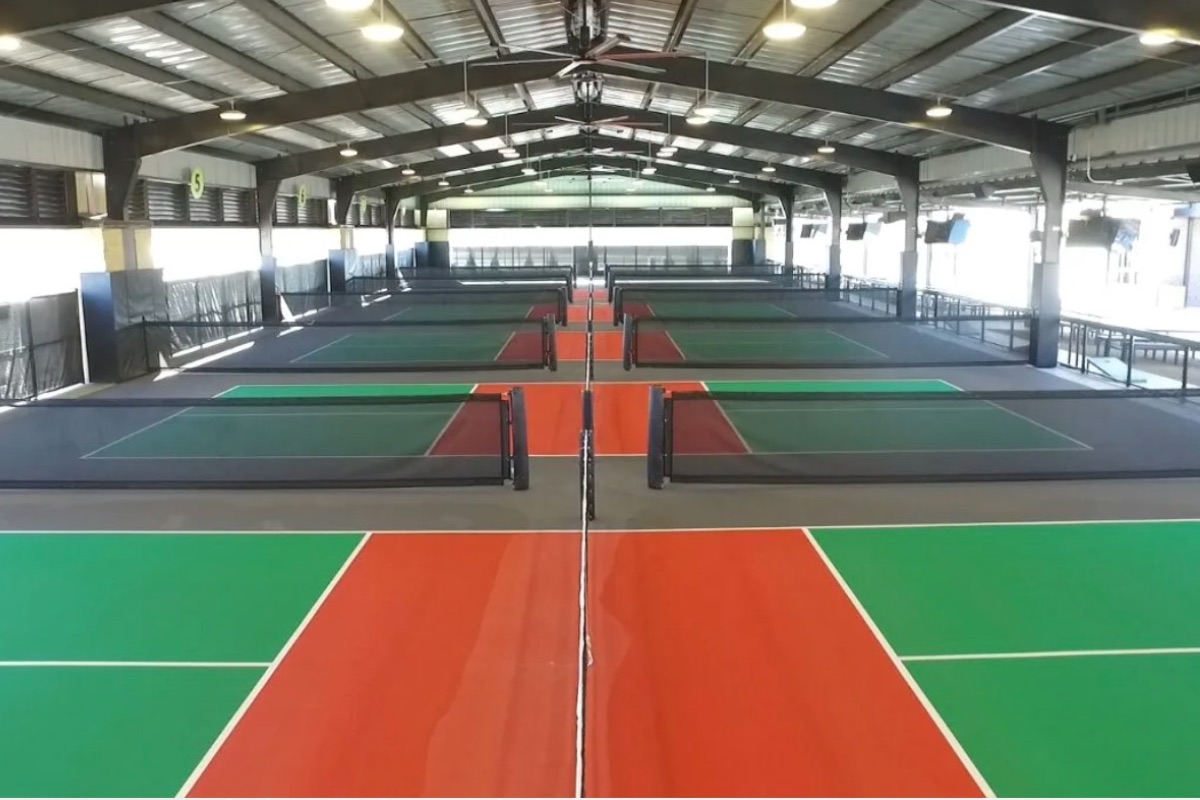
Indoor pickleball court construction in Summerlin is rapidly gaining popularity among homeowners, sports clubs, and recreational facilities looking to create year-round, climate-controlled playing environments. While outdoor courts remain popular, indoor courts offer unmatched consistency, comfort, and protection from harsh weather conditions such as extreme heat, wind, and sun glare—common concerns in Nevada.
Whether you are building a private residential court, converting a garage into a game space, or planning a large-scale indoor recreation facility, investing in a professionally designed indoor pickleball court ensures long-lasting durability, reliable performance, and a premium playing experience.
With the right design, flooring materials, and installation approach, an indoor pickleball court can become a versatile recreational asset that supports fitness, family entertainment, leagues, and even multi-sport use.
Summerlin’s desert climate creates unique advantages for indoor court development. Indoor facilities allow players to enjoy the game without worrying about weather extremes, making them an ideal solution for consistent recreational access.
Nevada weather can be unpredictable for outdoor sports. Summer heat often makes midday outdoor play uncomfortable or even unsafe.
Indoor courts solve these problems completely.
With climate control, players can enjoy comfortable games in every season.
Indoor environments create stable playing conditions that improve game quality.
Unlike outdoor courts, indoor courts eliminate environmental variables such as:
Serious players often prefer indoor courts because they offer tournament-style consistency.
A well-planned multi-use indoor court design can support several sports on one surface.
Common multi-sport combinations include:
This flexibility maximizes square footage while increasing the court’s overall value.
Families, clubs, and private facilities benefit greatly from adaptable indoor recreational spaces.
Flooring is one of the most important decisions in indoor pickleball court construction Summerlin projects because it affects safety, bounce, comfort, and long-term durability.
Synthetic indoor sports flooring is one of the most popular choices for indoor courts.
This flooring performs especially well for long play sessions and multi-sport use.
Synthetic systems are often favored by indoor pickleball court builders Nevada facilities trust because they balance comfort and resilience.
Hardwood is widely used in premium indoor sports venues.
Hardwood works best in climate-controlled spaces where humidity is regulated.
Although premium in cost, hardwood offers elite performance quality.
Modular tile flooring offers flexibility and fast installation.
Tile systems are ideal for residential conversions like garage courts or backyard indoor game court additions.
They also allow easier upgrades later.
|
Flooring Type |
Best For |
Main Advantage |
Consideration |
|
Synthetic Sports Flooring |
Multi-sport and game courts |
Cushion and comfort |
Moderate cost |
|
Hardwood Flooring |
Premium facilities |
Professional ball response |
Higher maintenance |
|
Modular Indoor Tile Systems |
Residential flexible use |
Easy replacement |
Slightly firmer bounce |
|
Cushioned Vinyl Sports Surface |
Training centers |
Soft underfoot feel |
May require periodic resurfacing |
Building a successful indoor court requires careful planning and expert execution.
Each construction phase contributes to long-term court performance.
Every project begins with analyzing available indoor dimensions.
A regulation pickleball court measures:
Recommended total indoor space:
Higher ceilings improve lob play and overall comfort.
The subfloor is critical to court stability.
Before flooring installation begins, contractors inspect:
Poor subfloor preparation leads to premature flooring failure.
Once the subfloor is ready, installers apply the selected sports flooring.
This stage includes:
Proper installation ensures long-term durability and smooth gameplay.
Professional pickleball court installation Summerlin contractors guarantee precise fit and finish.
After flooring is complete, the court is striped according to official pickleball dimensions.
Clean, accurate striping ensures proper gameplay and professional appearance.
Indoor courts offer advantages far beyond weather protection.
No rain delays, no excessive heat, no wind disruptions.
Stable conditions improve training and competition quality.
Controlled surfaces reduce slipping hazards caused by outdoor debris or weather damage.
Indoor courts are excellent for:
One indoor court can support many sports with smart design.
Additional features enhance both usability and comfort.
Provides bright, even illumination with minimal glare.
Reduces echo in enclosed spaces.
Maintains comfortable playing temperatures year-round.
Adds safety for aggressive gameplay zones.
Keeps equipment organized and accessible.
These upgrades increase both comfort and professional appeal.
Costs vary based on:
$25,000 – $60,000+
$60,000 – $150,000+
$100,000+
Custom finishes and premium flooring increase pricing.
Synthetic sports flooring is often considered best because it balances comfort, traction, durability, and shock absorption.
A minimum ceiling clearance of 18–20 feet is recommended, though higher ceilings improve gameplay comfort.
Indoor courts built over concrete typically use slabs at least 4 inches thick, depending on structural requirements.
The ideal surface depends on usage, but cushioned synthetic sports flooring is preferred for comfort and injury prevention.
Indoor pickleball courts commonly use synthetic sports flooring, hardwood, modular tiles, or cushioned vinyl systems.
Indoor pickleball court construction Summerlin homeowners and facilities invest in offers year-round recreation, superior play conditions, and long-lasting performance. Whether you are building a private home court, converting a garage into a backyard indoor game court, or developing a larger sports facility, indoor courts provide unmatched flexibility and value.
By choosing experienced indoor pickleball court builders Nevada trusts, selecting the right flooring system, and designing with long-term functionality in mind, you can create a durable, safe, and high-performance court that delivers years of reliable enjoyment.
Please Provide Your Contact Information and Project Details