
Outdoor Basketball Court Repair in Henderson, NV: Restore Your Backyard Game Court

Outdoor Basketball Court Repair in Henderson, NV: Restore Your Backyard Game Court

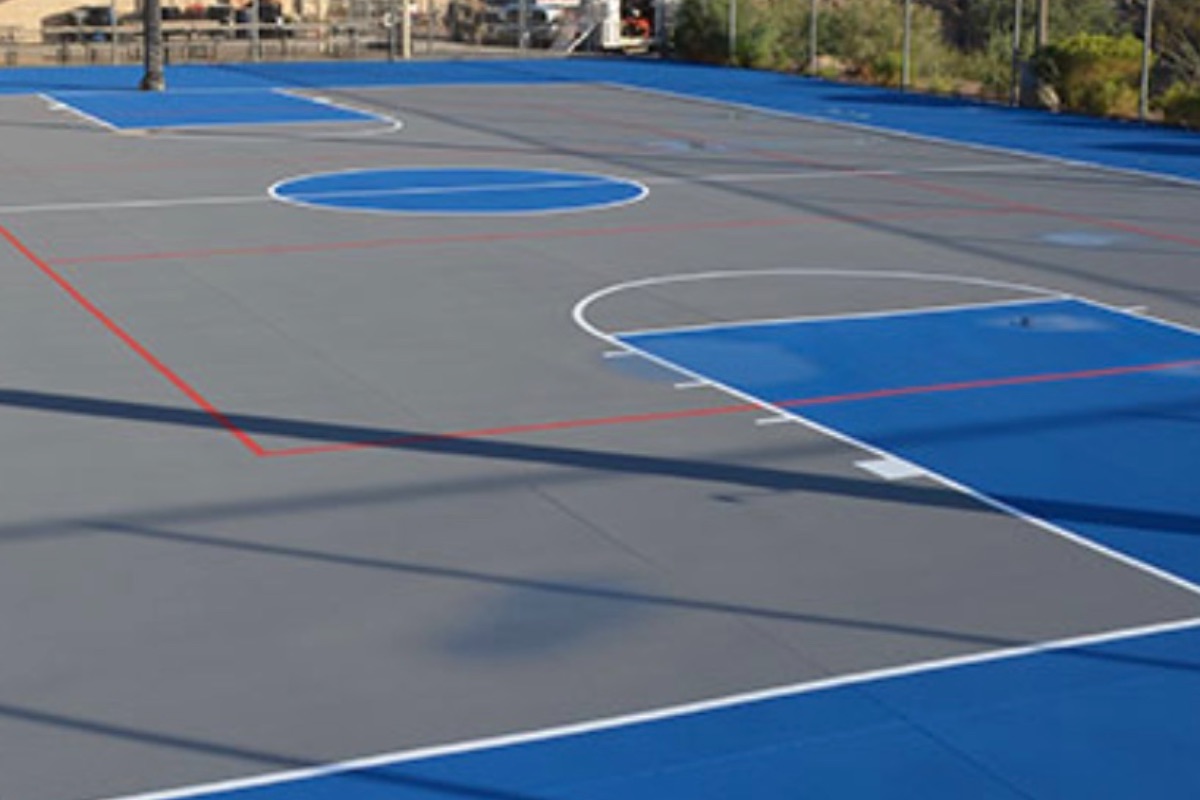
Outdoor basketball courts in Henderson, NV are constantly exposed to harsh environmental conditions. Between intense UV rays, extreme summer heat, and regular foot traffic, even the most durable surfaces will eventually show signs of wear. Cracks begin to form, coatings fade, and surfaces lose their traction—turning what was once a high-performance court into a safety risk and a frustrating playing experience.

That’s where outdoor basketball court repair Henderson NV homeowners rely on becomes essential. Proper repair and resurfacing not only restore your court’s appearance but also improve safety, extend lifespan, and bring back consistent gameplay performance. Whether your court needs minor patching or full basketball court resurfacing Henderson, understanding the repair process helps you make informed decisions and protect your investment.

A well-maintained court isn’t just about looks—it’s about function, safety, and long-term value.

Common Outdoor Basketball Court Issues

Outdoor courts experience wear in predictable ways, especially in desert climates like Nevada. Identifying these issues early can prevent costly repairs later.

Surface Cracks

Cracks are the most common issue affecting outdoor courts.

Causes:

  • Heat expansion and contraction
  • Ground settling or shifting
  • Moisture penetration into the base
  • Aging construction materials

Effects:

  • Uneven ball bounce
  • Tripping hazards for players
  • Water infiltration that worsens damage

Even small cracks should not be ignored. Over time, they expand and compromise the integrity of the entire court. Timely basketball court crack repair is the best way to prevent more expensive structural issues.

Faded or Worn Coatings

Henderson’s strong sun exposure gradually breaks down court coatings.

Signs:

  • Loss of vibrant court color
  • Reduced traction underfoot
  • Hard-to-see boundary lines
  • Chalky or dusty surface feel

This type of wear affects both aesthetics and performance. Players rely on good traction and clear lines for safe, accurate gameplay.

Uneven Surface Areas

An uneven court can make playing unpredictable and unsafe.

Causes:

  • Poor initial installation
  • Drainage issues
  • Base shifting over time
  • Soil movement beneath the slab

Problems:

  • Inconsistent ball bounce
  • Difficulty maintaining balance
  • Increased risk of injury

These issues often require leveling and resurfacing to restore proper play conditions.

Peeling or Flaking Paint

Peeling coatings are a clear sign that the court surface is failing.

Causes:

  • Low-quality materials
  • Improper surface preparation
  • Moisture trapped beneath coatings
  • Long-term wear and tear

Once paint begins to peel, simple touch-ups won’t be enough. Full resurfacing is usually required to restore the court properly.

Outdoor Basketball Court Repair Solutions

Repairing a court depends on the severity of the damage. From minor fixes to full restoration, there are several effective solutions available.

Crack Repair and Patching

Crack repair is the first step in most backyard court repair Nevada projects.

Process:

  • Clean and prepare cracked areas
  • Apply specialized acrylic court repair system materials
  • Seal cracks to prevent spreading
  • Smooth surface for even finish

Benefits:

  • Prevents further structural damage
  • Restores a level playing surface
  • Improves safety

Proper crack repair extends the life of your court significantly.

Court Resurfacing

Resurfacing is one of the most impactful ways to restore a worn court.

Includes:

  • Application of acrylic resurfacer
  • New coating layers for durability
  • Textured finish for improved traction

Benefits:

  • Smooth, consistent playing surface
  • Improved ball bounce
  • Fresh, professional appearance

This is the most common solution for courts showing moderate wear.

Color Coating and Striping

After repairs, the court is refinished with new coatings and lines.

Includes:

  • Application of new court colors
  • Repainting boundary lines
  • Optional custom designs or logos

Benefits:

  • Enhanced visibility
  • Improved aesthetics
  • Professional-quality finish

This step completes the restoration process.

Full Court Restoration

For severely damaged courts, full restoration is the best solution.

Includes:

  • Base repair and leveling
  • Crack sealing and patching
  • Full resurfacing
  • Line striping and finishing

Benefits:

  • Restores court to like-new condition
  • Extends lifespan significantly
  • Avoids full court replacement

Full outdoor game court restoration is ideal for older courts that have not been maintained regularly.

Comparison Table – Basketball Court Repair Options

Repair Type

Best For

Main Advantage

Consideration

Crack Repair

Minor damage

Prevents further cracking

Temporary if surface is worn

Resurfacing

Moderate wear

Restores entire surface

Requires downtime

Color Coating

Cosmetic updates

Improves appearance

Does not fix structural issues

Full Restoration

Severe damage

Complete renewal

Higher cost

Repair Process Overview

A structured repair process ensures durability and performance.

Step 1 – Inspection and Assessment

Professionals evaluate:

  • Surface cracks
  • Coating condition
  • Structural integrity
  • Drainage issues

This step determines the appropriate repair approach.

Step 2 – Surface Preparation

Preparation is critical for long-lasting results.

Includes:

  • Cleaning debris and dirt
  • Pressure washing the surface
  • Repairing cracks and leveling uneven areas

Without proper prep, new coatings will not adhere properly.

Step 3 – Resurfacing Application

Acrylic resurfacing materials are applied evenly.

Process:

  • Apply base resurfacer
  • Add multiple coating layers
  • Ensure consistent texture

This restores the core playing surface.

Step 4 – Line Striping and Finishing

Final touches include:

  • Repainting court lines
  • Adding optional multi-sport markings
  • Final inspection

This step ensures accuracy and visual clarity.

Benefits of Repairing Your Basketball Court

Repairing your court offers long-term advantages beyond appearance.

Improved Player Safety

Smooth surfaces reduce risks of slipping and tripping.

Restored Game Performance

Consistent ball bounce improves gameplay quality.

Extended Court Lifespan

Repairs prevent further deterioration and delay replacement.

Enhanced Visual Appeal

Fresh coatings make your court look new again.

Increased Property Value

A well-maintained court adds functional and aesthetic value to your home.

Signs You Need Court Repair

Recognizing early warning signs helps avoid major issues.

Watch for:

  • Visible cracks
  • Faded or peeling paint
  • Slippery or rough surface
  • Uneven playing areas
  • Water pooling after rain

If you notice any of these, it’s time to consider outdoor basketball court repair Henderson NV services.

Maintenance Tips After Repair

Once your court is repaired, proper maintenance keeps it in top condition.

Best Practices:

  • Sweep debris regularly
  • Wash surface periodically
  • Inspect for early cracks
  • Keep drainage areas clear
  • Recoat every few years

Regular maintenance reduces the need for major repairs.

Cost Considerations for Court Repair

Costs vary depending on the level of repair required.

Typical Factors:

  • Extent of surface damage
  • Size of the court
  • Type of materials used
  • Labor and preparation work
  • Additional features like striping or customization

Minor repairs are relatively affordable, while full resurfacing or restoration involves a larger investment but delivers long-term value.

DIY vs Professional Repair

Some homeowners consider DIY repairs, but there are important differences.

DIY Repair:

  • Lower upfront cost
  • Suitable for minor cracks
  • Requires proper tools and materials

Professional Repair:

  • Higher quality results
  • Longer-lasting repairs
  • Proper surface preparation and materials

For significant damage, professional repair is usually the better option.

Frequently Asked Questions (FAQs)

How often should a basketball court be resurfaced in Henderson, NV?

Typically every 4–8 years, depending on usage and exposure to sun and weather conditions.

Can cracks in a basketball court be repaired?

Yes, crack repair systems effectively seal and restore damaged areas.

Is resurfacing better than replacing the court?

In most cases, resurfacing is more cost-effective and extends the court’s lifespan significantly.

What materials are used for court repair?

Common materials include acrylic coatings, crack fillers, and resurfacing compounds.

How long does court repair take?

Most repair projects can be completed within a few days, depending on the extent of damage.

Investing in outdoor basketball court repair Henderson NV homeowners trust is essential for maintaining a safe, durable, and high-performing court. Whether you need minor basketball court crack repair or full basketball court resurfacing Henderson, timely repairs protect your investment and enhance your playing experience.

With the right approach, quality materials, and proper maintenance, your court can continue to deliver years of reliable performance without the need for full replacement.
Outdoor Basketball Court Surface in Boulder City, NV: Best Materials, Design & Installation Guide

Outdoor Basketball Court Surface in Boulder City, NV: Best Materials, Design & Installation Guide

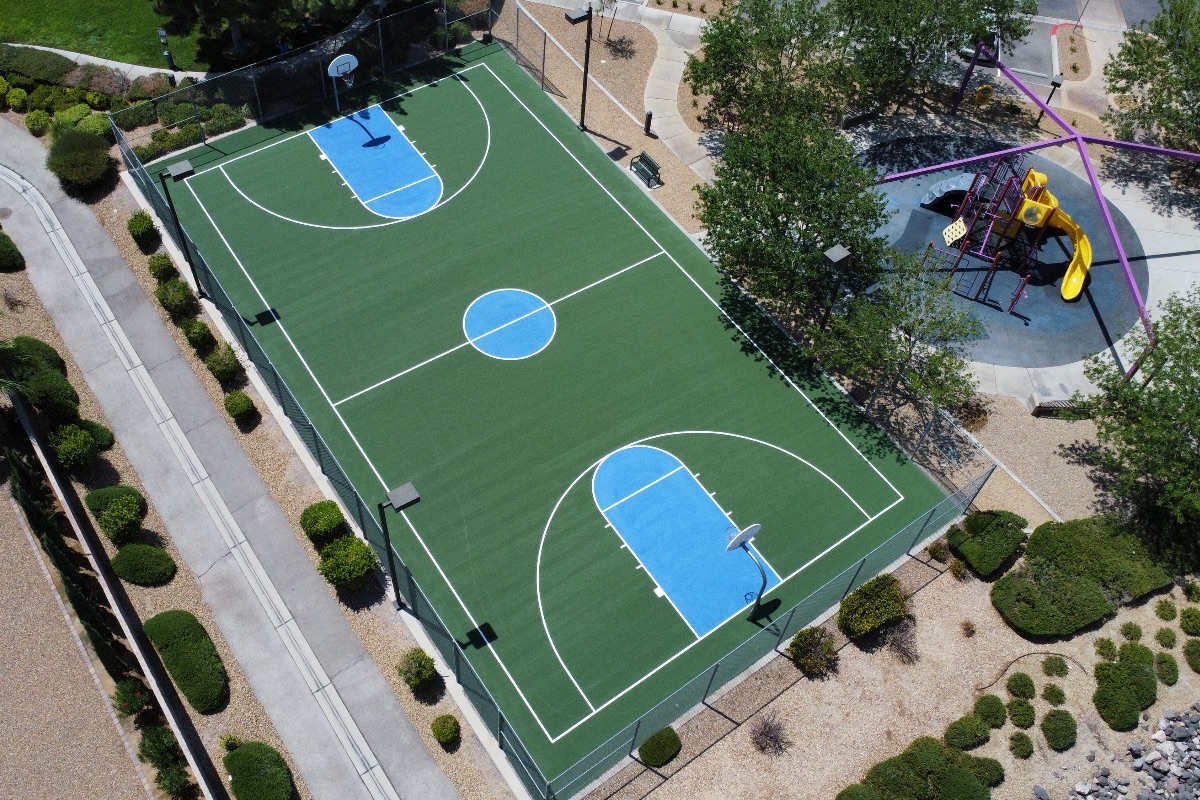
Choosing the right outdoor basketball court surface Boulder City NV homeowners rely on is essential for building a court that performs well, lasts for years, and withstands the harsh desert climate. In Boulder City, intense sun, extreme heat, and dry conditions can quickly wear down inferior materials, making surface selection one of the most important decisions in any court project.

Whether you’re designing a half-court for your backyard, a full recreational court, or a flexible multi-sport space, the surface you choose will directly impact traction, ball bounce, comfort, and maintenance requirements. The best basketball court flooring Nevada residents invest in is designed specifically for outdoor performance in high-temperature environments.

With proper planning and the right materials, your court can deliver consistent gameplay, improved safety, and long-term durability.

Best Outdoor Basketball Court Surface Options

There are several high-quality surface systems available for outdoor courts, each offering unique benefits depending on your goals, budget, and usage.

Acrylic-Coated Concrete Surface

An acrylic court surface system is one of the most widely used and trusted options for outdoor basketball courts in desert regions.

Key Features:

  • UV-resistant and heat-tolerant coatings
  • Consistent ball bounce and traction
  • Durable and long-lasting surface
  • Low maintenance over time

Best For:

Permanent backyard courts in Boulder City and other hot climates.

This surface provides a professional feel and is ideal for players who want predictable performance and long-term reliability.

Modular Interlocking Tile Surface

Modular basketball court tiles are a modern solution that offers flexibility, comfort, and ease of maintenance.

Key Features:

  • Shock-absorbing surface for joint comfort
  • Excellent drainage and airflow
  • Easy replacement of damaged sections
  • Customizable colors and layouts

Best For:

Multi-use backyard courts and family recreation spaces.

Tile systems are especially popular for homeowners who want a slightly softer feel underfoot and the ability to upgrade or repair the court easily.

Asphalt with Sport Coating System

Asphalt remains a traditional and cost-effective base for outdoor courts, especially when combined with sport coatings.

Key Features:

  • Strong structural base
  • Suitable for large court installations
  • Can be resurfaced over time
  • Cost-efficient for bigger projects

Best For:

Driveways, large backyard courts, and community recreational spaces.

While asphalt may require more maintenance than concrete, it remains a reliable option for many outdoor installations.

Synthetic Cushioned Court Surface

Synthetic surfaces are designed with player comfort in mind, making them a great choice for recreational courts.

Key Features:

  • Cushioned surface reduces joint impact
  • Slip-resistant texture
  • Comfortable for extended play sessions
  • Multi-sport compatibility

Best For:

Family-friendly courts and multi-use recreational areas.

These surfaces are ideal when safety and comfort are top priorities.

Comparison Table – Outdoor Basketball Court Surfaces

Surface Type

Best For

Main Advantage

Consideration

Acrylic-Coated Concrete

Competitive play

Professional bounce and durability

Harder surface feel

Modular Tile Systems

Residential use

Comfort and easy repair

Higher initial cost

Asphalt with Coating

Large courts

Cost-effective base

Requires resurfacing

Synthetic Cushioned Surface

Family recreation

Soft and safe

Less pro-style bounce

How to Choose the Right Court Surface in Boulder City

Selecting the right surface depends on several key factors.

Climate Considerations

Boulder City’s desert environment demands materials that can handle:

  • Extreme heat
  • Intense UV exposure
  • Dry air conditions

The best desert climate basketball court surface options include acrylic coatings and modular tile systems, which are specifically engineered for outdoor durability.

Usage Type

How the court will be used should guide your decision.

Casual Play:

  • Synthetic or cushioned surfaces
  • Modular tile systems

Competitive Play:

  • Acrylic-coated concrete
  • Asphalt with sport coatings

Multi-Sport Use:

  • Modular tile systems
  • Synthetic surfaces

Matching the surface to the intended activity ensures better long-term satisfaction.

Maintenance Preferences

Different surfaces require different levels of upkeep.

Low Maintenance Options:

  • Acrylic-coated concrete
  • Modular tiles

Higher Maintenance Options:

  • Asphalt systems
  • Some synthetic surfaces

Choosing a low-maintenance material can reduce long-term costs and effort.

Space and Design Goals

Your available space will influence your surface choice.

  • Smaller yards: modular tiles or compact acrylic courts
  • Larger properties: full courts or multi-use designs
  • Multi-sport areas: flexible tile or synthetic systems

A well-planned layout ensures the court fits your property and usage needs.

Benefits of the Right Outdoor Court Surface

Selecting the right outdoor game court flooring provides several long-term advantages.

Improved Player Safety

Proper traction reduces slipping hazards, while cushioned surfaces help reduce joint strain.

Consistent Ball Bounce

High-quality surfaces provide predictable gameplay, improving overall performance.

Increased Court Lifespan

Durable materials resist weather damage and heavy use, extending the life of your court.

Lower Maintenance Requirements

Modern surfaces require less frequent repairs and resurfacing.

Enhanced Property Value

A well-designed court adds visual appeal and functional value to your home.

Common Mistakes to Avoid

Avoiding common errors helps ensure your court performs well over time.

Choosing Indoor Materials for Outdoor Use

Indoor surfaces are not designed to withstand UV exposure and weather conditions.

Ignoring Heat and UV Exposure

Failure to consider climate can lead to fading, cracking, and early surface failure.

Poor Base Preparation

A weak or uneven foundation can cause surface shifting and long-term damage.


Skipping Drainage Planning

Improper drainage leads to water buildup and surface deterioration.

Using Low-Quality Coatings

Cheap coatings fade quickly and wear out faster under heavy use.

Installation Overview

Building a high-quality court involves several key steps.

Step 1 – Site Preparation

  • Level the ground or existing slab
  • Ensure proper drainage slope
  • Prepare a stable base

Step 2 – Surface Installation

  • Install concrete, asphalt, or tile system
  • Apply coatings or surface layers
  • Ensure even finish

Step 3 – Court Striping

  • Add basketball lines and markings
  • Include optional multi-sport striping

Step 4 – Equipment Setup

  • Install hoops and accessories
  • Perform final inspection

Proper installation ensures durability and performance.

Frequently Asked Questions (FAQs)

What is the best surface for an outdoor basketball court?

Acrylic-coated concrete is one of the best options for durability and performance, while modular tiles provide added comfort and flexibility.

What is the best flooring for a basketball court?

It depends on usage. Outdoor courts often use acrylic or tile systems, while indoor courts typically use hardwood or synthetic flooring.

How thick does a slab need to be for a basketball court?

Most outdoor courts require a concrete slab at least 4 inches thick, depending on soil conditions and use.

What can I use instead of concrete for an outdoor basketball court?

Asphalt, modular tile systems, and synthetic surfaces can all be used depending on the design.

What type of surface is a basketball court played on?

Basketball courts can be played on concrete, asphalt, acrylic-coated surfaces, modular tiles, or synthetic sports flooring.

Choosing the right outdoor basketball court surface Boulder City NV homeowners trust is essential for building a court that performs well in extreme desert conditions. From durable acrylic court surface systems to flexible modular basketball court tiles, each option offers unique advantages depending on your needs.

By selecting the right backyard basketball court surface options, planning for climate conditions, and using proper installation techniques, you can create a long-lasting outdoor game court flooring solution that delivers performance, safety, and value for years to come.

Indoor Pickleball Court Construction in Summerlin: Design, Materials & Installation Guide

Indoor Pickleball Court Construction in Summerlin: Design, Materials & Installation Guide

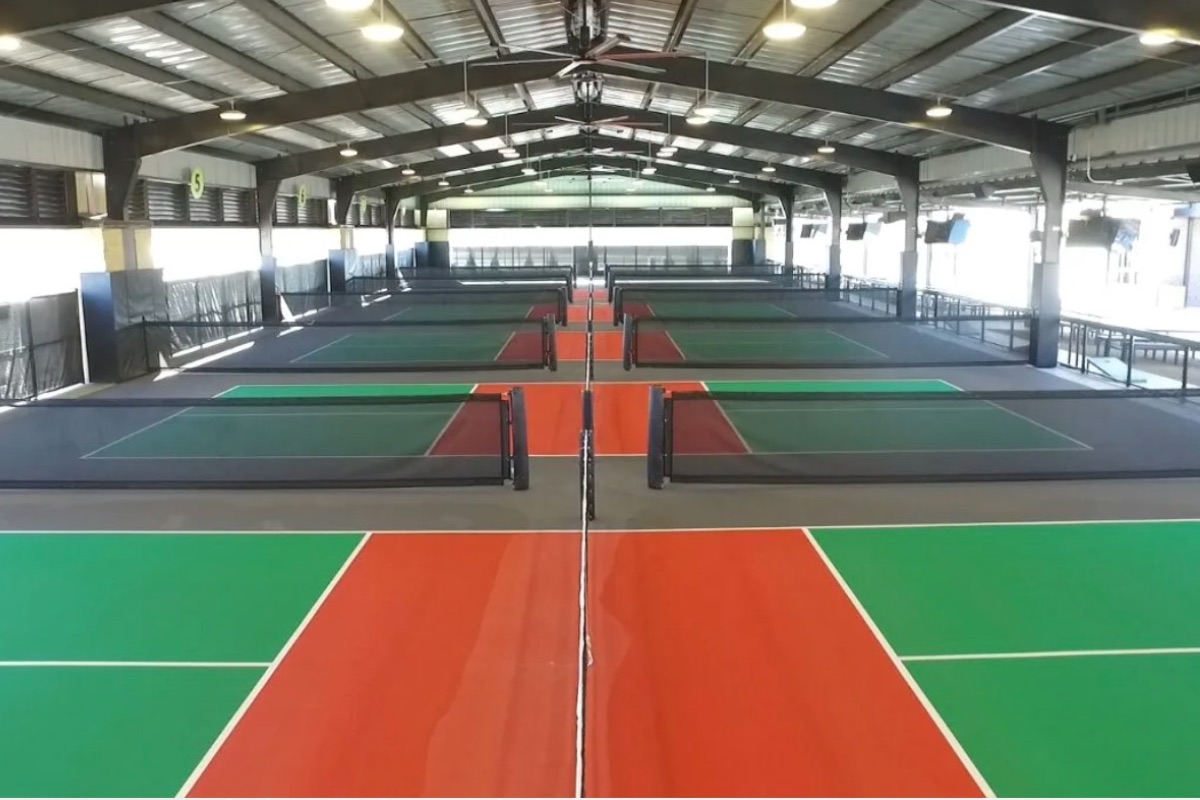
Indoor pickleball court construction in Summerlin is rapidly gaining popularity among homeowners, sports clubs, and recreational facilities looking to create year-round, climate-controlled playing environments. While outdoor courts remain popular, indoor courts offer unmatched consistency, comfort, and protection from harsh weather conditions such as extreme heat, wind, and sun glare—common concerns in Nevada.

Whether you are building a private residential court, converting a garage into a game space, or planning a large-scale indoor recreation facility, investing in a professionally designed indoor pickleball court ensures long-lasting durability, reliable performance, and a premium playing experience.

With the right design, flooring materials, and installation approach, an indoor pickleball court can become a versatile recreational asset that supports fitness, family entertainment, leagues, and even multi-sport use.

Why Build an Indoor Pickleball Court in Summerlin?

Summerlin’s desert climate creates unique advantages for indoor court development. Indoor facilities allow players to enjoy the game without worrying about weather extremes, making them an ideal solution for consistent recreational access.

Year-Round Play Without Weather Interruptions

Nevada weather can be unpredictable for outdoor sports. Summer heat often makes midday outdoor play uncomfortable or even unsafe.

Indoor courts solve these problems completely.

Benefits Include:

  • No sun glare affecting visibility
  • No heat-related court surface overheating
  • No wind interference during rallies
  • Reliable year-round scheduling

With climate control, players can enjoy comfortable games in every season.

Better Control and Performance

Indoor environments create stable playing conditions that improve game quality.

Unlike outdoor courts, indoor courts eliminate environmental variables such as:

  • Wind drift on ball flight
  • Uneven sun lighting
  • Surface temperature fluctuations

Performance Benefits:

  • More consistent ball bounce
  • Predictable shot accuracy
  • Stable lighting conditions
  • Enhanced competitive play

Serious players often prefer indoor courts because they offer tournament-style consistency.

Multi-Use Indoor Game Space

A well-planned multi-use indoor court design can support several sports on one surface.

Common multi-sport combinations include:

  • Pickleball
  • Basketball
  • Volleyball
  • Badminton

This flexibility maximizes square footage while increasing the court’s overall value.

Families, clubs, and private facilities benefit greatly from adaptable indoor recreational spaces.

Best Flooring Options for Indoor Pickleball Courts

Flooring is one of the most important decisions in indoor pickleball court construction Summerlin projects because it affects safety, bounce, comfort, and long-term durability.

Synthetic Sports Flooring

Synthetic indoor sports flooring is one of the most popular choices for indoor courts.

Features:

  • Shock-absorbing cushioning
  • Slip-resistant texture
  • Reduced joint stress
  • Excellent durability

This flooring performs especially well for long play sessions and multi-sport use.

Synthetic systems are often favored by indoor pickleball court builders Nevada facilities trust because they balance comfort and resilience.

Hardwood Flooring

Hardwood is widely used in premium indoor sports venues.

Features:

  • Professional-level ball response
  • Smooth consistent surface
  • Attractive upscale appearance
  • Excellent rebound characteristics

Hardwood works best in climate-controlled spaces where humidity is regulated.

Although premium in cost, hardwood offers elite performance quality.

Modular Indoor Tile Systems

Modular tile flooring offers flexibility and fast installation.

Features:

  • Interlocking easy-install panels
  • Replaceable damaged sections
  • Cushioned impact protection
  • Multi-sport compatibility

Tile systems are ideal for residential conversions like garage courts or backyard indoor game court additions.

They also allow easier upgrades later.

Comparison Table – Indoor Pickleball Court Flooring Options

Flooring Type

Best For

Main Advantage

Consideration

Synthetic Sports Flooring

Multi-sport and game courts

Cushion and comfort

Moderate cost

Hardwood Flooring

Premium facilities

Professional ball response

Higher maintenance

Modular Indoor Tile Systems

Residential flexible use

Easy replacement

Slightly firmer bounce

Cushioned Vinyl Sports Surface

Training centers

Soft underfoot feel

May require periodic resurfacing


Indoor Court Construction Process

Building a successful indoor court requires careful planning and expert execution.

Each construction phase contributes to long-term court performance.

Space Planning & Design

Every project begins with analyzing available indoor dimensions.

Key Planning Considerations:

  • Minimum court size requirements
  • Ceiling clearance height
  • Lighting placement
  • Ventilation systems
  • Access pathways

A regulation pickleball court measures:

  • 20 ft x 44 ft playing area

Recommended total indoor space:

  • At least 30 ft x 60 ft

Higher ceilings improve lob play and overall comfort.

Subfloor Preparation

The subfloor is critical to court stability.

Before flooring installation begins, contractors inspect:

  • Concrete slab condition
  • Moisture levels
  • Structural integrity
  • Surface flatness

Preparation May Include:

  • Leveling uneven slabs
  • Moisture barrier installation
  • Reinforcement where needed

Poor subfloor preparation leads to premature flooring failure.

Flooring Installation

Once the subfloor is ready, installers apply the selected sports flooring.

This stage includes:

  • Surface alignment precision
  • Shock layer placement
  • Expansion gap allowance
  • Adhesion or locking systems

Proper installation ensures long-term durability and smooth gameplay.

Professional pickleball court installation Summerlin contractors guarantee precise fit and finish.

Court Striping & Finishing

After flooring is complete, the court is striped according to official pickleball dimensions.

Final Finishing Includes:

  • Regulation court markings
  • Non-volley zone (“kitchen”) lines
  • Multi-sport striping if needed
  • Net post installation
  • Optional wall padding

Clean, accurate striping ensures proper gameplay and professional appearance.


Key Benefits of Indoor Pickleball Courts

Indoor courts offer advantages far beyond weather protection.

Weather-Proof Playing Environment

No rain delays, no excessive heat, no wind disruptions.

Consistent Year-Round Performance

Stable conditions improve training and competition quality.

Safer Playing Conditions

Controlled surfaces reduce slipping hazards caused by outdoor debris or weather damage.

Ideal for Training and Leagues

Indoor courts are excellent for:

  • Private practice
  • Coaching sessions
  • Club tournaments
  • Family recreation

Customizable Multi-Sport Functionality

One indoor court can support many sports with smart design.

Design Features That Improve Indoor Court Quality

Additional features enhance both usability and comfort.

Recommended Upgrades:

LED Sports Lighting

Provides bright, even illumination with minimal glare.

Acoustic Sound Treatment

Reduces echo in enclosed spaces.

Climate Control Systems

Maintains comfortable playing temperatures year-round.

Wall Padding Protection

Adds safety for aggressive gameplay zones.

Storage Areas

Keeps equipment organized and accessible.

These upgrades increase both comfort and professional appeal.

Cost Considerations for Indoor Court Construction

Costs vary based on:

  • Flooring material selection
  • Space size
  • Structural modifications
  • Lighting additions
  • HVAC upgrades

Typical Cost Range Estimates:

Residential Indoor Court:

$25,000 – $60,000+

Premium Luxury Private Court:

$60,000 – $150,000+

Commercial Indoor Facility Courts:

$100,000+

Custom finishes and premium flooring increase pricing.

Frequently Asked Questions (FAQs)

What is the best material for an indoor pickleball court?

Synthetic sports flooring is often considered best because it balances comfort, traction, durability, and shock absorption.

What is the ideal height for an indoor pickleball court?

A minimum ceiling clearance of 18–20 feet is recommended, though higher ceilings improve gameplay comfort.

How thick does concrete need to be for a pickleball court?

Indoor courts built over concrete typically use slabs at least 4 inches thick, depending on structural requirements.

What is the ideal surface for a pickleball court?

The ideal surface depends on usage, but cushioned synthetic sports flooring is preferred for comfort and injury prevention.

What is the surface of an indoor pickleball court?

Indoor pickleball courts commonly use synthetic sports flooring, hardwood, modular tiles, or cushioned vinyl systems.

Indoor pickleball court construction Summerlin homeowners and facilities invest in offers year-round recreation, superior play conditions, and long-lasting performance. Whether you are building a private home court, converting a garage into a backyard indoor game court, or developing a larger sports facility, indoor courts provide unmatched flexibility and value.

By choosing experienced indoor pickleball court builders Nevada trusts, selecting the right flooring system, and designing with long-term functionality in mind, you can create a durable, safe, and high-performance court that delivers years of reliable enjoyment.

GET A QUOTE

Please Provide Your Contact Information and Project Details