
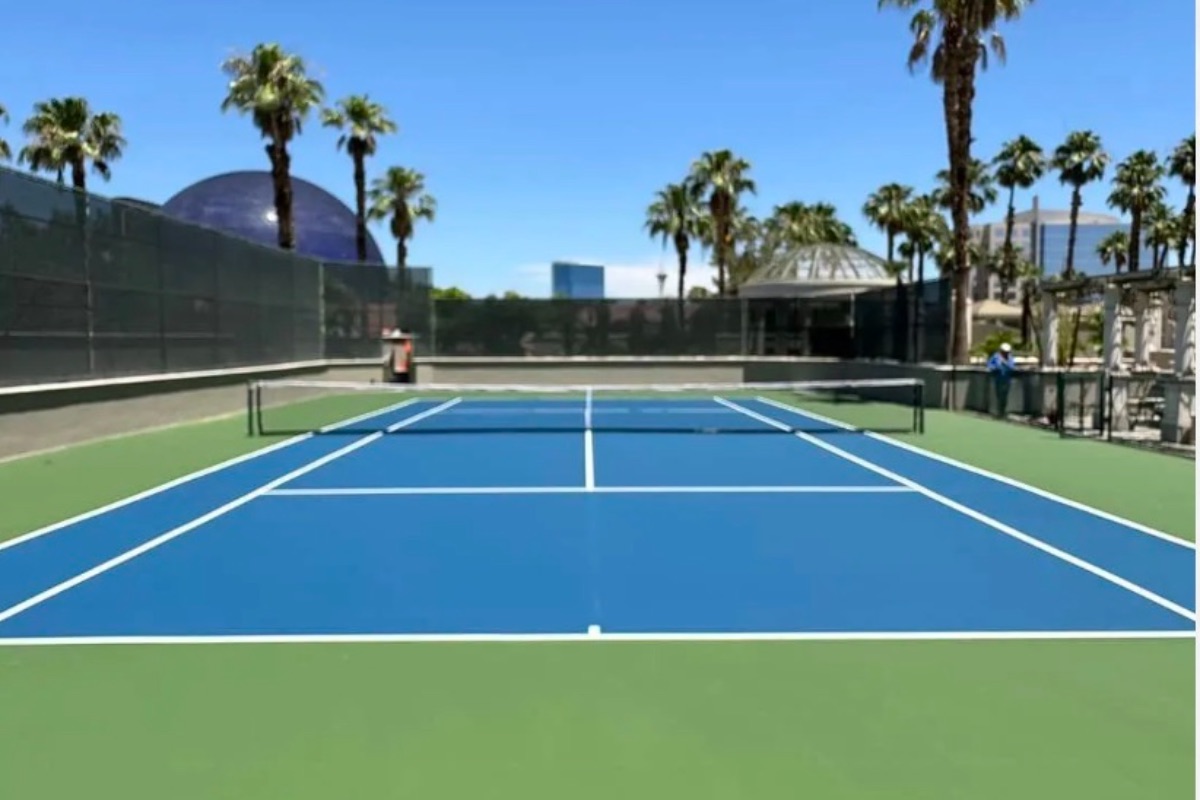
A pickleball court is an investment in recreation, fitness, and property value. Whether you own a private backyard court or manage a shared multi-use sports space, proper pickleball court maintenance is the key to preserving safety, appearance, and long-term playability.
Without regular upkeep, even the best-designed courts can suffer from fading, cracking, poor traction, standing water, and uneven play surfaces. Dirt buildup, UV exposure, weather changes, and everyday foot traffic all gradually wear down court materials. The good news is that routine maintenance is simple, affordable, and highly effective in preventing major repairs.
By following a smart maintenance plan, homeowners and facility managers can extend court life, reduce repair costs, and ensure consistent game performance year after year.
Routine care is about far more than keeping the court looking clean. Proper maintenance directly affects safety, performance, and structural longevity.
Safety is one of the most important reasons for regular court upkeep.
Dust, algae, debris, standing water, and surface wear can create hazardous playing conditions.
A clean and level surface helps players move confidently without unnecessary injury risks.
Minor damage becomes expensive when ignored.
Small cracks, faded coatings, clogged drainage systems, and loose surface materials worsen over time if left untreated.
Consistent outdoor pickleball court upkeep significantly extends the usable life of every court type.
A poorly maintained court affects gameplay immediately.
Surface deterioration changes:
Well-maintained courts provide a smoother, more reliable playing experience.
Simple recurring tasks form the foundation of effective court care.
Cleaning is the single most important part of backyard pickleball court care.
Dust, leaves, sand, pollen, and debris can wear down surface coatings and reduce traction.
Never allow organic debris to sit too long, especially in damp climates where mold may develop.
Inspecting the court regularly allows early detection before damage worsens.
Small repairs cost far less than full resurfacing later.
Standing water is one of the biggest threats to court durability.
Poor drainage leads to:
Drainage care is critical for long-lasting outdoor pickleball court upkeep.
Different surfaces require different care strategies.
Acrylic courts are durable but require protective care.
Acrylic surfaces perform best when resurfaced on schedule.
Modular courts offer flexibility and easier repairs.
One major advantage of modular systems is easy part replacement without full resurfacing.
Synthetic cushioned courts prioritize comfort but need gentler maintenance.
These surfaces benefit from lighter cleaning methods that preserve texture integrity.
|
Surface Type |
Cleaning Frequency |
Repair Complexity |
Lifespan Maintenance Need |
|
Acrylic-Coated Court |
Weekly |
Moderate |
Recoat every few years |
|
Modular Tile Court |
Weekly |
Easy |
Replace damaged tiles as needed |
|
Synthetic Game Court |
Weekly |
Moderate |
Inspect cushion wear annually |
|
Asphalt Base Court |
Frequent |
Higher |
Crack sealing may be needed |
Weather changes create unique maintenance needs.
Extreme sun and heat can dry surfaces and fade coatings faster.
High desert climates demand extra vigilance for sun-related wear.
Even dry climates experience occasional heavy rain.
After storms:
Fast response prevents moisture-related damage.
Knowing how to respond early saves money.
Cause: UV exposure and aging coatings
Solution: Recoat with fresh acrylic resurfacer
Cause: Temperature shifts or settling
Solution: Fill cracks with approved repair compounds
Cause: Dirt, algae, moisture buildup
Solution: Deep clean with non-abrasive court-safe cleaner
Cause: Expansion, locking failure, wear
Solution: Replace or resecure damaged tile sections
A consistent maintenance schedule provides major long-term rewards.
Cleaner surfaces reduce accident risks.
Even surfaces maintain predictable play.
Bright colors and clean lines improve aesthetics.
Small fixes prevent major reconstruction expenses.
Routine care protects your original investment.
A simple annual schedule helps keep maintenance organized.
Consistency matters more than intensity.
Maintain a pickleball court by sweeping debris regularly, washing the surface periodically, inspecting for cracks, managing drainage, and repairing damage early.
A soft rubber court squeegee with wide coverage is ideal because it removes water efficiently without damaging the playing surface.
Minor repairs include crack filling, replacing loose tiles, recoating worn surfaces, and restoring faded line striping. Larger structural issues may require professional resurfacing.
Acrylic-coated concrete is widely preferred for durability and professional bounce, while modular tiles offer comfort and easier maintenance.
No, pickleball courts are typically finished with smooth athletic coatings, not broom finishes, to ensure consistent ball bounce and safe traction.
Proper pickleball court maintenance protects more than just appearance—it preserves safety, performance, and long-term value. Whether your court uses acrylic coatings, modular tiles, or synthetic surfaces, consistent care prevents small issues from becoming expensive repairs.
With regular backyard pickleball court care, smart game court maintenance tips, and surface-specific cleaning routines, your court can remain attractive, safe, and fully playable for many years.
A great court does not stay great by accident—it stays great through maintenance.
Please Provide Your Contact Information and Project Details