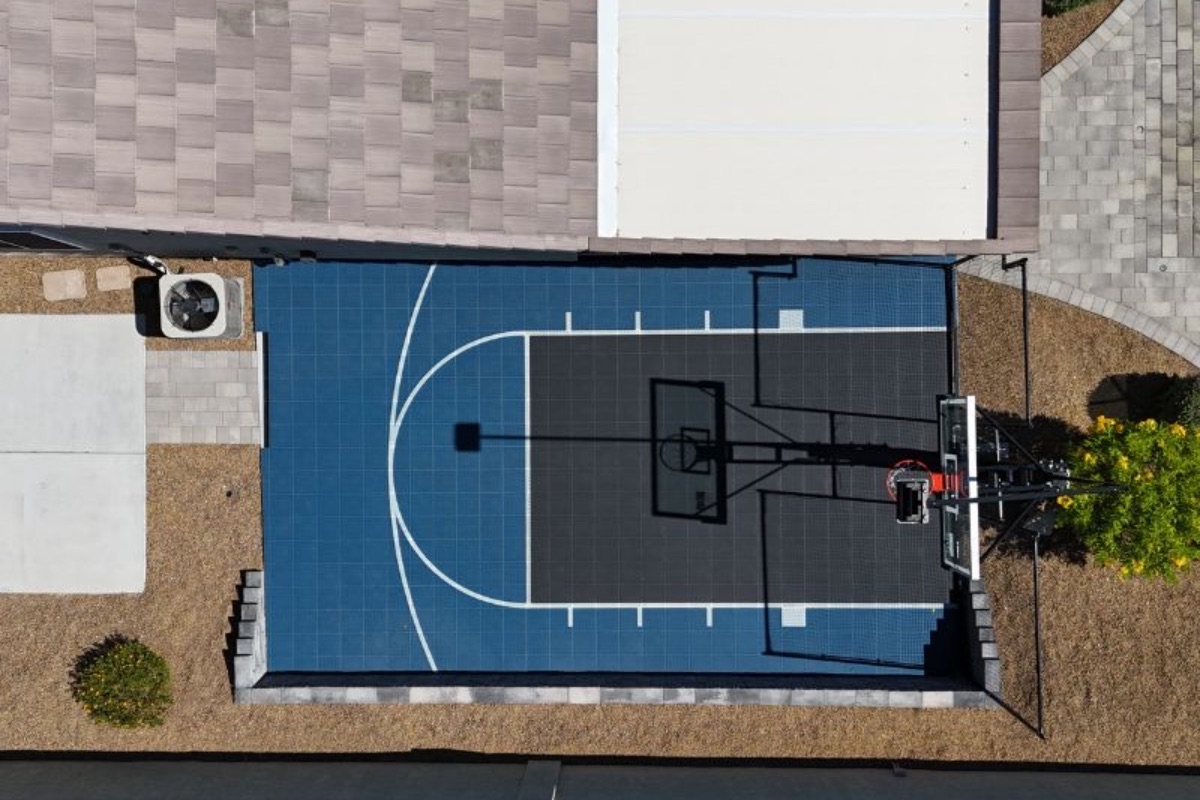
How to Paint a Pickleball Court: Step-by-Step Guide for a Professional Backyard Finish

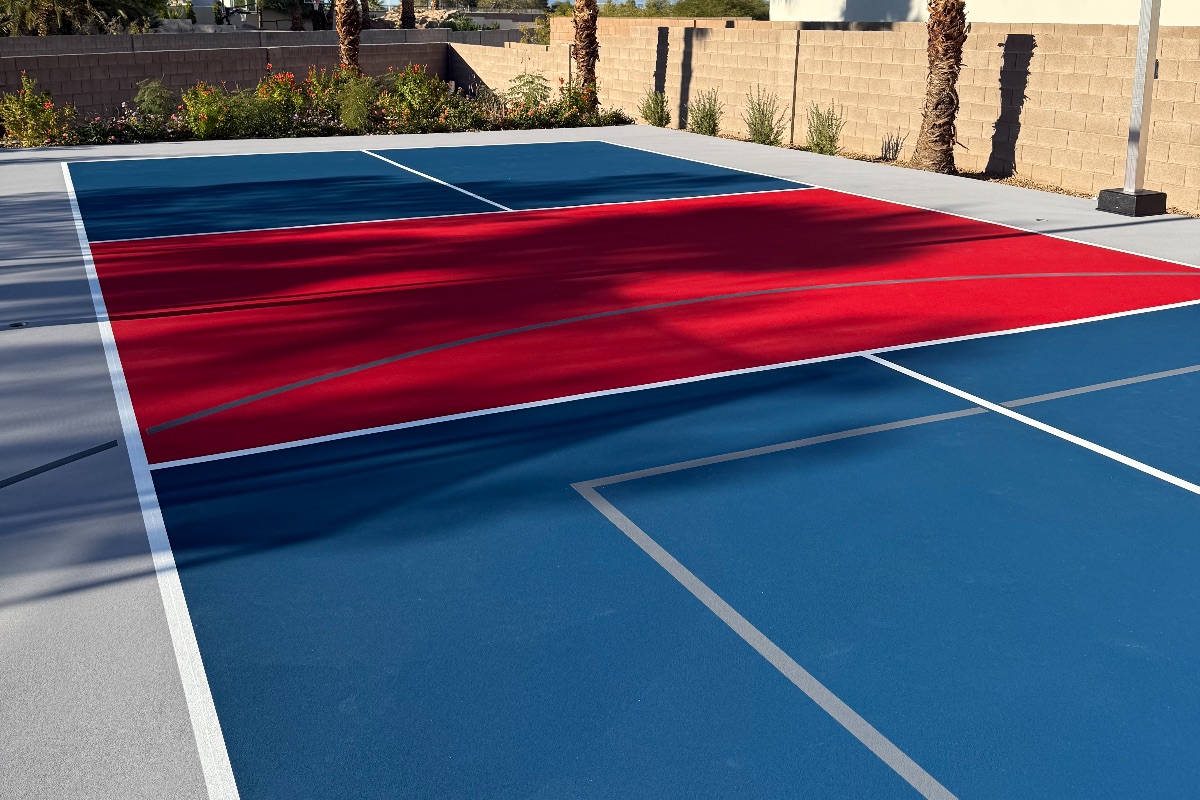
How to Paint a Pickleball Court: Step-by-Step Guide for a Professional Backyard Finish
Painting a pickleball court is one of the most important steps in creating a high-quality playing surface that delivers both professional performance and long-lasting durability. Whether you’re transforming a driveway, resurfacing an old tennis court, or finishing a newly built backyard sports space, knowing how to paint a pickleball court correctly ensures accurate gameplay, clean court boundaries, and an attractive finished appearance.
A properly painted court is not simply about aesthetics. It affects ball bounce consistency, player traction, visibility, and safety. Using the correct materials, preparation techniques, and layout measurements can make the difference between a court that lasts for years and one that fades, cracks, or peels after one season.
This complete pickleball court painting guide walks you through every stage of the process—from preparing the surface to applying acrylic court paint and sealing the final finish.
Step 1 – Prepare the Court Surface
Before opening a paint can, surface preparation must come first. Skipping this stage is one of the biggest mistakes people make when learning how to paint a pickleball court.
A clean, level, and stable surface helps paint adhere properly and prevents premature cracking or peeling.
Clean and Repair the Surface
The first step is making sure the playing area is completely free of dirt, grease, and damage.
Key Actions:
- Pressure wash the entire surface
- Remove dust, debris, leaves, and oil stains
- Fill cracks and holes with patching compound
- Repair uneven or chipped areas
- Allow full drying time before painting
Even hairline cracks should be repaired before painting because moisture can seep in and worsen damage over time.
If the surface is not fully dry before painting begins, trapped moisture may cause bubbling or peeling later.
Check Surface Type Compatibility
Different surfaces require different preparation methods before applying paint.
Concrete Surfaces:
Concrete courts require:
- Thorough cleaning
- Possible acid etching or primer application
- Crack filling before painting
Asphalt Surfaces:
Asphalt surfaces may need:
- Sealcoating before paint application
- Surface stabilization if aging or brittle
Existing Coated Courts:
Previously painted courts often require:
- Light sanding
- Removal of loose peeling paint
- Surface bonding primer if necessary
Understanding your outdoor pickleball court surface type helps ensure proper paint adhesion and long-term durability.
Step 2 – Mark the Court Layout
An accurate court layout is essential because even small measurement errors can affect gameplay quality.
Court striping must match official pickleball standards for regulation play.
Standard Pickleball Dimensions
Official pickleball court dimensions are:
- Court size: 20 ft x 44 ft
- Non-volley zone (“kitchen”): 7 ft from net on both sides
- Recommended minimum total play area: 30 ft x 60 ft
For more comfortable movement space, many homeowners prefer larger layouts such as 34 ft x 64 ft.
When planning backyard pickleball court lines, always measure twice before marking.
Use Chalk or Tape for Precision
To create clean and accurate markings:
Tools Needed:
- Measuring tape
- Chalk line reel
- Painter’s tape
- Straight edge ruler
Process:
- Measure and mark all corners first
- Snap chalk lines for layout guides
- Apply painter’s tape along striping edges
- Double-check dimensions before painting
Painter’s tape creates crisp professional lines and prevents paint bleeding.
Precision at this stage determines the final appearance of your game court striping.
Step 3 – Apply Court Paint
Now comes the most visible and transformative phase: painting the court surface.
Choosing the correct paint and applying it properly ensures both beauty and durability.
Choose the Right Paint Type
Always use acrylic court paint specifically designed for athletic surfaces.
Standard household paint is not suitable because it lacks durability, traction texture, and UV resistance.
Benefits of Acrylic Court Paint:
- UV-resistant against sun fading
- Slip-resistant texture for safety
- Weather-resistant durability
- Long-lasting color retention
Acrylic court paint is specially formulated to withstand outdoor sports use and repeated foot traffic.
Apply Base Color First
The base coat creates the court’s main playing area color.
Common Court Colors:
Popular pickleball court color combinations include:
- Blue playing area with green borders
- Green center with red outer zones
- Gray neutral courts for modern aesthetics
Application Methods:
Use:
- Heavy-duty rollers
- Professional paint sprayers
- sport and game courtt squeegee applicators
Apply the first coat evenly and allow full drying before adding a second coat.
Two coats are generally recommended for the best coverage and durability.
Paint Court Lines
Once the base surface dries, paint the official boundary and service lines.
Best Practices:
- Keep painter’s tape firmly sealed
- Use contrasting white or yellow line paint
- Apply thin even coats
- Remove tape carefully after partial drying
Clean line striping is critical for visibility during gameplay.
Well-painted backyard pickleball court lines improve both function and appearance.
Step 4 – Seal and Finish the Court
Sealing is the final protective step that extends the life of your painted court.
While optional in some climates, sealing is highly recommended for outdoor courts exposed to sun and rain.
Benefits of Sealing:
- Protects paint from fading
- Increases weather resistance
- Improves traction consistency
- Reduces maintenance frequency
- Extends court lifespan
Use a sports-surface-compatible sealer designed for acrylic athletic coatings.
Proper sealing can add several years to your court’s finish.
Comparison Table – Pickleball Court Painting Options
|
Painting Method |
Best For |
Pros |
Cons |
|
DIY Roller Application |
Homeowners |
Cost-effective |
Time-consuming |
|
Spray Application |
Large courts |
Fast coverage |
Requires equipment |
|
Professional Court Coating Service |
Premium finishes |
Expert precision |
Higher cost |
|
Modular Tile Painted Inserts |
Temporary setups |
Easy replacement |
Less permanent |
Common Mistakes to Avoid
Even well-planned projects can fail if common errors occur.
Avoid These Mistakes:
Skipping Surface Preparation
Dirty or cracked surfaces cause peeling paint and uneven finishes.
Incorrect Measurements
Misaligned lines make gameplay inaccurate and frustrating.
Using Non-Court-Grade Paint
Regular paint fades quickly and lacks sports traction properties.
Ignoring Drying Times
Rushing between coats weakens adhesion and durability.
Poor Tape Alignment
Crooked lines reduce professional appearance.
Careful attention to detail prevents costly repainting later.
Tips for Long-Lasting Results
To maximize the lifespan of your newly painted court:
- Clean court regularly
- Remove debris after storms
- Reapply sealer every few years
- Inspect annually for cracks
- Touch up faded lines promptly
Routine maintenance protects your investment.
Best Color Choices for Visibility and Performance
Color affects both aesthetics and gameplay.
Recommended Color Combinations:
Blue and Green
Most common professional look.
Green and Red
Classic game court appearance.
Gray and White
Modern, elegant residential option.
Choose colors with strong contrast for better ball visibility and line tracking.
Frequently Asked Questions (FAQs)
What kind of paint do you use for a pickleball court?
Use acrylic court paint specifically designed for athletic outdoor surfaces. It provides UV resistance, traction, and long-lasting durability.
Can you paint a pickleball court on a tennis court?
Yes, many tennis courts are converted into pickleball courts using overlay striping and repainting.
What is the best color for a pickleball court?
Blue and green combinations are widely preferred because they offer excellent contrast and a professional appearance.
How to paint pickleball court lines on concrete?
Measure carefully, apply painter’s tape, use acrylic line paint, and remove tape after partial drying for sharp edges.
Can I paint straight over concrete?
Only if the concrete is properly cleaned, repaired, and primed if needed. Bare concrete often requires prep work before painting.
Learning how to paint a pickleball court properly ensures your court not only looks professional but performs like one, too. From careful surface prep to accurate measuring, quality acrylic court paint, and final sealing, each step contributes to a durable and visually sharp playing area.
Whether you’re creating a backyard recreational court or resurfacing a larger multi-use sports space, following this pickleball court painting guide helps you build a court that players will enjoy for years to come.
A well-painted court is more than a surface—it’s the foundation of every great game.
Building a pickleball court is an exciting investment, whether for your home, community center, school, or sports facility. But creating a court that performs well for years requires more than just pouring concrete and painting lines. Hiring experienced pickleball court installers ensures your project is completed with expert precision, from initial planning to final striping.
Professional installers understand every stage of outdoor pickleball court construction, including grading, drainage, surfacing, and layout optimization. Their expertise helps avoid costly mistakes, ensures regulation standards are met, and creates a court that offers safe, consistent play for players of all ages and skill levels.
Whether you’re envisioning a residential court built by backyard pickleball court builders or a larger sports complex developed by multi-use game court builders, choosing the right installation team makes all the difference.
What Do Professional Pickleball Court Installers Do?
Professional pickleball court installation services handle every technical aspect of court development, ensuring the finished product combines durability, performance, and visual appeal.
Site Evaluation & Planning
Before any construction begins, installers assess your property to determine the most effective layout and design strategy.
This planning phase is critical because every site has unique factors that affect court performance.
Key Focus Areas Include:
- Proper court orientation (north-south preferred)
- Site slope and grading analysis
- Drainage requirements
- Soil stability evaluation
- Space optimization for residential or commercial layouts
North-south court orientation is recommended because it minimizes sun glare during morning and afternoon games, improving player visibility and comfort.
Experienced pickleball court installers also identify potential site challenges early, such as uneven terrain, poor drainage zones, or limited yard space, allowing adjustments before construction begins.
For homeowners with compact spaces, backyard pickleball court builders often create custom layouts that maximize functionality without compromising play quality.
Base Construction & Preparation
The strength of any pickleball court begins beneath the surface.
A properly constructed base ensures:
- Structural stability
- Long-term durability
- Crack resistance
- Consistent ball bounce
Key Base Construction Steps:
Excavation and Grading
Installers remove existing soil or debris and prepare a level foundation area.
Sub-Base Preparation
Compacted gravel or aggregate layers create structural support beneath the court.
Concrete or Asphalt Installation
Most courts use either:
- Reinforced concrete slabs
- Asphalt paving systems
Concrete is often preferred for premium installations because it offers superior longevity and reduced maintenance.
Proper curing time is essential before surfacing begins. Rushing this step can lead to premature cracking or uneven settling.
Surface Installation
Once the base is cured and stable, installers apply the playing surface.
This stage directly affects:
- Ball bounce consistency
- Player traction
- Joint comfort
- Weather resistance
Common Surface Options:
Acrylic-Coated Concrete
This remains the most popular surface because it offers:
- Excellent durability
- Professional-level bounce
- UV resistance
- Minimal maintenance
Modular Interlocking Tiles
Modular pickleball court installation has become increasingly popular due to its flexibility and comfort.
Benefits include:
- Shock absorption for joints
- Fast installation
- Replaceable damaged sections
- Easy customization
This option works especially well for temporary or portable courts.
Synthetic or Resin-Based Flooring
These premium cushioned systems provide:
- Enhanced player comfort
- Reduced impact stress
- Slip-resistant traction
- High-end recreational appeal
The ideal surface depends on budget, climate, usage frequency, and desired playing experience.
Court Striping & Finishing
Precision striping transforms the surface into a fully functional court.
Accurate line placement is critical because even slight measurement errors can affect gameplay.
Standard Court Striping Includes:
- Regulation court dimensions: 20 ft x 44 ft
- Baselines and sidelines
- Center service line
- Non-volley zone (“kitchen”) markings
For shared spaces, multi-use game court builders may also add:
- Basketball lines
- Volleyball markings
- Tennis overlays
Additional finishing features often include:
- Net post installation
- Fencing systems
- Windscreens
- Lighting fixtures
These finishing touches improve both performance and aesthetics.
Comparison Table – Types of Pickleball Court Installation Services
|
Installation Type |
Best For |
Surface Options |
Key Advantage |
|
Residential Backyard Court |
Homeowners |
Acrylic, modular tiles |
Private family recreation |
|
Commercial Sports Facility |
Clubs & complexes |
Acrylic concrete |
High-volume durability |
|
Modular Pickleball Court Installation |
Temporary/flexible use |
Interlocking tiles |
Quick setup and portability |
|
Multi-Use Game Court |
Schools & communities |
Multi-sport surfaces |
Supports multiple games |
|
Luxury Custom Court |
Premium residential estates |
Synthetic cushioned surfaces |
High-end aesthetics and comfort |
Benefits of Hiring Professional Installers
Choosing experienced pickleball court installers provides significant long-term advantages compared to DIY approaches.
Expert Design & Layout
Professionals ensure:
- Regulation dimensions
- Proper spacing clearances
- Optimal sun orientation
- Efficient space use
Even small design mistakes can compromise gameplay quality.
Durability and Longevity
Professional installation teams use:
- Commercial-grade materials
- Engineered drainage systems
- Proven construction methods
This extends court lifespan while reducing repair costs.
Time Efficiency
DIY court projects can stretch over months.
Professional crews complete most installations faster because they have:
- Specialized equipment
- Experienced teams
- Streamlined workflows
Safety Assurance
Proper drainage, leveling, and surface traction reduce risks such as:
- Slips and falls
- Water pooling hazards
- Uneven bounce injuries
Safety is especially important for family and community courts.
Customization Options
Professional backyard pickleball court builders tailor each project to your specific needs.
Customization may include:
- Court colors
- Fencing height
- Lighting systems
- Seating areas
- Multi-sport integrations
How to Choose the Right Pickleball Court Installer
Not all contractors specialize in game court construction. Choosing the right company requires careful evaluation.
Look for Specialized Experience
Select installers with proven expertise in:
- Outdoor pickleball court construction
- Residential backyard courts
- Multi-sport recreational surfaces
Specialization matters because sports surfaces require unique technical knowledge.
Review Past Projects
Ask to see:
- Project portfolios
- Before-and-after photos
- Customer testimonials
A strong portfolio demonstrates quality workmanship and design versatility.
Verify Full-Service Capabilities
Choose companies offering complete pickleball court installation services, including:
- Site planning
- Excavation
- Base construction
- Surface application
- Striping and finishing
Full-service contractors simplify project coordination.
Ask About Surface Options
Good installers explain:
- Surface pros and cons
- Maintenance needs
- Lifespan expectations
- Climate suitability
Transparent guidance helps you make informed decisions.
Confirm Custom Design Flexibility
Every property is different.
Top-tier installers create custom solutions based on:
- Yard dimensions
- Budget constraints
- Multi-sport needs
- Aesthetic preferences
Common Mistakes to Avoid When Hiring Installers
Avoid these costly errors:
- Choosing based only on the lowest price
- Hiring general contractors without court experience
- Skipping drainage planning
- Ignoring warranty details
- Overlooking maintenance recommendations
Quality installation saves money over time.
Frequently Asked Questions (FAQs)
What is the cheapest way to install a pickleball court?
The most affordable option is typically modular tile installation over an existing flat concrete surface. This reduces excavation and paving costs.
What is the best surface for a pickleball court?
Acrylic-coated concrete is widely considered the best balance of durability, bounce quality, and low maintenance.
What would the cost be of a pickleball court?
Costs vary depending on size, surface, and site conditions, but most residential courts range from $15,000 to $50,000 or more.
How thick does concrete need to be for a pickleball court?
Concrete slabs are generally 4 inches thick minimum, though some projects require thicker reinforced slabs depending on soil and climate.
How much does it cost to install a pickleball court?
Installation pricing depends on excavation, base prep, surface choice, fencing, lighting, and customization. Modular systems may cost less than fully paved courts.
Hiring professional pickleball court installers is the smartest way to ensure your court is built for performance, safety, and long-term durability. From grading and drainage to surfacing and final striping, experienced installers bring technical skill that transforms empty space into a professional-quality playing environment.
Whether you’re seeking backyard pickleball court builders for a residential retreat or multi-use game court builders for a larger recreational facility, choosing experts guarantees better results, fewer costly mistakes, and years of enjoyable play.
A great pickleball court starts with great installation—and the right team makes all the difference.