
Indoor Hockey Court Construction: Complete Guide to Building High-Performance Rink Systems
 Brad Cameron
on
June 17, 2026
Brad Cameron
on
June 17, 2026
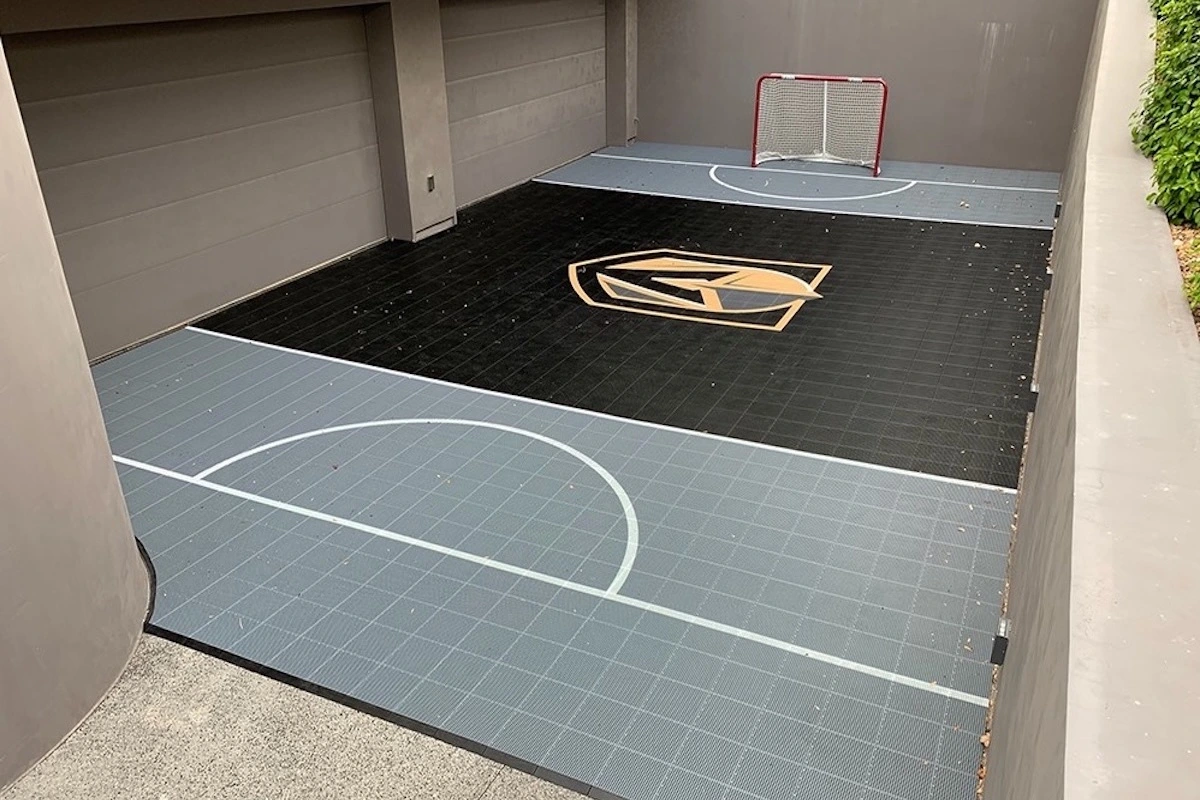
Indoor Hockey Court Construction: Complete Guide to Building High-Performance Rink Systems
Indoor hockey court construction is a specialized process that creates high-performance athletic surfaces engineered for speed, safety, and durability. Unlike outdoor rinks, indoor hockey rink construction ensures controlled traction, consistent glide, and impact resistance in a climate-controlled environment, enabling year-round training and competition.
These courts are widely used in training facilities, schools, recreation centers, and multi-sport complexes. When designed and installed correctly, indoor hockey courts provide professional-grade playing conditions, reduce injury risk, and allow multi-sport versatility without compromising performance.
Whether your facility is intended for roller hockey, ball hockey, or multi-use activities, professional construction guarantees the rink meets athletic, safety, and durability standards.
What Is Indoor Hockey Court Construction?
Building a Controlled-Environment Playing Surface
Indoor hockey court construction involves more than laying flooring—it’s a complete system engineered for fast-paced gameplay, athlete safety, and long-term durability. Core components include:
- Subfloor system: Provides stability, shock absorption, and long-term support
- Synthetic hockey flooring: Ensures smooth glide and consistent traction
- Cushion or shock-absorbing layer (optional): Enhances player safety
- Wall or rink boards (rink-style setups): Contain play and improve safety
- Game line markings: Visual guidance for hockey and multi-sport use
Why Indoor Construction Is Different
Indoor hockey courts differ from outdoor surfaces because they require:
- Controlled friction for safe player movement
- Smooth, uniform surface consistency for predictable puck or ball glide
- Shock absorption systems to reduce joint strain
- Multi-directional durability for different sports and heavy use
Types of Indoor Hockey Courts
Inline Hockey Courts
Designed for roller or inline hockey, these courts feature:
- Smooth synthetic hockey flooring for consistent glide
- High-durability coatings to withstand wheel friction
- Optional rink boards to contain gameplay
- Low-maintenance surfaces for long-term use
Ball Hockey Courts
Ball hockey courts focus on controlled grip and impact resistance while supporting multi-sport use. Features include:
- Resilient synthetic surfaces
- Shock absorption for safe high-speed play
- Easy cleaning and low maintenance
Multi-Use Indoor Court Systems
Many facilities require courts adaptable for multiple sports:
- Basketball
- Volleyball
- Futsal
- General fitness or athletic training
Multi-use indoor court systems maximize facility versatility without compromising hockey performance.
Materials Used in Indoor Hockey Court Construction
Synthetic Hockey Flooring
Synthetic systems are popular for indoor hockey because they provide:
- Uniform surface texture: Smooth and predictable for puck or ball movement
- Low maintenance: Resists wear and tear
- High durability: Withstands heavy traffic and high-impact activities
Polyurethane Athletic Systems
Polyurethane surfaces offer additional benefits:
- Excellent shock absorption
- Consistent performance under repeated use
- Long-term durability in high-traffic facilities
These are particularly effective for competitive training environments.
Modular Sports Tiles
Modular tiles are interlocking systems that offer:
- Fast installation with minimal downtime
- Individual tile replacement for cost-efficient maintenance
- Multi-sport adaptability for indoor athletic facilities
Modular tiles are ideal for schools, recreation centers, and facilities hosting multiple sports.
Comparison Table – Indoor Hockey Court Flooring Systems
|
Flooring Type |
Durability |
Traction |
Maintenance |
Multi-Sport Use |
Best Use |
|
Synthetic Hockey Flooring |
High |
Moderate |
Low |
Medium |
Roller and ball hockey |
|
Polyurethane Athletic Systems |
High |
High |
Medium |
High |
Competitive training and heavy use |
|
Modular Sports Tiles |
Medium |
Medium |
Low |
Very High |
Multi-sport indoor facilities |
|
Rink-Style Boards + Surface |
Very High |
Controlled |
Medium |
Limited |
Professional inline hockey rinks |
How Indoor Hockey Court Construction Works
Step 1 – Facility Evaluation
Before construction begins, professionals evaluate:
- Building size and ceiling height
- Subfloor and structural conditions
- Intended sports usage and multi-sport requirements
- Lighting, ventilation, and humidity control
This ensures the court is tailored to both hockey and multi-sport performance.
Step 2 – Court Design
Design planning includes:
- Court dimensions and rink layout
- Flooring system selection (hockey court flooring system)
- Safety zones and barrier requirements
- Integration of markings for other sports if multi-use
Step 3 – Subfloor Preparation
A strong subfloor ensures:
- Stability for high-speed movement
- Shock absorption to reduce player fatigue and injury
- Long-term durability for heavy use
Step 4 – Flooring Installation
The selected surface system is installed to provide:
- Smooth, consistent glide
- Controlled friction for safe play
- Long-lasting durability
Step 5 – Line Marking & Equipment Setup
Final installation includes:
- Hockey-specific markings (goal lines, circles)
- Boundary lines for other sports
- Optional rink boards or barriers
- Multi-sport line integration
Key Features of a High-Performance Indoor Hockey Court
Consistent Surface Speed
Predictable glide is critical for safe, competitive play.
Proper Shock Absorption
Reduces joint stress and lowers injury risk during high-speed gameplay.
Durable Construction
Surfaces must withstand:
- High-impact movement
- Repetitive use
- Equipment friction and wheel wear
Multi-Sport Flexibility
Facilities often require multi-use indoor court systems to accommodate different sports without affecting hockey performance.
Common Mistakes in Indoor Hockey Court Construction
- Using the wrong flooring material, reducing speed, safety, or durability
- Poor subfloor design leading to uneven surfaces and premature wear
- Ignoring facility conditions like humidity and airflow
- Attempting DIY installation instead of hiring professional rink builders
Benefits of Professional Indoor Hockey Court Construction
High-Performance Gameplay
Professionally constructed courts offer controlled speed, predictable movement, and safe surface interaction.
Year-Round Use
Weather-independent design allows consistent training and competitions, unaffected by temperature or UV exposure.
Low Maintenance Requirements
Synthetic and polyurethane surfaces reduce upkeep, allowing more focus on athletics than repairs.
Multi-Sport Functionality
Courts can easily accommodate basketball, futsal, volleyball, and other indoor activities without compromising hockey playability.
Safety and Comfort
Properly engineered shock-absorbing surfaces minimize joint stress and fatigue while ensuring safer, longer training sessions.
Why Choose Legendary Sports Construction?
Specialized Indoor Sports Flooring Expertise
We design indoor hockey court construction projects that meet professional standards, ensuring durability, safety, and high performance.
Premium Flooring Systems
We install synthetic, polyurethane, and modular systems engineered for longevity, speed, and controlled glide.
Custom Facility Solutions
Projects are tailored to:
- Facility size and ceiling height
- Sport-specific requirements
- Budget and usage goals
From single-use hockey rinks to multi-use indoor court systems, each project is optimized for performance.
Frequently Asked Questions (FAQs)
What surface is indoor hockey played on?
Synthetic hockey flooring, polyurethane systems, or modular sports tiles are used for smooth glide, durability, and controlled traction.
What is the best flooring for a hockey court?
High-performance synthetic or polyurethane flooring is ideal. These materials are durable, provide consistent friction, and reduce injury risk.
What are the dimensions of the indoor hockey circle?
The standard indoor shooting circle has a radius of 14 feet (4.27 meters), but exact dimensions vary by league or facility.
How big is an indoor hockey court?
Regulation indoor hockey rinks are typically 180–200 feet long and 80–90 feet wide. Multi-use courts may adjust dimensions.
What type of flooring is best for floor hockey?
Smooth synthetic tiles or polyurethane surfaces provide low friction, durability, and multi-sport adaptability.
How long does indoor hockey flooring last?
With proper maintenance, synthetic and polyurethane surfaces can last 10–15 years. Modular tiles can be replaced individually.
Can modular tiles be used for multi-game courts?
Yes, they allow basketball, volleyball, futsal, and hockey on the same court without reducing performance.
What maintenance is required for synthetic hockey flooring?
Routine cleaning, occasional resurfacing, and inspection of seams or tiles maintain optimal performance and appearance.