Hardwood Court: Professional-Quality Flooring for Indoor Play
 Websitness Team
on
January 12, 2026
Websitness Team
on
January 12, 2026
Hardwood Court: Professional-Quality Flooring for Indoor Play
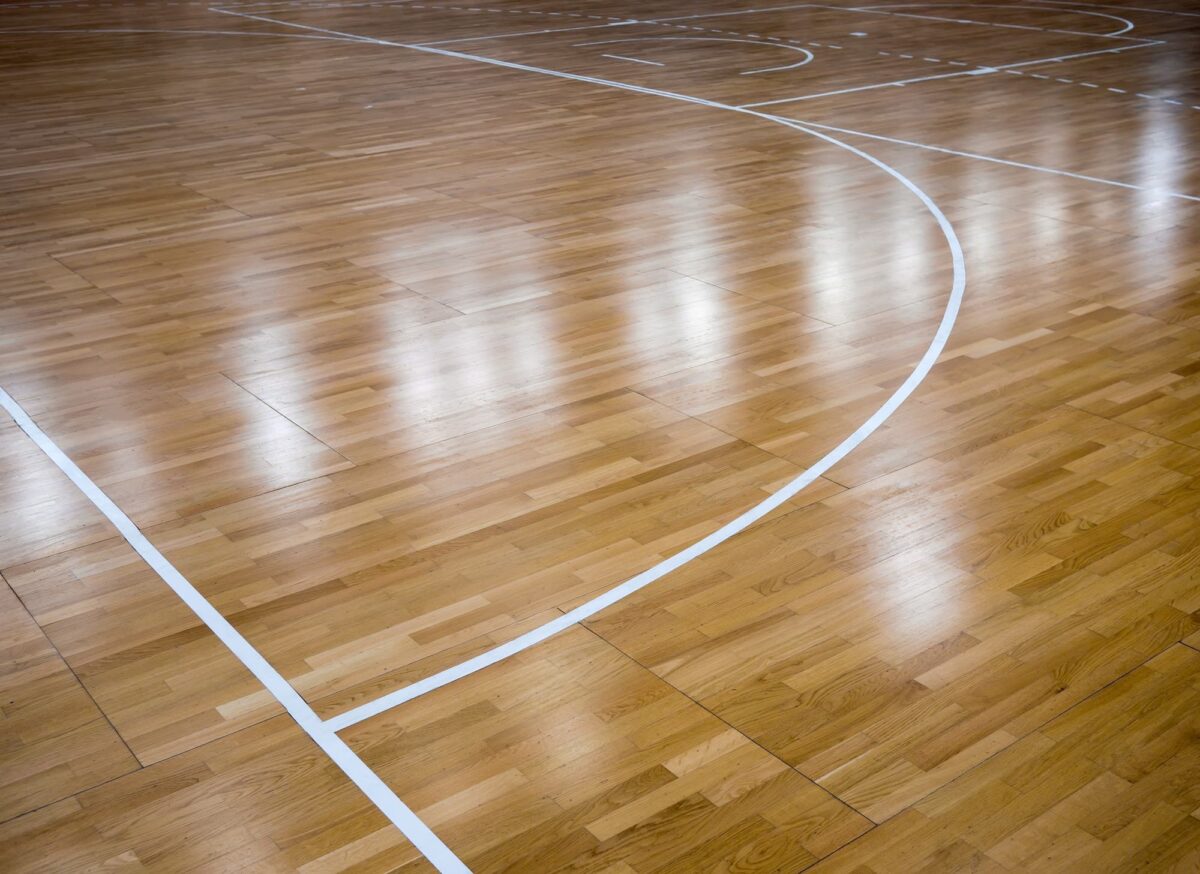
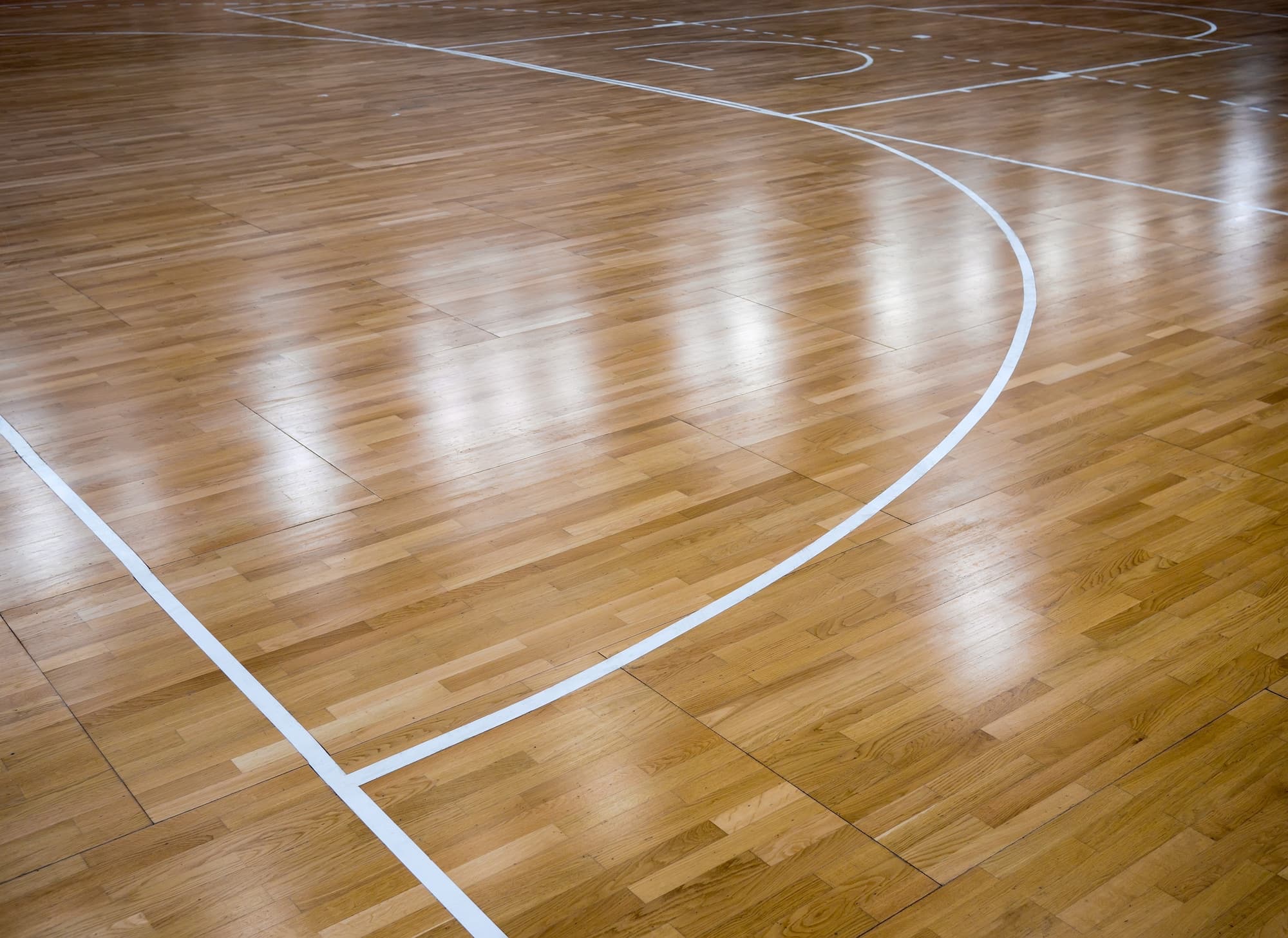
Hardwood courts have long been recognized as the gold standard for indoor athletic flooring. They are trusted in NBA arenas, high school gymnasiums, collegiate facilities, community centers, and luxury home courts. The main reason is simple: no other surface matches the true hardwood court’s combination of durability, traction, responsiveness, and natural beauty.
Legendary Sports Construction specializes in hardwood court installation for both residential and commercial indoor environments across Arizona and Nevada. Whether you’re building a private residential hardwood court, transforming a recreational space into a competition-ready facility, or upgrading a commercial gym, our team provides expert craftsmanship from design to completion.
Indoor hardwood courts must withstand constant play, heavy foot traffic, and the quick rhythmic movements of sports such as basketball, volleyball, pickleball, futsal, and indoor training activities. With the right court construction and proper maintenance, a hardwood court can last decades without losing its performance characteristics.
Legendary Sports Construction pays attention to every detail — subfloor stability, plank alignment, shock absorption, and marking accuracy — because indoor sports demand a surface that protects athletes, elevates gameplay, and enhances the entire space.
Whether for schools, sports training centers, or homeowners in Arizona and Nevada seeking a custom indoor sports and game court, hardwood flooring is the premier choice for performance, safety, and long-term value.
Features of Hardwood Courts
Durable & Resilient: High-quality hardwood withstands heavy use.
Hardwood courts are typically made from premium-grade maple due to its tight grain, shock absorption, and incredible durability. This ensures the flooring resists dents, warping, and wear from athletic shoes and regular gameplay. Indoors, the surface is protected from weather exposure — making it far more lasting than outdoor flooring alternatives.
Professional Performance: Provides excellent traction and ball bounce.
For competitive sports, hardwood delivers predictable ball response, consistent footing, and shock absorption to reduce joint strain. This is why indoor basketball hardwood courts are found in the most demanding athletic environments, from recreational gyms to professional NBA facilities.
Aesthetic Appeal: Natural wood finish adds elegance to indoor spaces.
The rich appearance of polished maple adds sophistication, making the court not only a functional sports floor but also an attractive architectural feature. Homeowners often love how a hardwood court enhances private indoor gyms.
Customizable Layouts: Markings for basketball, volleyball, and other indoor sports.
Court lines can be applied for a single-use configuration — such as basketball — or designed as a multi-use hardwood court in Arizona or Nevada for volleyball, badminton, or pickleball. Custom logos, team colors, school branding, and graphics can also be integrated.
Long-Lasting: Proper installation and maintenance ensure years of reliable play.
When installed by professional hardwood court builders, the floor can provide decades of performance. Regular refinishing keeps the court fresh, safe, and visually appealing year after year.
Hardwood Court Installation Process
Site Assessment & Design – Evaluate space, lighting, and ventilation for optimal performance.
Every successful project begins with professional planning. Experts examine ceiling height, structural support, temperature control, and layout to ensure compliance with safety and dimensional standards.
Subfloor Preparation – Level and install a moisture-resistant subfloor for stability.
A reliable subfloor is critical. Hardwood courts rely on shock-absorbing subfloor systems that enhance player comfort and protect the wood from moisture and uneven settling.
Hardwood Flooring Installation – Lay premium hardwood planks with precise alignment.
Installation includes acclimating the wood to the indoor climate and securing each plank with exact spacing. Precision ensures consistent bounce and eliminates dead spots.
Court Markings & Finishing – Apply lines for basketball, volleyball, or multi-use configurations.
Court lines are measured using regulation standards to ensure accurate gameplay. Custom markings allow versatility for indoor hardwood basketball courts and other sports.
Sanding & Sealing – Finish the surface for durability, traction, and protection.
Multiple layers of sealant protect against scuffs, scratches, and moisture infiltration. This high-performance coating delivers the iconic shine and safe grip hardwood courts are known for.
Final Inspection & Maintenance Guidance – Ensure proper installation and provide care tips for longevity.
Customers receive cleaning instructions, humidity management advice, and refinishing timelines to maximize the lifespan of their investment.
Benefits of a Hardwood Court
✔ Professional-grade performance for sports and recreation
Athletes instantly feel the difference — smoother movement, faster direction changes, and optimal ball response.
✔ Safe, consistent playing surface
A properly cushioned hardwood reduces fatigue and lowers the risk of ankle and knee injuries.
✔ Enhanced indoor aesthetics and property value
Homeowners investing in a residential hardwood court enjoy higher property appeal and a luxurious sports environment.
✔ Custom layouts for multiple sports
Multi-use designs expand indoor recreation potential, making the court a hub for training and fun.
✔ Long-lasting and easy to maintain with proper care
Refinishing and periodic resurfacing preserve traction, durability, and beauty — ensuring the court stays game-ready year-after-year.
Frequently Asked Questions
What kind of flooring is best for a court?
Hardwood is widely considered the top choice for indoor basketball and volleyball courts due to its grip, responsiveness, and longevity.
What is the cheapest way to make an outdoor basketball court?
Asphalt or concrete is typically the most affordable option — however, hardwood courts are designed exclusively for indoor use.
What is the cheapest option for a basketball court?
Modular sports tiles generally offer lower cost than hardwood, but they do not provide the same professional performance.
What is the best material for an outdoor basketball court?
Outdoor courts require weather-resistant materials such as acrylic-coated concrete, asphalt, or modular UV-protected tiles — not hardwood.
What are hard courts made of?
Hardwood courts use maple, engineered wood systems, or hybrid floating subfloor systems topped with specialized finishes.
What is the toughest hardwood floor?
Northern maple is one of the toughest and most widely used hardwood materials for professional indoor courts because of its durability and resilience.
Ready to Build Your Indoor Hardwood Court?
Legendary Sports Construction provides professional hardwood court installation services throughout Arizona and Nevada, helping residential and commercial clients achieve top-tier indoor playing environments.
From backyard indoor court rooms to school gyms and private training centers — our courts are built to perform.
📞 Would you like me to add a Call-to-Action with phone number, contact button text, or service area cities?