Tennis Court Crack Repair: How to Fix, Prevent & Restore Damaged Courts

11. Tennis Court Crack Repair

Tennis Court Crack Repair: How to Fix, Prevent & Restore Damaged Courts

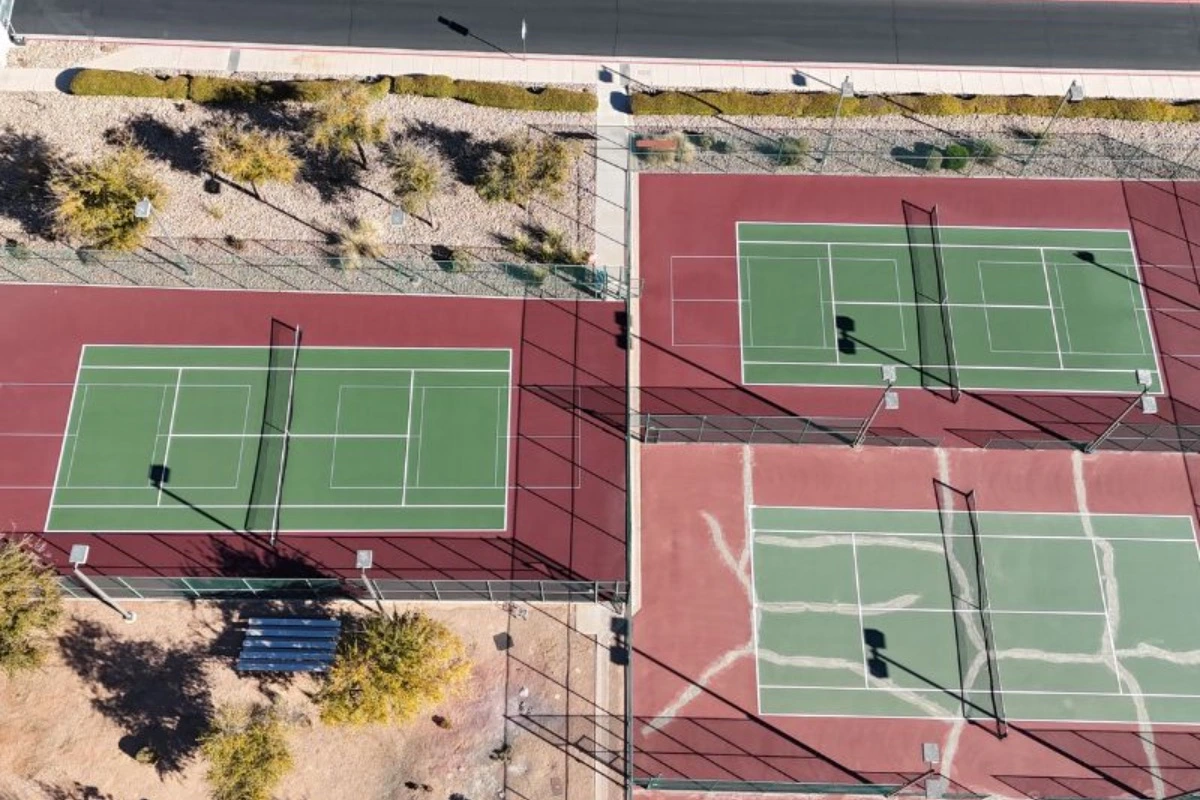
If you own a tennis court, one of the most common issues you will eventually face is surface cracking. Over time, weather exposure, repeated use, natural ground movement, and aging surface materials can cause visible damage that affects both court performance and player safety.

That is where professional tennis court crack repair becomes essential.

Cracks do more than affect appearance. They can interfere with ball bounce, create tripping hazards, allow water intrusion, and accelerate surface deterioration. If ignored too long, small cracks may eventually turn into larger structural problems that are far more expensive to repair.

The good news is that many cracked courts can be repaired and restored without full replacement when handled properly. Professional repair systems can restore gameplay quality, improve safety, and extend the lifespan of the court significantly.

What Causes Cracks in Tennis Courts?

Understanding what causes cracks helps property owners prevent future damage and recognize when repairs are necessary.

Ground Movement

Ground movement is one of the leading causes of a cracked tennis court surface. Soil naturally shifts over time due to temperature changes, moisture fluctuations, settling, and expansion cycles.

As the ground moves beneath the court, stress develops in the asphalt or concrete surface. Eventually, this tension creates visible cracking.

Courts built on unstable soil or improperly prepared bases are often more vulnerable to long-term cracking problems.

Weather Exposure

Outdoor courts are constantly exposed to UV rays, heat expansion, rain, moisture cycles, and, in some regions, freeze-thaw conditions. These environmental factors slowly weaken the court surface over time.

In hot climates like Arizona and Nevada, intense heat and sun exposure can dry out surface materials and accelerate coating deterioration. In colder climates, freeze-thaw cycles can cause moisture beneath the surface to expand and widen cracks.

Aging Surface Materials

As courts age, acrylic coating systems gradually wear down. Surface elasticity decreases, coatings thin out, and structural stress becomes more visible.

Older courts are naturally more susceptible to cracking because the surface no longer flexes as effectively under movement and weather conditions.

Poor Drainage

Water is one of the biggest threats to court durability. Poor drainage allows moisture to collect beneath or on top of the court surface, weakening the base and expanding existing cracks.

Standing water may also lead to premature coating failure, erosion, and uneven gameplay conditions.

Professional drainage planning plays a major role in long-term court performance.

What Types of Tennis Court Cracks Exist?

Not all cracks are the same. Understanding the type of crack helps determine the best repair strategy.

Hairline Cracks

Hairline cracks are small surface-level fractures that often appear during the early stages of surface wear. These cracks are generally easier to repair and may not yet indicate major structural problems.

However, they should not be ignored. Small cracks often expand over time if moisture enters the surface.

Structural Cracks

Structural cracks are deeper, wider, and more serious. These cracks often indicate movement within the base or underlying court foundation.

Professional tennis court resurfacing repair systems are often needed to stabilize these areas properly.

Structural cracks usually require more advanced repair methods than simple surface patching.

Edge Cracks

Edge cracks commonly appear near fences, court boundaries, or perimeter areas. They are often caused by drainage problems, base separation, or shifting around the edges of the court.

Edge damage should be repaired quickly because water intrusion can worsen the surrounding surface condition.

How Is Tennis Court Crack Repair Done?

Professional tennis court repair follows a step-by-step process designed to restore both surface appearance and court performance.

Step 1 – Cleaning the Surface

Before repairs begin, the surface must be cleaned thoroughly. Dirt, debris, loose coating material, and contaminants are removed using pressure washing and surface preparation methods.

A clean surface is critical because repair materials need proper adhesion to perform correctly.

Step 2 – Crack Routing (If Needed)

For larger cracks, routing may be required. This process slightly widens and stabilizes the crack so repair materials can bond more effectively.

Routing also removes loose edges and creates a cleaner repair channel.

Not every crack requires routing, but larger or deeper cracks often benefit from this additional preparation step.

Step 3 – Crack Filling

Specialized repair materials are then applied. Professional systems may include acrylic patch binders, flexible crack fillers, elastomeric compounds, or reinforced repair membranes.

Unlike rigid fillers, flexible repair systems allow some movement without immediately reopening the crack.

Using the correct outdoor court crack filler is extremely important because athletic courts experience constant expansion and contraction outdoors.

Step 4 – Surface Leveling

Once cracks are filled, the repaired areas are leveled and smoothed. Texture matching is important because uneven repairs can affect ball bounce and player movement.

A properly leveled repair blends naturally into the surrounding court surface.

Step 5 – Acrylic Resurfacing

Most professional acrylic court crack repair projects include resurfacing after the structural repairs are completed.

This step may involve acrylic resurfacer layers, color coating systems, textured athletic coatings, and restored court striping.

Resurfacing helps create a cleaner appearance while improving traction, ball response, and long-term durability.

Comparison Table – Tennis Court Crack Repair Methods

Repair Method

Best For

Main Benefit

Limitation

Acrylic Crack Filler

Small surface cracks

Flexible and affordable

Best for minor damage

Elastomeric Repair Systems

Recurring cracks

Better movement flexibility

Higher installation cost

Patch and Level Repair

Uneven damaged areas

Restores smoother surface

May require resurfacing

Full Court Resurfacing

Widespread surface wear

Improves appearance and play

Does not fully rebuild base

Court Reconstruction

Severe structural failure

Complete long-term solution

Highest project cost

When Should You Repair vs Resurface a Tennis Court?

Repair Is Enough When:

Simple repair may be enough when cracks are minor, the surface is mostly intact, and the court is relatively new.

Localized repairs can restore the affected areas while preventing further damage.

Resurfacing Is Needed When:

Resurfacing becomes necessary when multiple cracks are spreading, surface texture is worn down, coatings are faded, traction is reduced, or drainage problems are present.

Professional tennis court restoration projects often combine crack repair with resurfacing to improve both structural performance and appearance.

Can Cracks Be Prevented?

Although some movement is natural over time, proper maintenance and construction significantly reduce cracking risk.

Proper Drainage Design

Good drainage helps prevent water pooling, base weakening, freeze-thaw expansion, and long-term surface damage.

Professional builders design courts with slight slope and water management systems to direct water away from the playing area.

Routine Maintenance

Routine maintenance helps catch problems early. This may include removing debris, washing the surface, inspecting cracks regularly, and reapplying protective coatings as needed.

Small repairs completed early often prevent more expensive damage later.

High-Quality Surface Systems

Using durable acrylic athletic systems helps reduce cracking risk by improving flexibility and protecting the underlying surface from weather exposure.

Premium coatings generally perform better over time than low-quality surface materials.

Common Mistakes in Tennis Court Crack Repair

Ignoring Small Cracks

Small cracks often become major structural issues if left untreated. Water intrusion and surface movement usually cause them to spread over time.

Using Non-Flexible Fillers

Rigid fillers frequently fail because tennis courts naturally expand and contract outdoors. Flexible repair materials perform much better under real-world conditions.

Skipping Resurfacing After Repair

Without resurfacing, repaired areas may remain visible, uneven, or inconsistent in texture and color.

Resurfacing creates a cleaner and more uniform playing surface.

Delaying Repairs Too Long

Waiting too long to repair cracks often increases repair costs and may eventually require larger restoration work or full reconstruction.

Benefits of Professional Tennis Court Crack Repair

Professional tennis court crack repair provides several important benefits:

  • Restores a safer playing surface
  • Improves ball bounce consistency
  • Prevents additional structural damage
  • Extends court lifespan
  • Improves traction and gameplay quality
  • Enhances court appearance
  • Protects long-term property value

For homeowners, schools, HOAs, parks, and athletic facilities, professional repairs help preserve the functionality and appearance of the court while avoiding unnecessary replacement costs.

Frequently Asked Questions (FAQs)

How do you repair cracks in a tennis court?

Tennis court cracks are typically repaired using flexible acrylic crack fillers, elastomeric repair systems, patching materials, and resurfacing coatings. The repair method depends on the crack severity and court condition.

What is the best crack filler for court joints?

Flexible acrylic or elastomeric crack fillers are commonly used because they allow movement without immediately reopening under outdoor expansion and contraction.

Can cracked asphalt be repaired?

Yes. Many asphalt tennis courts can be repaired through crack filling, patching, leveling, and resurfacing systems when the underlying base remains structurally stable.

Why do tennis courts crack so much?

Courts crack because of ground movement, weather exposure, UV damage, moisture intrusion, aging materials, and drainage problems. Outdoor courts naturally experience expansion and contraction over time.

How long does a tennis court surface last?

The lifespan depends on climate, maintenance, surface quality, drainage, and usage levels. Routine resurfacing and early crack repair help extend court life significantly.
Basketball Court Floor Construction: Complete Guide to Building Durable, High-Performance Court Surfaces

Basketball Court Floor Construction

Basketball Court Floor Construction: Complete Guide to Building Durable, High-Performance Court Surfaces

Building a basketball court goes far beyond pouring concrete or laying a simple surface. Basketball court floor construction is a comprehensive process that involves engineered layers working together to create a durable, high-performance athletic surface. A properly constructed floor ensures consistent ball bounce, player safety, long-term durability, and weather resistance for outdoor courts.

Whether constructing a backyard court, a school gym, or a commercial sports facility, the flooring system is the backbone of the entire project. Selecting the right materials, base preparation methods, and coating systems is crucial to achieving a safe, playable, and long-lasting court. Local basketball court flooring installation experts in Phoenix emphasize climate-appropriate materials, especially UV-resistant acrylic coatings and reinforced concrete bases, to ensure optimal performance.

What Is Basketball Court Floor Construction?

Basketball court floor construction encompasses all steps necessary to create a fully functional court, from base preparation to final striping and finishing. It’s both an art and a science, combining engineering, material science, and sports performance knowledge.

Full Flooring System Build

A professional construction project typically includes:

  • Base preparation (concrete or asphalt) – Creates a stable, level foundation.
  • Surface leveling and grading – Ensures proper ball bounce and safe footing.
  • Crack control systems – Prevents structural damage from heat, expansion, or settling.
  • Acrylic or sport coating installation – Provides traction, weather durability, and aesthetic finish.
  • Line striping and finishing – Establishes clear court markings and optional multi-sport layouts.

Why Flooring Matters Most

The court floor determines:

  • Gameplay quality – Bounce, grip, and ball control depend on proper construction.
  • Injury risk – Poorly built floors increase slips, joint strain, and surface injuries.
  • Court lifespan – Durable flooring reduces maintenance and replacement costs.
  • Maintenance needs – Correct materials minimize frequent resurfacing or repairs.

What Are Basketball Court Flooring Systems Made Of?

Understanding materials is key to basketball court surface construction and performance.

Concrete Base Layer

Most outdoor courts begin with a reinforced concrete basketball court base and coating:

  • Provides structural strength for heavy use.
  • Supports long-term load and prevents settling.
  • Requires proper leveling, curing, and crack control for durability.

Acrylic Sport Surfacing

Acrylic coatings are standard for outdoor basketball court flooring:

  • UV-resistant to prevent fading in sunny climates.
  • High traction to reduce slips and enhance player control.
  • Weather durable to withstand rain, heat, and temperature fluctuations.
  • Custom color options to meet aesthetic or branding requirements.

Cushioned Systems

Cushioned flooring layers provide:

  • Shock absorption to reduce joint strain.
  • Protection against impact injuries.
  • Comfort for frequent gameplay in gyms or high-use outdoor courts.

Modular Tile Systems

Modern courts often use interlocking modular tiles:

  • Rapid installation for commercial or temporary setups.
  • Multi-sport flexibility for basketball, volleyball, and tennis.
  • Heat-resistant and easy to maintain for outdoor environments.

Comparison Table – Basketball Court Flooring Systems

Flooring System

Durability

Maintenance

Comfort

Multi-Sport Use

Ideal For

Concrete Base + Acrylic Surface

High

Low

Medium

Medium

Outdoor courts

Cushioned Acrylic System

High

Low

High

Medium

Gyms, high-use

Modular Tile System

Medium

Low

High

High

Commercial/multi-use

How Basketball Court Floor Construction Is Done

Step 1 – Site Preparation

Preparation is critical for performance and longevity:

  • Excavation or grading to ensure level surface.
  • Drainage planning to prevent water pooling.
  • Accurate measurement of court dimensions to meet regulations.

Step 2 – Base Installation

A stable foundation is the most important component:

  • Concrete slab or asphalt layer, reinforced if necessary.
  • Proper slope ensures water runoff and prevents standing water.
  • Crack control joints may be added to mitigate stress fractures.

Step 3 – Surface Repair & Leveling

Before applying coatings:

  • Existing cracks are sealed.
  • Uneven areas are corrected for uniformity.
  • Surface is cleaned thoroughly for adhesion.

Step 4 – Acrylic or Surface System Application

Professional installation includes:

  • Primer or binder coat for strong adhesion.
  • Cushion layers (if applicable) to improve safety and comfort.
  • Color finish coats for aesthetics and UV protection.
  • Texture layers to enhance grip and traction.

Step 5 – Line Striping & Finishing

The final touches include:

  • Basketball court markings for regulation play.
  • Optional multi-sport layouts for versatility.
  • UV-resistant paint sealing to prolong line visibility.

Indoor vs Outdoor Basketball Floor Construction

Outdoor Courts

Require specialized materials to withstand Arizona climates:

  • UV-resistant coatings to prevent fading.
  • Weatherproof acrylic systems for rain and sun exposure.
  • Drainage systems to protect the concrete base from erosion.

Indoor Courts

Focus on performance and injury prevention:

  • Hardwood or synthetic materials for consistent bounce.
  • Shock absorption systems to reduce joint stress.
  • Controlled environment design for humidity and temperature stability.

Why Proper Floor Construction Is Important

Player Safety

Properly constructed courts prevent:

  • Slips due to inadequate traction.
  • Joint strain from hard or uneven surfaces.
  • Injuries from surface irregularities.

Game Performance

The flooring system ensures:

  • Consistent ball bounce and responsiveness.
  • Proper traction for agile movement and stability.
  • Smooth, uninterrupted gameplay across all zones.

Long-Term Durability

Correct construction reduces:

  • Cracking and surface peeling.
  • Frequency and cost of maintenance or resurfacing.
  • Premature deterioration of materials due to climate stress.

Common Mistakes in Basketball Court Floor Construction

  • Poor Base Preparation – Leads to cracks, uneven surfaces, and early failure.
  • Wrong Material Selection – Using materials unsuitable for outdoor heat or indoor use accelerates wear.
  • Skipping Drainage Design – Water pooling damages both surface and foundation.
  • Low-Quality Acrylic Systems – Fade and peel prematurely under sunlight and traffic.

Benefits of Professional Basketball Court Floor Construction

  • High-performance playing surface for safety and enjoyment.
  • Long-lasting durability with minimal maintenance.
  • Custom design flexibility to fit space and multi-sport needs.
  • Lower long-term repair and resurfacing costs.

How Long Does a Basketball Court Floor Last?

Outdoor Systems

  • Acrylic systems: Long lifespan with periodic resurfacing.
  • Cushioned systems: Extended durability and player comfort with proper maintenance.

Indoor Systems

  • Hardwood: Lasts decades with refinishing and protective care.
  • Synthetic: High durability with low upkeep and consistent performance.

Frequently Asked Questions (FAQs)

What kind of flooring is used in basketball courts?

Common options include hardwood (indoor), acrylic (outdoor), cushioned acrylic, and modular tile systems for versatile multi-sport use.

How to build a basketball court floor?

Start with site grading, base installation, crack control, surface leveling, acrylic or coating application, and finish with line striping and inspection.

What kind of flooring is best for a court?

It depends on usage: hardwood for indoor gyms, acrylic coatings for outdoor courts, and cushioned systems for heavy-use multi-purpose courts.

What is the floor area of a basketball court?

Regulation courts measure 94 feet by 50 feet, but backyard or recreational courts can be customized to available space.

What is the best surface for a basketball court?

For outdoor use, acrylic basketball court surface systems over a concrete base provide durability, weather resistance, and consistent play. Indoor courts typically use hardwood or synthetic materials.

Professional basketball court floor construction ensures every court meets performance, safety, and durability standards. By combining quality materials, proper base engineering, and expert basketball court flooring installation, you can achieve a court that lasts decades and provides a superior playing experience. Whether constructing a backyard basketball court Phoenix AZ homeowners enjoy or a commercial sports facility, investing in engineered flooring systems guarantees optimal performance and minimal long-term maintenance.

Resurfacing Tennis Court Contractors: How to Choose the Right Experts for Long-Lasting Court Restoration

tennis court resurfacing

Resurfacing Tennis Court Contractors: How to Choose the Right Experts for Long-Lasting Court Restoration

When a tennis court begins to fade, crack, or lose its playing quality, the solution is not always full replacement. In many cases, hiring professional resurfacing tennis court contractors is the most effective way to restore performance, safety, and appearance while avoiding the higher cost and disruption of rebuilding the entire court.

Professional resurfacing specialists focus on repairing and restoring athletic court systems so they can perform like new again. Whether you manage a residential backyard court, an HOA recreational facility, a school athletic complex, a sports club, or a training center, choosing the right contractor has a major impact on how long your court lasts and how well it performs.

A properly resurfaced court improves ball bounce consistency, traction, gameplay quality, and visual appearance while helping extend the life of the existing court structure.

What Do Resurfacing Tennis Court Contractors Do?

Professional tennis court resurfacing contractors handle much more than simply repainting a worn court. Their work involves evaluating the structural condition of the surface, repairing damaged areas, restoring athletic coatings, and improving long-term durability.

Full Court Surface Evaluation

The resurfacing process typically begins with a detailed court inspection. Contractors evaluate surface cracks, drainage conditions, coating wear, base stability, and signs of structural movement.

This inspection helps determine whether the court only needs localized repairs, full resurfacing, or more advanced restoration work. A proper evaluation is essential because surface problems are often connected to underlying drainage or foundation issues.

Experienced contractors understand how to identify the difference between cosmetic wear and structural damage.

Crack Repair and Surface Restoration

One of the most important parts of resurfacing is repairing cracks and damaged areas. Professional tennis court repair contractors use specialized repair systems designed for outdoor athletic surfaces.

Common services include crack filling, surface leveling, patch repair systems, and structural stabilization. Flexible repair materials are often used because tennis courts naturally expand and contract outdoors.

Proper crack repair helps prevent moisture intrusion and slows the spread of future damage.

Acrylic Resurfacing Systems

Professional resurfacing usually includes acrylic resurfacer layers, textured athletic coatings, color restoration systems, and new court striping.

Acrylic tennis court resurfacing is popular because acrylic systems provide reliable traction, consistent ball bounce, UV resistance, and long-term weather durability. These coatings are specifically designed for athletic performance and outdoor exposure.

Modern acrylic systems also allow for custom court colors, multi-sport layouts, and updated court aesthetics.

Complete Court Refurbishment

Some projects involve more than resurfacing alone. Full tennis court restoration services may also include net replacement, fence adjustments, lighting upgrades, drainage improvements, and multi-use court conversions.

For example, many older tennis courts are now being converted into dual-use tennis and pickleball courts to increase recreational functionality.

Why Do Tennis Courts Need Resurfacing?

Outdoor courts constantly face environmental and structural stress. Over time, even high-quality athletic surfaces begin to deteriorate.

UV Damage and Sun Exposure

Outdoor courts are exposed to UV rays, heat expansion, color fading, and surface drying year-round. In areas like Arizona and Nevada, intense sunlight accelerates coating wear and surface aging.

Over time, this exposure weakens the acrylic system and reduces traction performance.

Natural Surface Aging

As courts age, acrylic coatings gradually wear down, surface texture becomes smoother, and ball response becomes inconsistent.

Older courts may also develop faded colors, visible patchiness, and reduced visual appeal. Professional resurfacing restores these performance characteristics while improving the overall appearance of the court.

Structural Movement

Ground movement can lead to cracking, uneven surfaces, and water intrusion. Soil expansion, settling, and moisture changes create stress beneath the court surface.

Without maintenance, these structural issues can continue spreading and eventually require more expensive repairs.

When Should You Hire Tennis Court Resurfacing Contractors?

Recognizing early warning signs helps prevent larger problems later.

Visible Surface Cracks

Cracks are usually the earliest sign that resurfacing may be needed. Even small cracks can allow moisture into the surface system, eventually causing more extensive deterioration.

Professional repair is recommended before cracks begin spreading.

Poor Ball Bounce

If ball behavior becomes inconsistent, the surface may no longer be level or properly textured. Uneven bounce is a common sign of surface wear or underlying damage.

Slippery Playing Conditions

Loss of traction reduces player safety and gameplay quality. Worn acrylic coatings may become smoother over time, increasing the risk of slipping during movement.

Faded or Worn Appearance

When a court looks dull, patchy, or heavily faded, resurfacing can dramatically improve its appearance while restoring athletic performance.

Comparison Table – Repair vs Resurfacing vs Full Reconstruction

Service Type

Best For

Main Benefit

Limitation

Minor Court Repair

Small cracks and isolated damage

Lower cost and fast repair

Does not restore full surface

Full Court Resurfacing

Worn or aging athletic surfaces

Restores gameplay and appearance

Existing base must remain stable

Crack Repair + Resurfacing

Courts with spreading surface damage

Extends court lifespan significantly

More involved than basic repairs

Full Reconstruction

Severe structural failure

Completely new court system

Highest cost and longest timeline

Multi-Sport Conversion

Older underused tennis courts

Adds recreational flexibility

Requires layout redesign

What Is the Resurfacing Process?

Professional outdoor tennis court resurfacing follows a structured process to ensure durability and consistent gameplay performance.

Step 1 – Court Inspection

Contractors first evaluate crack severity, surface wear, drainage issues, and overall base integrity.

This step determines the best resurfacing strategy and helps identify hidden structural concerns.

Step 2 – Surface Preparation

Preparation includes pressure washing, debris removal, cleaning the surface, and removing loose or deteriorated coatings.

Proper preparation is critical because resurfacing materials must bond correctly to the existing court surface.

Step 3 – Crack Repair System

Cracks are routed if necessary, filled using flexible repair compounds, and smoothed to create a more uniform surface.

Using flexible athletic repair systems helps reduce the chance of cracks reopening quickly.

Step 4 – Acrylic Resurfacing

Multiple acrylic layers are then applied to restore texture, color, traction, and gameplay consistency.

Professional resurfacing systems are designed to improve durability while delivering professional-style court performance.

Step 5 – Striping and Finishing

The final stage includes regulation court striping, optional multi-sport markings, and protective finishing layers.

This gives the court a clean, refreshed appearance while improving visibility and playability.

What Makes a Good Resurfacing Tennis Court Contractor?

Choosing the right contractor is one of the most important decisions in the resurfacing process.

Experience with Athletic Surfaces

Professional contractors should understand court physics, athletic surfacing systems, outdoor durability requirements, and sports-specific performance needs.

Tennis courts require specialized knowledge that differs from ordinary concrete or paving work.

Use of Professional Acrylic Systems

The best contractors use high-quality UV-resistant coatings, flexible resurfacing compounds, and industry-grade athletic materials.

Premium systems generally last longer and perform better under heavy sun exposure and outdoor use.

Proper Drainage Knowledge

Good contractors understand how water affects athletic courts. Proper drainage helps prevent standing water, surface failure, and premature cracking.

Drainage corrections are often a critical part of long-term court restoration.

Custom Court Solutions

Top contractors also offer custom court colors, backyard court designs, pickleball integration, and multi-sport conversion options.

This allows homeowners and facilities to modernize older courts while improving recreational value.

Common Mistakes When Hiring Contractors

Choosing Based Only on Price

Low-cost bids often mean lower-quality materials, rushed preparation, or limited experience. Cheap resurfacing may fail much sooner than professionally installed systems.

Ignoring Surface Preparation Quality

Surface preparation is one of the most important parts of resurfacing. Poor prep work often leads to premature peeling, uneven coatings, and shorter court lifespan.

Not Checking Experience

Tennis court resurfacing requires specialized expertise. Contractors who mainly handle general concrete work may not understand athletic surfacing requirements.

Skipping Warranty Coverage

Reliable resurfacing contractors typically provide some form of workmanship or material warranty protection.

Benefits of Hiring Professional Resurfacing Contractors

Professional resurfacing offers several important advantages:

  • Restores safe playing conditions
  • Improves ball bounce consistency
  • Extends court lifespan significantly
  • Enhances court appearance
  • Reduces long-term repair costs
  • Improves traction and player comfort
  • Modernizes older recreational spaces

For homeowners, HOAs, schools, and athletic facilities, resurfacing is often the most practical way to restore court functionality without full reconstruction.

Frequently Asked Questions (FAQs)

How do I resurface a tennis court?

Professional resurfacing typically includes crack repair, cleaning, surface preparation, acrylic resurfacer application, color coating systems, and new court striping.

How much does it cost to restore a tennis court?

The cost depends on crack severity, drainage issues, court size, coating systems, and whether repairs or full resurfacing are required.

What is the best surfacing material for a tennis court?

Acrylic athletic coating systems are among the most popular because they provide durability, UV resistance, traction, and consistent gameplay performance.

How often does a tennis court need to be resurfaced?

The timing depends on climate, usage levels, maintenance, and coating quality. Courts exposed to heavy sun or high usage may require resurfacing more frequently.

What is the best coating for a tennis court?

Professional acrylic sports coatings are widely considered one of the best options for outdoor courts because they are designed specifically for athletic performance and long-term outdoor durability.

Basketball Court Maintenance: How to Keep Your Court Safe, Durable & Game-Ready

Basketball Court Maintenance

Basketball Court Maintenance: How to Keep Your Court Safe, Durable & Game-Ready

A basketball court is a long-term investment, but like any outdoor athletic surface, it requires regular care to stay in top condition. Without proper basketball court maintenance, even high-quality courts can develop cracks, fading, drainage issues, worn coatings, and unsafe playing conditions.

Whether you manage a backyard basketball court, HOA community court, school facility, park court, or commercial athletic space, routine care helps preserve the court’s appearance, safety, and performance. A well-maintained court provides better traction, consistent ball bounce, cleaner markings, and a more enjoyable playing experience.

Professional basketball court repair and maintenance services are especially important for outdoor courts exposed to heat, UV rays, moisture, and heavy use. In climates like Arizona and Nevada, acrylic coatings and outdoor court surfaces need proper upkeep to resist fading, cracking, and surface breakdown.

What Is Basketball Court Maintenance?

Routine Care and Preventive Upkeep

Basketball court maintenance includes all activities that preserve the court’s surface quality, structural integrity, gameplay performance, and safety conditions. This can include sweeping, washing, crack inspections, drainage checks, line repainting, coating care, and periodic resurfacing.

The goal is to prevent minor wear from turning into major damage. A court that is cleaned, inspected, and repaired regularly will usually last longer and perform better than one that is ignored until problems become severe.

Maintenance vs Repair

Maintenance prevents damage before it becomes serious. This includes cleaning the surface, removing debris, checking for small cracks, and monitoring traction.

Repair fixes existing issues such as cracks, peeling coatings, faded lines, drainage problems, or surface failure. In many cases, proper maintenance reduces how often major repair work is needed.

Why Basketball Court Maintenance Is Important

Prevents Costly Damage

Small issues like hairline cracks can grow into structural surface failures if ignored. Water can enter cracks, weaken the base, and cause the damage to spread.

Early maintenance helps avoid expensive repairs, major resurfacing, or full reconstruction. A small crack repair today is much easier to manage than a failed court surface later.

Improves Player Safety

Well-maintained courts reduce slip hazards, uneven surfaces, trip risks, and unsafe movement areas. Basketball involves quick stops, lateral motion, jumping, and fast direction changes. If the surface is slippery or uneven, the risk of injury increases.

Proper outdoor basketball court maintenance helps protect players by keeping the court clean, textured, and stable.

Extends Court Lifespan

Routine care can significantly extend acrylic coating life, surface durability, and structural stability. Outdoor courts naturally experience wear from sunlight, rain, dirt, and use.

Regular cleaning, coating care, and timely repairs help preserve the surface system and delay the need for full resurfacing.

Enhances Game Performance

A maintained court provides consistent ball bounce, proper traction, clear markings, and better gameplay quality. Players can move confidently, shoot accurately, and enjoy a cleaner playing surface.

For schools, parks, and commercial facilities, better court conditions also improve the user experience.

Common Basketball Court Problems

Surface Cracks

Surface cracks are commonly caused by temperature changes, ground movement, aging materials, and drainage issues. Cracks may begin small but can spread quickly if water gets inside them.

Professional crack repair helps prevent further damage and restores safer gameplay.

Fading Paint or Coatings

UV exposure can cause color loss, reduced visibility, and a dull court appearance. This is common on outdoor courts exposed to direct sunlight.

Faded coatings may also indicate that the surface protection is wearing down.

Drainage Issues

Poor drainage causes standing water, surface weakening, and accelerated deterioration. Water that remains on the court can damage coatings, worsen cracks, and create slippery areas.

Drainage should be checked regularly as part of court maintenance services.

Loss of Traction

Worn surfaces can become slippery and less performance-friendly. Acrylic athletic coatings are designed to provide traction, but that texture wears down over time.

When traction is reduced, players may slip during quick stops or directional changes.

Comparison Table – Basketball Court Maintenance vs Repair vs Resurfacing

Service Type

Best For

What It Includes

Main Benefit

Routine Maintenance

Courts in good condition

Sweeping, cleaning, inspections, drainage checks

Prevents damage early

Minor Repairs

Small cracks or worn areas

Crack sealing, patching, line touch-ups

Restores safety and appearance

Professional Maintenance

High-use or aging courts

Deep cleaning, coating evaluation, repair planning

Extends court lifespan

Court Resurfacing

Faded or worn surfaces

Acrylic coating renewal, texture restoration, restriping

Restores performance

Full Restoration

Severely damaged courts

Repairs, resurfacing, drainage correction, upgrades

Improves long-term durability

What Does Basketball Court Maintenance Include?

Surface Cleaning

Regular cleaning removes dirt, debris, leaves, mold, algae, and other materials that can damage the surface or create slip hazards.

For outdoor courts, sweeping and light washing should be done regularly. Deep cleaning may be needed when the court has stains, buildup, or weather-related residue.

Crack Inspection and Repair

Early crack detection allows for crack sealing, surface patching, and preventive reinforcement. Small cracks should be repaired before they expand.

Professional basketball court repair and maintenance services use flexible repair materials designed for outdoor athletic surfaces.

Line Repainting

Court markings may fade over time due to sunlight and use. Line repainting restores visibility, color clarity, and layout accuracy.

Fresh lines improve both appearance and gameplay, especially for shared-use courts with basketball, pickleball, or volleyball markings.

Surface Coating Care

Acrylic surfaces may require recoating, texture restoration, and UV protection renewal. Acrylic basketball court maintenance helps preserve traction, color, and performance.

When the surface becomes too worn, resurfacing may be recommended.

How Often Should You Maintain a Basketball Court?

Monthly Maintenance

Monthly maintenance should include sweeping debris, checking drainage, removing leaves, and basic surface cleaning.

Homeowners and facility managers should also look for early signs of cracking, fading, or slippery areas.

Seasonal Maintenance

Seasonal maintenance may include deep cleaning, crack inspection, line touch-ups, and surface condition reviews.

This is especially important after periods of heavy use, extreme heat, storms, or seasonal weather changes.

Long-Term Maintenance

Long-term maintenance may include resurfacing every few years and full coating renewal when needed. The exact timing depends on usage, weather exposure, coating quality, and maintenance habits.

High-use courts usually need resurfacing sooner than lightly used backyard courts.

DIY vs Professional Basketball Court Maintenance

DIY Maintenance

Homeowners can handle basic backyard basketball court care such as sweeping, light washing, removing debris, and inspecting for visible surface problems.

DIY maintenance is useful for keeping the court clean and preventing buildup. However, it should not replace professional repairs when cracks, drainage issues, or coating failure appear.

Professional Maintenance

Professionals provide crack repair systems, acrylic resurfacing, structural evaluation, drainage assessment, and full restoration solutions.

A professional team can identify problems that may not be obvious at first glance. They also use athletic-grade materials designed for long-term outdoor performance.

For aging, faded, cracked, or slippery courts, professional court resurfacing and upkeep is usually the best solution.

Common Mistakes in Court Maintenance

Ignoring Small Cracks

Small cracks expand quickly if left untreated. Early repair helps prevent water intrusion and structural damage.

Using Harsh Cleaning Chemicals

Harsh chemicals can damage acrylic coatings and reduce surface lifespan. Gentle cleaning methods and court-safe products are recommended.

Skipping Regular Inspections

Hidden damage can worsen over time. Regular inspections help catch problems early before they become expensive repairs.

Delaying Resurfacing Too Long

Waiting too long to resurface may lead to deeper surface deterioration and more costly reconstruction.

Benefits of Proper Basketball Court Maintenance

Proper maintenance provides several long-term benefits:

  • Safer playing surface
  • Longer court lifespan
  • Better performance consistency
  • Improved visual appearance
  • Lower long-term repair costs
  • Better traction and ball bounce
  • Stronger property and recreational value

A maintained court looks better, plays better, and lasts longer.

Frequently Asked Questions

How do you maintain a basketball court?

Maintain a basketball court by sweeping debris, washing the surface, checking drainage, inspecting for cracks, repainting faded lines, and scheduling resurfacing when coatings become worn.

What is the best flooring for a basketball court?

For outdoor courts, acrylic-coated concrete or asphalt is a popular choice because it provides durability, traction, and weather resistance. Modular tiles are also common for backyard courts.

How do you clean basketball court floors?

Outdoor basketball courts can be cleaned by sweeping debris, rinsing with water, and using mild cleaning solutions when needed. Avoid harsh chemicals that can damage athletic coatings.

How do you recoat a gymnasium floor?

Indoor gym floors are usually recoated by cleaning, screening or abrading the surface, applying finish coats, and allowing proper curing time. Professional gym floor care is recommended.

How often should a gym floor be recoated?

Recoating frequency depends on usage, finish type, and maintenance. High-use gym floors may need recoating more often than lightly used residential or private courts.

Outdoor Basketball Court Repair: Complete Guide to Fixing Cracks, Surface Damage & Restoring Performance

outdoor basketball court

Outdoor Basketball Court Repair: Complete Guide to Fixing Cracks, Surface Damage & Restoring Performance

Over time, every outdoor basketball court begins to show signs of wear. Whether located in a backyard, HOA community, school, or commercial sports facility, exposure to sun, rain, and frequent play gradually degrades surfaces. Cracks form, acrylic coatings fade, and uneven areas develop, negatively impacting gameplay, safety, and court aesthetics.

Professional outdoor basketball court repair addresses these problems, restoring a court to near-original condition without the expense and disruption of full replacement. From crack sealing to full acrylic resurfacing, repair solutions improve playability, extend lifespan, and maintain a court’s visual appeal.

For Phoenix-area courts, repair solutions must account for intense UV exposure, extreme heat, and dry soil conditions that can accelerate surface deterioration. Experienced basketball court repair services tailor solutions to these local challenges, providing long-term durability and optimal performance.

What Is Outdoor Basketball Court Repair?

Outdoor basketball court repair involves a combination of surface restoration and structural fixes aimed at making the court safe, playable, and visually appealing again. Repair work focuses on maintaining the integrity of the base and surface without unnecessarily replacing the entire structure.

Surface Restoration and Structural Fixes

Key aspects of outdoor basketball court repair include:

  • Crack filling and sealing – Stops further expansion and prevents water infiltration.
  • Surface patching – Repairs worn or damaged areas for uniformity.
  • Acrylic resurfacing – Restores color, texture, and traction.
  • Line repainting – Re-establishes court markings for proper gameplay.
  • Structural stabilization – Corrects issues with the base or underlying foundation when necessary.

Why Repair Is Better Than Replacement

While full court replacement is sometimes unavoidable, repair offers significant advantages:

  • Cost-effectiveness – Repairs are often a fraction of replacement costs.
  • Minimized downtime – Players can resume use sooner.
  • Preservation of existing court footprint – No need for new grading or space adjustments.
  • Sustainability – Less material waste compared to demolition and reconstruction.

When the base is still structurally sound and damage is mostly surface-level, outdoor basketball court repair is the recommended solution.

Common Problems in Outdoor Basketball Courts

Recognizing common issues helps determine when repair is necessary.

Surface Cracks

Cracks are one of the most common issues in outdoor courts. Causes include:

  • Temperature changes – Expansion and contraction stress the surface.
  • Ground movement – Dry soil shifts can crack the concrete or asphalt base.
  • Aging materials – UV exposure and repeated foot traffic weaken surfaces over time.

Faded Court Lines and Colors

Court markings and surface colors often degrade due to:

  • UV exposure – Fades bright acrylic colors.
  • Weather cycles – Rain, wind, and temperature changes cause wear.
  • Heavy usage – Constant play erodes painted or coated areas faster than expected.

Uneven Playing Surface

Uneven surfaces negatively affect:

  • Ball bounce consistency – Irregular surfaces reduce fair gameplay.
  • Player safety – Trip hazards increase injury risk.
  • Game quality – Poor traction or unexpected rebounds frustrate players.

Water Damage and Drainage Issues

Even outdoor courts in dry climates require proper drainage. Poorly designed or clogged systems can lead to:

  • Surface weakening – Water erodes coatings and softens asphalt.
  • Base deterioration – Standing water infiltrates the foundation.
  • Accelerated crack growth – Moisture expansion worsens existing damage.

How Outdoor Basketball Court Repair Is Done

Professional basketball court repair services follow a systematic approach to restore performance and appearance.

Step 1 – Court Inspection

A detailed assessment evaluates:

  • Crack severity – Determines whether surface-level repair is sufficient.
  • Surface wear – Identifies areas requiring patching or resurfacing.
  • Drainage condition – Prevents future water-related damage.
  • Base stability – Ensures that repair efforts will be long-lasting.

Step 2 – Cleaning & Preparation

Preparation is critical for durable results:

  • Pressure washing – Removes dirt, mold, and loose particles.
  • Debris removal – Ensures a clean work surface.
  • Clearing loose material – Prepares cracks and damaged areas for effective patching.

Step 3 – Crack Repair

Cracks are addressed using professional methods:

  • Routing cracks if necessary – Ensures proper filler adhesion.
  • Filling with flexible acrylic compounds – Accommodates expansion and contraction.
  • Smoothing for uniform surface – Prepares for resurfacing without uneven patches.

Step 4 – Surface Resurfacing

Acrylic resurfacing restores color, traction, and durability:

  • Layer application – Multiple coats ensure long-lasting protection.
  • Texture enhancement – Improves grip and ball response.
  • Sealing the surface – Protects against UV damage, water penetration, and wear.

Step 5 – Line Repainting

Final striping ensures proper gameplay:

  • Basketball court markings – Standard or custom dimensions.
  • Optional multi-sport markings – Pickleball, tennis, or volleyball overlays.
  • UV-resistant paint – Maintains color for years, reducing maintenance frequency.

Comparison Table – Outdoor Basketball Court Repair Options

Repair Type

Cost

Durability

Maintenance

Ideal Use

Cracked Basketball Court Repair

Low–Moderate

Medium

Moderate

Minor surface cracks

Outdoor Court Resurfacing

Moderate–High

High

Low

Extensive wear, fading

Full Basketball Court Restoration

High

Very High

Low

Deep cracks, structural issues


When Should You Repair an Outdoor Basketball Court?

Timing is crucial to prevent further damage and higher costs.

Visible Cracks or Fractures

Early intervention prevents:

  • Expansion of damage over time
  • Larger resurfacing projects
  • Potential structural compromise

Slippery Surface

Loss of traction from worn coatings can result in:

  • Increased risk of player injury
  • Reduced control over gameplay
  • Rapid surface deterioration

Faded Appearance

Indicates UV and weather damage, signaling a need for resurfacing to:

  • Restore visual appeal
  • Protect the surface from further wear
  • Maintain a professional look for community or commercial courts

Water Pooling

Standing water highlights drainage issues that must be addressed before resurfacing to prevent recurring damage.

Can Cracks Be Prevented?

Proper preventive measures reduce long-term repair needs.

Regular Maintenance

Routine inspection and upkeep include:

  • Cleaning debris – Keeps the surface smooth and safe.
  • Inspecting surface condition – Detects early signs of cracking.
  • Early crack detection – Prevents small issues from escalating.

Quality Acrylic Coatings

High-grade coatings protect against:

  • UV damage – Maintains vibrant color and material integrity.
  • Water penetration – Reduces base erosion.
  • Surface wear – Prolongs lifespan and performance.

Proper Drainage Design

Ensures water does not accumulate:

  • Prevents standing water damage
  • Reduces base weakening
  • Extends the life of the basketball court

Benefits of Outdoor Basketball Court Repair

Professional repair services provide:

  • Restored safe playing conditions – Reduces injury risks.
  • Improved ball bounce consistency – Enhances gameplay quality.
  • Extended court lifespan – Saves money over time.
  • Enhanced appearance – Brings the court back to a visually appealing condition.
  • Reduced long-term costs – Prevents expensive replacements.

Common Mistakes in Court Repair

Avoiding these errors ensures long-lasting results:

Ignoring Small Cracks

Small cracks always expand if left untreated, leading to more extensive repairs.

Using Rigid Fillers

Materials that cannot accommodate expansion or contraction will fail quickly under temperature fluctuations.

Skipping Resurfacing After Repairs

Neglecting resurfacing can result in uneven finish, poor traction, and compromised aesthetics.

Delaying Repairs

Postponing repair work allows damage to worsen, increasing repair costs and downtime.

Frequently Asked Questions (FAQs)

How to repair a basketball court?

Repair begins with inspection, crack filling, surface preparation, and acrylic resurfacing, followed by line repainting and final inspection.

How long does it take to resurface an outdoor basketball court?

Most outdoor court resurfacing projects are completed in 2–5 days, depending on court size, weather, and the extent of repair work.

What is the alternative to concrete for outdoor basketball courts?

Asphalt or modular tile systems can be used as alternatives. Acrylic surfacing can be applied over these bases for durability and playability.

How to maintain an outdoor basketball court?

Regular cleaning, prompt crack filling, and annual inspections for drainage and surface wear prolong court life.

What kind of paint is used on outdoor basketball courts?

UV-resistant acrylic paint is preferred for both court lines and surface markings, ensuring long-lasting color and durability.

Professional outdoor basketball court repair services in Phoenix restore safety, performance, and aesthetics while addressing climate-specific challenges. From backyard basketball court Phoenix AZ homeowners enjoy to HOA and school facilities, repair strategies tailored to the extreme Arizona heat ensure long-lasting results. By combining crack repair, resurfacing, proper drainage solutions, and high-quality acrylic coatings, courts remain playable, attractive, and durable for years.

Whether your court has minor cracks or more extensive surface damage, early intervention and professional restoration preserve investment value, enhance enjoyment, and extend the life of your outdoor basketball court.

Outdoor Basketball Court Repair: Complete Guide to Fixing Cracks, Surface Damage & Restoring Performance

18. basketball court construction

Outdoor Basketball Court Repair: Complete Guide to Fixing Cracks, Surface Damage & Restoring Performance

Over time, every outdoor basketball court begins to show signs of wear. Whether located in a backyard, HOA community, school, or commercial sports facility, exposure to sun, rain, and frequent play gradually degrades surfaces. Cracks form, acrylic coatings fade, and uneven areas develop, negatively impacting gameplay, safety, and court aesthetics.

Professional outdoor basketball court repair addresses these problems, restoring a court to near-original condition without the expense and disruption of full replacement. From crack sealing to full acrylic resurfacing, repair solutions improve playability, extend lifespan, and maintain a court’s visual appeal.

For Phoenix-area courts, repair solutions must account for intense UV exposure, extreme heat, and dry soil conditions that can accelerate surface deterioration. Experienced basketball court repair services tailor solutions to these local challenges, providing long-term durability and optimal performance.

What Is Outdoor Basketball Court Repair?

Outdoor basketball court repair involves a combination of surface restoration and structural fixes aimed at making the court safe, playable, and visually appealing again. Repair work focuses on maintaining the integrity of the base and surface without unnecessarily replacing the entire structure.

Surface Restoration and Structural Fixes

Key aspects of outdoor basketball court repair include:

  • Crack filling and sealing – Stops further expansion and prevents water infiltration.
  • Surface patching – Repairs worn or damaged areas for uniformity.
  • Acrylic resurfacing – Restores color, texture, and traction.
  • Line repainting – Re-establishes court markings for proper gameplay.
  • Structural stabilization – Corrects issues with the base or underlying foundation when necessary.

Why Repair Is Better Than Replacement

While full court replacement is sometimes unavoidable, repair offers significant advantages:

  • Cost-effectiveness – Repairs are often a fraction of replacement costs.
  • Minimized downtime – Players can resume use sooner.
  • Preservation of existing court footprint – No need for new grading or space adjustments.
  • Sustainability – Less material waste compared to demolition and reconstruction.

When the base is still structurally sound and damage is mostly surface-level, outdoor basketball court repair is the recommended solution.

Common Problems in Outdoor Basketball Courts

Recognizing common issues helps determine when repair is necessary.

Surface Cracks

Cracks are one of the most common issues in outdoor courts. Causes include:

  • Temperature changes – Expansion and contraction stress the surface.
  • Ground movement – Dry soil shifts can crack the concrete or asphalt base.
  • Aging materials – UV exposure and repeated foot traffic weaken surfaces over time.

Faded Court Lines and Colors

Court markings and surface colors often degrade due to:

  • UV exposure – Fades bright acrylic colors.
  • Weather cycles – Rain, wind, and temperature changes cause wear.
  • Heavy usage – Constant play erodes painted or coated areas faster than expected.

Uneven Playing Surface

Uneven surfaces negatively affect:

  • Ball bounce consistency – Irregular surfaces reduce fair gameplay.
  • Player safety – Trip hazards increase injury risk.
  • Game quality – Poor traction or unexpected rebounds frustrate players.

Water Damage and Drainage Issues

Even outdoor courts in dry climates require proper drainage. Poorly designed or clogged systems can lead to:

  • Surface weakening – Water erodes coatings and softens asphalt.
  • Base deterioration – Standing water infiltrates the foundation.
  • Accelerated crack growth – Moisture expansion worsens existing damage.

How Outdoor Basketball Court Repair Is Done

Professional basketball court repair services follow a systematic approach to restore performance and appearance.

Step 1 – Court Inspection

A detailed assessment evaluates:

  • Crack severity – Determines whether surface-level repair is sufficient.
  • Surface wear – Identifies areas requiring patching or resurfacing.
  • Drainage condition – Prevents future water-related damage.
  • Base stability – Ensures that repair efforts will be long-lasting.

Step 2 – Cleaning & Preparation

Preparation is critical for durable results:

  • Pressure washing – Removes dirt, mold, and loose particles.
  • Debris removal – Ensures a clean work surface.
  • Clearing loose material – Prepares cracks and damaged areas for effective patching.

Step 3 – Crack Repair

Cracks are addressed using professional methods:

  • Routing cracks if necessary – Ensures proper filler adhesion.
  • Filling with flexible acrylic compounds – Accommodates expansion and contraction.
  • Smoothing for uniform surface – Prepares for resurfacing without uneven patches.

Step 4 – Surface Resurfacing

Acrylic resurfacing restores color, traction, and durability:

  • Layer application – Multiple coats ensure long-lasting protection.
  • Texture enhancement – Improves grip and ball response.
  • Sealing the surface – Protects against UV damage, water penetration, and wear.

Step 5 – Line Repainting

Final striping ensures proper gameplay:

  • Basketball court markings – Standard or custom dimensions.
  • Optional multi-sport markings – Pickleball, tennis, or volleyball overlays.
  • UV-resistant paint – Maintains color for years, reducing maintenance frequency.

Comparison Table – Outdoor Basketball Court Repair Options

Repair Type

Cost

Durability

Maintenance

Ideal Use

Cracked Basketball Court Repair

Low–Moderate

Medium

Moderate

Minor surface cracks

Outdoor Court Resurfacing

Moderate–High

High

Low

Extensive wear, fading

Full Basketball Court Restoration

High

Very High

Low

Deep cracks, structural issues


When Should You Repair an Outdoor Basketball Court?

Timing is crucial to prevent further damage and higher costs.

Visible Cracks or Fractures

Early intervention prevents:

  • Expansion of damage over time
  • Larger resurfacing projects
  • Potential structural compromise

Slippery Surface

Loss of traction from worn coatings can result in:

  • Increased risk of player injury
  • Reduced control over gameplay
  • Rapid surface deterioration

Faded Appearance

Indicates UV and weather damage, signaling a need for resurfacing to:

  • Restore visual appeal
  • Protect the surface from further wear
  • Maintain a professional look for community or commercial courts

Water Pooling

Standing water highlights drainage issues that must be addressed before resurfacing to prevent recurring damage.

Can Cracks Be Prevented?

Proper preventive measures reduce long-term repair needs.

Regular Maintenance

Routine inspection and upkeep include:

  • Cleaning debris – Keeps the surface smooth and safe.
  • Inspecting surface condition – Detects early signs of cracking.
  • Early crack detection – Prevents small issues from escalating.

Quality Acrylic Coatings

High-grade coatings protect against:

  • UV damage – Maintains vibrant color and material integrity.
  • Water penetration – Reduces base erosion.
  • Surface wear – Prolongs lifespan and performance.

Proper Drainage Design

Ensures water does not accumulate:

  • Prevents standing water damage
  • Reduces base weakening
  • Extends the life of the basketball court

Benefits of Outdoor Basketball Court Repair

Professional repair services provide:

  • Restored safe playing conditions – Reduces injury risks.
  • Improved ball bounce consistency – Enhances gameplay quality.
  • Extended court lifespan – Saves money over time.
  • Enhanced appearance – Brings the court back to a visually appealing condition.
  • Reduced long-term costs – Prevents expensive replacements.

Common Mistakes in Court Repair

Avoiding these errors ensures long-lasting results:

Ignoring Small Cracks

Small cracks always expand if left untreated, leading to more extensive repairs.

Using Rigid Fillers

Materials that cannot accommodate expansion or contraction will fail quickly under temperature fluctuations.

Skipping Resurfacing After Repairs

Neglecting resurfacing can result in uneven finish, poor traction, and compromised aesthetics.

Delaying Repairs

Postponing repair work allows damage to worsen, increasing repair costs and downtime.

Frequently Asked Questions (FAQs)

How to repair a basketball court?

Repair begins with inspection, crack filling, surface preparation, and acrylic resurfacing, followed by line repainting and final inspection.

How long does it take to resurface an outdoor basketball court?

Most outdoor court resurfacing projects are completed in 2–5 days, depending on court size, weather, and the extent of repair work.

What is the alternative to concrete for outdoor basketball courts?

Asphalt or modular tile systems can be used as alternatives. Acrylic surfacing can be applied over these bases for durability and playability.

How to maintain an outdoor basketball court?

Regular cleaning, prompt crack filling, and annual inspections for drainage and surface wear prolong court life.

What kind of paint is used on outdoor basketball courts?

UV-resistant acrylic paint is preferred for both court lines and surface markings, ensuring long-lasting color and durability.

Professional outdoor basketball court repair services in Phoenix restore safety, performance, and aesthetics while addressing climate-specific challenges. From backyard basketball court Phoenix AZ homeowners enjoy to HOA and school facilities, repair strategies tailored to the extreme Arizona heat ensure long-lasting results. By combining crack repair, resurfacing, proper drainage solutions, and high-quality acrylic coatings, courts remain playable, attractive, and durable for years.

Whether your court has minor cracks or more extensive surface damage, early intervention and professional restoration preserve investment value, enhance enjoyment, and extend the life of your outdoor basketball court.

Multipurpose Court Construction: Complete Guide to Designing Versatile Basketball, Pickleball & Volleyball Courts

17. Multipurpose Court Construction

Multipurpose Court Construction: Complete Guide to Designing Versatile Basketball, Pickleball & Volleyball Courts

Multipurpose court construction is the professional process of designing and building a single athletic surface that supports multiple sports, including basketball, pickleball, volleyball, and tennis. Instead of building separate courts for each sport, a multipurpose court consolidates them into one well-planned, functional area. This approach maximizes space, reduces construction and maintenance costs, and creates a flexible, long-lasting recreational environment.

Multipurpose courts are widely used in residential backyards, HOAs, community parks, schools, universities, resorts, and recreation centers. They provide families, students, and athletes with a versatile space to play, train, and practice while offering durability, precise layout accuracy, and professional-level performance.

Professional multi court construction focuses on design precision, high-performance materials, and proper layout to ensure that all integrated sports can coexist safely. From line striping accuracy to base preparation, every detail is engineered to deliver optimal results for recreational, training, or competitive use.

What Is Multipurpose Court Construction?

A Multi-Game Court System

Multipurpose court construction involves several critical phases:

  1. Site Planning and Layout Design – Determines optimal court placement, sport orientation, sun exposure, and clearance space.
  2. Base Preparation – Concrete or asphalt foundation with precise leveling and drainage ensures structural integrity.
  3. Athletic Surface Installation – Acrylic coatings, modular tiles, or cushioned systems are selected based on intended sports and user preferences.
  4. Multi-Sport Line Striping – Accurate markings for basketball, pickleball, volleyball, and optional tennis layouts.
  5. Final Finishing and Sealing – Protective layers, UV-resistant coatings, and surface sealing maintain traction, color, and long-term performance.

Why It’s Called “Multipurpose”

A multipurpose court supports multiple activities on the same surface. Depending on the design, one court can accommodate:

  • Basketball games (full or half-court layouts)
  • Pickleball matches (single or multiple courts)
  • Volleyball setups (portable or fixed net systems)
  • Recreational training and fitness activities
  • Modified tennis or compact court play

This multi-sport functionality is ideal for small yards, community spaces, or athletic facilities that want maximum versatility.

What Sports Can Be Included in a Multipurpose Court?

Basketball

Basketball is commonly the primary sport on multipurpose courts. Typical features include:

  • Full or half-court layouts with regulation or adjustable hoop heights
  • High-performance surface requirements for fast lateral movements, jumping, and pivoting
  • Compatibility with other sports’ line markings for a clean, multi-use design

Basketball integrates seamlessly with pickleball or volleyball, allowing safe, efficient multi-use without overlapping or confusing line layouts.

Pickleball

Pickleball is increasingly popular for residential and community courts. Key considerations include:

  • Standard court markings that can coexist with basketball and volleyball lines
  • Compatibility with acrylic and modular surfaces
  • Quick setup and conversion layouts for recreational or competitive use

A basketball and pickleball court combination is one of the most requested residential designs today due to its space efficiency and family-friendly appeal.

Volleyball

Volleyball on multipurpose courts includes:

  • Portable or fixed net systems
  • Center court and boundary markings
  • Recreational layouts suitable for backyard, school, or HOA courts

Adding volleyball increases usage diversity and ensures year-round recreational activity.

Tennis (Modified)

Some multipurpose courts include modified tennis layouts for recreational training:

  • Compact court dimensions suitable for smaller spaces
  • Recreational-level play for individuals or families
  • Multi-line overlays to coexist with basketball, pickleball, and volleyball

Modified tennis allows even limited backyards to benefit from tennis practice without consuming excessive space.

What Materials Are Used in Multipurpose Court Construction?

Acrylic Sport Surfacing Systems

Acrylic athletic coatings are the most common solution for outdoor multipurpose courts. Benefits include:

  • UV resistance for longevity in sunny climates
  • Durable, high-traction surface for multiple sports
  • Customizable color options to highlight lines, zones, and branding
  • Long-term weather protection and low maintenance

Acrylic surfacing ensures consistent ball bounce, player safety, and professional appearance for basketball, pickleball, and volleyball.

Concrete Base Systems

Concrete bases are essential for structural stability:

  • Provides long-term durability and support for multiple surface layers
  • Handles heavy recreational or competitive traffic
  • Requires minimal maintenance if properly installed

Concrete bases are recommended for high-use public courts or professional installations.

Modular Tile Systems

Modular interlocking tiles provide flexibility and comfort:

  • Shock absorption reduces joint stress
  • Easy installation and replacement of damaged sections
  • Multi-sport flexibility with clear color-coded zones
  • Low maintenance and quick installation

Modular tiles are ideal for backyard courts, schools, or community recreation areas.

Cushioned Acrylic Systems

Cushioned acrylic systems combine durability with comfort:

  • Reduced joint impact for safer play
  • Comfortable for long recreational sessions
  • Suitable for family courts and children
  • Excellent multi-sport compatibility

These systems are especially popular in residential environments where comfort and safety are priorities.

Comparison Table – Multipurpose Court Construction Systems

System Type

Best For

Key Benefits

Considerations

Acrylic Surfacing

Outdoor multi courts

UV resistant, long-lasting, excellent traction, customizable colors

Requires proper base prep and occasional resurfacing

Concrete Base

High-use or commercial courts

Structural stability, heavy-duty performance

Needs top-layer coating for traction & aesthetics

Modular Tiles

Backyard or school courts

Shock absorption, replaceable sections, multi-sport flexibility

Ball bounce feels different from acrylic

Cushioned Acrylic

Family courts

Comfort, reduced joint impact, multi-sport compatibility

Higher installation cost, periodic maintenance

Combination/Hybrid

Custom multi-sport layouts

Mix of tiles, acrylic, cushioned layers

Complex installation, higher initial investment

How Is a Multipurpose Court Built?

Step 1 – Site Evaluation

Professional contractors evaluate:

  • Available space and property dimensions
  • Drainage, slope, and grading
  • Sun orientation and shading for optimal playability
  • Intended sports usage, player age, and traffic

Site evaluation ensures that the court will meet long-term functionality and safety standards.

Step 2 – Base Preparation

A stable foundation is critical:

  • Concrete or asphalt base is poured and leveled
  • Slope correction ensures proper drainage
  • Base thickness is designed to handle the intended sports load

A proper base prevents cracking, uneven surfaces, and water damage.

Step 3 – Surface Installation

The chosen surface system is applied:

  • Acrylic coatings are layered and textured for traction
  • Modular tiles are locked into place
  • Cushioned systems are applied over the base

Professional installation ensures durability, traction, and accurate sports line placement.

Step 4 – Multi-Sport Line Marking

Line striping for basketball, pickleball, volleyball, and optional tennis ensures clear, visible markings that do not conflict. Accurate markings improve gameplay, safety, and visual aesthetics.

Step 5 – Final Inspection

Final checks include:

  • Surface traction evaluation
  • Line accuracy verification
  • Safety inspection for hazards
  • Optional fencing, lighting, and net systems installation

Benefits of a Multipurpose Court

  • Space Efficiency: One court replaces multiple separate courts
  • Cost Savings: Multi-sport installation is more affordable than separate courts
  • High Usage Value: Multiple sports increase court utilization
  • Custom Design Flexibility: Logos, colors, and layouts tailored to client preferences
  • Family-Friendly Recreation: Safe and accessible for all ages
  • Enhanced Property Value: Adds functional and visual appeal to residential and community spaces

Common Mistakes in Multipurpose Court Construction

  • Overcrowded line markings that confuse players
  • Poor surface material choice reducing durability and traction
  • Ignoring drainage, leading to water damage and cracking
  • Improper sport prioritization, causing layout conflicts

How Long Does a Multipurpose Court Last?

  • Acrylic Systems: 10–15 years with proper care
  • Modular Tiles: Replaceable sections extend lifespan indefinitely
  • Cushioned Acrylic: Requires regular inspection and maintenance

Regular cleaning, resurfacing, and crack repair increase longevity.

Maintenance Tips

  • Sweep debris regularly
  • Pressure wash to remove dirt and algae
  • Inspect cracks and repair early
  • Repaint faded lines and markings
  • Reapply acrylic coatings every 4–8 years

Frequently Asked Questions (FAQs)

What is a multi-purpose court?
A court designed to support several sports in one space, maximizing utility and space efficiency.

What is a multi-game court?
A recreational or professional court that supports basketball, pickleball, volleyball, and modified tennis simultaneously.

What is the size of a multipurpose game court?
Sizes vary based on included sports and available space; professional layout planning ensures proper clearance.

How big is a multi game court?
Residential courts are typically 30–60 feet wide and 60–120 feet long, adjusted to the property and sports included.

What surface is best for a court?
Acrylic coatings, modular tiles, and cushioned acrylic systems are all popular. Choice depends on climate, usage, and sports requirements.

Resurfacing a Basketball Court: Complete Guide to Restoring Performance, Safety & Appearance

Resurfacing a Basketball Court | Repair & Restore Your Court

Resurfacing a Basketball Court: Complete Guide to Restoring Performance, Safety & Appearance

Over time, every basketball court begins to show signs of wear. Cracks appear, colors fade, traction weakens, and the playing surface becomes uneven. When this happens, the solution is often resurfacing a basketball court rather than rebuilding it completely.

Resurfacing restores safety, appearance, ball performance, and surface durability without the cost and disruption of full reconstruction. For homeowners, schools, HOAs, parks, and recreational facilities, professional basketball court resurfacing can bring an aging court back to life while extending its long-term usability.

A well-resurfaced court does more than look fresh. It improves traction, creates a more consistent ball bounce, restores clean line visibility, and helps protect the underlying court base from continued wear.

What Does Resurfacing a Basketball Court Mean?

Full Surface Restoration Process

Resurfacing a basketball court involves applying new surface layers over an existing base to restore performance. This process typically includes crack repair, surface leveling, acrylic coating application, texture restoration, color coating, and line repainting.

The goal is to create a smoother, safer, and more durable athletic surface. A properly resurfaced basketball court should feel better underfoot, provide reliable traction, and offer a cleaner visual layout for gameplay.

Professional court surface restoration is especially valuable when the existing court base is still stable but the surface has become worn, faded, or damaged.

Why Resurfacing Is Done Instead of Replacing

Courts are resurfaced because the base is still structurally sound, only the surface layer is worn, and resurfacing is more cost-efficient than rebuilding. Full reconstruction may be necessary if the base has major structural failure, but many courts only need professional repair and resurfacing.

This makes resurfacing a practical option for backyard courts, school courts, HOA recreational areas, and commercial athletic facilities that want to improve performance without starting from scratch.

When Should You Resurface a Basketball Court?

Visible Surface Cracks

Cracks are one of the clearest signs that a court needs attention. They may indicate aging surface materials, ground movement, moisture damage, or temperature-related expansion and contraction.

Small cracks can become larger if ignored. Professional cracked basketball court repair helps prevent damage from spreading before resurfacing layers are applied.

Faded or Peeling Paint

Outdoor courts are constantly exposed to sunlight and weather. Over time, this leads to color loss, reduced visibility, peeling coatings, and poor aesthetics.

If the court looks dull, patchy, or heavily faded, resurfacing can restore a clean, professional appearance while improving line visibility.

Slippery Playing Surface

Loss of texture can lead to reduced traction, higher injury risk, and poor gameplay control. Basketball requires fast cuts, pivots, jumps, and sudden stops. If the surface becomes slippery, it affects both safety and performance.

Uneven Ball Bounce

If the ball behaves inconsistently, the surface may no longer be level or properly coated. Uneven bounce can make the court frustrating to use and may indicate worn coatings, cracks, or surface irregularities.

What Happens During Basketball Court Resurfacing?

Step 1 – Court Inspection

Professionals begin by evaluating crack severity, surface wear, drainage conditions, and base integrity. This helps determine whether the court needs simple repair, full resurfacing, or deeper restoration work.

A proper inspection also identifies drainage problems, low spots, or recurring crack patterns that should be corrected before new coatings are applied.

Step 2 – Cleaning and Preparation

The court is pressure washed, cleared of debris, and stripped of loose material. Proper preparation is critical because new coatings need a clean, stable surface to bond correctly.

Skipping surface preparation can lead to peeling, bubbling, uneven texture, and early coating failure.

Step 3 – Crack Repair

Cracks are filled with acrylic patch systems, smoothed for a uniform surface, and reinforced where needed to help prevent spreading. This stage is one of the most important parts of basketball court repair and resurfacing.

The better the crack repair, the better the resurfacing results will look and perform.

Step 4 – Acrylic Resurfacing Application

Multiple layers are applied to restore texture, improve traction, and enhance durability. Acrylic basketball court resurfacing is commonly used because acrylic systems provide strong outdoor weather resistance, color stability, and athletic performance.

These coatings are designed to support basketball movement, including running, stopping, jumping, and lateral direction changes.

Step 5 – Color Coating and Line Striping

Final steps include court coloring, boundary line repainting, and optional multi-sport markings. Fresh line striping improves visibility and gives the court a professional finish.

Many resurfacing projects also add pickleball, volleyball, or other recreational markings for multi-use functionality.

Comparison Table – Resurfacing vs Repair vs Full Reconstruction

Service Type

Best For

What It Includes

Main Benefit

Minor Repair

Small cracks or isolated damage

Crack filling, patching, touch-ups

Quick targeted fix

Resurfacing

Faded, worn, or slippery courts

Repairs, acrylic coatings, new lines

Restores appearance and performance

Repair + Resurfacing

Courts with cracks and surface wear

Crack repair plus coating renewal

Extends court lifespan

Full Reconstruction

Severe base failure

Removal and rebuilding

Complete structural replacement

Multi-Sport Upgrade

Existing courts needing more use

Resurfacing plus added markings

Adds recreational flexibility

What Materials Are Used in Basketball Court Resurfacing?

Acrylic Coating Systems

Most outdoor basketball court resurfacing projects use acrylic resurfacer, texture coatings, and UV-resistant color layers. These materials are designed for traction, durability, and outdoor performance.

Acrylic coatings also allow custom color combinations and clean line striping for basketball or multi-sport layouts.

Crack Repair Compounds

Common repair materials include flexible acrylic fillers, elastomeric patch systems, bonding agents, and leveling compounds. These products help repair damaged areas while allowing limited surface movement.

Using the right repair material is important because outdoor courts naturally expand and contract with temperature changes.

Sealers and Finish Layers

Finish systems help improve surface protection, weather resistance, color durability, and long-term court appearance. These layers support longer coating life and better performance under regular use.

Benefits of Resurfacing a Basketball Court

Restores Safety

Resurfacing reduces slip hazards, trip risks, uneven surfaces, and unstable play areas. A safer court gives players more confidence during fast movement.

Improves Game Performance

Players benefit from better ball bounce, improved traction, clearer lines, and consistent surface response. This makes gameplay smoother and more enjoyable.

Extends Court Life

A resurfaced court can last years longer with proper maintenance. Timely resurfacing can help delay the need for full reconstruction.

Enhances Appearance

Fresh coatings make courts look clean, vibrant, and professionally finished. This is especially valuable for schools, parks, HOAs, and backyard recreational spaces.

Common Mistakes to Avoid

Waiting Too Long to Resurface

Delays can turn minor surface wear into deeper structural damage. Early resurfacing is often more affordable than late-stage restoration.

Ignoring Crack Repairs

Cracks spread quickly if not treated early. Coating over cracks without repair leads to poor results and faster surface failure.

Using Low-Quality Coatings

Cheap materials often fail under UV exposure and heavy use. Athletic-grade acrylic coatings provide better long-term performance.

Skipping Surface Preparation

Poor preparation can cause peeling, bubbling, uneven texture, and early coating failure. Surface preparation should never be rushed.

How Often Should a Basketball Court Be Resurfaced?

General Timeline

Most courts need resurfacing every 4 to 8 years, depending on usage, climate, drainage, surface quality, and maintenance habits.

Backyard courts with lighter use may last longer between resurfacing cycles, while public courts may need attention sooner.

High-Use Courts

Facilities with heavy usage may require more frequent maintenance and earlier resurfacing cycles. Schools, parks, HOAs, and commercial athletic spaces often experience more foot traffic and faster surface wear.

Frequently Asked Questions

What is resurfacing a basketball court?

Resurfacing a basketball court is the process of repairing surface damage and applying new athletic coatings to restore traction, appearance, ball bounce, and durability.

How do you refinish a basketball court?

Refinishing typically includes inspection, cleaning, crack repair, surface preparation, acrylic resurfacing, color coating, and line striping.

How often should you resurface a basketball court?

Most outdoor basketball courts should be resurfaced every 4 to 8 years, depending on usage, climate, coating quality, and maintenance.

How much does it cost to resurface an indoor basketball court?

Indoor resurfacing costs vary based on court size, flooring type, damage level, finish system, and labor requirements. A professional inspection is the best way to estimate pricing.

How long does it take to refinish a basketball court?

The timeline depends on court size, repair needs, weather, coating system, and curing time. Outdoor courts with major cracks or drainage concerns may take longer than basic resurfacing projects.

Indoor Volleyball Court Construction: Complete Guide to Design, Flooring & Installation

15. Indoor Volleyball Court Construction

Indoor Volleyball Court Construction: Complete Guide to Design, Flooring & Installation

Over time, every basketball court begins to show signs of wear. Cracks appear, colors fade, traction weakens, and the playing surface becomes uneven. When this happens, the solution is often resurfacing a basketball court rather than rebuilding it completely.

Resurfacing restores safety, appearance, ball performance, and surface durability without the cost and disruption of full reconstruction. For homeowners, schools, HOAs, parks, and recreational facilities, professional basketball court resurfacing can bring an aging court back to life while extending its long-term usability.

A well-resurfaced court does more than look fresh. It improves traction, creates a more consistent ball bounce, restores clean line visibility, and helps protect the underlying court base from continued wear.

What Does Resurfacing a Basketball Court Mean?

Full Surface Restoration Process

Resurfacing a basketball court involves applying new surface layers over an existing base to restore performance. This process typically includes crack repair, surface leveling, acrylic coating application, texture restoration, color coating, and line repainting.

The goal is to create a smoother, safer, and more durable athletic surface. A properly resurfaced basketball court should feel better underfoot, provide reliable traction, and offer a cleaner visual layout for gameplay.

Professional court surface restoration is especially valuable when the existing court base is still stable but the surface has become worn, faded, or damaged.

Why Resurfacing Is Done Instead of Replacing

Courts are resurfaced because the base is still structurally sound, only the surface layer is worn, and resurfacing is more cost-efficient than rebuilding. Full reconstruction may be necessary if the base has major structural failure, but many courts only need professional repair and resurfacing.

This makes resurfacing a practical option for backyard courts, school courts, HOA recreational areas, and commercial athletic facilities that want to improve performance without starting from scratch.

When Should You Resurface a Basketball Court?

Visible Surface Cracks

Cracks are one of the clearest signs that a court needs attention. They may indicate aging surface materials, ground movement, moisture damage, or temperature-related expansion and contraction.

Small cracks can become larger if ignored. Professional cracked basketball court repair helps prevent damage from spreading before resurfacing layers are applied.

Faded or Peeling Paint

Outdoor courts are constantly exposed to sunlight and weather. Over time, this leads to color loss, reduced visibility, peeling coatings, and poor aesthetics.

If the court looks dull, patchy, or heavily faded, resurfacing can restore a clean, professional appearance while improving line visibility.

Slippery Playing Surface

Loss of texture can lead to reduced traction, higher injury risk, and poor gameplay control. Basketball requires fast cuts, pivots, jumps, and sudden stops. If the surface becomes slippery, it affects both safety and performance.

Uneven Ball Bounce

If the ball behaves inconsistently, the surface may no longer be level or properly coated. Uneven bounce can make the court frustrating to use and may indicate worn coatings, cracks, or surface irregularities.

What Happens During Basketball Court Resurfacing?

Step 1 – Court Inspection

Professionals begin by evaluating crack severity, surface wear, drainage conditions, and base integrity. This helps determine whether the court needs simple repair, full resurfacing, or deeper restoration work.

A proper inspection also identifies drainage problems, low spots, or recurring crack patterns that should be corrected before new coatings are applied.

Step 2 – Cleaning and Preparation

The court is pressure washed, cleared of debris, and stripped of loose material. Proper preparation is critical because new coatings need a clean, stable surface to bond correctly.

Skipping surface preparation can lead to peeling, bubbling, uneven texture, and early coating failure.

Step 3 – Crack Repair

Cracks are filled with acrylic patch systems, smoothed for a uniform surface, and reinforced where needed to help prevent spreading. This stage is one of the most important parts of basketball court repair and resurfacing.

The better the crack repair, the better the resurfacing results will look and perform.

Step 4 – Acrylic Resurfacing Application

Multiple layers are applied to restore texture, improve traction, and enhance durability. Acrylic basketball court resurfacing is commonly used because acrylic systems provide strong outdoor weather resistance, color stability, and athletic performance.

These coatings are designed to support basketball movement, including running, stopping, jumping, and lateral direction changes.

Step 5 – Color Coating and Line Striping

Final steps include court coloring, boundary line repainting, and optional multi-sport markings. Fresh line striping improves visibility and gives the court a professional finish.

Many resurfacing projects also add pickleball, volleyball, or other recreational markings for multi-use functionality.

Comparison Table – Resurfacing vs Repair vs Full Reconstruction

Service Type

Best For

What It Includes

Main Benefit

Minor Repair

Small cracks or isolated damage

Crack filling, patching, touch-ups

Quick targeted fix

Resurfacing

Faded, worn, or slippery courts

Repairs, acrylic coatings, new lines

Restores appearance and performance

Repair + Resurfacing

Courts with cracks and surface wear

Crack repair plus coating renewal

Extends court lifespan

Full Reconstruction

Severe base failure

Removal and rebuilding

Complete structural replacement

Multi-Sport Upgrade

Existing courts needing more use

Resurfacing plus added markings

Adds recreational flexibility

What Materials Are Used in Basketball Court Resurfacing?

Acrylic Coating Systems

Most outdoor basketball court resurfacing projects use acrylic resurfacer, texture coatings, and UV-resistant color layers. These materials are designed for traction, durability, and outdoor performance.

Acrylic coatings also allow custom color combinations and clean line striping for basketball or multi-sport layouts.

Crack Repair Compounds

Common repair materials include flexible acrylic fillers, elastomeric patch systems, bonding agents, and leveling compounds. These products help repair damaged areas while allowing limited surface movement.

Using the right repair material is important because outdoor courts naturally expand and contract with temperature changes.

Sealers and Finish Layers

Finish systems help improve surface protection, weather resistance, color durability, and long-term court appearance. These layers support longer coating life and better performance under regular use.

Benefits of Resurfacing a Basketball Court

Restores Safety

Resurfacing reduces slip hazards, trip risks, uneven surfaces, and unstable play areas. A safer court gives players more confidence during fast movement.

Improves Game Performance

Players benefit from better ball bounce, improved traction, clearer lines, and consistent surface response. This makes gameplay smoother and more enjoyable.

Extends Court Life

A resurfaced court can last years longer with proper maintenance. Timely resurfacing can help delay the need for full reconstruction.

Enhances Appearance

Fresh coatings make courts look clean, vibrant, and professionally finished. This is especially valuable for schools, parks, HOAs, and backyard recreational spaces.

Common Mistakes to Avoid

Waiting Too Long to Resurface

Delays can turn minor surface wear into deeper structural damage. Early resurfacing is often more affordable than late-stage restoration.

Ignoring Crack Repairs

Cracks spread quickly if not treated early. Coating over cracks without repair leads to poor results and faster surface failure.

Using Low-Quality Coatings

Cheap materials often fail under UV exposure and heavy use. Athletic-grade acrylic coatings provide better long-term performance.

Skipping Surface Preparation

Poor preparation can cause peeling, bubbling, uneven texture, and early coating failure. Surface preparation should never be rushed.

How Often Should a Basketball Court Be Resurfaced?

General Timeline

Most courts need resurfacing every 4 to 8 years, depending on usage, climate, drainage, surface quality, and maintenance habits.

Backyard courts with lighter use may last longer between resurfacing cycles, while public courts may need attention sooner.

High-Use Courts

Facilities with heavy usage may require more frequent maintenance and earlier resurfacing cycles. Schools, parks, HOAs, and commercial athletic spaces often experience more foot traffic and faster surface wear.

Frequently Asked Questions

What is resurfacing a basketball court?

Resurfacing a basketball court is the process of repairing surface damage and applying new athletic coatings to restore traction, appearance, ball bounce, and durability.

How do you refinish a basketball court?

Refinishing typically includes inspection, cleaning, crack repair, surface preparation, acrylic resurfacing, color coating, and line striping.

How often should you resurface a basketball court?

Most outdoor basketball courts should be resurfaced every 4 to 8 years, depending on usage, climate, coating quality, and maintenance.

How much does it cost to resurface an indoor basketball court?

Indoor resurfacing costs vary based on court size, flooring type, damage level, finish system, and labor requirements. A professional inspection is the best way to estimate pricing.

How long does it take to refinish a basketball court?

The timeline depends on court size, repair needs, weather, coating system, and curing time. Outdoor courts with major cracks or drainage concerns may take longer than basic resurfacing projects.

Multi-Game Court: The Ultimate Guide to Designing a Versatile Backyard or Facility

16. Multi Game Court

Multi-Game Court: The Ultimate Guide to Designing a Versatile Backyard or Facility

A multi-game court is one of the most practical and popular solutions for homeowners, schools, HOAs, and recreational facilities that want to maximize space while offering multiple sports options in a single area.

Instead of building separate courts for basketball, pickleball, volleyball, or tennis, a multi game court allows all these sports to share one professionally designed athletic surface. This creates a versatile recreational space that supports year-round activity while reducing construction costs and maintenance demands.

A professionally designed multi-game court can become the centerpiece of a backyard entertainment area, school athletic space, or community recreation facility. These courts combine performance, durability, and flexibility while creating an attractive outdoor feature for players of all ages.

What Is a Multi-Game Court?

A Versatile Sports Surface

A multi-game court is a single athletic surface designed to support multiple sports such as basketball, pickleball, volleyball, and modified tennis layouts.

Instead of dedicating an entire space to one activity, the court uses multiple line markings, flexible equipment systems, and carefully planned layouts to accommodate several recreational options at once.

This design allows families and facilities to maximize functionality without needing separate courts for every sport.

Why Multi-Game Courts Are Popular

Multi-purpose athletic courts continue to grow in popularity because they save space, reduce construction costs compared to multiple standalone courts, offer year-round recreational use, and improve property value.

For homeowners, a backyard game court creates a family-friendly recreation area that encourages outdoor activity. For schools and HOAs, it creates a flexible shared-use environment that supports multiple programs and activities.

What Sports Can Be Played on a Multi-game Court?

One of the biggest advantages of a multi-purpose game court is flexibility. The court can be customized around the sports and activities most important to the property owner.

Basketball

Basketball is one of the most common features included in a multi-game court design. Layouts may include full courts, half courts, adjustable hoops, and training-focused recreational spaces.

Basketball integrates especially well with pickleball and volleyball layouts because these sports can share similar court dimensions and open movement areas.

Pickleball

Pickleball is ideal for multi-use courts because it requires less space than tennis and works well alongside basketball layouts.

A basketball and pickleball court combination is one of the most popular residential court designs today because it supports both competitive play and casual family recreation.

Volleyball

Volleyball setups may use portable or fixed net systems depending on the property and intended usage. Many recreational courts include center-court volleyball markings that can be used when needed without interfering heavily with other sports.

Tennis (Modified)

Some multi-game courts include modified tennis layouts designed for training, recreational play, or compact residential use.

Because full tennis courts require more space, multi-use courts often use smaller or adjusted layouts rather than regulation-sized tennis dimensions.

What Surfaces Are Used for Multi-Game Courts?

Choosing the right surface is one of the most important decisions during the design process. The ideal surface depends on the intended sports, climate conditions, comfort preferences, and maintenance goals.

Acrylic Sports Surfacing

Acrylic athletic surfacing is one of the most common options for outdoor courts. These systems provide UV resistance, strong traction, custom color flexibility, and long-term durability.

Professional acrylic coatings are specifically designed for outdoor sports performance and work well for basketball, pickleball, volleyball, and other hardcourt activities.

For outdoor courts in Arizona and Nevada, UV-resistant acrylic systems are especially valuable because they help reduce fading and heat-related surface wear.

Modular Tile Systems

A modular game court system uses interlocking athletic tiles designed for outdoor recreational use.

These systems provide shock absorption, easy installation, multi-sport flexibility, and relatively low maintenance. Modular tiles are especially popular for backyard courts because they provide comfort while supporting multiple sports.

They also offer excellent drainage and customizable color combinations.

Cushioned Sport Systems

Cushioned athletic surfaces prioritize player comfort and reduced joint impact. These systems are commonly selected for family-focused recreational spaces where comfort and long-term usability are priorities.

Cushioned systems can also help reduce fatigue during extended play sessions.

Comparison Table – Multi-Game Court Surface Options

Surface Type

Best For

Main Benefits

Considerations

Acrylic Sports Surfacing

Outdoor athletic courts

Traction, UV resistance, durability

Requires proper base preparation

Modular Tile Systems

Backyard recreation

Cushioning, drainage, flexibility

Different ball bounce feel

Cushioned Athletic Systems

Family-focused recreation

Comfort, reduced joint stress

Higher installation cost

Concrete with Acrylic Coating

Multi-sport hardcourts

Long-lasting structure

Needs resurfacing over time

Asphalt Base Systems

Recreational courts

Cost-effective outdoor foundation

Requires surface coatings

How Is a Multi-Game Court Built?

Professional outdoor recreational court design follows a step-by-step process to ensure durability, performance, and long-term functionality.

Step 1 – Site Planning

Contractors first evaluate available yard space, drainage conditions, intended sports usage, sun orientation, and recreational goals.

Proper planning helps maximize the usable space while ensuring the court remains safe and functional.

Step 2 – Base Construction

A strong foundation is created using concrete or asphalt base systems combined with proper grading and drainage planning.

The base is one of the most important parts of the project because surface performance depends heavily on foundation stability.

Step 3 – Surface Installation

Depending on the selected system, acrylic coatings are applied in layers, modular athletic tiles are installed, or cushioned systems are added over the base.

Professional installation ensures proper traction, long-term adhesion, and consistent gameplay performance.

Step 4 – Line Marking

Multiple sports lines are added for basketball, pickleball, volleyball, and any additional recreational activities.

Professional striping is important because too many overlapping lines can create confusion during gameplay.

Step 5 – Finishing and Inspection

Final inspections ensure proper traction, accurate line markings, surface consistency, and overall player safety.

Additional features such as lighting, fencing, net systems, or custom graphics may also be installed during this stage.

Benefits of a Multi-Game Court

Space Efficiency

One court replaces multiple sports areas, allowing homeowners and facilities to maximize available recreational space.

Cost-Effective Solution

A multi-game court combines several sports into one investment, reducing construction and maintenance costs compared to building separate courts.

Family-Friendly Entertainment

These courts support all ages and skill levels, making them ideal for family recreation and outdoor entertainment.

Increases Property Value

A professionally built court enhances outdoor living appeal, recreational functionality, and overall property value.

Custom Design Flexibility

Courts can be customized with unique color schemes, branding, sport combinations, decorative borders, and personalized layouts.

Common Mistakes in Multi-Game Court Design

Overcrowded Line Markings

Too many overlapping lines can confuse players and reduce the visual clarity of the court.

Ignoring Space Requirements

Each sport still requires a minimum movement and clearance space for safe gameplay.

Poor Surface Selection

Using the wrong materials can reduce durability, traction, and overall performance.

No Drainage Planning

Poor drainage leads to standing water, surface deterioration, and reduced court lifespan.

Who Should Install a Multi-Game Court?

Homeowners

A multi-game court is perfect for backyard entertainment, family recreation, fitness activities, and residential property upgrades.

HOAs and Communities

Shared recreational spaces encourage community engagement and increase the value of neighborhood amenities.

Schools and Facilities

Schools and athletic facilities use multi-purpose courts for physical education programs, sports training, and recreational activities.

Frequently Asked Questions (FAQs)

What is a multi-purpose court?

A multi-purpose court is an athletic surface designed to support several sports and recreational activities within one space.

What is a multi-game court?

A multi-game court is a recreational court that combines multiple sports, such as basketball, pickleball, volleyball, and tennis, into one flexible layout.

What is the size of a multipurpose game court?

The size depends on the sports included, available space, and intended use. Professional layout planning helps determine the ideal dimensions for each property.

How big is a multi-game court?

Multi-game courts vary greatly in size. Residential courts are typically customized to fit backyard dimensions while maintaining proper clearance space.

What kind of flooring is best for a court?

The best flooring depends on the sports being played, climate conditions, comfort goals, and maintenance expectations. Acrylic athletic coatings and modular tile systems are among the most popular outdoor options.

GET A QUOTE

Please Provide Your Contact Information and Project Details