Outdoor Basketball Court Repair: Complete Guide to Fixing Cracks, Surface Damage & Restoring Performance
 Websitness Team
on
May 8, 2026
Websitness Team
on
May 8, 2026
Outdoor Basketball Court Repair: Complete Guide to Fixing Cracks, Surface Damage & Restoring Performance
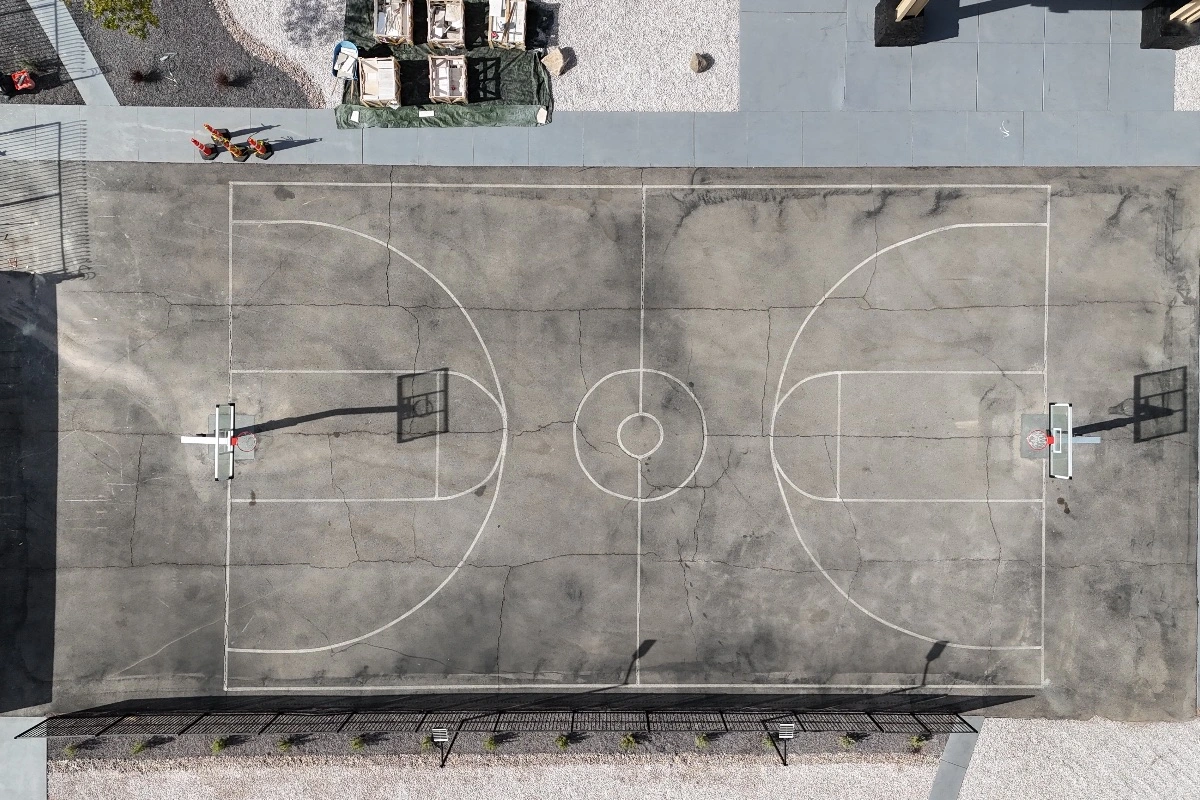
Over time, every outdoor basketball court begins to show signs of wear. Whether located in a backyard, HOA community, school, or commercial sports facility, exposure to sun, rain, and frequent play gradually degrades surfaces. Cracks form, acrylic coatings fade, and uneven areas develop, negatively impacting gameplay, safety, and court aesthetics.
Professional outdoor basketball court repair addresses these problems, restoring a court to near-original condition without the expense and disruption of full replacement. From crack sealing to full acrylic resurfacing, repair solutions improve playability, extend lifespan, and maintain a court’s visual appeal.
For Phoenix-area courts, repair solutions must account for intense UV exposure, extreme heat, and dry soil conditions that can accelerate surface deterioration. Experienced basketball court repair services tailor solutions to these local challenges, providing long-term durability and optimal performance.
What Is Outdoor Basketball Court Repair?
Outdoor basketball court repair involves a combination of surface restoration and structural fixes aimed at making the court safe, playable, and visually appealing again. Repair work focuses on maintaining the integrity of the base and surface without unnecessarily replacing the entire structure.
Surface Restoration and Structural Fixes
Key aspects of outdoor basketball court repair include:
- Crack filling and sealing – Stops further expansion and prevents water infiltration.
- Surface patching – Repairs worn or damaged areas for uniformity.
- Acrylic resurfacing – Restores color, texture, and traction.
- Line repainting – Re-establishes court markings for proper gameplay.
- Structural stabilization – Corrects issues with the base or underlying foundation when necessary.
Why Repair Is Better Than Replacement
While full court replacement is sometimes unavoidable, repair offers significant advantages:
- Cost-effectiveness – Repairs are often a fraction of replacement costs.
- Minimized downtime – Players can resume use sooner.
- Preservation of existing court footprint – No need for new grading or space adjustments.
- Sustainability – Less material waste compared to demolition and reconstruction.
When the base is still structurally sound and damage is mostly surface-level, outdoor basketball court repair is the recommended solution.
Common Problems in Outdoor Basketball Courts
Recognizing common issues helps determine when repair is necessary.
Surface Cracks
Cracks are one of the most common issues in outdoor courts. Causes include:
- Temperature changes – Expansion and contraction stress the surface.
- Ground movement – Dry soil shifts can crack the concrete or asphalt base.
- Aging materials – UV exposure and repeated foot traffic weaken surfaces over time.
Faded Court Lines and Colors
Court markings and surface colors often degrade due to:
- UV exposure – Fades bright acrylic colors.
- Weather cycles – Rain, wind, and temperature changes cause wear.
- Heavy usage – Constant play erodes painted or coated areas faster than expected.
Uneven Playing Surface
Uneven surfaces negatively affect:
- Ball bounce consistency – Irregular surfaces reduce fair gameplay.
- Player safety – Trip hazards increase injury risk.
- Game quality – Poor traction or unexpected rebounds frustrate players.
Water Damage and Drainage Issues
Even outdoor courts in dry climates require proper drainage. Poorly designed or clogged systems can lead to:
- Surface weakening – Water erodes coatings and softens asphalt.
- Base deterioration – Standing water infiltrates the foundation.
- Accelerated crack growth – Moisture expansion worsens existing damage.
How Outdoor Basketball Court Repair Is Done
Professional basketball court repair services follow a systematic approach to restore performance and appearance.
Step 1 – Court Inspection
A detailed assessment evaluates:
- Crack severity – Determines whether surface-level repair is sufficient.
- Surface wear – Identifies areas requiring patching or resurfacing.
- Drainage condition – Prevents future water-related damage.
- Base stability – Ensures that repair efforts will be long-lasting.
Step 2 – Cleaning & Preparation
Preparation is critical for durable results:
- Pressure washing – Removes dirt, mold, and loose particles.
- Debris removal – Ensures a clean work surface.
- Clearing loose material – Prepares cracks and damaged areas for effective patching.
Step 3 – Crack Repair
Cracks are addressed using professional methods:
- Routing cracks if necessary – Ensures proper filler adhesion.
- Filling with flexible acrylic compounds – Accommodates expansion and contraction.
- Smoothing for uniform surface – Prepares for resurfacing without uneven patches.
Step 4 – Surface Resurfacing
Acrylic resurfacing restores color, traction, and durability:
- Layer application – Multiple coats ensure long-lasting protection.
- Texture enhancement – Improves grip and ball response.
- Sealing the surface – Protects against UV damage, water penetration, and wear.
Step 5 – Line Repainting
Final striping ensures proper gameplay:
- Basketball court markings – Standard or custom dimensions.
- Optional multi-sport markings – Pickleball, tennis, or volleyball overlays.
- UV-resistant paint – Maintains color for years, reducing maintenance frequency.
Comparison Table – Outdoor Basketball Court Repair Options
|
Repair Type |
Cost |
Durability |
Maintenance |
Ideal Use |
|
Cracked Basketball Court Repair |
Low–Moderate |
Medium |
Moderate |
Minor surface cracks |
|
Outdoor Court Resurfacing |
Moderate–High |
High |
Low |
Extensive wear, fading |
|
Full Basketball Court Restoration |
High |
Very High |
Low |
Deep cracks, structural issues |
When Should You Repair an Outdoor Basketball Court?
Timing is crucial to prevent further damage and higher costs.
Visible Cracks or Fractures
Early intervention prevents:
- Expansion of damage over time
- Larger resurfacing projects
- Potential structural compromise
Slippery Surface
Loss of traction from worn coatings can result in:
- Increased risk of player injury
- Reduced control over gameplay
- Rapid surface deterioration
Faded Appearance
Indicates UV and weather damage, signaling a need for resurfacing to:
- Restore visual appeal
- Protect the surface from further wear
- Maintain a professional look for community or commercial courts
Water Pooling
Standing water highlights drainage issues that must be addressed before resurfacing to prevent recurring damage.
Can Cracks Be Prevented?
Proper preventive measures reduce long-term repair needs.
Regular Maintenance
Routine inspection and upkeep include:
- Cleaning debris – Keeps the surface smooth and safe.
- Inspecting surface condition – Detects early signs of cracking.
- Early crack detection – Prevents small issues from escalating.
Quality Acrylic Coatings
High-grade coatings protect against:
- UV damage – Maintains vibrant color and material integrity.
- Water penetration – Reduces base erosion.
- Surface wear – Prolongs lifespan and performance.
Proper Drainage Design
Ensures water does not accumulate:
- Prevents standing water damage
- Reduces base weakening
- Extends the life of the basketball court
Benefits of Outdoor Basketball Court Repair
Professional repair services provide:
- Restored safe playing conditions – Reduces injury risks.
- Improved ball bounce consistency – Enhances gameplay quality.
- Extended court lifespan – Saves money over time.
- Enhanced appearance – Brings the court back to a visually appealing condition.
- Reduced long-term costs – Prevents expensive replacements.
Common Mistakes in Court Repair
Avoiding these errors ensures long-lasting results:
Ignoring Small Cracks
Small cracks always expand if left untreated, leading to more extensive repairs.
Using Rigid Fillers
Materials that cannot accommodate expansion or contraction will fail quickly under temperature fluctuations.
Skipping Resurfacing After Repairs
Neglecting resurfacing can result in uneven finish, poor traction, and compromised aesthetics.
Delaying Repairs
Postponing repair work allows damage to worsen, increasing repair costs and downtime.
Frequently Asked Questions (FAQs)
How to repair a basketball court?
Repair begins with inspection, crack filling, surface preparation, and acrylic resurfacing, followed by line repainting and final inspection.
How long does it take to resurface an outdoor basketball court?
Most outdoor court resurfacing projects are completed in 2–5 days, depending on court size, weather, and the extent of repair work.
What is the alternative to concrete for outdoor basketball courts?
Asphalt or modular tile systems can be used as alternatives. Acrylic surfacing can be applied over these bases for durability and playability.
How to maintain an outdoor basketball court?
Regular cleaning, prompt crack filling, and annual inspections for drainage and surface wear prolong court life.
What kind of paint is used on outdoor basketball courts?
UV-resistant acrylic paint is preferred for both court lines and surface markings, ensuring long-lasting color and durability.
Professional outdoor basketball court repair services in Phoenix restore safety, performance, and aesthetics while addressing climate-specific challenges. From backyard basketball court Phoenix AZ homeowners enjoy to HOA and school facilities, repair strategies tailored to the extreme Arizona heat ensure long-lasting results. By combining crack repair, resurfacing, proper drainage solutions, and high-quality acrylic coatings, courts remain playable, attractive, and durable for years.
Whether your court has minor cracks or more extensive surface damage, early intervention and professional restoration preserve investment value, enhance enjoyment, and extend the life of your outdoor basketball court.