Sport Court Surface Types: Choosing Between Acrylic and Modular Systems
 Shiva Malek
on
July 1, 2026
Shiva Malek
on
July 1, 2026
Sport Court Surface Types: Choosing Between Acrylic and Modular Systems
Choosing a court surface is one of the highest-impact decisions in any sport court project. It affects how the court plays, how long it lasts, and how much maintenance it needs over time. This guide compares the main surface categories available for basketball, pickleball, tennis, and multi-sport courts so you can choose confidently.
Acrylic Coating Systems
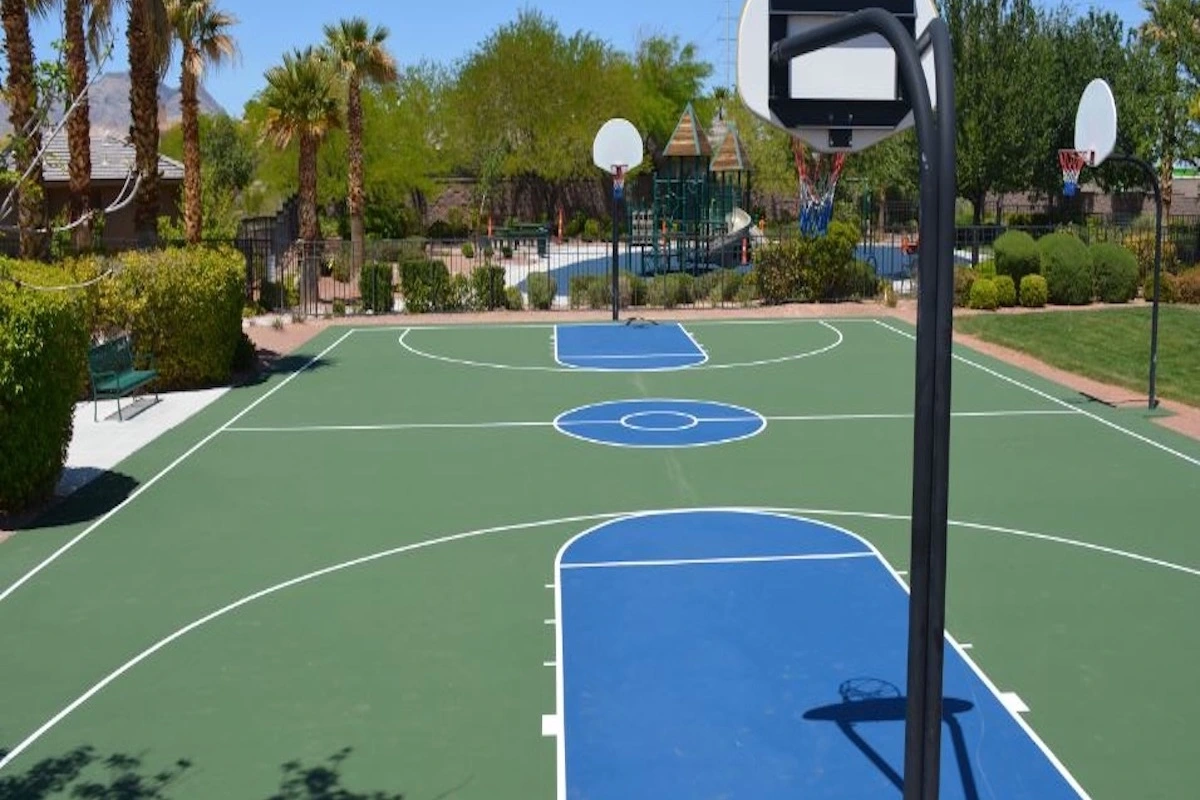
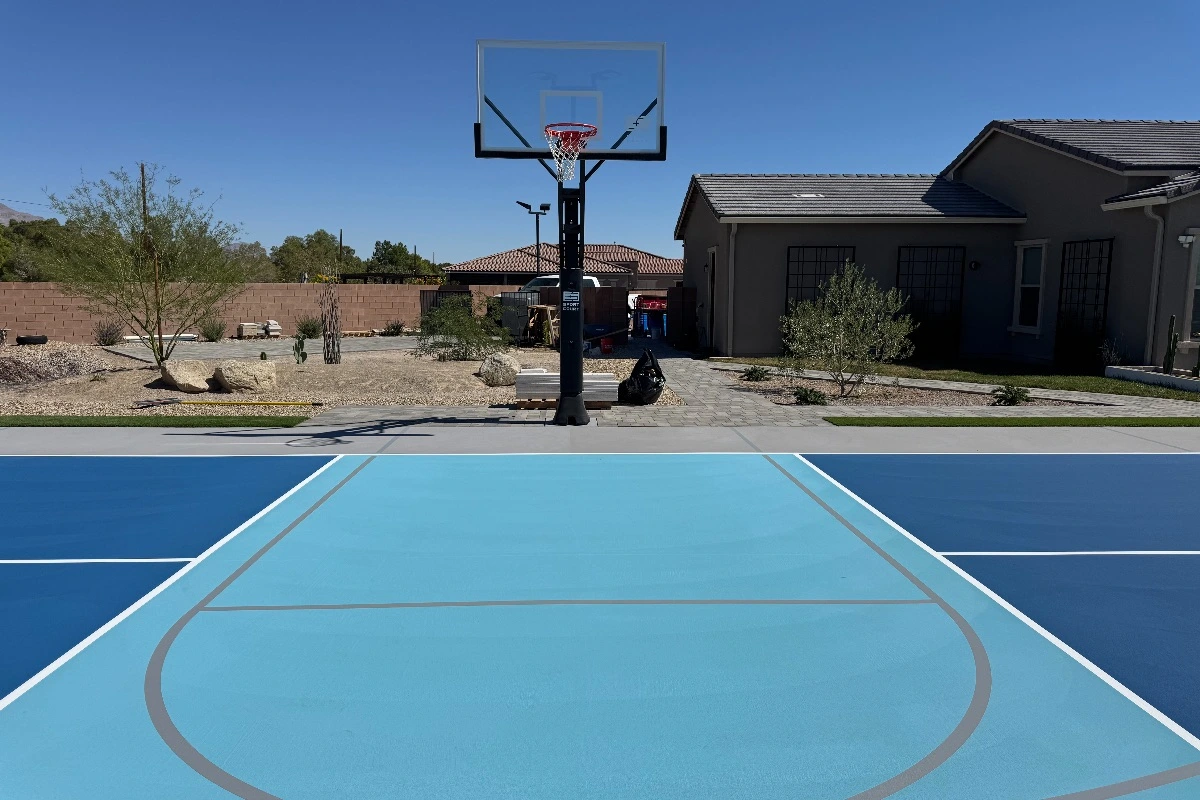
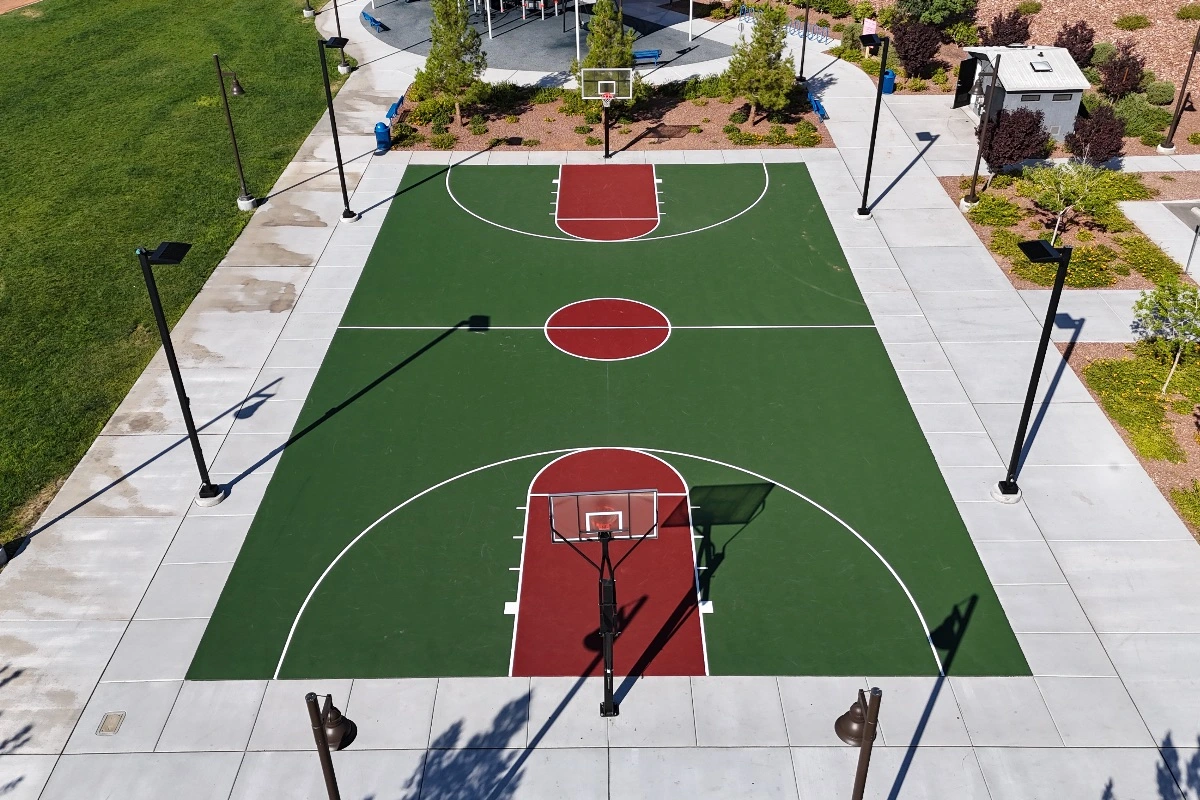
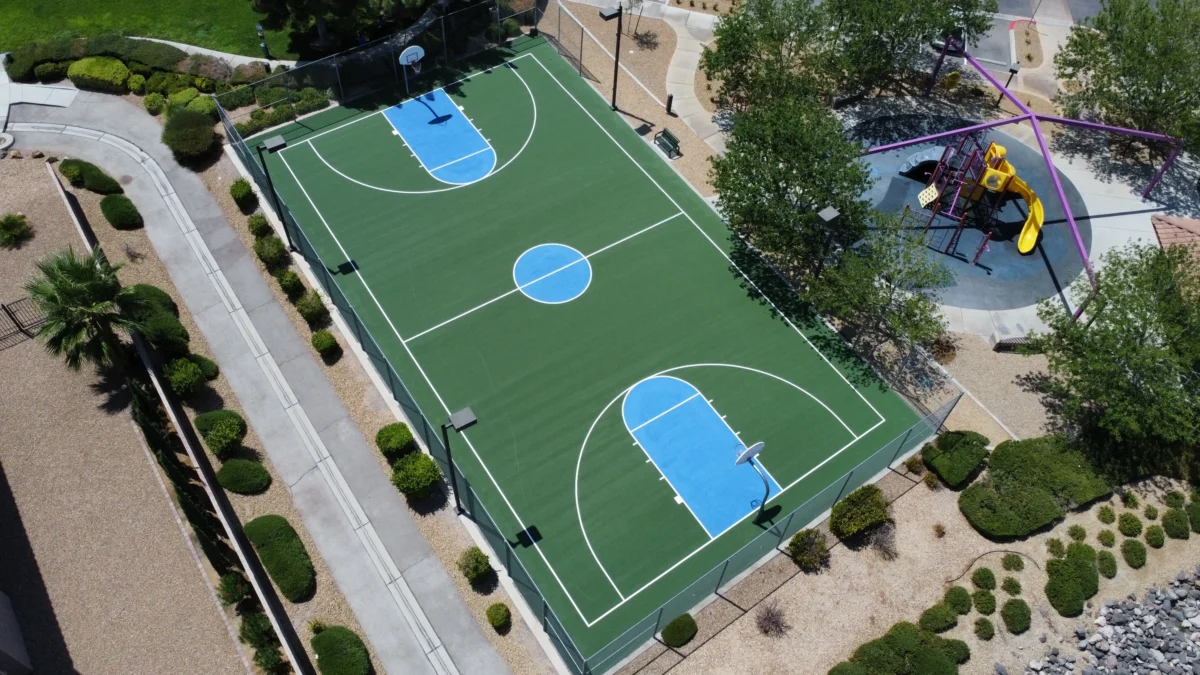
Acrylic is a multi-coat surfacing system applied directly over a concrete or asphalt base. It remains the most widely used surface for outdoor sport courts because it balances performance, appearance, and cost effectively:
- Consistent bounce and traction across the full court surface.
- Full color customization, including two-tone designs, logos, and multi-sport line overlays.
- Cost-effective relative to specialty and premium surface systems.
- Recoat-friendly, meaning the surface can be refreshed rather than replaced as it ages.
The tradeoff is that acrylic performance depends heavily on the base beneath it. A great coating over a poorly built base will still fail early.
Cushioned Acrylic Systems
Cushioned acrylic adds a rubberized layer beneath the standard color coats, providing extra shock absorption. This upgrade is popular for courts with heavy daily use, training facilities, or households prioritizing joint protection for younger or more active players. It costs more than standard acrylic but extends comfort and reduces surface-related fatigue over long sessions.
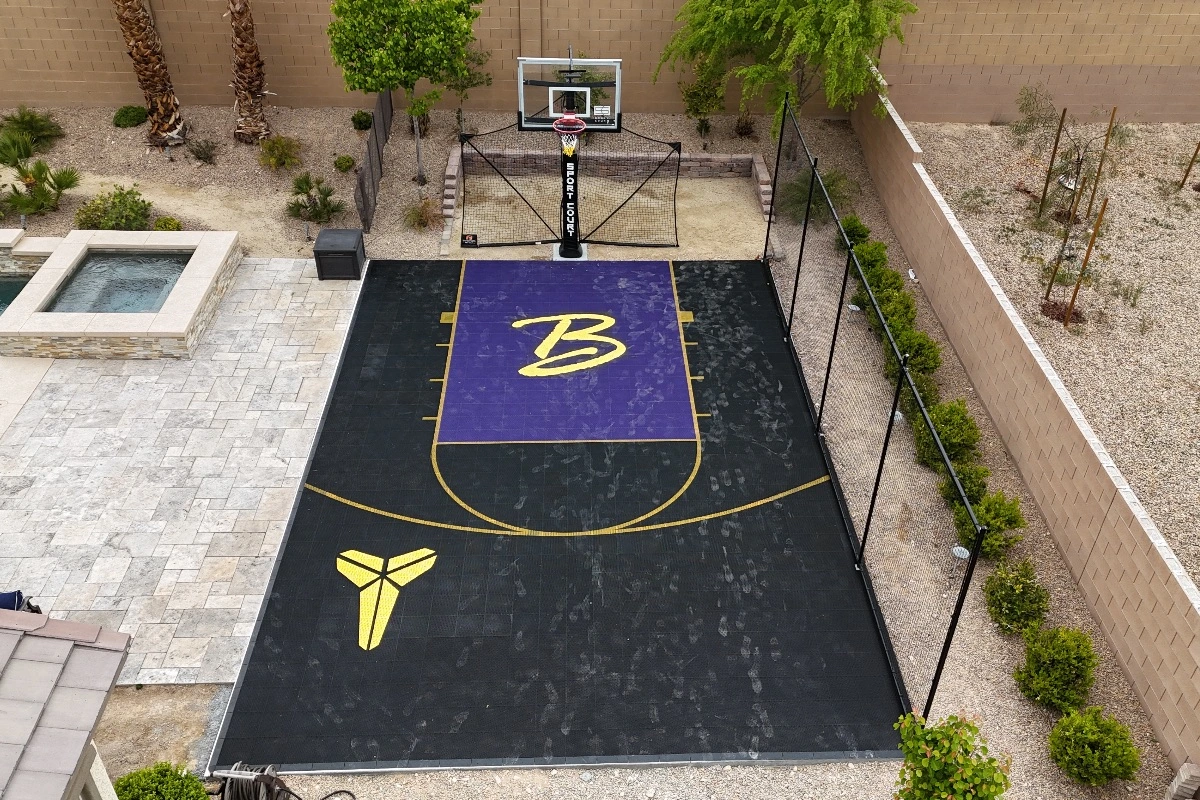
Modular Tile Systems
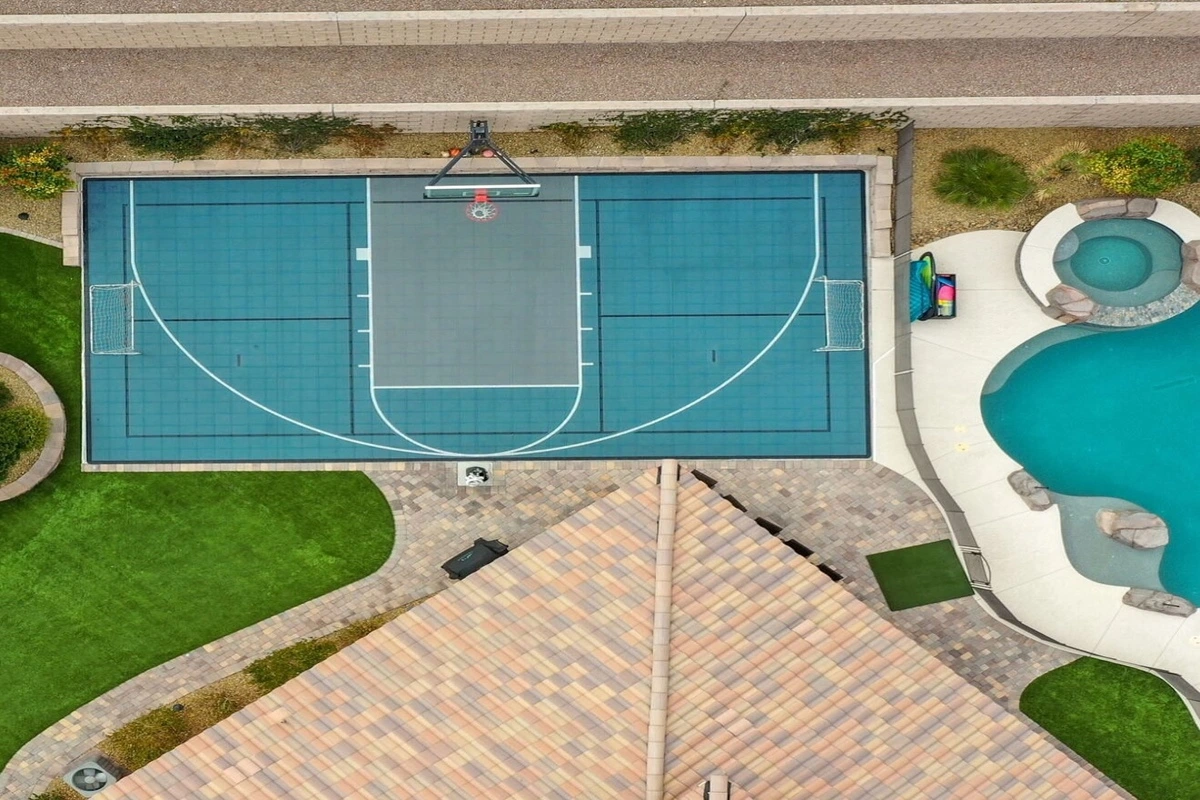
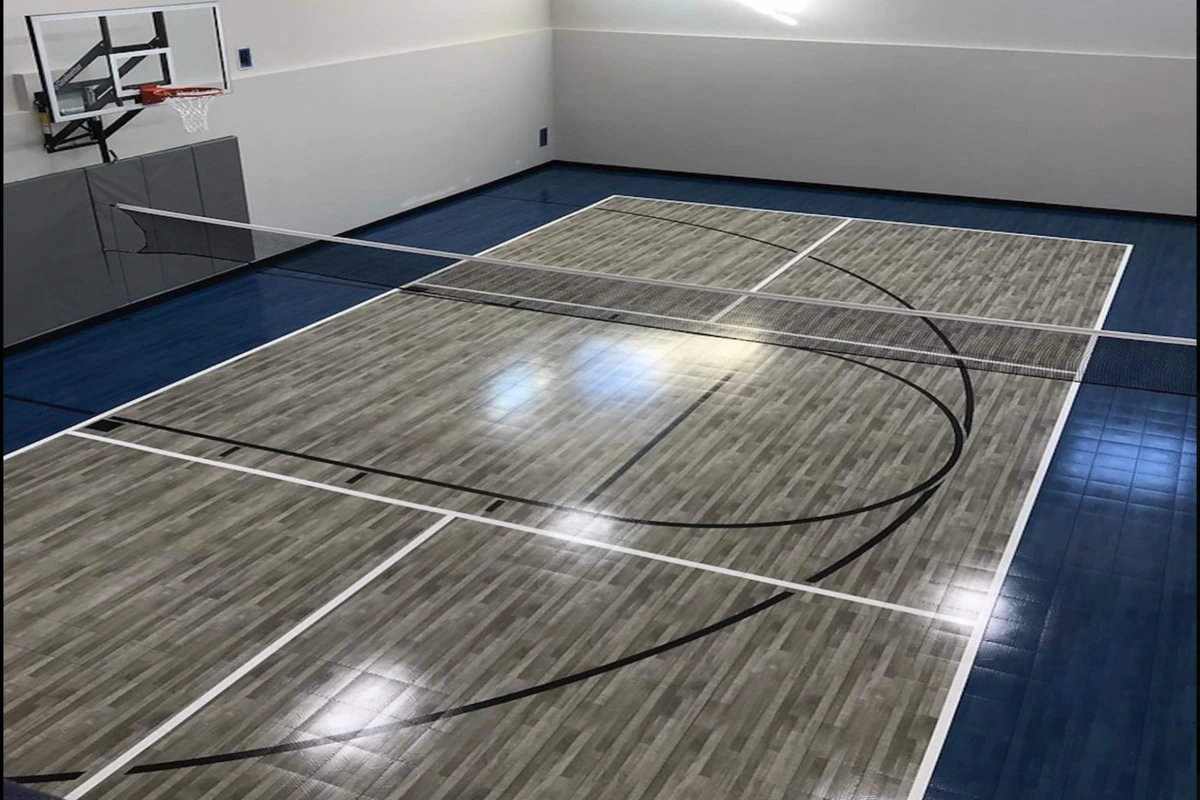
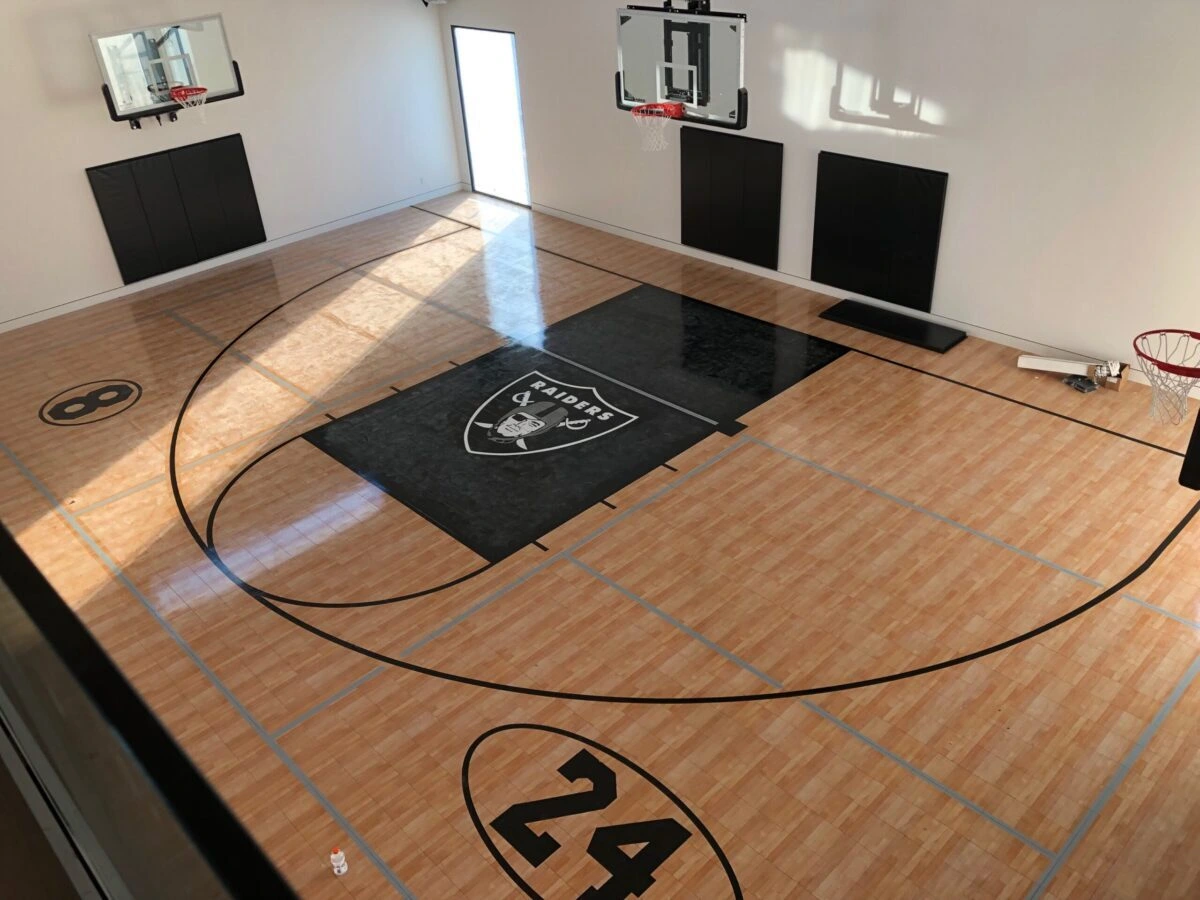
Modular sports tiles are interlocking polypropylene tiles installed over an existing hard surface. Advantages include:
- Faster installation with no cure time required before use.
- Built-in drainage through a perforated tile design.
- Forgiving over minor surface imperfections, since tiles float above small irregularities rather than requiring a perfectly smooth base.
- Removability, useful for temporary installations or surfaces that may need to be relocated.
Tile systems trade some of acrylic’s design flexibility and classic look for speed, drainage, and installation flexibility.
Post-Tension Concrete and Base Considerations
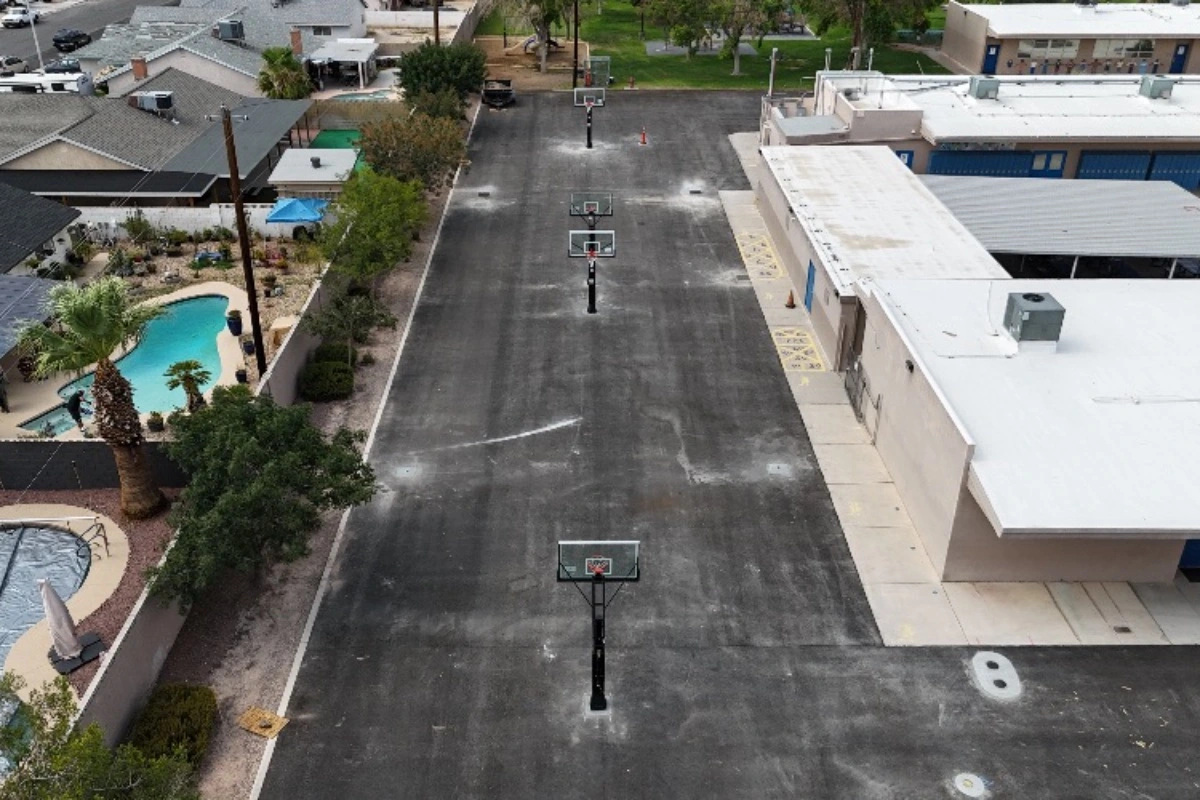
While not a surface coating itself, the base beneath any surface system matters enormously, and post-tension concrete has become a popular base choice for courts (especially pickleball) because it resists the cracking that standard slab concrete is more prone to under heat-cycling stress. Choosing the right base is just as important as choosing the right surface coating.
How to Choose the Right Surface for Your Court
Choose standard acrylic for most backyard and commercial courts prioritizing appearance, cost, and long-term recoat-ability.
Choose cushioned acrylic for heavy-use courts, training facilities, or when joint impact is a real concern.
Choose modular tile when installation speed, drainage, or future removability matters more than achieving the classic painted-court look.
Climate-Specific Considerations for Las Vegas and Phoenix
Whatever surface type you choose, it needs to be rated for sustained high-heat and intense UV exposure. Generic coatings and lower-grade tile materials can degrade quickly under desert conditions that are more extreme than most of the country experiences. We select surface systems specifically suited to Las Vegas and Phoenix climates, not generic national products that underperform here.
FAQ
What’s the difference between acrylic and modular tile surfaces?
Acrylic is a painted coating system applied over a concrete or asphalt base, offering maximum design flexibility. Modular tile is an interlocking system installed over an existing hard surface, offering faster installation and built-in drainage.
Which surface type is more durable long-term?
Both can be very durable when installed correctly. Acrylic systems can be recoated over decades, while quality modular tile systems resist wear well and can sometimes be relocated.
Is cushioned acrylic worth the extra cost?
For courts with heavy daily use or a priority on joint protection, yes. For casual or light-use courts, standard acrylic usually performs just as well for less money.
Can modular tile be installed over a cracked or uneven surface?
Tile systems are more forgiving of minor imperfections than poured coatings, but significant cracking or heaving still needs to be addressed first.
Do surface types affect maintenance requirements?
Yes. Acrylic surfaces need periodic recoating every four to seven years. Modular tile systems generally require less frequent full replacement but individual tiles can be swapped if damaged.
How do I know which surface is right for my project?
The right choice depends on usage, budget, site conditions, and aesthetic preference. We help you weigh these factors during your site visit.
This page links to our acrylic sports court surface guide and our cost to build a court pillar page. Ready to choose your surface? Get a quote from Legendary Sport Construction today.