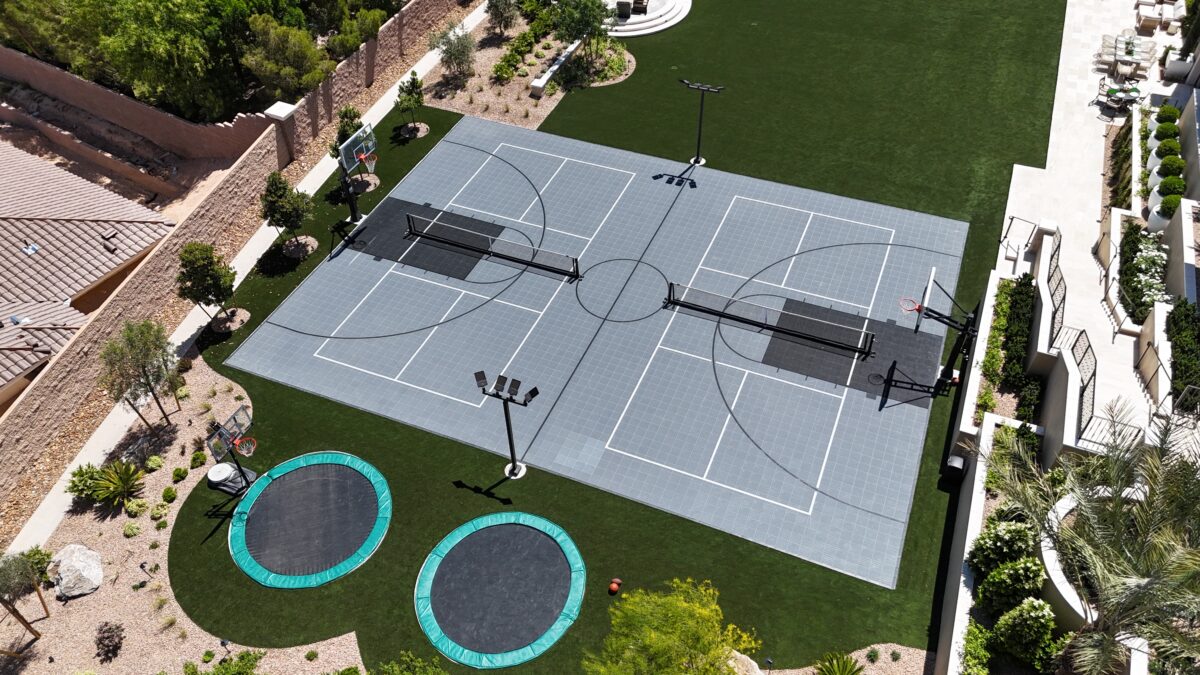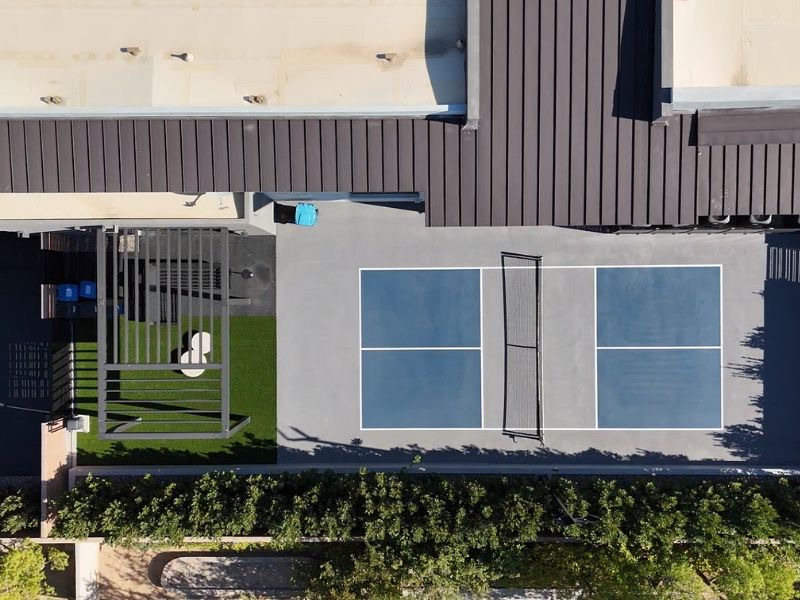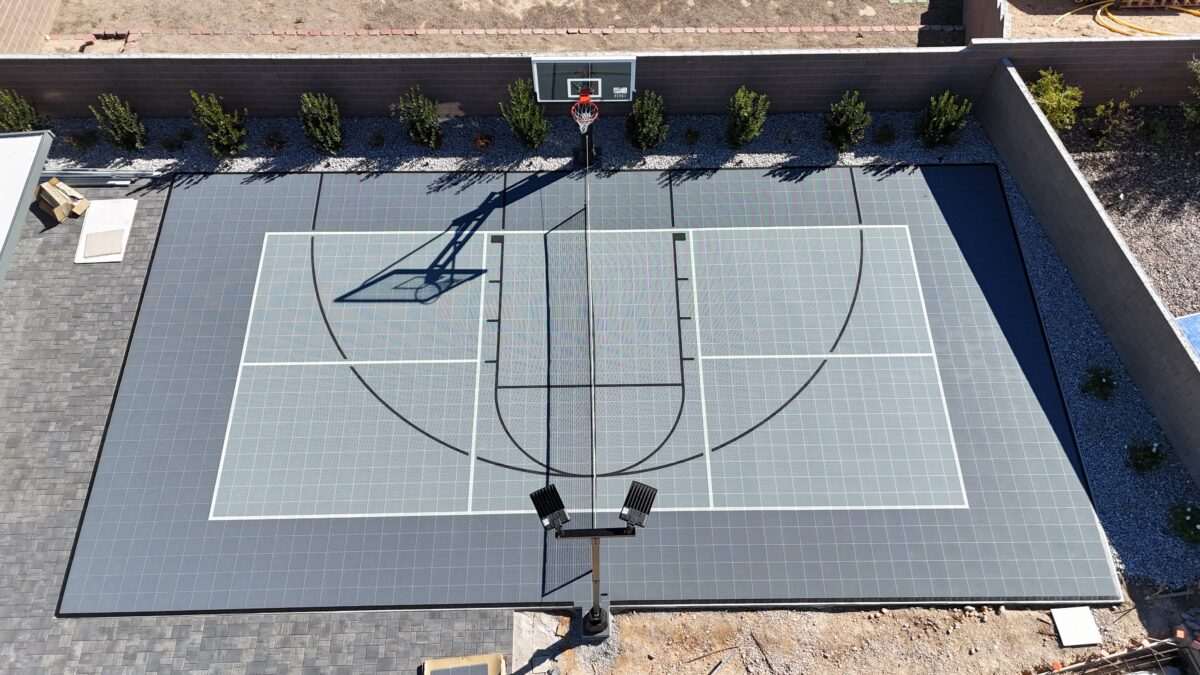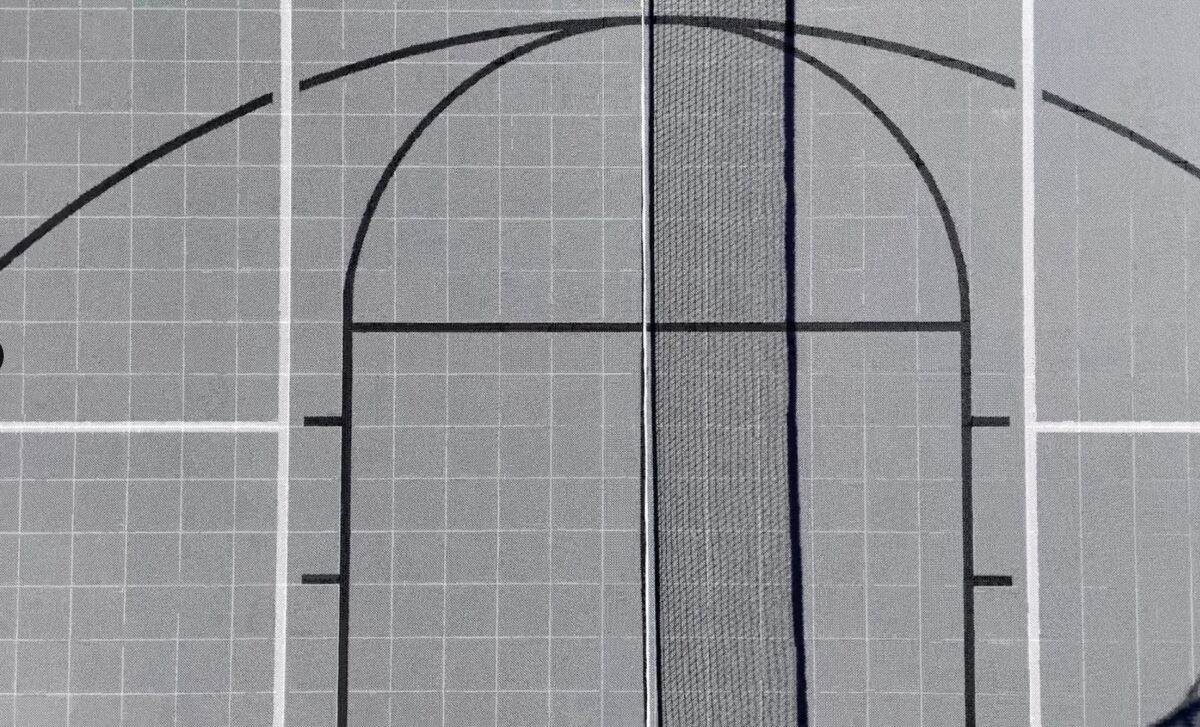
Pickleball Court Painting in Paradise Valley, AZ: Refresh Your Court for Optimal Play

Living in Arizona means sunshine nearly all year long—perfect for outdoor activities in Arizona like basketball, pickleball, volleyball, and more. But with all that sun comes soaring temperatures, and those highs can do real damage to your court over time. we’ll explore how heat impacts various types of outdoor game courts, and what steps you can take to extend the life and performance of your Arizona court.
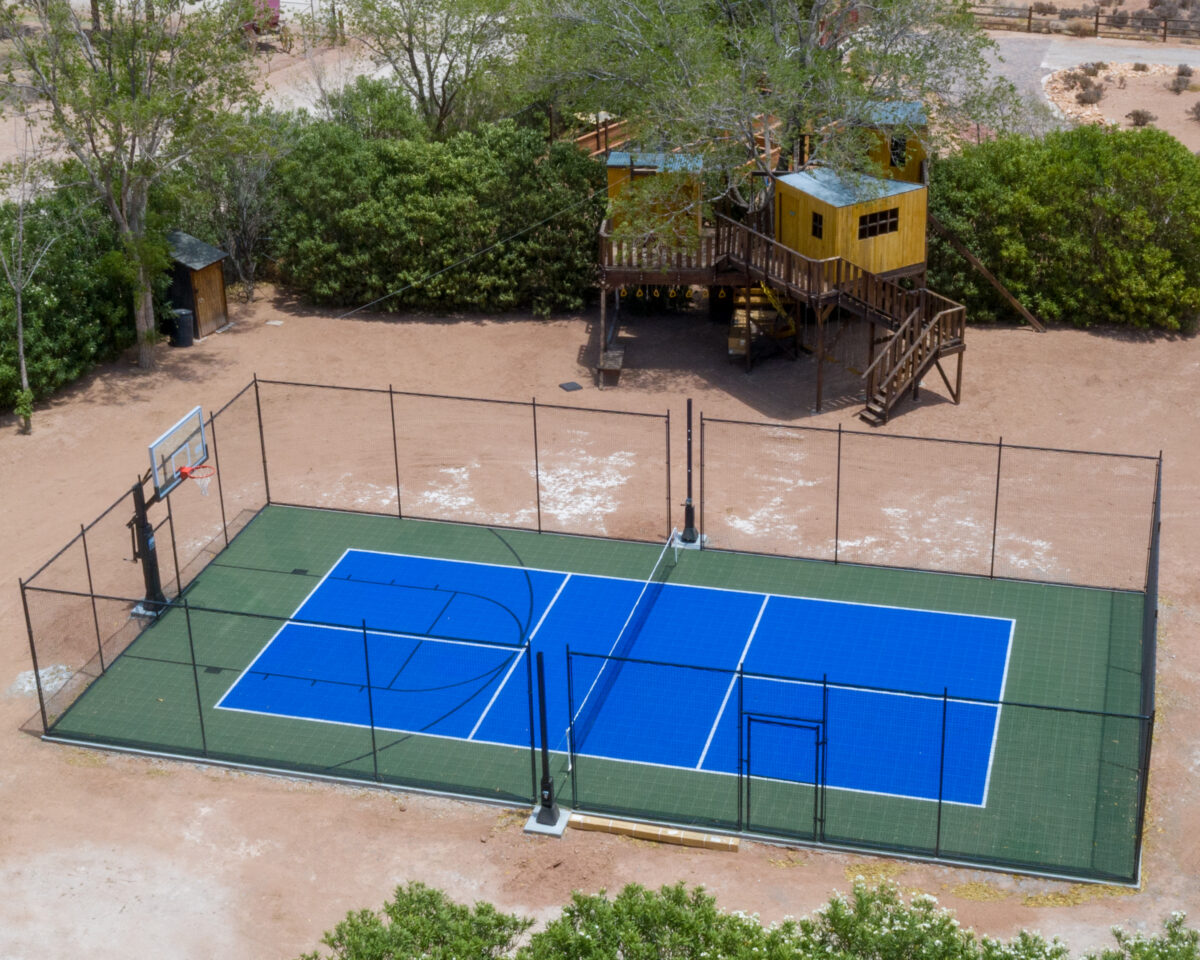
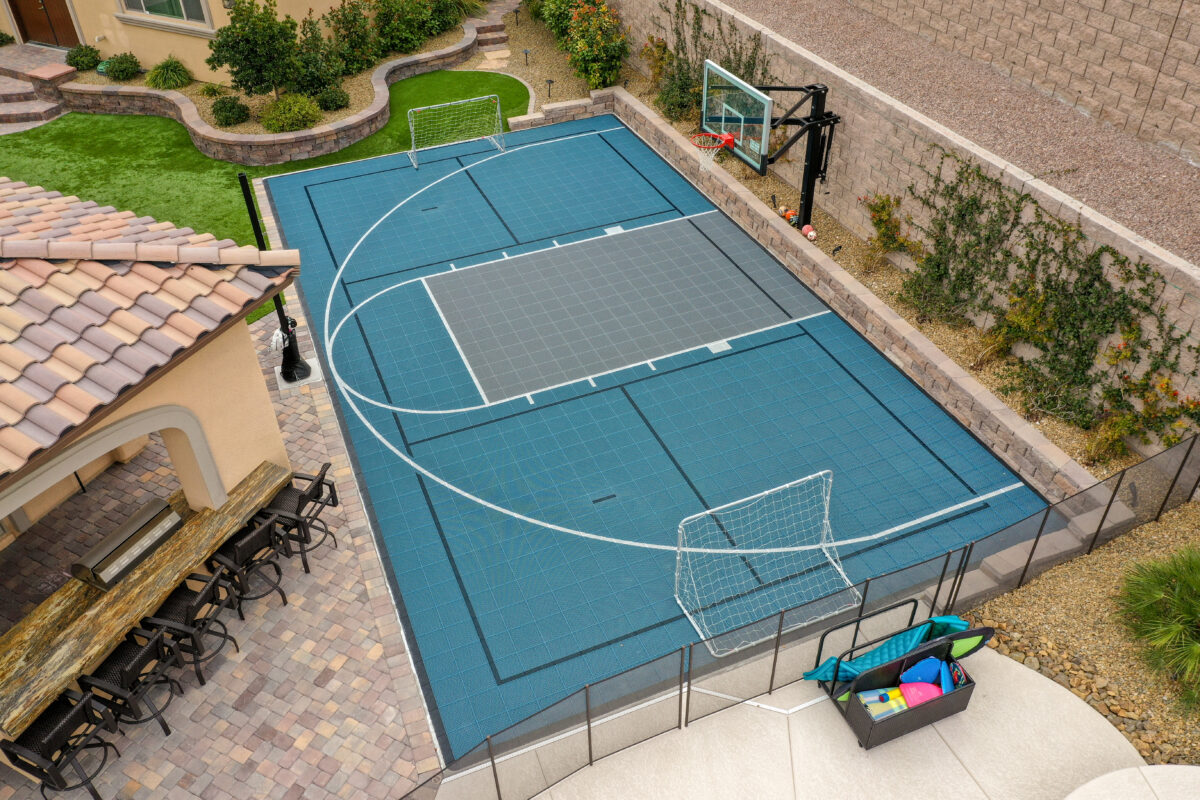
Home Basketball Court Installation in Phoenix, AZ: Bring the Game to Your Backyard

Living in Arizona means sunshine nearly all year long—perfect for outdoor activities in Arizona like basketball, pickleball, volleyball, and more. But with all that sun comes soaring temperatures, and those highs can do real damage to your court over time. we’ll explore how heat impacts various types of outdoor game courts, and what steps you can take to extend the life and performance of your Arizona court.
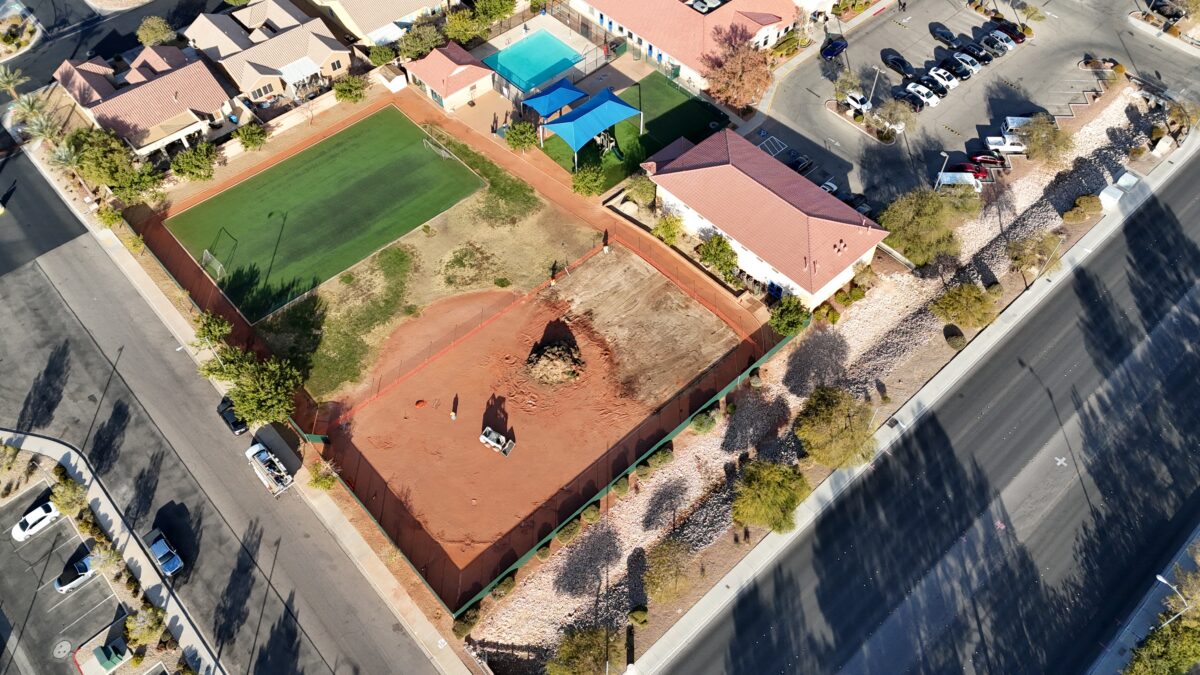
Pickleball Court Builders in Scottsdale, AZ: Expert Construction for Your Backyard or Community

Living in Arizona means sunshine nearly all year long—perfect for outdoor activities in Arizona like basketball, pickleball, volleyball, and more. But with all that sun comes soaring temperatures, and those highs can do real damage to your court over time. we’ll explore how heat impacts various types of outdoor game courts, and what steps you can take to extend the life and performance of your Arizona court.
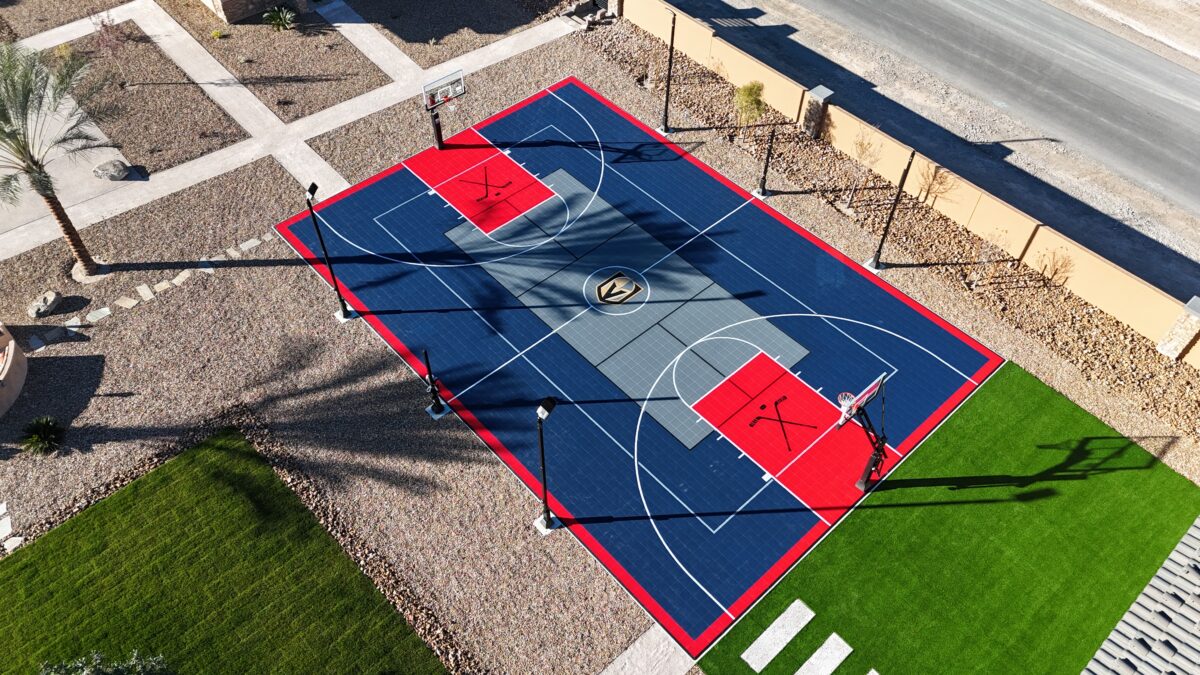
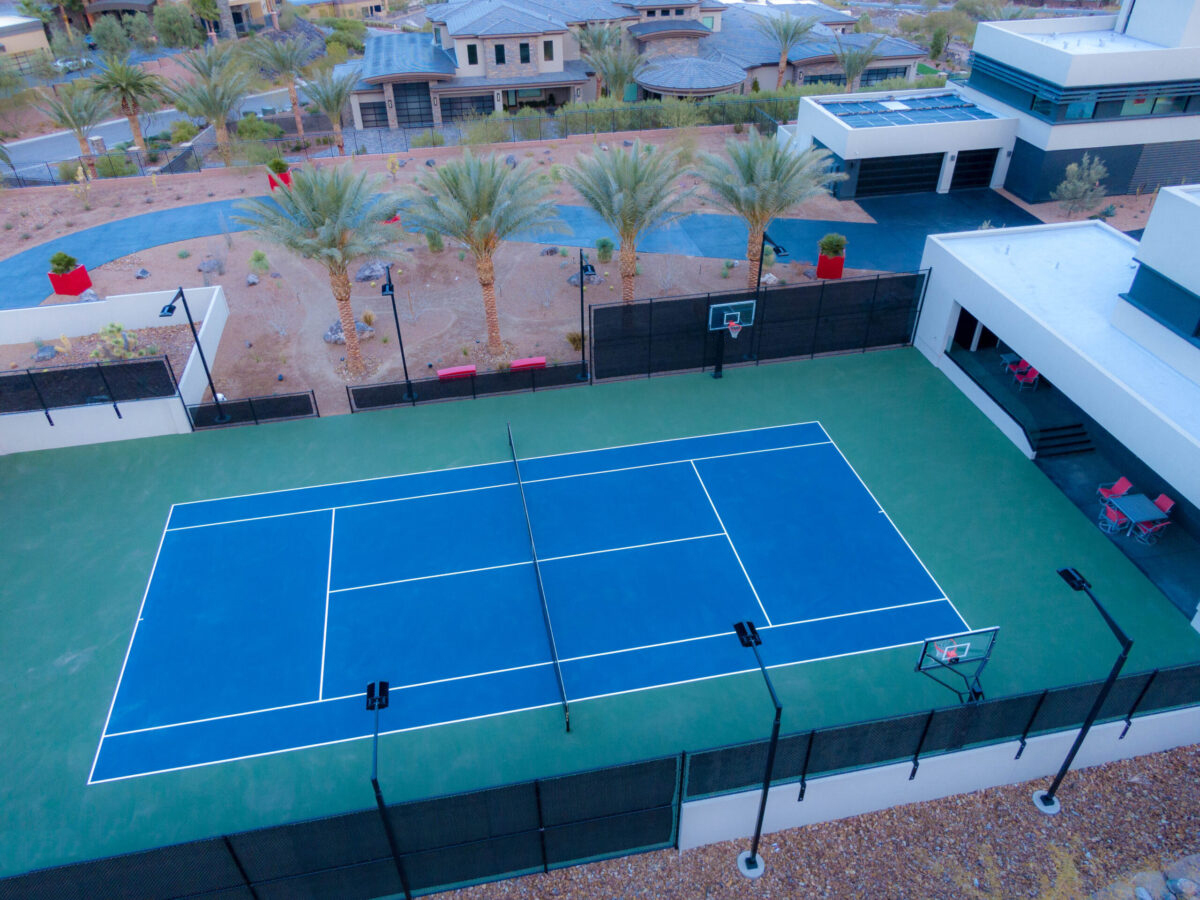
Tennis Court Painting in Whitney, NV: Refresh Your Court’s Look and Performance

Tennis Court Painting in Whitney, NV

Tennis Court Painting in Whitney, NV: Refresh Your Court’s Look and Performance

Tennis Court Painting Services in Whitney, NV

Tennis court painting is a critical part of maintaining a safe, high-performing, and visually appealing playing surface. Over time, sun exposure, foot traffic, and weather conditions cause court colors to fade, lines to wear down, and traction to diminish. Without professional repainting, even structurally sound courts can become difficult—and unsafe—to play on.

Legendary Sports Construction provides professional tennis court painting services in Whitney, Nevada for residential, community, and recreational courts. Our team focuses on precision surface preparation, durable acrylic coatings, and regulation-compliant line striping to restore both appearance and playability. Whether your court needs fresh colors, new lines, or a complete repaint, professional tennis court painting extends surface life and improves overall performance.

Why Tennis Court Painting Matters

Tennis court painting is not just cosmetic. Worn or faded surfaces affect traction, ball visibility, and player confidence. In Whitney’s desert climate, prolonged UV exposure accelerates surface breakdown, making timely repainting essential.

Proper court painting restores visual contrast between playing zones, ensures lines are clearly visible, and enhances surface texture for consistent ball bounce. It also provides a protective layer that shields the underlying court from further wear, moisture intrusion, and surface erosion.

For property owners, tennis court painting is a cost-effective way to maintain court quality without committing to full resurfacing.

Key Components of Tennis Court Painting

Surface Preparation

Surface preparation is the foundation of every successful tennis court painting project. Without proper prep, even the highest-quality coatings will fail prematurely.

Preparation begins with thoroughly cleaning the court surface to remove dirt, dust, algae, and organic buildup. Minor cracks and surface imperfections are repaired to ensure a smooth, even base. Any loose or peeling material is removed so new coatings can bond correctly.

This step is essential for long-lasting results and consistent performance.

Acrylic Coatings

Professional tennis court painting relies on high-quality acrylic coatings specifically engineered for outdoor athletic use. These coatings improve traction, regulate ball bounce, and provide uniform color across the court.

Acrylic coatings are designed to withstand intense sun exposure, temperature changes, and regular play. They are available in a variety of color combinations, allowing courts to be customized for visibility, aesthetics, or property branding.

In Whitney, acrylic tennis court painting is the preferred solution for durability and long-term performance.

Court Line Striping

Court lines define gameplay. Accurate, high-contrast striping ensures players can clearly see boundaries, service boxes, and non-play zones during both recreational and competitive matches.

Professional court striping services in Nevada follow regulation tennis dimensions for singles and doubles play. High-visibility paints are used to maintain crisp lines that resist fading and wear.

Clear, precise striping not only improves playability but also ensures compliance with standard tennis court requirements.

Finishing & Sealing

The final stage of tennis court painting involves finishing and sealing. Protective sealers help lock in color, protect painted lines, and reduce wear from foot traffic and equipment.

Sealing extends the life of the painted surface, preserves traction, and maintains a clean, professional appearance over time. This final step is especially important in high-sun environments like Whitney, NV.

Comparison Table – Tennis Court Painting Options

Painting OptionPurposeDurabilityBest Use
Full Court RepaintRestore color & tractionHighWorn or faded courts
Line Repainting OnlyImprove visibilityModerateLines faded, surface intact
Acrylic Recoat + StripingPerformance refreshVery HighCourts with surface wear
Custom Color SystemAesthetic upgradeHighResidential or branded courts

This comparison helps property owners choose the right level of tennis court painting based on surface condition and usage.

Benefits of Tennis Court Painting

Professional tennis court painting offers multiple long-term benefits for players and property owners alike.

Fresh acrylic coatings enhance playability by improving traction and ensuring consistent ball response. Clear, regulation-compliant lines reduce confusion during play and support competitive accuracy.

Painting also increases safety by eliminating slick or uneven areas that can contribute to slips and trips. Visually, a freshly painted court looks clean, professional, and well cared for—an important factor for residential properties and shared community spaces.

Additionally, tennis court painting protects the existing surface from weather and wear, delaying the need for full resurfacing and reducing long-term maintenance costs.

Tennis Court Painting Process

Inspection & Surface Preparation

Each project begins with a detailed inspection of the court. Surface condition, existing coatings, and line visibility are assessed. Minor cracks and imperfections are repaired, and the surface is prepared for painting.

Cleaning

The court is power washed to remove debris, dirt, algae, and contaminants. Proper cleaning ensures strong adhesion of acrylic coatings and prevents premature peeling.

Acrylic Coating Application

Acrylic base coats are applied evenly across the surface to restore traction, color consistency, and performance. Multiple layers may be used depending on surface condition and desired results.

Line Painting

Regulation tennis lines are measured and painted with precision. High-contrast paints are used to ensure visibility and durability for both singles and doubles play.

Finishing & Sealing

Protective finishes and sealers are applied to safeguard the painted surface and lines. This step enhances durability and maintains appearance over time.

Final Inspection

The project concludes with a final inspection to confirm quality, accuracy, and play readiness. The court is left clean, vibrant, and ready for use.

Frequently Asked Questions (FAQs)

What kind of paint is used on tennis courts?

Tennis courts use specialized acrylic-based paints designed for outdoor athletic surfaces. These paints provide traction, durability, UV resistance, and consistent ball bounce.

How many times can a tennis court be resurfaced?

A tennis court can be resurfaced multiple times as long as the underlying base remains structurally sound. Proper painting and maintenance help extend the number of resurfacing cycles.

What is the cheapest way to resurface a tennis court?

The most affordable option is typically acrylic coating and repainting over an existing hard court. This refreshes performance and appearance without rebuilding the base.

How are tennis courts painted?

Courts are cleaned, repaired, and coated with acrylic surface materials. Once cured, regulation lines are measured and painted, followed by sealing for protection.

What is the best color for a tennis court?

Common color combinations include blue or green playing areas with contrasting outer zones. These colors enhance ball visibility, reduce glare, and meet standard tennis court design practices.

Professional Tennis Court Painting in Whitney, NV

Tennis court painting is one of the most effective ways to restore performance, safety, and appearance without full reconstruction. With proper surface preparation, durable acrylic coatings, and precise line striping, a worn court can be transformed into a high-quality playing surface.

For property owners seeking reliable tennis court painting in Whitney, NV, professional court striping and coating services ensure your court looks better, plays better, and lasts longer—ready for years of recreational or competitive play.

Sign up for our Newsletter

Tennis Court Maintenance in Summerlin South, NV: Keep Your Court in Top Shape

tennis court

Tennis Court Maintenance in Summerlin South, NV: Keep Your Court in Top Shape

Tennis Court Maintenance Services in Summerlin South, NV

Proper tennis court maintenance is essential for preserving play quality, safety, and the long-term value of your court. In a climate like Summerlin South, Nevada—where intense sun exposure, heat, and occasional seasonal moisture accelerate surface wear—routine maintenance is not optional, it’s necessary.

Legendary Sports Construction provides professional tennis court maintenance services for residential, community, and recreational courts throughout Summerlin South. Our maintenance programs are designed to keep courts smooth, safe, and visually appealing while preventing minor issues from turning into costly repairs or full resurfacing projects.

Whether you manage a private backyard court or oversee a shared community facility, consistent maintenance ensures reliable performance year-round.

Why Tennis Court Maintenance Matters

Tennis courts are precision playing surfaces. Even small imperfections—such as fine cracks, surface buildup, or faded lines—can disrupt ball bounce and player movement. Over time, neglecting these issues increases safety risks and shortens the lifespan of the court.

Regular tennis court maintenance helps preserve the integrity of surface coatings, protects the underlying asphalt or concrete base, and ensures players experience consistent traction and predictable ball response. In high-UV environments like Summerlin South, proper care also prevents premature fading, peeling, and surface breakdown.

Ultimately, maintenance is the most cost-effective way to protect your investment and avoid major repairs.

Key Components of Tennis Court Maintenance

Surface Cleaning

Routine surface cleaning is the foundation of effective outdoor tennis court care. Dirt, leaves, dust, and organic debris may seem harmless, but over time they contribute to surface deterioration and drainage problems.

Professional cleaning removes debris that can trap moisture, leading to algae or moss buildup in shaded areas. It also prevents abrasive particles from wearing down acrylic and asphalt coatings. Keeping the surface clean extends coating life, improves traction, and maintains a professional appearance.

In Summerlin South’s dusty environment, regular cleaning is especially important to preserve surface performance.

Crack & Damage Repair

Cracks are one of the most common issues affecting outdoor tennis courts. Temperature fluctuations cause materials to expand and contract, leading to surface fractures that worsen if left untreated.

Crack and damage repair involves filling and sealing minor cracks before they spread. Uneven areas are leveled to restore consistent ball bounce and safe footing. Addressing these issues early prevents moisture infiltration, which can weaken the court’s base and lead to more extensive damage.

Professional tennis court services in Nevada prioritize proactive repair to extend court lifespan and maintain safe play conditions.

Line & Court Marking Maintenance

Court lines are essential for accurate play and rule compliance. Over time, lines fade due to sun exposure, foot traffic, and routine cleaning.

Line and court marking maintenance includes repainting worn or faded lines according to standard tennis court dimensions. Crisp, visible markings improve gameplay, enhance aesthetics, and ensure the court remains suitable for both recreational and competitive use.

Maintained lines also contribute to the overall perception of quality and professionalism, especially for community or shared courts.

Surface Recoating

Surface recoating is a key maintenance step when existing coatings show signs of wear but the underlying structure remains sound. Applying a fresh acrylic coating restores traction, color vibrancy, and bounce consistency.

Recoating also adds a protective layer against UV rays, rain, and heavy use. In Summerlin South, where prolonged sun exposure accelerates surface degradation, timely recoating significantly extends the life of the court.

Surface recoating bridges the gap between routine maintenance and full resurfacing, offering a cost-effective performance upgrade.

Comparison Table – Tennis Court Maintenance Options

Maintenance ServicePurposeFrequencyImpact on Court Life
Surface CleaningRemove debris & buildupMonthly / QuarterlyPrevents premature wear
Crack RepairStop surface deteriorationAs neededExtends structural life
Line RepaintingRestore visibility & accuracyEvery 1–2 yearsImproves play quality
Surface RecoatingRenew traction & protectionEvery 3–5 yearsDelays resurfacing

This comparison highlights how layered maintenance services work together to preserve court performance and longevity.

Benefits of Regular Tennis Court Maintenance

Consistent tennis court maintenance delivers long-term benefits for both players and property owners.

Routine care ensures safe play by eliminating cracks, uneven areas, and slippery buildup that can lead to injuries. Players enjoy consistent ball bounce and reliable traction, which improves both casual and competitive gameplay.

Maintenance extends the lifespan of the court, reducing the frequency and cost of full resurfacing projects. It also keeps courts looking clean, vibrant, and professional—an important factor for residential properties and community facilities alike.

Most importantly, regular upkeep protects your original investment, ensuring your court remains functional and enjoyable for years to come.

Tennis Court Maintenance Process

Inspection & Assessment

Each maintenance program begins with a detailed inspection. The court is evaluated for cracks, coating wear, drainage issues, and surface irregularities. This assessment allows for targeted maintenance rather than unnecessary work.

Surface Cleaning

Debris, dust, and organic buildup are removed using professional cleaning methods. This step improves traction, prevents surface damage, and prepares the court for any required repairs or repainting.

Repair & Leveling

Cracks are filled, and minor surface damage is repaired. Uneven areas are corrected to restore proper ball bounce and player footing.

Line Repainting

Court markings are repainted as needed, ensuring accurate dimensions and high visibility for regulation play.

Recoating (If Needed)

When surface wear is present, a fresh acrylic coating is applied to restore performance and protect the court from environmental exposure.

Final Inspection & Recommendations

The process concludes with a final inspection to confirm quality and play readiness. Ongoing maintenance recommendations are provided to help keep the court in optimal condition.

Frequently Asked Questions (FAQs)

How do you maintain a tennis court?

Maintaining a tennis court involves regular cleaning, prompt crack repair, line repainting, and surface recoating when needed. Professional maintenance ensures consistent performance and long-term durability.

How much maintenance is a tennis court?

Maintenance costs vary based on court size, surface condition, and service frequency. Routine maintenance is significantly more affordable than resurfacing or rebuilding a neglected court.

How often should a tennis court be cleaned?

Most outdoor tennis courts should be cleaned at least quarterly. Courts in dusty or high-use environments may benefit from more frequent cleaning.

What is the lifespan of a tennis court?

With proper maintenance, a tennis court can last 20 to 30 years or longer. Regular upkeep significantly extends surface life and performance.

How many times can a tennis court be resurfaced?

A tennis court can typically be resurfaced multiple times as long as the underlying base remains structurally sound. Maintenance helps maximize the number of resurfacing cycles.

Keep Your Tennis Court in Peak Condition in Summerlin South, NV

Tennis court maintenance is the key to preserving safety, playability, and long-term value. With regular care, minor repairs, and timely recoating, courts remain smooth, durable, and enjoyable despite Nevada’s demanding climate.

For homeowners and communities seeking reliable tennis court maintenance in Summerlin South, NV, professional services ensure your court stays in top shape—ready for everyday play, competitive matches, and years of continued use.


Sign up for our Newsletter

Tennis Court Resurfacing in Boulder City, NV: Restore Your Court’s Performance

Tennis Court Resurfacing in Boulder

Tennis Court Resurfacing in Boulder City, NV: Restore Your Court’s Performance

Tennis Court Resurfacing Services in Boulder City, NV

A properly maintained tennis court is essential for consistent play, player safety, and long-term durability. Over time, even well-built courts experience surface wear from sun exposure, temperature fluctuations, and regular use. Without routine maintenance, these issues can affect ball bounce, traction, and overall enjoyment of the game.

Legendary Sports Construction provides professional tennis court resurfacing services for residential and community courts in Boulder City, Nevada. Our resurfacing solutions are designed to restore performance, improve safety, and extend the usable life of your court without the expense of full replacement. Whether you maintain a private backyard court or a shared recreational facility, resurfacing is a cost-effective way to bring your court back to peak condition.

Why Resurfacing Your Tennis Court Matters

Tennis court resurfacing is not just about appearance—it plays a critical role in performance and safety. Over time, surface degradation can compromise play quality and increase the risk of injury. Resurfacing addresses these issues while protecting the structural integrity of the court.

Improved Playability
A resurfaced court restores consistent ball bounce and reliable traction. This ensures predictable gameplay, whether the court is used for casual matches or competitive practice.

Enhanced Safety
Cracks, uneven areas, and worn coatings increase the risk of slips and trips. Resurfacing smooths the surface and eliminates hazards, creating a safer playing environment.

Aesthetic Appeal
Faded colors and worn lines can make a court look neglected. Resurfacing refreshes surface coatings and striping, restoring a clean, professional appearance.

Durability
New surface layers protect the underlying asphalt or concrete from UV exposure, moisture intrusion, and further deterioration.

Cost-Effective Maintenance
Resurfacing extends the life of an existing court, delaying the need for complete reconstruction and significantly reducing long-term costs.

For tennis court maintenance in Boulder City, resurfacing is one of the most effective ways to preserve court quality in a challenging desert climate.

Common Tennis Court Surface Issues

Courts in Boulder City are exposed to intense sun, heat, and seasonal weather changes. These conditions contribute to a range of surface problems that resurfacing is designed to correct.

Cracks and surface damage often develop as materials expand and contract with temperature changes. These cracks can widen over time if left untreated.

Faded or peeling surface coatings are common due to prolonged UV exposure. This not only affects appearance but can also reduce traction.

Uneven areas can form from base movement or wear, leading to inconsistent ball bounce that impacts gameplay.

Worn-out lines and court markings reduce visibility and accuracy, making it difficult to play according to standard dimensions.

Drainage or water pooling issues may occur if surface coatings degrade, allowing moisture to collect instead of draining properly.

Professional outdoor tennis court restoration addresses these problems before they compromise the court’s structure.

Tennis Court Resurfacing Process

A successful resurfacing project follows a structured, detail-oriented process to ensure lasting results. Each step is designed to restore performance while protecting the underlying court.

Inspection & Assessment

The process begins with a comprehensive inspection of the court. Surface condition, cracks, drainage patterns, and wear areas are evaluated to determine the appropriate resurfacing approach. This assessment ensures all problem areas are addressed—not just the visible ones.

Cleaning & Surface Preparation

The court is thoroughly cleaned using professional equipment to remove dirt, debris, and loose materials. Cracks are repaired, low spots are leveled, and the surface is prepped to ensure proper adhesion of new coatings.

Surface preparation is one of the most important steps, as it directly affects the longevity of the resurfacing.

Resurfacing Application

High-quality acrylic coatings are applied to restore color, texture, and performance. These coatings are designed for outdoor tennis court restoration, providing UV resistance, consistent traction, and uniform ball response.

Multiple layers may be applied depending on the court’s condition and desired finish.

Court Striping

Once the surface coatings cure, court lines are repainted according to standard tennis dimensions. Crisp, accurate striping ensures the court is suitable for both recreational and competitive play.

Final Inspection & Maintenance Guidance

The project concludes with a final inspection to confirm surface smoothness, line accuracy, and overall play readiness. Maintenance recommendations are provided to help extend the life of the resurfaced court.

Comparison Table – Tennis Court Surface Options

Surface TypePlay SpeedMaintenance LevelDurabilityBest Use
Acrylic Coating SystemMediumLowHighMost residential & community courts
Cushioned Acrylic SystemMedium-SlowLowHighEnhanced comfort & joint support
Hard Court ResurfacingMedium-FastLowVery HighCompetitive or frequent-use courts

This comparison highlights how different resurfacing systems can be tailored to performance preferences and usage levels.


Benefits of Resurfacing Tennis Courts

Resurfacing delivers measurable benefits that go beyond visual improvements.

It restores optimal playing conditions by improving ball bounce, speed, and traction. Players experience more predictable gameplay and reduced strain from uneven surfaces.

Safety is significantly enhanced as cracks, low spots, and worn areas are corrected. This reduces trip hazards and supports confident movement on the court.

Resurfacing revitalizes the court’s appearance with fresh colors and clean lines, creating a professional, well-maintained look.

By extending the life of the existing court structure, resurfacing avoids the high cost and disruption of full court replacement.

Finally, resurfaced courts are suitable for a wide range of uses—from casual backyard play to structured training and competitive matches.

Frequently Asked Questions (FAQs)

What is the cheapest way to resurface a tennis court?

The most affordable option is typically an acrylic resurfacing system applied over an existing hard court. This approach restores performance and appearance without rebuilding the base, making it cost-effective for most residential courts.

How often should a tennis court be resurfaced?

Most outdoor tennis courts benefit from resurfacing every 4 to 8 years, depending on usage, climate conditions, and maintenance practices. Courts in high-sun environments like Boulder City may require more frequent attention.

What is the best surfacing material for a tennis court?

Acrylic coating systems are the most common choice due to their durability, consistent play characteristics, and low maintenance requirements. Cushioned systems are also popular for players seeking added comfort.

How long does it take to resurface a tennis court?

Most tennis court resurfacing projects take several days to complete, depending on court condition, repair needs, and curing time for coatings. Weather conditions can also affect the timeline.

How much to resurface a tennis court?

The cost to resurface a tennis court varies based on surface condition, court size, and selected materials. Professional resurfacing is significantly more affordable than full reconstruction and offers excellent long-term value.

Restore Your Tennis Court in Boulder City, NV

Tennis court resurfacing is a smart investment in performance, safety, and longevity. With professional materials, precise application, and expert preparation, resurfacing brings new life to worn courts while preserving the existing structure.

For homeowners and communities seeking reliable tennis court resurfacing in Boulder City, NV, professional court resurfacing services ensure your court looks better, plays better, and lasts longer—ready for years of enjoyment and competitive play.

Sign up for our Newsletter

Outdoor Sports Turf: Durable & Versatile Surfaces for Recreational Spaces

Outdoor Sports Turf

Outdoor Sports Turf: Durable & Versatile Surfaces for Recreational Spaces

Outdoor Sports Turf Installation Services

Outdoor sports turf has become one of the most popular surface solutions for homeowners and property owners seeking durability, performance, and low maintenance. Designed to replicate the look and feel of natural grass without the constant upkeep, sports turf offers a practical and visually appealing alternative for a wide range of recreational uses.

Legendary Sports Construction provides professional outdoor sports turf installation services across Arizona and Nevada. Our turf systems are engineered to withstand intense sun exposure, temperature fluctuations, and frequent use, making them ideal for backyard recreation, training areas, and multi-use play spaces. Each installation is custom-designed to match the property layout, intended activity, and long-term performance needs.

Build a High-Performance Outdoor Sports Turf Surface

Outdoor sports turf creates a reliable, safe, and functional surface for year-round use. Unlike natural grass, which can become patchy, muddy, or uneven, synthetic turf maintains consistent performance regardless of weather or foot traffic.

Homeowners often choose backyard sports turf to create flexible recreational areas that support multiple activities. From casual play and fitness routines to agility training and youth sports practice, turf surfaces adapt easily to changing needs. In Arizona and Nevada climates, where water conservation and heat resistance are major concerns, artificial turf for recreation offers a sustainable and practical solution.

A professionally installed outdoor sports turf system ensures proper drainage, stable footing, and long-term durability—key factors that separate high-quality installations from basic DIY turf projects.

Key Components of a Quality Outdoor Sports Turf System

Turf Material Types

Selecting the right turf material is critical to performance, comfort, and longevity. Modern outdoor sports turf is engineered with advanced fibers and backing systems that closely mimic natural grass while delivering superior durability.

Short-pile turf is ideal for multi-use recreational areas where consistent ball roll and easy movement are priorities. This type of turf works well for casual sports, fitness zones, and backyard play spaces.

Medium-pile turf provides added resilience and cushioning, making it suitable for athletic training, agility drills, and higher-impact activities. It balances comfort with performance while maintaining a clean, professional appearance.

Cushioned turf systems incorporate shock-absorbing layers beneath the surface to reduce impact and enhance safety. These systems are commonly used for family-friendly recreation areas and spaces designed for frequent activity.

Each turf option is selected based on how the space will be used, the desired level of cushioning, and maintenance preferences.

Base Preparation & Drainage

A high-performance turf surface starts below the surface. Proper base preparation is essential to prevent shifting, uneven areas, and drainage problems.

The installation process includes excavation, grading, and compaction to create a stable foundation. Drainage systems are carefully designed to allow water to flow through the turf and away from the base, preventing pooling and surface damage.

In desert environments, effective drainage and base stability are especially important. Professional preparation ensures the turf remains level, functional, and visually appealing over time.

Infill & Edge Containment

Infill materials play a vital role in turf performance. They help support the turf fibers, improve traction, and provide cushioning underfoot. Depending on the application, different infill blends may be used to optimize comfort and durability.

Edge containment secures the turf perimeter, preventing movement and maintaining clean, defined boundaries. This detail ensures the turf stays in place during heavy use and preserves the overall appearance of the installation.

Together, infill and edge containment contribute to consistent playability and long-term structural integrity.

Comparison Table – Outdoor Sports Turf Options

Turf TypePile HeightCushioningMaintenance LevelBest Use
Short-Pile TurfLowMinimalVery LowMulti-use recreation
Medium-Pile TurfMediumModerateLowTraining & agility
Cushioned Turf SystemVariableHighLowFamily & safety-focused areas

This comparison helps homeowners select the turf system that best matches their activity level and performance expectations.

Benefits of Outdoor Sports Turf

Installing outdoor sports turf offers a wide range of advantages for residential and recreational properties.

Sports turf is a low-maintenance alternative to natural grass, eliminating mowing, watering, and fertilizing. It provides a consistent playing surface throughout the year, regardless of weather or usage.

Turf systems are designed to withstand harsh desert climates, making them ideal for Arizona and Nevada properties. The cushioned surface enhances safety for recreational use while remaining durable enough for frequent activity.

Because of its versatility, outdoor sports turf works well for backyard recreation, fitness zones, and multi-use play areas. It enhances property appeal by creating a clean, functional outdoor space that supports an active lifestyle.

Our Outdoor Sports Turf Installation Process

Consultation & Design

Every project begins with a detailed consultation. We evaluate your space, intended use, and layout requirements to design a turf system that aligns with your goals. This phase ensures the surface performs as expected while fitting naturally into the surrounding environment.

Design considerations include activity type, pile height selection, drainage planning, and integration with existing landscaping or hardscapes.

Site Preparation

Proper site preparation is critical for long-term success. The area is excavated, graded, and compacted to create a solid base. Drainage components are installed to manage water flow and protect the integrity of the turf system.

This step prevents future issues such as uneven surfaces or water accumulation.

Turf Installation

The selected turf materials are precisely placed and securely fastened. Seams are carefully joined to maintain a uniform appearance, and the turf is trimmed to fit the designated area with clean edges and transitions.

Professional installation ensures the surface remains stable and visually consistent.

Infill & Finishing

Infill is applied evenly to support turf fibers and enhance performance. Edge containment is installed to lock the system in place and maintain defined borders.

These finishing steps are essential for achieving optimal playability and durability.

Final Inspection

Before completion, the turf system undergoes a thorough inspection. Surface consistency, drainage performance, and overall readiness are verified to ensure the installation meets quality standards and is ready for use.

Frequently Asked Questions (FAQs)

What is outdoor turf?

Outdoor turf is a synthetic grass system designed for exterior use. It replicates the appearance of natural grass while offering improved durability, drainage, and reduced maintenance for recreational and functional spaces.

What is the best turf for sports?

The best turf for sports depends on the activity. Short-pile turf works well for multi-use recreation, while medium-pile or cushioned systems are better for training and higher-impact activities.

What is sport turf?

Sport turf is a type of artificial turf engineered specifically for athletic and recreational use. It is designed to provide consistent traction, durability, and performance under regular foot traffic.

How long does outdoor turf last?

High-quality outdoor sports turf can last 10 to 15 years or longer with proper installation and minimal maintenance, even in demanding climates.

How much is a roll of turf?

The cost of a roll of turf varies based on material quality, pile height, and backing system. Pricing is typically determined by square footage and installation requirements rather than individual rolls.

Upgrade Your Outdoor Space With Sports Turf

Outdoor sports turf is a smart investment for homeowners seeking a durable, versatile, and low-maintenance surface. Whether you’re creating a backyard play area, a fitness zone, or a multi-use recreational space, professionally installed turf delivers consistent performance and long-term value.

With expert design, proper base preparation, and high-quality materials, residential sports turf installation transforms outdoor areas into functional spaces built to support active lifestyles in Arizona and Nevada.

Sign up for our Newsletter

Pickleball Court Backyard Henderson, Nevada: Custom Home Court Installation

pickleball court backyard Henderson Nevada

Pickleball Court Backyard Henderson, Nevada: Custom Home Court Installation

Backyard Pickleball Court Construction in Henderson, Nevada

A backyard pickleball court is one of the most practical and enjoyable outdoor upgrades a homeowner can make. Pickleball combines accessibility, fitness, and social interaction in a compact court size, making it ideal for residential properties. For homeowners in Henderson, Nevada, where outdoor living is part of everyday life, a professionally built backyard pickleball court provides year-round recreation without leaving home.

Legendary Sports Construction specializes in designing and building high-quality backyard pickleball courts in Henderson, Nevada. Each court is engineered for durability, consistent play, and long-term performance in desert conditions. Whether you’re introducing the game to family members or refining competitive skills, a custom-built court ensures safety, accuracy, and lasting value.

Build a Custom Backyard Pickleball Court for Fun, Fitness & Entertainment

Pickleball has quickly become one of the fastest-growing sports in the country, largely because it appeals to all ages and skill levels. A custom backyard pickleball court allows homeowners to enjoy spontaneous games, structured practice sessions, or social play without relying on public facilities.

A professionally designed pickleball court backyard setup maximizes both function and enjoyment. Court orientation, surface selection, and spacing are carefully planned to ensure comfortable play during peak sun hours while preserving the overall aesthetics of your outdoor space. In Henderson, where heat and sun exposure are major considerations, thoughtful design is essential for long-term performance.

Whether your goal is casual family recreation or regular competitive play, a custom backyard pickleball court provides a private, convenient, and visually appealing solution.

Key Components of a Quality Backyard Pickleball Court

Court Surface Types

The surface of a backyard pickleball court directly impacts ball bounce, player comfort, and maintenance requirements. Choosing the correct surface is critical for consistent play and durability in Nevada’s climate.

Acrylic-coated concrete surfaces are the most common choice for residential pickleball court builders. They provide predictable ball response, excellent traction, and long-lasting performance when properly installed and sealed.

Asphalt base systems are another outdoor-friendly option. When paired with professional coatings, asphalt courts offer smooth play and effective drainage, though they may require periodic maintenance over time.

Modular tile surfaces provide added cushioning and flexibility. These systems are ideal for homeowners seeking reduced joint impact, quick installation, or multi-use functionality. Modular tiles also allow for easy repairs and customization.

Each surface option is selected based on usage frequency, maintenance preferences, and long-term performance expectations.

Court Dimensions & Layout

A standard pickleball court measures 20 feet wide by 44 feet long, suitable for both singles and doubles play. In addition to the playing area, proper layout includes non-volley zones, accurate line striping, and adequate clearance around the court.

Residential pickleball court builders often customize layouts to fit available backyard space while maintaining correct proportions. Clearance around the court allows for safe movement, ball retrieval, and optional seating or landscaping features.

Court orientation is especially important in Henderson. Aligning the court to minimize sun glare during morning or evening play significantly improves visibility and comfort, enhancing the overall playing experience.

Net Systems & Court Accessories

High-quality net systems are essential for consistent pickleball play. Proper net height, tension, and anchoring ensure reliable performance and long-term durability.

Court accessories can further enhance functionality and comfort. Optional additions may include fencing to contain balls, lighting for evening play, and wind screens to improve consistency during breezy conditions. These features help transform a simple backyard court into a fully functional recreational space.

Comparison Table – Backyard Pickleball Court Surface Options

Surface TypePlay FeelMaintenance LevelDurabilityBest For
Acrylic-Coated ConcreteFirm, consistent bounceLowVery HighLong-term residential use
Asphalt with CoatingSmooth, outdoor-friendlyModerateHighCost-effective outdoor courts
Modular Tile SystemCushioned, flexibleLowHighJoint comfort and multi-use

This comparison highlights how surface selection affects playability, upkeep, and long-term performance.

Benefits of a Backyard Pickleball Court

A backyard pickleball court offers more than entertainment—it enhances lifestyle and property value.

It provides convenient at-home recreation, encouraging regular exercise without travel or membership fees. Pickleball is low-impact, making it suitable for players of all ages while still delivering cardiovascular benefits.

Because pickleball courts require less space than larger sports courts, they fit comfortably into many Henderson backyards. Professional construction ensures materials and finishes withstand Nevada’s heat, sun exposure, and seasonal temperature changes.

Beyond recreation, a well-designed pickleball court backyard feature enhances property appeal, adding a unique and functional outdoor amenity that supports modern living.

Our Backyard Pickleball Court Construction Process

Consultation & Design

Every project begins with a detailed consultation. We evaluate backyard size, drainage conditions, sun exposure, and intended use to design a custom court layout that balances playability with aesthetics.

This phase ensures the court integrates seamlessly with your property while meeting performance and safety standards.

Site Preparation

Proper site preparation is essential for long-term success. Grading, base construction, and drainage planning create a stable foundation that prevents cracking, water pooling, and uneven surfaces.

In Henderson’s desert environment, professional preparation is critical to maintaining surface integrity over time.

Surface Installation

Once the base is prepared, the selected surface is installed using proven methods. Acrylic coatings are applied evenly for consistent bounce, modular tiles are secured for stability, and asphalt systems are finished to withstand outdoor conditions.

This step ensures a uniform playing surface designed for durability and comfort.

Striping & Accessories

Accurate court striping defines non-volley zones, baselines, and sidelines with precision. Net systems are installed at regulation height, and optional accessories such as fencing or lighting are added as requested.

These finishing touches complete the court and enhance usability.

Final Inspection

Before completion, the court undergoes a full inspection. Dimensions, surface quality, striping accuracy, and net performance are verified to ensure the court is ready for play and built to last.

Frequently Asked Questions (FAQs)

What is the best size for a backyard pickleball court?

A standard pickleball court is 20 feet by 44 feet. Backyard courts may include additional clearance around the playing area for safety, seating, and ball retrieval.

What is the best surface for an outdoor pickleball court?

Acrylic-coated concrete is the most popular choice for outdoor courts due to its durability, consistent bounce, and low maintenance. Modular tile systems are also effective for homeowners seeking added cushioning.

What is the cheapest way to make a pickleball court?

Temporary striping on an existing concrete or asphalt surface is the most affordable option. However, professional pickleball court construction Nevada homeowners invest in offers superior performance, safety, and longevity.

What is the 10 second rule in pickleball?

The 10-second rule requires the server to serve the ball within 10 seconds after the score is called. This rule helps maintain pace of play during matches.

Can you play pickleball on a concrete driveway?

Yes, pickleball can be played on a concrete driveway with temporary nets and striping. However, a professionally built backyard pickleball court provides better surface quality, safety, and long-term performance.

Build Your Backyard Pickleball Court in Henderson, Nevada

A custom backyard pickleball court is an investment in fitness, entertainment, and outdoor living. With expert design, durable materials, and professional installation, your court becomes a long-term feature that enhances both lifestyle and property value.

For homeowners searching for reliable residential pickleball court builders, professional pickleball court construction in Henderson, Nevada ensures a court that performs consistently, looks exceptional, and stands up to the desert environment for years to come.

Sign up for our Newsletter

Volleyball Court Backyard: Build a Fun & Functional Outdoor Play Space

backyard volleyball

Volleyball Court Backyard: Build a Fun & Functional Outdoor Play Space

A volleyball court backyard setup is more than just a recreational upgrade—it’s a statement piece that transforms how you use your outdoor space. From casual weekend games to organized family tournaments and social gatherings, a professionally built backyard volleyball court creates a dedicated area for movement, competition, and connection.

Legendary Sports Construction specializes in custom home volleyball court construction designed for long-term durability, safety, and performance. Every court is engineered to handle intense sun exposure, temperature swings, and regular use, making it an ideal solution for homeowners in Arizona and Nevada who want reliable outdoor recreation without constant upkeep.

Unlike temporary or DIY installations, professional backyard volleyball court installation ensures correct dimensions, proper drainage, and materials chosen specifically for your environment and lifestyle.


Create a Custom Backyard Volleyball Court for Recreation & Fitness

A custom backyard volleyball court turns underutilized yard space into a personal recreation destination. It encourages physical activity, supports social interaction, and adds structure to outdoor entertainment in a way few other home features can.

Volleyball is a low-barrier sport that appeals to all ages, making it ideal for families with children, teens, and adults alike. Whether your goal is fitness, fun, or hosting guests, a volleyball court backyard layout can be tailored to your exact needs. Some homeowners prefer a relaxed sand volleyball court backyard for barefoot play, while others want a more structured layout that supports skill development and competitive matches.

Customization ensures your court works with your property—not against it. From orientation and spacing to surface selection and net systems, each design choice impacts playability, comfort, and longevity.

Key Components of a Quality Backyard Volleyball Court

Court Surface Types

The surface is one of the most important decisions in any backyard volleyball court installation. It determines how the court feels underfoot, how much maintenance it requires, and how it performs over time.

Sand volleyball courts are the most popular option for residential installations. They provide excellent shock absorption, reduce joint strain, and create a classic beach-style playing experience. Properly selected and installed sand drains efficiently and resists compaction, ensuring consistent play.

Grass volleyball courts offer a natural appearance and blend seamlessly into landscaped yards. They are best suited for casual play and recreational use but require ongoing maintenance, including watering, mowing, and surface leveling.

Synthetic or modular surfaces deliver consistent traction and predictable ball response. These systems are ideal for homeowners who want minimal maintenance and a clean, modern look. They are also highly durable and perform well in extreme heat.

Each surface option can be customized to match your usage frequency, aesthetic preferences, and maintenance expectations.

Court Dimensions & Layout

A regulation volleyball court measures 60 feet long by 30 feet wide, but residential volleyball court builders often adjust layouts to fit backyard constraints. Custom sizing allows homeowners to enjoy a functional court even on smaller or irregularly shaped properties.

Equally important is the space surrounding the court. Adequate clearance on all sides allows players to move safely, chase balls, and avoid obstacles. Proper spacing also creates room for seating, shade structures, or landscaping features that enhance the overall experience.

Orientation matters as well. Aligning the court to minimize sun glare during peak play hours significantly improves comfort and visibility, especially in desert environments.

Net Systems & Boundary Markings

A professionally installed net system is essential for consistent, safe play. Net height must be accurate, tension properly maintained, and posts securely anchored to withstand repeated use.

Boundary markings clearly define the playing area and ensure fair gameplay. These can be installed using recessed lines, contrasting materials, or removable options depending on the surface type and desired flexibility.

Many homeowners opt for removable or adjustable net systems, allowing the court to serve multiple purposes when volleyball isn’t being played.

Comparison Table – Backyard Volleyball Court Surface Options

Surface TypePlay StyleMaintenance LevelDurabilityBest For
SandTraditional, impact-reducingModerateHighFamily play, beach-style volleyball
GrassCasual, naturalModerate–HighMediumInformal recreation
Synthetic / ModularCompetitive, consistentLowVery HighLow-maintenance, year-round use

This comparison highlights how surface selection directly impacts maintenance, longevity, and play experience.

Benefits of a Backyard Volleyball Court

Investing in home volleyball court construction offers benefits that extend well beyond recreation.

A backyard volleyball court encourages regular outdoor activity, helping families stay active without leaving home. It creates a natural gathering point for friends and guests, making entertaining effortless and engaging.

Custom layouts ensure your court fits your yard perfectly, while professional construction ensures durability in harsh desert conditions. Over time, a volleyball court backyard feature can enhance property appeal by adding a unique, functional amenity that sets your home apart.

For many homeowners, the court becomes a centerpiece of outdoor living—used as often for social connection as for sport.

Our Backyard Volleyball Court Construction Process

Consultation & Design

Every project begins with a detailed consultation. We evaluate your yard size, layout, soil conditions, drainage, and intended use. This allows us to design a custom backyard volleyball court that fits seamlessly into your property while meeting performance and safety standards.

Design considerations include surface selection, court orientation, spacing, and optional features such as lighting or seating areas.

Site Preparation

Proper site preparation is critical to long-term success. This phase includes grading, drainage planning, and base construction to ensure a stable, level foundation.

Poor preparation can lead to uneven surfaces, standing water, and premature wear. Professional preparation eliminates these issues and sets the stage for a court that performs consistently for years.

Surface Installation

Once the site is prepared, the selected surface is installed using proven techniques tailored to the material type. Sand is carefully layered and leveled, grass is established with proper soil support, and synthetic systems are installed over precision-built bases.

This step ensures uniform performance, player safety, and visual consistency.

Net & Boundary Installation

Net systems are installed at regulation height with secure anchoring to maintain proper tension. Boundary markings are added with accuracy to ensure clear visibility and reliable gameplay.

Optional upgrades allow for removable components or multi-use configurations that add flexibility to your outdoor space.

Final Inspection

Before project completion, every aspect of the court is inspected. Surface consistency, alignment, net tension, and overall readiness are verified to ensure the court is safe, functional, and ready for play.

Frequently Asked Questions (FAQs)

What is the size of a volleyball court in the backyard?

A standard volleyball court is 60 feet by 30 feet. In backyard installations, dimensions may be adjusted slightly to fit available space, but maintaining proportional sizing and safety clearance is essential for enjoyable play.

What is the best surface for a volleyball court?

The best surface depends on how the court will be used. Sand is ideal for traditional play and impact reduction, synthetic surfaces are best for low maintenance and consistency, and grass works well for casual recreation with regular upkeep.

How to create a volleyball court?

Creating a volleyball court involves proper site evaluation, grading, drainage, surface installation, and net setup. Professional backyard volleyball court installation ensures safety, durability, and accurate dimensions that DIY solutions often lack.

How much space is needed for volleyball?

In addition to the court itself, several feet of clearance on all sides is recommended. This allows for safe movement, ball retrieval, and spectator areas, improving both safety and enjoyment.

What kind of sand is used for volleyball courts?

Washed, angular sand with a consistent grain size is typically used. This type of sand drains well, resists compaction, and provides stable footing while remaining comfortable for barefoot play.

Build Your Custom Backyard Volleyball Court

A custom backyard volleyball court is an investment in health, entertainment, and outdoor living. With thoughtful design, durable materials, and professional construction, your court becomes a long-term feature that enhances how you use your property.

Whether you envision a relaxed sand volleyball court backyard or a structured recreational setup, working with experienced residential volleyball court builders ensures your project is built correctly from the ground up—delivering performance, safety, and enjoyment for years to come.

Sign up for our Newsletter

Basketball Court Hardwood Flooring in Gilbert, AZ: Professional & Durable

basketball court hardwood flooring Gilbert AZ

Basketball Court Hardwood Flooring in Gilbert, AZ: Professional & Durable

Hardwood flooring is the gold standard for basketball courts, providing superior performance, durability, and aesthetic appeal. When athletes step onto hardwood, they expect a responsive, professional-quality environment that elevates every dribble, pass, and shot. Legendary Sports Construction specializes in basketball court hardwood flooring Gilbert AZ installation for residential, community, and recreational facilities across Arizona and Nevada. From private home gyms to large multi-sport complexes, our team ensures precise craftsmanship and expert flooring performance that meets high-level standards.

Whether the goal is to enhance athletic performance, create a safe and durable indoor play space, or add value to a property, hardwood flooring stands unmatched. With decades of construction and installation experience, we help homeowners, architects, schools, and facility managers achieve a professional court that delivers consistency, longevity, and visual excellence every day.

Features of Hardwood Basketball Courts

Durable & Long-Lasting:

Premium hardwood withstands heavy use.
→ A properly installed indoor hardwood basketball court is engineered to hold up under constant foot traffic, abrupt directional changes, and dynamic athletic movements. Maple hardwood — specifically MFMA-certified maple — is the most widely trusted choice due to its density and resistance to impact damage. This level of durability makes hardwood ideal for everything from youth training sessions to intense recreational leagues.

Professional Performance:

Offers consistent ball bounce and traction.
→ The surface system delivers shock absorption, player comfort, and optimal grip, reducing the risk of slipping while supporting athletic explosiveness. A professional-grade residential basketball court flooring option ensures performance aligns with what players experience on official competition courts.

Custom Markings:

Lines and layouts for basketball, volleyball, and other indoor sports.
→ Hardwood flooring offers the perfect canvas for multi-use hardwood court installation, making it extremely versatile. Regulation basketball lines are applied with pinpoint accuracy, but many homeowners and community centers add volleyball courts, pickleball lines, or gym layout zones for multiple fitness activities.

Elegant Appearance:

Enhances the visual appeal of any indoor sports facility or home gym.
→ Natural maple flooring is visually stunning. Its warm tones pair beautifully with modern sports lighting and elevated gym design. Hardwood courts reflect a level of quality and sophistication that few other flooring systems can replicate.

Low Maintenance:

Easy to clean and maintain with proper care.
→ With simple cleaning procedures, including dust mopping and periodic refinishing, hardwood can look exceptional and perform at a high standard for decades.

Basketball Court Hardwood Flooring Installation Process

Site Assessment & Design

Evaluate space, lighting, and ventilation for optimal performance.
→ Our professional hardwood court installation process starts by analyzing room structure, ceiling height, airflow, and subfloor stability. Proper environmental control is key to preventing wood expansion, warping, or cupping.

Subfloor Preparation

Level, reinforce, and install a moisture-resistant base.
→ Hardwood flooring must rest on a properly constructed subfloor system — often a shock-absorbing sleeper base or padded resilient system to enhance comfort and protect athletes’ joints. We ensure precise leveling to eliminate dead spots and uneven performance.

Hardwood Installation

Lay high-quality hardwood planks with precision alignment.
→ We use high-quality maple planks milled to strict tolerances. Planks are installed with a tongue-and-groove system to ensure a stable and seamless playing surface. Every step emphasizes consistency, structural integrity, and athletic play performance.

Court Markings & Finishing

Apply lines for basketball and multi-sport use.
→ Through laser-guided measurement and expert finishing techniques, we paint crisp, regulation-accurate court lines customized to client needs, including custom hardwood sports and game court Arizona projects with logos and branding applications.

Sanding & Sealing

Finish the surface to protect wood and enhance performance.
→ Multiple sanding passes produce a perfectly smooth finish before sealing the court with durable coatings that resist abrasion and provide ideal traction. This finalizes the aesthetic and supports long-term durability.

Final Inspection & Maintenance Tips

Ensure proper installation and provide care guidance.
→ After installation, our crew ensures everything meets professional standards — from surface responsiveness to line accuracy — and offers advice for preserving your new flooring for decades.

Benefits of Hardwood Basketball Flooring

Provides a professional-grade playing surface
→ Indoor hardwood systems mimic professional and collegiate courts, giving every athlete the environment to thrive.

Safe and consistent for all skill levels
→ Shock-absorbing systems help reduce injury likelihood and fatigue, making them ideal for youth sports development and long-term athletics.

Enhances property value and indoor aesthetics
→ Home gyms and recreational centers with hardwood flooring instantly increase in appeal, style, and resale value.

Customizable layouts for multi-use functionality
→ Add courts for basketball, volleyball, pickleball, and more — a hallmark of multi-use hardwood court Arizona installations.

Long-lasting and easy to maintain with proper care
→ Regular refinishing keeps floors looking new and performing at peak capability for decades.

Frequently Asked Questions

What is the best hardwood floor for a basketball court?
→ MFMA-certified maple is the industry standard due to its density, uniform grain, and durability.

How much to install a hardwood basketball court?
→ Pricing varies by project size and flooring system. Home courts are often more budget friendly, while full recreational facilities involve more advanced systems and markings.

What kind of flooring is used in basketball courts?
→ Hardwood maple flooring is the primary material for high-performance athletics.

What type of wood is used for a basketball court?
→ Northern Hard Maple is the premium choice because of its stability and shock-absorbing qualities.

What is the best surface for a basketball court?
→ Indoor competitive play favors hardwood. Outdoor courts typically rely on concrete or asphalt to withstand weather conditions.

Why Choose Legendary Sports Construction?

As professional hardwood court builders, we deliver unmatched quality, backed by specialized installation expertise and high-grade materials. From a single-sport basketball court to a multi-use hardwood court installation, every detail is custom-designed to match your aesthetic goals, budget, and performance needs.

We proudly serve:
🏀 Gilbert, Phoenix, Scottsdale, Mesa, Chandler, Glendale, Peoria
🏀 And communities throughout Arizona & Nevada

Whether planning a new residential basketball court flooring project or upgrading an existing gym, we provide world-class court design that will enhance athletic potential and indoor recreation for years to come.

Take the Next Step — Build Your Hardwood Court Today

Transform your home or facility with a durable, professional-quality hardwood sports court. Contact Legendary Sports Construction for a custom consultation and detailed project planning.

📞 Ready to elevate your indoor game?
Let’s build your hardwood court with precision and passion.

Sign up for our Newsletter

GET A QUOTE

Please Provide Your Contact Information and Project Details