Indoor Basketball Court Construction: Everything You Need to Know Before Building a Basketball Gym

Indoor Basketball Court Construction

Indoor Basketball Court Construction: Everything You Need to Know Before Building a Basketball Gym

Indoor Basketball Court Construction

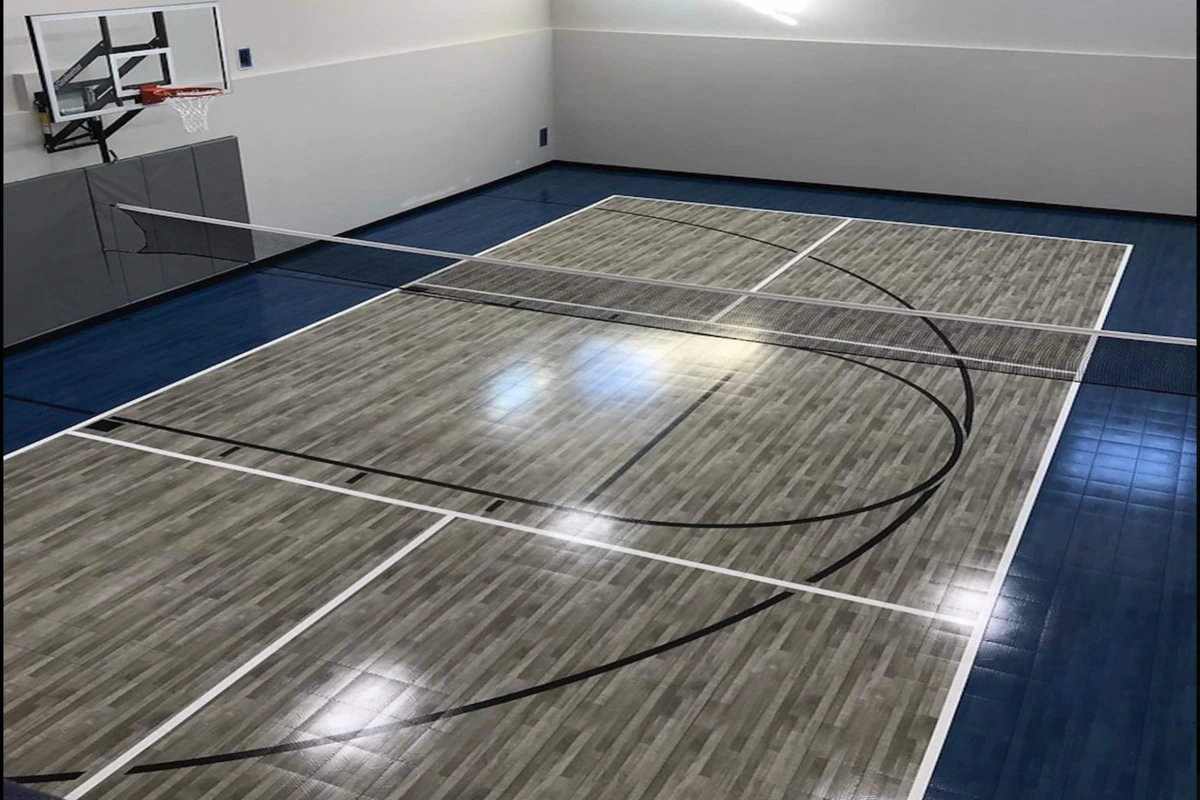
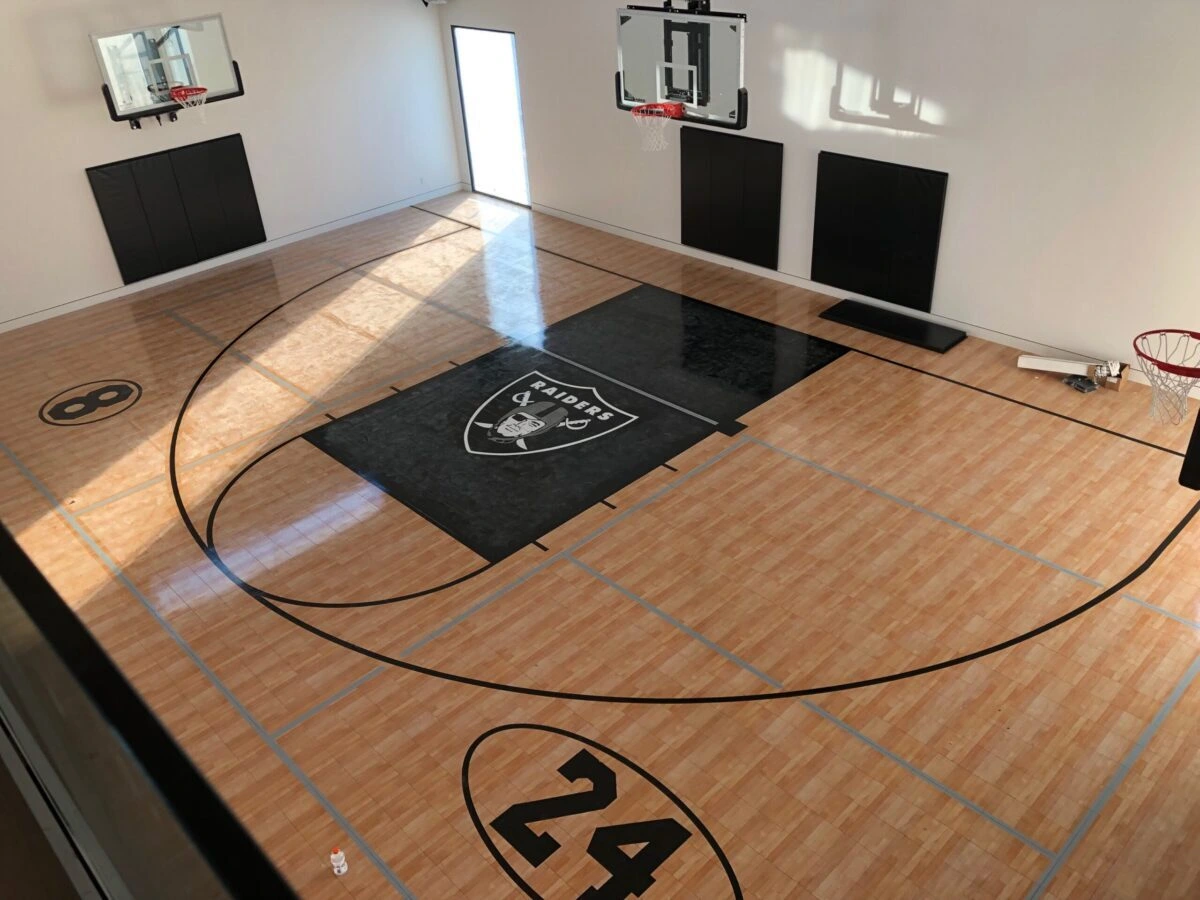
Indoor basketball courts provide year-round play, protection from weather, and a professional athletic environment for training, competition, and recreation. Whether you’re building a residential basketball gym, a school facility, or a commercial sports complex, proper indoor basketball court construction is essential for safety, performance, and long-term durability.

Unlike outdoor courts, indoor facilities require specialized flooring systems, climate-controlled environments, lighting solutions, and structural planning that directly impact player performance and court longevity.

A properly designed indoor court is more than a playing surface—it is a full athletic facility that supports performance, safety, and long-term usability.

What Is Indoor Basketball Court Construction?

More Than Just Installing a Floor

Indoor basketball court construction involves building an entire athletic environment that includes:

  • Facility planning
  • Structural design
  • Athletic flooring installation
  • Lighting systems
  • Court striping
  • Basketball equipment installation

A properly executed basketball gym construction project ensures the court delivers consistent performance while minimizing maintenance needs over time.

Every detail—from ceiling height to flooring selection—plays a role in how the facility performs.

Why Indoor Courts Are Popular

Many property owners choose indoor courts because they provide:

  • Year-round play regardless of weather
  • Protection from rain, wind, and UV exposure
  • Consistent playing conditions
  • Enhanced training opportunities
  • Increased property value

Indoor facilities also offer controlled environments, making them ideal for athletes who want predictable performance conditions throughout the year.

Who Benefits from Indoor Basketball Court Construction?

Homeowners

A residential indoor basketball court is ideal for:

  • Serious athletes
  • Family recreation
  • Private training sessions
  • Luxury property upgrades

Homeowners often convert garages, barns, or custom-built structures into fully functional basketball gyms.

Schools and Universities

Educational institutions rely on indoor sports facility construction for:

  • Physical education programs
  • Team practices
  • Competitive games
  • Community events and assemblies

Durability and safety are top priorities in these high-traffic environments.

Commercial Sports Facilities

Sports complexes often include indoor courts to support:

  • League play
  • Tournaments
  • Training academies
  • Athletic development programs

These facilities often require multiple courts, seating areas, and professional-grade equipment.

What Is the Best Flooring for Indoor Basketball Courts?

Hardwood Athletic Flooring

Hardwood remains the gold standard for competitive basketball and is widely used in professional and collegiate environments.

Benefits include:

  • Excellent ball response and bounce consistency
  • Professional appearance
  • Proven athletic performance standards
  • Long-term durability when properly maintained

Hardwood systems are often chosen for high-level indoor basketball court flooring installations.

Synthetic Sports Flooring

Synthetic systems are widely used in modern indoor basketball court installation projects.

Advantages include:

  • Lower maintenance requirements
  • High durability under frequent use
  • Consistent traction for players
  • Multi-purpose functionality for various sports

These systems are common in schools, community centers, and recreational facilities.

Cushioned Athletic Flooring

Cushioned systems are designed for comfort and safety.

They help reduce:

  • Player fatigue
  • Joint stress
  • Impact-related injuries

These systems are popular in training facilities and family-oriented sports environments.

Comparison Table – Indoor Basketball Court Flooring Options

Flooring Type

Durability

Comfort

Maintenance

Best Use Case

Hardwood

High

Medium

Medium

Professional & competitive courts

Synthetic Flooring

High

Medium

Low

Schools & multi-use facilities

Cushioned Systems

Medium-High

High

Low

Training & residential courts

How Is an Indoor Basketball Court Constructed?

Step 1 – Facility Planning

Planning includes:

  • Building dimensions
  • Ceiling height requirements
  • Seating layout considerations
  • Court orientation for lighting efficiency

Proper planning ensures the indoor basketball court builder creates a functional and safe athletic environment.

Step 2 – Foundation Preparation

The foundation must provide:

  • Structural stability
  • Moisture protection
  • Long-term load support

Even indoor courts require careful subfloor preparation to prevent future flooring issues.


Step 3 – Flooring Installation

The selected flooring system is installed to create:

  • Proper traction for athletes
  • Consistent ball bounce
  • Comfort during play

This is one of the most important steps in indoor basketball court construction because it directly affects performance.

Step 4 – Court Striping

Professional striping includes:

  • Regulation basketball markings
  • Boundary lines
  • Free-throw and key areas

Accurate striping ensures compliance with official standards and improves gameplay clarity.

Step 5 – Equipment Installation

Final installation may include:

  • Basketball goals and backboards
  • Wall padding for safety
  • Divider curtains for multi-use spaces
  • Scoreboards and training equipment

What Building Requirements Should Be Considered?

Ceiling Height

Adequate ceiling height allows:

  • Proper shooting arcs
  • Competitive-level gameplay
  • Safe movement for players

Low ceilings can significantly limit usability.

Lighting Systems

Quality lighting improves:

  • Visibility during play
  • Player safety
  • Overall performance experience

LED sports lighting is commonly used in modern basketball gym construction projects.

Climate Control

Indoor courts benefit from controlled environments that provide:

  • Temperature regulation
  • Humidity control
  • Flooring protection from expansion and contraction

These systems help extend the life of the court and maintain consistent playing conditions.

Common Mistakes in Indoor Basketball Court Construction

Choosing Flooring Based Only on Cost

Low-cost flooring may result in:

  • Reduced performance
  • Shorter lifespan
  • Lower comfort levels

Ignoring Moisture Control

Moisture issues can lead to:

  • Flooring damage
  • Warping or separation
  • Expensive repairs

Poor Lighting Design

Inadequate lighting affects:

  • Visibility
  • Safety
  • Game quality
  •  

Insufficient Facility Planning

Failing to plan for future use can limit expansion options or multi-game functionality.

Benefits of Professional Indoor Basketball Court Construction

Consistent Playing Conditions

Indoor facilities eliminate:

  • Weather interruptions
  • Surface inconsistencies
  • Seasonal limitations

Enhanced Athletic Performance

Professionally built courts provide:

  • Reliable traction
  • Predictable ball response
  • Improved training conditions

Long-Term Facility Value

A well-built court becomes a long-term asset for:

Multi-Purpose Functionality

Many indoor courts can support:

  • Basketball
  • Volleyball
  • Training programs
  • Community events

This increases overall facility value and usability.

Why Choose Legendary Sports Construction?

Specialized Athletic Court Expertise

Legendary Sports Construction specializes in indoor basketball court construction focused on performance, safety, and long-term durability.

Customized Court Solutions

Every project is tailored to:

  • Facility goals
  • Available space
  • Budget considerations

Complete Turnkey Construction

From planning and flooring installation to striping and equipment setup, every phase of indoor basketball court installation is professionally managed for high-quality results.

Frequently Asked Questions (FAQs)

What is the best material for an indoor basketball court?

Hardwood is the most common for professional courts, while synthetic flooring is widely used for multi-purpose facilities.

What kind of wood is an indoor basketball court made of?

Most hardwood courts use maple due to its durability and consistent playing performance.

What surface is commonly used for indoor basketball courts?

Hardwood and synthetic sports flooring are the most commonly used surfaces.

What is a good quality indoor basketball?

A good indoor basketball typically has a composite leather cover designed for grip and consistent bounce.

What is the ideal build for basketball?

An ideal indoor basketball facility includes proper ceiling height, professional flooring, lighting systems, and climate control.

Professional indoor basketball court construction creates a controlled, high-performance environment that supports year-round training, recreation, and competition. From flooring selection to structural planning, every detail impacts safety and long-term usability.

Working with an experienced indoor basketball court builder ensures your facility meets performance standards while maximizing durability and value.

A well-designed indoor court is more than a sports feature—it is a complete athletic investment that enhances lifestyle, training capability, and property value for years to come.

Indoor Basketball Court Builders Arizona: How to Build a Professional Basketball Facility That Lasts

8. Indoor Basketball Court Builders Arizona

Indoor Basketball Court Builders Arizona: How to Build a Professional Basketball Facility That Lasts

Indoor Basketball Court Builders Arizona

Indoor basketball courts are becoming increasingly popular throughout Arizona as homeowners, schools, churches, and sports facilities seek year-round training and recreation opportunities. Unlike outdoor courts that are exposed to heat, UV rays, dust, and weather, indoor basketball facilities provide controlled playing conditions that enhance performance and comfort.

Choosing experienced indoor basketball court builders ensures your investment delivers long-term durability, professional playability, and a facility designed to meet your specific goals. Whether you’re planning a residential basketball gym or a large commercial sports complex, proper construction is critical to the success of the project.

In Arizona’s extreme climate, indoor facilities are not just a luxury—they are often the most practical solution for consistent athletic performance and long-term court preservation.

Why Are Indoor Basketball Courts Popular in Arizona?

Escape the Arizona Heat

Arizona summers often bring extreme temperatures that can limit outdoor play.

An indoor court allows players to enjoy:

  • Year-round basketball
  • Climate-controlled conditions
  • Comfortable training environments
  • Consistent court performance

This is a major reason demand for indoor basketball court construction in Arizona continues to grow across residential and commercial sectors.

Increased Training Opportunities

Athletes can practice regardless of:

  • Weather conditions
  • Time of year
  • Outdoor temperatures

This consistency is especially important for competitive players, school teams, and training academies that rely on repetition and structured practice schedules.

Property Enhancement

An indoor basketball court can become a premium feature for:

  • Luxury homes
  • Schools
  • Churches
  • Athletic facilities

Many property owners view basketball gym builders as essential partners in creating high-value recreational spaces.

What Do Indoor Basketball Court Builders in Arizona Do?

Facility Planning and Design

Professional builders help determine:

  • Building dimensions
  • Court layout
  • Flooring systems
  • Lighting placement
  • Equipment requirements

A well-planned facility ensures that the court functions efficiently within the available structure while meeting performance expectations.

Athletic Flooring Installation

The flooring system is one of the most important components of any indoor basketball court.

Builders install surfaces designed for:

  • Player safety
  • Consistent ball response
  • Long-term durability
  • Professional-level performance

Choosing the right system is a key part of indoor basketball court contractor Arizona expertise.

Complete Project Management

Many builders oversee:

  • Site preparation
  • Structural coordination
  • Flooring installation
  • Striping
  • Equipment setup

This turnkey approach ensures consistency and reduces delays or construction issues.

What Flooring Options Are Available for Indoor Basketball Courts?

Hardwood Basketball Flooring

Hardwood remains the preferred choice for competitive basketball because it provides:

  • Exceptional ball bounce
  • Professional appearance
  • Proven athletic performance

It is commonly used in schools, colleges, and high-end custom basketball court builders projects.

Synthetic Sports Flooring

Synthetic systems offer:

  • Excellent durability
  • Lower maintenance
  • Multi-sport functionality
  • Consistent traction

These are ideal for facilities that need flexibility for multiple activities beyond basketball.

Cushioned Athletic Flooring

These systems provide:

  • Added shock absorption
  • Improved player comfort
  • Reduced joint stress

They are often selected for training centers and residential indoor courts where comfort is a priority.

Comparison Table – Indoor Basketball Court Flooring Systems

Flooring Type

Durability

Comfort

Maintenance

Best Use Case

Hardwood

High

Medium

Medium

Competitive & school courts

Synthetic

High

Medium

Low

Multi-use facilities

Cushioned

Medium-High

High

Low

Residential & training courts


How Is an Indoor Basketball Court Constructed?

Step 1 – Project Evaluation

Builders assess:

  • Available space
  • Intended use
  • Budget goals
  • Facility requirements

This ensures the design aligns with the goals of the indoor sports facility construction Arizona project.


Step 2 – Building and Court Design

The planning phase establishes:

  • Court dimensions
  • Ceiling heights
  • Lighting systems
  • Equipment locations

Proper design is critical for performance and long-term usability.

Step 3 – Floor Preparation

The subfloor system must provide:

  • Stability
  • Moisture protection
  • Long-term support

Even indoor courts require careful preparation to prevent future flooring issues.

Step 4 – Flooring Installation

The selected athletic flooring is installed to create:

  • Reliable traction
  • Consistent ball response
  • Comfortable play experience

This step directly impacts gameplay quality.

Step 5 – Striping and Equipment Installation

The final stage includes:

  • Basketball markings
  • Goals
  • Padding
  • Additional accessories

This completes the functional athletic environment.

What Should You Look for in Indoor Basketball Court Builders?

Specialized Court Experience

Look for builders experienced in:

  • Basketball court construction
  • Athletic flooring systems
  • Sports facility development

Custom Design Capabilities

Every facility should be tailored to:

  • User needs
  • Available space
  • Performance expectations

Quality Materials

Professional builders use materials engineered for long-term athletic performance and durability under frequent use.

Common Mistakes When Building an Indoor Basketball Court

Choosing Flooring Based Only on Cost

The lowest-priced option may not provide:

  • Proper performance
  • Long-term durability
  • Athlete comfort

Ignoring Ceiling Height Requirements

Insufficient height can negatively affect:

  • Shooting arcs
  • Gameplay flow
  • Facility usability

Poor Lighting Design

Lighting directly impacts:

  • Visibility
  • Safety
  • Performance

Inadequate Climate Control

Temperature and humidity management are essential for protecting flooring systems and maintaining consistent conditions.

Benefits of Professional Indoor Basketball Court Construction

Year-Round Access

Players can enjoy basketball regardless of weather conditions, making indoor courts highly valuable in Arizona.

Enhanced Athletic Development

Consistent court conditions support:

  • Skill development
  • Team training
  • Competitive preparation

Increased Property Value

Indoor sports facilities can significantly enhance residential and commercial property appeal.

Long-Term Durability

Professional construction helps maximize facility lifespan while reducing maintenance requirements.

Why Choose Legendary Sports Construction?

Arizona Court Construction Expertise

Legendary Sports Construction understands the unique needs of athletic facility projects throughout Arizona, including heat management and structural planning.

Customized Court Solutions

Every court is designed around:

  • Client goals
  • Available space
  • Performance requirements

Turnkey Project Management

From planning and flooring installation to final striping and equipment setup, every phase is professionally managed to ensure high-quality results.

Frequently Asked Questions (FAQs)

What is the best material for an indoor basketball court?

Hardwood is the most common for professional courts, while synthetic flooring is often used for multi-purpose facilities.

What are indoor basketball courts made of?

They are typically made of hardwood, synthetic sports flooring, or cushioned athletic systems installed over a prepared subfloor.

What is the size of the indoor basketball court?

A full court is typically 94 feet by 50 feet, though residential courts can be customized.

What is the alternative to concrete basketball courts?

Alternatives include hardwood flooring systems and synthetic modular sports flooring.

What is the best flooring for a basketball court?

Hardwood is the standard for professional play, while synthetic systems are ideal for multi-use facilities.

Working with experienced custom basketball court builders Arizona ensures your indoor facility is designed for performance, safety, and long-term durability. From flooring selection to structural planning, every detail matters in creating a high-quality athletic environment.

A professionally built indoor court is more than a sports space—it is a long-term investment in health, training capability, and property value.

Volleyball Court Resurfacing: When, Why, and How to Restore Your Court for Better Performance

Volleyball Court Resurfacing

Volleyball Court Resurfacing: When, Why, and How to Restore Your Court for Better Performance

Volleyball Court Resurfacing

A volleyball court experiences constant exposure to foot traffic, athletic activity, weather conditions, and UV rays. Over time, these factors can cause surface wear, cracks, fading, and reduced playability. That’s where volleyball court resurfacing becomes essential.

Resurfacing restores the appearance, safety, and performance of an existing court without the cost of complete reconstruction. Whether you manage a school court, community facility, or recreational complex, athletic court resurfacing can significantly extend the life of your investment.

For many facility owners, resurfacing is not just maintenance—it is a cost-effective strategy to preserve play quality and prevent long-term structural damage.

What Is Volleyball Court Resurfacing?

Restoring an Existing Court Surface

Volleyball court resurfacing involves repairing and renewing the playing surface while preserving the existing court foundation when possible.

The process often includes:

  • Surface cleaning
  • Volleyball court crack repair
  • Leveling corrections
  • Acrylic coating application
  • New court striping

A professional volleyball court resurfacing contractor ensures each layer is applied correctly to restore both performance and durability.

Why Resurfacing Is Important

A deteriorating court can negatively affect:

  • Player safety
  • Court appearance
  • Athletic performance
  • Long-term maintenance costs

Regular volleyball court restoration helps maintain consistent play conditions and reduces the risk of more expensive structural repairs in the future.

How Do You Know Your Volleyball Court Needs Resurfacing?

Visible Surface Cracks

Cracks are one of the most common warning signs. If ignored, they can expand and lead to deeper structural damage requiring major repair.

Faded Court Colors

UV exposure gradually causes:

  • Color fading
  • Uneven surface appearance
  • Reduced visual appeal

This is especially common in outdoor volleyball court resurfacing projects exposed to constant sunlight.

Worn Playing Surface

Heavy use may result in:

  • Loss of traction
  • Surface roughness
  • Reduced comfort during play

These issues directly impact game quality and player safety.

Water Pooling Issues

Standing water often indicates:

  • Surface irregularities
  • Drainage problems
  • Advanced court deterioration

Proper resurfacing can correct leveling and improve water flow.

What Problems Can Volleyball Court Resurfacing Fix?

Surface Cracking

Professional volleyball court repair can address:

  • Minor cracks
  • Surface separations
  • Early-stage structural movement

Early intervention prevents costly reconstruction later.

Surface Wear

Resurfacing restores:

  • Texture
  • Traction
  • Consistent playability

This is critical for maintaining a safe and competitive surface.

Appearance Issues

A new surface dramatically improves:

  • Court colors
  • Line visibility
  • Overall aesthetics

A refreshed court enhances both user experience and facility reputation.

Comparison Table – Court Conditions Before vs. After Resurfacing

Condition

Before Resurfacing

After Resurfacing

Surface Texture

Worn, uneven

Smooth, consistent

Traction

Reduced

Restored grip

Appearance

Faded, dull

Bright, professional

Safety

Higher risk

Improved safety

Performance

Inconsistent bounce/movement

Reliable playability

How Is a Volleyball Court Resurfaced?

Step 1 – Court Inspection

Contractors evaluate:

  • Surface condition
  • Existing cracks
  • Drainage performance
  • Structural integrity

This helps determine the scope of volleyball court resurfacing required.

Step 2 – Surface Preparation

Preparation may include:

  • Pressure washing
  • Debris removal
  • Deep surface cleaning

Proper preparation ensures coatings bond correctly.

Step 3 – Crack Repair

Repair methods stabilize:

  • Surface cracks
  • Minor defects
  • Weak or damaged areas

This step is essential in volleyball court crack repair to prevent future spreading.

Step 4 – Acrylic Coating Application

New coating layers provide:

  • Color restoration
  • Surface protection
  • Improved traction

This is a core part of modern athletic court resurfacing systems.

Step 5 – Court Striping

Fresh lines are applied for:

  • Regulation volleyball play
  • Improved visibility
  • Professional appearance

Accurate striping ensures proper gameplay standards.

What Surface Systems Are Used During Resurfacing?

Acrylic Court Systems

Acrylic coatings are widely used because they offer:

  • UV resistance
  • Excellent traction
  • Long-lasting durability

They are the most common choice for volleyball court resurfacing contractor projects.

Cushioned Surface Systems

These systems provide:

  • Additional comfort
  • Reduced impact stress
  • Enhanced player experience

Ideal for high-use recreational courts.

Multi-Purpose Athletic Surfaces

Some resurfacing projects upgrade courts to support multiple sports, improving facility versatility and long-term value.

How Often Should a Volleyball Court Be Resurfaced?

Usage Levels Matter

Courts with heavy traffic require resurfacing more frequently than lightly used courts. Regular inspection helps determine timing.

Climate Conditions Play a Role

Outdoor courts exposed to:

  • Sunlight
  • Rain
  • Temperature fluctuations

will typically require more frequent volleyball court restoration.

Preventive Maintenance Extends Life

Routine cleaning and minor repairs can delay full resurfacing and reduce long-term costs.

Common Mistakes When Delaying Court Resurfacing

Ignoring Small Cracks

Small cracks often expand into major structural problems over time.

Waiting Until Performance Declines

Reduced traction or uneven play surfaces increase safety risks.

Failing to Address Drainage Issues

Water problems can accelerate deterioration and shorten the lifespan of the court.

Using Inexperienced Contractors

Athletic courts require specialized materials and techniques that general contractors may not understand.

Benefits of Volleyball Court Resurfacing

Improved Player Safety

Resurfacing helps create:

  • Better traction
  • More consistent footing
  • Reduced injury risks

Enhanced Court Appearance

A restored surface looks newer, cleaner, and more professional.

Better Athletic Performance

Players benefit from:

  • Consistent movement
  • Predictable ball response
  • Improved gameplay experience

Extended Court Lifespan

Proper volleyball court resurfacing protects the base structure and delays costly reconstruction.

Why Choose Legendary Sports Construction?

Court Restoration Expertise

Legendary Sports Construction specializes in volleyball court restoration, improving safety, appearance, and performance.

Quality Surface Systems

Only proven surfacing materials are used to ensure long-term durability and reliable performance.

Customized Resurfacing Solutions

Every project is tailored to:

  • Court condition
  • Usage level
  • Performance goals

This ensures the right solution for every facility.

Frequently Asked Questions (FAQs)

What is the best surface for a volleyball court?

Acrylic surfaces are widely used for outdoor courts due to their durability and traction.

What type of flooring is best for indoor volleyball?

Wood or synthetic sports flooring is commonly used indoors for performance and shock absorption.

What surface is best for outdoor courts?

Acrylic systems are the most popular choice for outdoor athletic courts.

What type of surface is best for a volleyball court?

Acrylic or cushioned acrylic systems are preferred for consistent playability and durability.

What kind of flooring is best for a court?

It depends on use, but acrylic, hardwood, and synthetic sports flooring are the most common options.

Volleyball court resurfacing is one of the most effective ways to restore performance, safety, and appearance without the cost of full reconstruction. Whether dealing with cracks, fading, or surface wear, timely volleyball court repair ensures long-term usability and reduced maintenance costs.

Working with an experienced volleyball court resurfacing contractor guarantees proper materials, correct installation methods, and lasting results. A professionally restored court not only improves gameplay but also extends the life and value of the entire facility.

Volleyball Court Repair: How to Restore Safety, Performance, and Court Longevity

Volleyball Court Repair

Volleyball Court Repair: How to Restore Safety, Performance, and Court Longevity

Volleyball Court Repair

Volleyball courts are designed to handle years of athletic activity, but constant use, changing weather conditions, and aging surfaces eventually lead to wear and damage. Cracks, surface deterioration, fading colors, and drainage problems can all impact player safety and court performance. That’s why professional volleyball court repair is an important investment for schools, parks, recreation centers, and private facilities.

Timely repairs help prevent minor issues from becoming major reconstruction projects while restoring the court’s appearance, functionality, and overall playability. A well-maintained court also improves athlete performance and reduces long-term maintenance costs.

In many cases, working with an experienced game court repair contractor is the most effective way to ensure the surface is properly evaluated and restored.

Why Volleyball Court Repair Is Important

Protecting Player Safety

Damaged court surfaces can create:

  • Trip hazards
  • Uneven footing
  • Reduced traction
  • Increased injury risks

Professional volleyball court crack repair helps eliminate these hazards and restores a safe playing environment for athletes of all skill levels.

Preserving Court Performance

A well-maintained court offers:

  • Consistent movement
  • Reliable traction
  • Better player confidence
  • Improved gameplay experience

Without proper athletic court repair, surface irregularities can negatively affect ball response and movement quality.

Extending Court Lifespan

Early repairs and maintenance significantly reduce the likelihood of costly reconstruction. Addressing issues early helps protect the underlying structure and extends the life of the entire system.

What Causes Volleyball Court Damage?

Weather Exposure

Outdoor courts are constantly exposed to:

  • UV rays
  • Rain
  • Temperature fluctuations
  • Moisture intrusion

These conditions gradually weaken coatings and contribute to surface breakdown, making outdoor volleyball court repair a necessary maintenance step.

Heavy Usage

High-traffic facilities often experience:

  • Surface wear
  • Texture loss
  • Coating degradation

Foundation Movement

Ground movement may result in:

  • Surface cracks
  • Structural stress
  • Uneven playing areas

Poor Drainage

Water accumulation can accelerate deterioration and damage underlying court systems, increasing the need for volleyball court restoration.

Common Volleyball Court Problems That Require Repair

Surface Cracks

Cracks are one of the most common issues and can worsen over time if not addressed promptly with proper volleyball court crack repair methods.

Faded Surface Coatings

UV exposure often causes:

  • Color loss
  • Reduced visual appeal
  • Poor line visibility

Surface Peeling

Older coatings may begin to:

  • Chip
  • Flake
  • Separate from the base

Low Spots and Water Pooling

Drainage issues often signal underlying structural or surface problems that require immediate attention.

Comparison Table – Common Volleyball Court Problems and Repair Benefits

Problem

Impact

Repair Benefit

Cracks

Safety hazards, surface damage

Restores structural integrity

Fading

Poor visibility, weak aesthetics

Improves appearance and visibility

Peeling

Surface breakdown

Restores traction and durability

Water pooling

Drainage issues

Improves leveling and drainage

How Is a Volleyball Court Repaired?

Step 1 – Professional Court Inspection

Contractors evaluate:

  • Surface damage
  • Crack severity
  • Drainage performance
  • Structural conditions

This determines the full scope of volleyball court repair needed.

Step 2 – Surface Preparation

Preparation often includes:

  • Cleaning
  • Debris removal
  • Pressure washing
  • Surface evaluation

Proper preparation ensures repair materials bond correctly.

Step 3 – Crack and Damage Repair

Repair methods may address:

  • Surface cracks
  • Small voids
  • Localized defects

High-quality volleyball court crack repair prevents damage from spreading further.

Step 4 – Surface Restoration

The court may receive:

  • Acrylic coating systems
  • Texture restoration
  • Color rejuvenation

This stage is a key part of full volleyball court restoration services.

Step 5 – Line Striping

New striping improves:

  • Court visibility
  • Professional appearance
  • Game accuracy

When Does a Volleyball Court Need Resurfacing Instead of Repairs?

Extensive Surface Wear

When damage covers large areas, volleyball court resurfacing may be more cost-effective than repeated repairs.

Aging Court Systems

Older courts often benefit from complete surface renewal to restore performance and durability.

Appearance Restoration

Resurfacing significantly improves:

  • Court aesthetics
  • Surface consistency
  • Overall playability

Long-Term Cost Efficiency

In some cases, resurfacing reduces repeated repair costs and provides a longer-lasting solution.

Signs You Should Schedule Volleyball Court Repair Immediately

Growing Surface Cracks

Small cracks can quickly expand into major structural problems.

Standing Water

Persistent pooling often indicates drainage issues or surface failure.

Slippery Playing Conditions

Loss of traction increases injury risk and reduces performance quality.

Noticeable Surface Deterioration

Peeling coatings and rough textures should be addressed before worsening.

Benefits of Professional Volleyball Court Repair

Improved Safety

Professional repairs eliminate hazards and create a safer playing environment.

Better Court Performance

Players benefit from:

  • Reliable traction
  • Consistent movement
  • Enhanced gameplay experience

Lower Long-Term Costs

Preventative repairs reduce the need for expensive reconstruction projects.

Enhanced Facility Appearance

A restored court improves the visual appeal of any sports facility.

Why Choose Legendary Sports Construction?

Specialized Game Court Expertise

Legendary Sports Construction understands the unique requirements of volleyball court repair and long-term athletic surface performance.

High-Quality Repair Systems

Professional-grade materials ensure durability, safety, and consistent results.

Customized Solutions

Every repair plan is tailored to:

  • Court condition
  • Usage level
  • Long-term facility goals

This ensures the right solution for each project.

Frequently Asked Questions (FAQs)

Can a volleyball be repaired?

Yes, but courts typically require surface repair or restoration rather than replacing individual components like balls.

What type of surface is best for a volleyball court?

Acrylic surfaces are commonly used for outdoor courts due to their durability and traction.

How to maintain a volleyball court?

Regular cleaning, crack inspection, and timely resurfacing help maintain performance and safety.

What is the actual size of a volleyball court?

A standard court is 18 meters by 9 meters (59 feet by 29.5 feet).

What material is a volleyball court?

Most outdoor courts use acrylic over concrete or asphalt bases.

Professional volleyball court repair is essential for maintaining safe, high-performing athletic surfaces. Whether dealing with cracks, fading, drainage issues, or surface wear, timely repairs prevent long-term damage and extend the court’s lifespan.

Working with an experienced game court repair contractor ensures the right repair methods are used for lasting results. With proper maintenance and restoration, any court can continue delivering safe and enjoyable play for years to come.

Backyard Pickleball Court: The Ultimate Guide to Building Your Own Court at Home

Backyard Pickleball Court

Backyard Pickleball Court: The Ultimate Guide to Building Your Own Court at Home

Backyard Pickleball Court

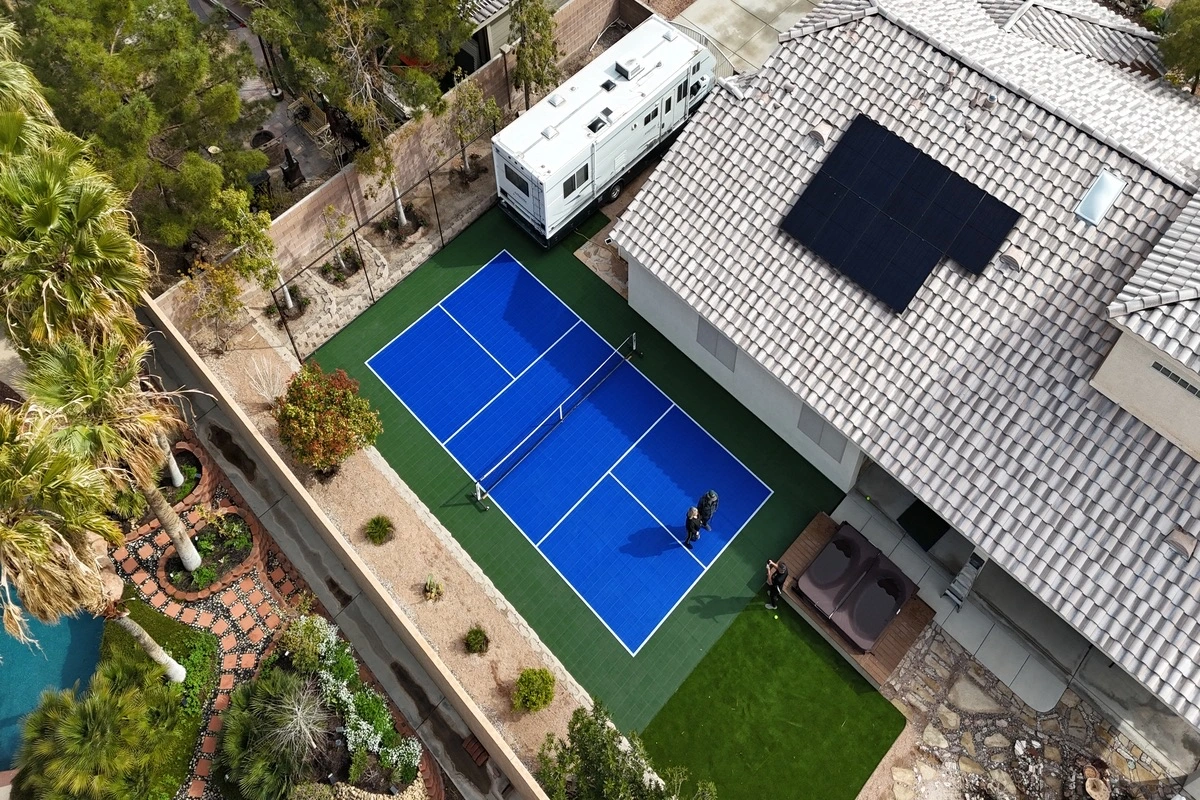
A backyard pickleball court is one of the fastest-growing recreational additions homeowners are making today. As pickleball attracts players of all ages—from children to seniors—many families are choosing to install private courts that provide year-round entertainment, exercise, and convenience.

Whether you’re building a dedicated backyard pickleball court or a multi-use game court, proper planning and professional construction ensure years of safe, enjoyable play and long-term property value. A backyard court encourages family activity, social engagement, and healthy lifestyle habits, while transforming unused outdoor space into a functional, attractive athletic area.

What Is a Backyard Pickleball Court?

A Dedicated Space for America’s Fast-Growing Sport

A backyard pickleball court is a custom-built athletic surface installed on residential property, designed specifically for pickleball play. These courts are engineered to provide consistent ball bounce, proper traction, and regulation dimensions while withstanding outdoor weather conditions.

Typical features include:

  • Regulation court markings for singles and doubles play
  • Professional surfacing systems that optimize traction and durability
  • Net systems that can be adjusted for official or casual play
  • Lighting options for evening games
  • Fencing and safety features to keep balls contained and protect players

A well-built court provides a safe, consistent, and professional playing experience, enhancing both the property and recreational lifestyle.

Why Homeowners Are Installing Pickleball Courts

Backyard courts offer:

  • Convenient access to play anytime
  • Family-friendly recreation for all ages
  • Increased physical activity promotes health and fitness
  • Social gathering opportunities for friends and neighbors
  • Enhanced property appeal as a unique home feature

Installing a residential pickleball court transforms your backyard into a versatile space that encourages daily activity, family fun, and community engagement.

How Much Space Do You Need for a Backyard Pickleball Court?

Official Court Dimensions

A standard pickleball court measures:

  • 20 feet wide
  • 44 feet long

These dimensions are for both singles and doubles play. Maintaining proper measurements ensures accurate gameplay and compliance with official standards.

Recommended Total Playing Area

Additional space around the court improves:

  • Player movement and safety
  • Shot recovery and comfort
  • Overall playability

Most experts recommend 5–10 feet of clearance on all sides, depending on your yard size and landscaping.

Property Layout Considerations

Before construction, contractors evaluate:

  • Yard size to ensure enough space for court installation
  • Existing landscaping to avoid tree roots, garden beds, or structures
  • Slope and grading for proper drainage and water flow
  • Accessibility for construction equipment and long-term maintenance

Proper site evaluation helps prevent drainage issues and ensures a level, durable playing surface.

What Surface Is Best for a Backyard Pickleball Court?

Acrylic Court Systems

Acrylic surfaces are popular for backyard pickleball court construction because they provide:

  • Consistent ball bounce
  • Excellent traction for player safety
  • UV resistance for long-term outdoor durability
  • Easy maintenance and color customization

Cushioned Court Systems

Cushioned systems add comfort and reduce stress:

  • Shock absorption for joints
  • Reduced fatigue for longer sessions
  • Improved player experience and safety

Cushioned surfaces are ideal for family courts or multi-game backyard setups.

Multi-Game Court Surfaces

Multi-use surfaces allow:

  • Pickleball
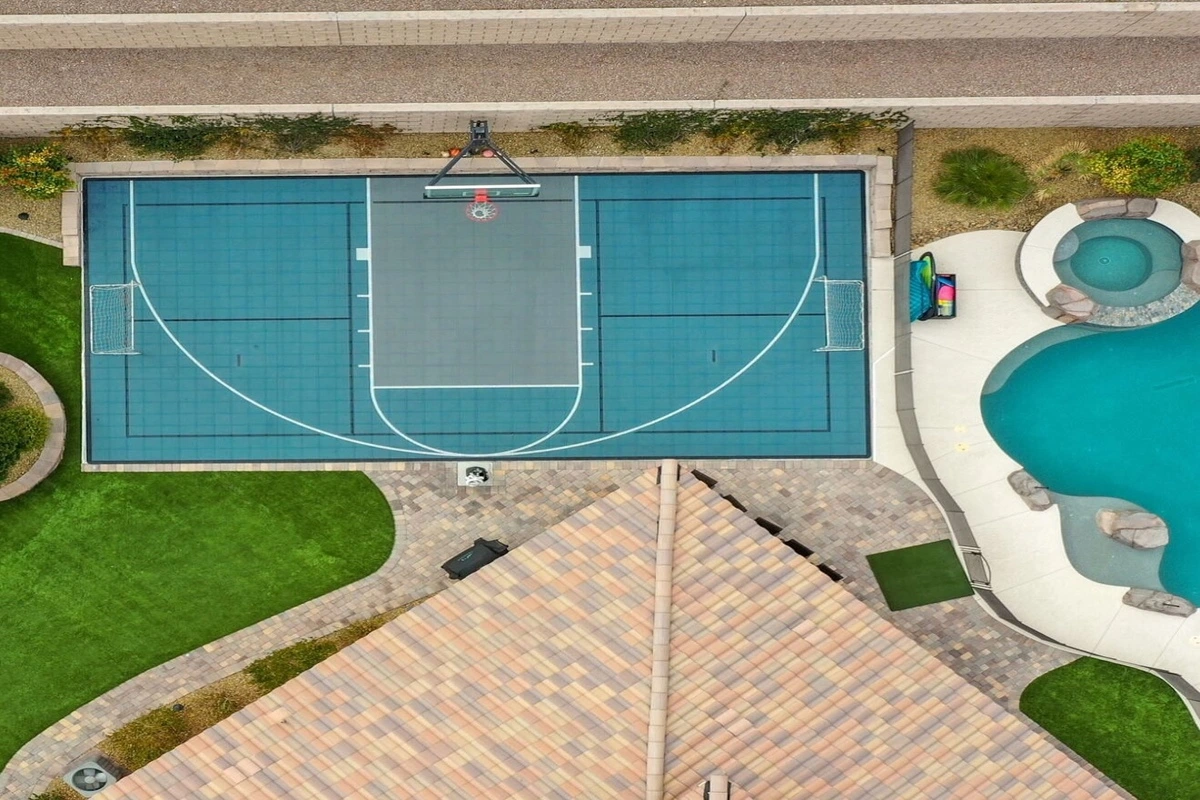
  • Basketball
  • Volleyball
  • Other recreational activities

This increases the functionality and value of your backyard while supporting multiple sports on the same surface.

Comparison Table – Backyard Pickleball Court Options

Surface Type

Durability

Comfort

Maintenance

Best Use

Acrylic

High

Medium

Low

Dedicated pickleball courts

Cushioned

High

High

Medium

Family & high-use courts

Multi-Game

Medium-High

Medium

Low

Multi-activity recreation

How Is a Backyard Pickleball Court Built?

Step 1 – Site Evaluation

A professional evaluation considers:

  • Available space
  • Drainage requirements
  • Property layout
  • Surface conditions

Proper evaluation ensures a long-lasting, high-performance court and avoids future issues such as water pooling or uneven surfaces.

Step 2 – Design and Planning

The design phase determines:

  • Court size and orientation
  • Surface selection and materials
  • Court colors and aesthetics
  • Optional amenities like lighting and fencing

Custom pickleball court design ensures your court fits your property, personal style, and recreational goals.

Step 3 – Base Construction

A stable foundation is essential for:

  • Surface performance
  • Structural integrity
  • Long-term durability

Concrete or asphalt bases provide stability and prevent cracks or movement over time.

Step 4 – Surface Installation

Athletic surfacing systems are applied to provide:

  • Reliable traction
  • Consistent playability
  • Weather resistance

Professional installation guarantees a smooth, durable court ready for years of use.

Step 5 – Court Striping and Equipment

The final stage includes:

  • Regulation line striping for singles and doubles
  • Net installation and height adjustment
  • Optional lighting systems
  • Fencing for safety and ball containment

Popular Backyard Pickleball Court Features

Court Lighting

Lighting allows:

  • Evening and night play
  • Extended court usage
  • Better visibility and safety

LED lights are energy-efficient and customizable to match court aesthetics.

Decorative Court Colors

Custom color combinations provide:

  • Unique and attractive court designs
  • Improved aesthetics
  • Enhanced property appeal

Color schemes can reflect your personal style or complement landscaping.

Fencing Systems

Fencing provides:

  • Ball containment
  • Player safety
  • Reduced interruptions during play

It also adds privacy and separates the court from the rest of the yard.

Seating and Shade Areas

Many homeowners include:

  • Benches for spectators
  • Shade structures for comfort
  • Viewing areas for family and friends

These features make the court more functional and enjoyable for social gatherings.

Common Mistakes When Building a Backyard Pickleball Court

  • Choosing the wrong location: Poor placement affects drainage, sun exposure, and accessibility.
  • Ignoring surface quality: Low-quality surfaces reduce traction, safety, and durability.
  • Underestimating space requirements: Extra buffer space is needed beyond court boundaries for player safety.
  • Hiring inexperienced contractors: Only specialized backyard pickleball court builders can guarantee proper materials, installation, and long-term performance.

Benefits of Installing a Backyard Pickleball Court

Convenience

Play anytime without traveling to public facilities, making the court a hub for exercise and recreation.

Health and Fitness

Pickleball promotes:

  • Cardiovascular health
  • Agility and quick reflexes
  • Balance and coordination

Entertainment Value

A private court becomes a social hub, providing family fun, friendly competition, and neighborhood engagement.

Increased Property Appeal

A professionally designed home pickleball court enhances property aesthetics and value, making it a standout feature for potential buyers.

Why Choose Legendary Sports Construction?

Custom Court Design Expertise

Courts are tailored to:

  • Property dimensions
  • Recreational goals
  • Lifestyle preferences

Premium Construction Methods

Every project is built with a focus on:

  • Durability
  • Safety
  • Long-term performance

Complete Turnkey Solutions

From site preparation to final striping, every construction phase is professionally managed for optimal results.

Frequently Asked Questions (FAQs)

What size is a pickleball court in the backyard?

A standard court is 20 feet wide by 44 feet long, with recommended additional clearance of 5–10 feet on all sides for safe player movement.

What is the best surface for a pickleball court?

Acrylic surfaces provide excellent traction, UV resistance, and durability. Cushioned or multi-game surfaces are great for comfort and versatility.

What is the best way to build a pickleball court?

Start with proper site evaluation, grading, and base construction, then install a professional surfacing system, striping, and netting. Hiring an experienced backyard pickleball court builder ensures quality and safety.

What is the best pickleball court design?

A professional design considers yard layout, player safety, surface material, optional lighting, and multi-game capabilities for maximum functionality.

What is the best material for an outdoor pickleball court?

Acrylic or cushioned athletic surfaces over a concrete or asphalt base are the most durable and provide consistent playability year-round.

Pickleball Court Resurfacing: How to Restore Performance, Safety, and Appearance

Pickleball Court Resurfacing

Pickleball Court Resurfacing: How to Restore Performance, Safety, and Appearance

Pickleball Court Resurfacing

Even the highest-quality pickleball courts experience wear over time. Constant foot traffic, UV exposure, changing weather conditions, and normal aging gradually impact the surface. Over time, this leads to cracks, fading, loss of traction, uneven bounce, and reduced playability.

Fortunately, complete reconstruction is not always necessary. Professional pickleball court resurfacing is a cost-effective solution that restores performance, improves safety, and extends the lifespan of the court for many years.

Whether you manage a residential court, HOA community facility, school campus, or sports complex, pickleball court repair and restoration ensure your playing surface remains safe, visually appealing, and high-performing. Instead of replacing the entire court, resurfacing focuses on renewing the top layers while preserving the structural base.

This makes resurfacing one of the most efficient long-term maintenance strategies for any outdoor pickleball court resurfacing project.

What Is Pickleball Court Resurfacing?

Restoring an Existing Playing Surface

Pickleball court resurfacing is the process of repairing, leveling, and refinishing an existing court surface without removing or rebuilding the foundation. The goal is to restore performance while extending the life of the court.

A professional resurfacing project typically includes:

  • Deep surface cleaning to remove dirt, debris, and loose coatings
  • Full pickleball court crack repair using flexible patching compounds
  • Leveling low spots to eliminate water pooling issues
  • Application of new acrylic resurfacing systems
  • Fresh court striping for accurate gameplay markings

A qualified pickleball court resurfacing contractor ensures each layer is applied correctly, creating a smooth, durable, and safe playing surface.

Why Resurfacing Matters

Ignoring surface deterioration can create serious issues that affect both players and facility owners.

A deteriorated court can negatively impact:

  • Player safety due to cracks, uneven surfaces, and slippery areas
  • Ball response, resulting in inconsistent bounce and gameplay
  • Court appearance, reducing facility value and professionalism
  • Maintenance costs, as minor issues become expensive structural repairs

Regular pickleball court restoration ensures that small issues are corrected early, preserving both performance and investment value.

What Causes Pickleball Courts to Deteriorate?

Understanding why courts wear out helps prevent future damage and improve maintenance planning.

UV Exposure

Outdoor courts are constantly exposed to sunlight, which leads to:

  • Surface fading and discoloration
  • Drying and brittleness of coatings
  • Breakdown of acrylic layers over time

UV damage is one of the leading reasons courts require resurfacing every few years.

Weather Conditions

Environmental changes also play a major role in deterioration:

  • Rainwater causes moisture penetration
  • Heat expansion and cooling contraction create stress
  • Freeze-thaw cycles (in colder regions) weaken surface layers

Over time, these conditions reduce durability and play quality.

Heavy Usage

High-traffic courts experience natural wear from constant use:

  • Surface abrasion from shoes and movement
  • Loss of textured grip
  • Formation of worn playing zones

Facilities with daily or tournament-level usage often require more frequent pickleball court repair.

Foundation Movement

Soil shifting and natural settling can cause:

  • Hairline and structural cracks
  • Uneven playing surfaces
  • Stress fractures in the coating system

Even small movements in the base can lead to visible surface damage.

Signs Your Pickleball Court Needs Resurfacing

Surface Cracks

Cracks are one of the earliest and most common warning signs. If left untreated, they expand and compromise the entire surface system.

Faded Colors

UV exposure and aging cause dull or uneven colors, making the court look worn and unprofessional. Resurfacing restores a vibrant, uniform appearance.

Poor Traction

When players begin slipping or feel inconsistent footing, it is a sign the surface texture has worn down.

Water Pooling

Standing water indicates low spots or drainage failure, which can accelerate surface deterioration and require immediate attention.

Worn Court Lines

Faded or unclear markings affect gameplay accuracy and reduce visual clarity, especially during competitive play.

Comparison Table – Benefits of Pickleball Court Resurfacing

Condition

Problem Impact

Resurfacing Benefit

Cracks

Safety risks & structural damage

Restores smooth surface

Fading

Poor aesthetics

Restores color & visibility

Poor traction

Slipping hazards

Improves grip & safety

Water pooling

Drainage issues

Levels surface properly


How Does Pickleball Court Resurfacing Work?

Step 1 – Court Evaluation

A professional inspection evaluates:

  • Surface cracks and wear patterns
  • Drainage performance
  • Existing coating condition
  • Structural stability

This helps determine the level of pickleball court resurfacing required.

Step 2 – Surface Preparation

Preparation ensures proper bonding of new materials:

  • Pressure washing to remove buildup
  • Debris and dirt removal
  • Surface grinding or cleaning for adhesion
  • Identification of weak or damaged areas

Step 3 – Crack Repair

Specialized materials are used to repair:

  • Structural cracks
  • Surface fractures
  • Small voids and imperfections

Proper pickleball court crack repair prevents further spreading and damage.

Step 4 – Acrylic Coating Installation

Acrylic resurfacing systems are applied in multiple layers:

  • Base coat for adhesion
  • Cushion or texture layers (if applicable)
  • Colored topcoats for aesthetics and protection

This stage restores both performance and appearance.

Step 5 – Court Striping

Final striping includes:

  • Regulation pickleball court lines
  • High-visibility paint application
  • Precision layout for accurate gameplay

What Surface Systems Are Used for Pickleball Court Resurfacing?

Standard Acrylic Systems

Most common for pickleball court coating projects:

  • High durability
  • UV resistance
  • Consistent ball response
  • Cost-effective maintenance

Cushioned Acrylic Systems

Designed for comfort and performance:

  • Shock absorption
  • Reduced joint strain
  • Improved player comfort
  • Ideal for frequent play environments

Multi-Game Surface Systems

Some courts are upgraded to support:

  • Pickleball
  • Basketball
  • Volleyball
  • Recreational activities

These systems maximize property usability and long-term value.

When Should a Pickleball Court Be Resurfaced?

Resurfacing is recommended when:

  • Visible wear and cracks appear
  • Safety concerns develop
  • Ball response becomes inconsistent
  • Appearance no longer meets facility standards

Most courts require resurfacing every 4–8 years, depending on usage and climate.

Common Mistakes When Delaying Court Resurfacing

  • Ignoring small cracks until they expand
  • Waiting for major surface failure
  • Overlooking drainage problems
  • Hiring inexperienced contractors for athletic surfaces

Delaying maintenance increases long-term repair costs significantly.

Benefits of Professional Pickleball Court Resurfacing

Improved Player Safety

  • Better traction
  • Reduced slip risk
  • Smoother playing surface

Enhanced Court Appearance

Restores a clean, professional, and visually appealing court.

Better Playability

  • Consistent ball bounce
  • Reliable footing
  • Improved game performance

Extended Court Lifespan

Protects the base structure and delays expensive reconstruction projects.

Why Choose Legendary Sports Construction?

Specialized Court Restoration Expertise

Experienced in full pickleball court restoration for residential and commercial facilities.

Premium Surface Systems

Uses professional-grade materials designed for durability and long-term performance.

Customized Solutions

Every project is tailored based on:

  • Court condition
  • Usage level
  • Budget and performance goals

Frequently Asked Questions (FAQs)

How often do pickleball courts need resurfacing?

Most courts require resurfacing every 4–8 years, depending on usage, climate, and maintenance level.

What is the best surface for a pickleball court?

Acrylic surfaces are most common due to durability, traction, and UV resistance.

What coating is on a pickleball court?

Most courts use multi-layer acrylic coatings designed for weather resistance and consistent playability.

What’s the best surface for a pickleball court?

Acrylic or cushioned acrylic systems are best for outdoor courts, while indoor courts may use wood or synthetic flooring.

Is a pickleball court a good business?

Yes. Courts and resurfacing services are in high demand due to the sport’s rapid growth, making installation and maintenance services highly profitable.

Pickleball court resurfacing is one of the most effective ways to restore safety, performance, and appearance without full reconstruction. Through proper pickleball court repair, crack filling, and resurfacing systems, courts can be brought back to near-new condition at a fraction of replacement cost.

Working with a professional pickleball court resurfacing contractor ensures proper materials, correct installation, and long-lasting results. Whether for residential, HOA, or commercial courts, resurfacing is essential for maintaining high-quality play and protecting long-term investment value.

Pickleball Court Construction: The Complete Guide to Building a Professional-Quality Court

Pickleball Court Construction

Pickleball Court Construction: The Complete Guide to Building a Professional-Quality Court

Pickleball Court Construction

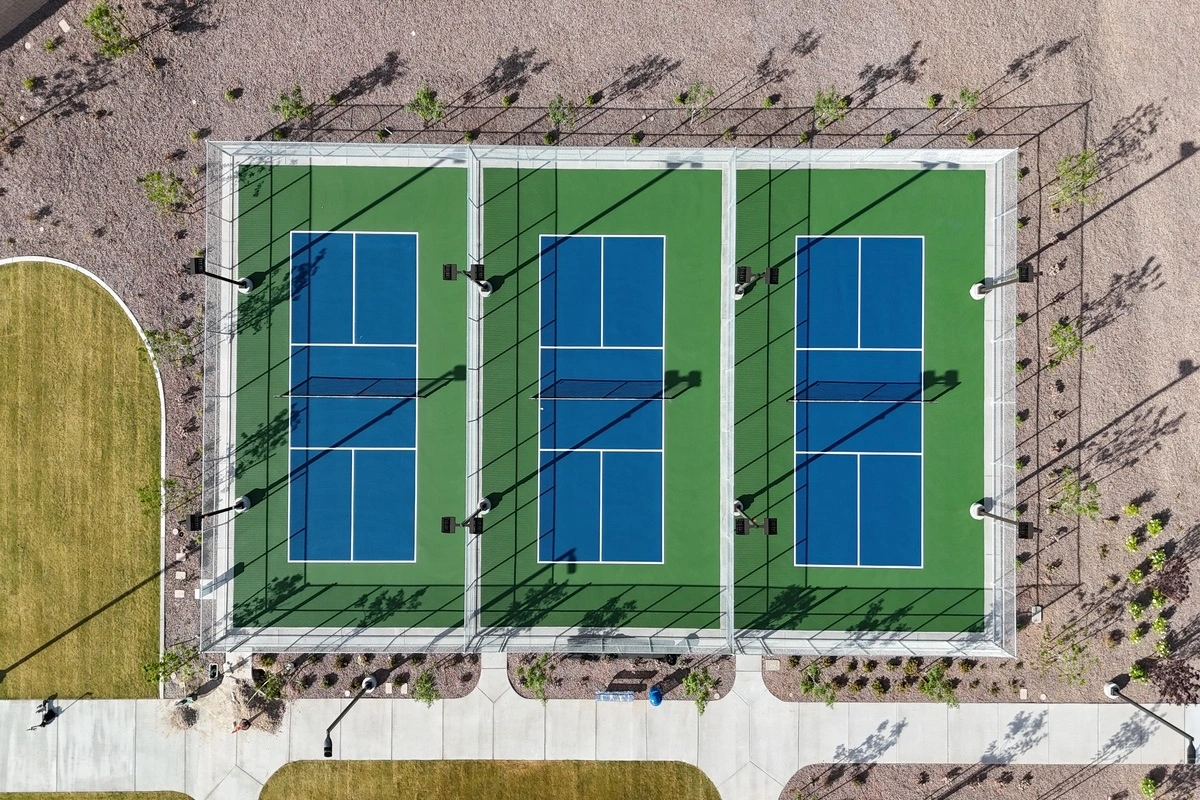
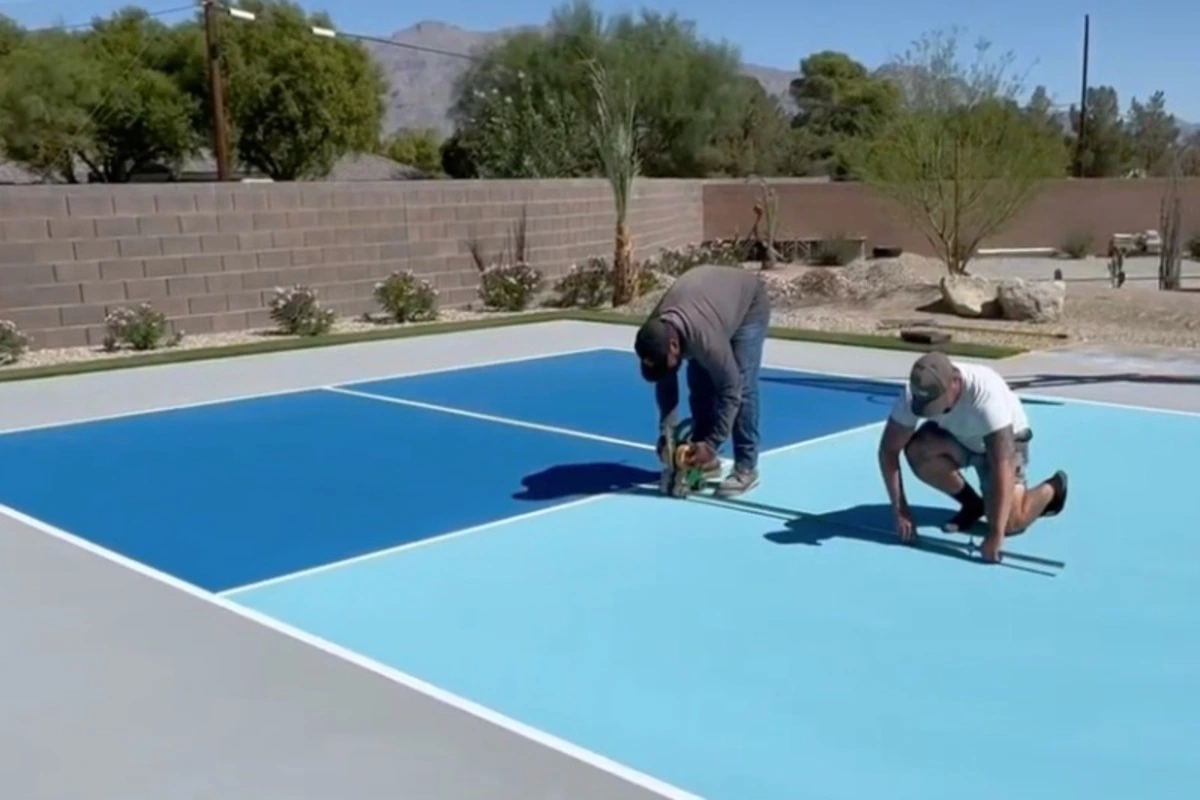
Pickleball has become one of the fastest-growing sports in North America, attracting players of all ages. This surge in popularity has prompted homeowners, HOAs, schools, resorts, and sports facilities to invest in professional pickleball court construction.

Building a high-quality court ensures a safe, durable, and high-performance playing environment that provides years of enjoyment, athletic development, and community engagement. While some may focus on court colors or net systems, the real success of a pickleball court depends on meticulous planning, proper site preparation, drainage, and the installation of a high-performance surface.

A well-constructed court not only improves gameplay but also minimizes maintenance needs, reduces repair costs, and extends the life of the investment. Whether you are installing a residential pickleball court in your backyard or a multi-court facility for tournaments, professional construction is essential.

What Is Pickleball Court Construction?

Building a Complete Athletic Surface

Pickleball court construction involves designing and installing a complete playing system. This system is engineered to support safe, reliable, and professional-quality gameplay. A properly built court typically includes:

  • Site preparation to ensure proper leveling and drainage
  • Base construction using compacted concrete or asphalt for stability
  • Surface installation with acrylic or cushioned coatings for optimal play
  • Court striping for singles and doubles regulation lines
  • Net system installation with adjustable height options
  • Optional fencing for ball containment and lighting systems for night play

Every component of the court contributes to its overall durability, safety, and playability, ensuring a professional-grade experience.

Why Proper Construction Matters

A professionally constructed court provides:

  • Consistent ball bounce for fair and predictable gameplay
  • Reliable traction to reduce slip risks
  • Long-term durability against wear and environmental factors
  • Proper drainage to prevent water damage and surface pooling
  • Reduced repair needs, minimizing maintenance costs over time

Proper construction ensures that the court performs well for years, even under heavy usage.

Who Can Benefit from Pickleball Court Construction?

Homeowners

Residential courts provide:

  • Convenient recreation and fitness opportunities
  • Family entertainment and social engagement
  • Property enhancement with a high-value addition

A backyard pickleball court installation creates a private recreational space that encourages daily activity.

Homeowner Associations (HOAs)

HOAs install courts to:

  • Offer community amenities and recreational spaces
  • Increase resident engagement
  • Promote social interaction within neighborhoods

Schools and Parks

Educational and public facilities benefit from courts that support:

  • Physical education programs
  • Community recreation and youth development
  • Competitive sports training

Resorts and Sports Complexes

Hospitality and sports facilities add courts to:

  • Attract guests and members
  • Enhance amenities for leisure and fitness
  • Host tournaments or events for visitors

What Surface Is Best for Pickleball Court Construction?

Acrylic Court Systems

Acrylic surfaces are the industry standard due to their:

  • Excellent traction, providing a safe playing environment
  • Consistent ball response for predictable gameplay
  • UV resistance, ensuring color and performance durability
  • Attractive appearance, customizable to facility branding or aesthetic goals

Acrylic surfaces are suitable for residential, HOA, and commercial installations.

Cushioned Acrylic Systems

Cushioned surfaces improve player comfort:

  • Shock absorption reduces impact on joints
  • Reduced fatigue during long sessions
  • Enhanced recreational play suitable for multi-game courts

Cushioned systems are ideal for family courts, schools, and high-traffic recreational facilities.

Multi-Game Court Surfaces

Some facilities choose surfaces designed to accommodate:

  • Pickleball
  • Basketball
  • Volleyball
  • Other recreational activities

Multi-game courts maximize space and add versatility, allowing families and communities to enjoy multiple sports on a single surface.

Comparison Table – Pickleball Court Construction Surface Options

Surface Type

Durability

Comfort

Maintenance

Best Use

Acrylic

High

Medium

Low

Residential & HOA courts

Cushioned Acrylic

High

High

Medium

Family & multi-use courts

Multi-Sport

Medium-High

Medium

Low

Multi-activity recreation

How Is a Pickleball Court Constructed?

Step 1 – Site Evaluation

A professional evaluation includes:

  • Measuring available space
  • Testing soil conditions
  • Reviewing property layout
  • Evaluating drainage requirements

Proper site evaluation ensures that the court foundation is stable and long-lasting.

Step 2 – Court Design

The design phase determines:

  • Court dimensions for regulation or custom play
  • Surface selection based on usage and budget
  • Color schemes to enhance aesthetics and visibility
  • Additional features such as fencing, seating, or lighting

Custom pickleball court construction ensures the court fits the property and meets the owner’s goals.

Step 3 – Base Construction

The foundation provides stability:

  • Excavation and grading to create a level base
  • Compaction to prevent future settling
  • Installation of concrete or asphalt for durability

A strong base reduces cracking, uneven surfaces, and long-term maintenance.

Step 4 – Surface Installation

Professional surfacing systems are applied to create:

  • Consistent traction for safe play
  • Smooth, uniform ball bounce
  • Weather resistance to outdoor conditions

High-quality surface materials extend the life of the court and improve player experience.

Step 5 – Striping and Equipment Installation

Final touches include:

  • Regulation line striping for singles and doubles play
  • Net system installation with adjustable heights
  • Optional fencing for safety and ball containment
  • Court lighting for evening or night play

What Are the Official Pickleball Court Dimensions?

Regulation Court Size

A standard court measures:

  • 20 feet wide
  • 44 feet long

These dimensions apply to both singles and doubles play.

Recommended Playing Area

Additional space around the court improves:

  • Player movement for lunging, diving, and agility
  • Safety to prevent collisions with obstacles
  • Competitive play by providing room for proper gameplay

Multi-Court Facilities

Larger projects often include multiple courts designed for:

  • Tournaments and leagues
  • Community recreation programs
  • Commercial or resort facilities

Common Mistakes During Pickleball Court Construction

  • Poor drainage planning: Leads to water pooling, surface deterioration, and premature repairs.
  • Skipping proper site preparation: Weak foundations may cause cracking, settling, and uneven surfaces.
  • Choosing the wrong surface system: Materials should align with usage, budget, and performance goals.
  • Hiring inexperienced contractors: Game court construction requires specialized expertise beyond standard concrete work.

Why Is Professional Pickleball Court Construction Worth the Investment?

Better Playing Experience

Players enjoy:

  • Consistent ball bounce
  • Reliable traction
  • Improved game quality

Long-Term Durability

Professional installation ensures the court withstands years of regular use and environmental exposure.

Reduced Maintenance Costs

Proper construction minimizes the need for repairs and resurfacing, saving money over the court’s lifetime.

Increased Property Value

A well-designed residential or commercial pickleball court adds a unique, high-value feature to any property.


Why Choose Legendary Sports Construction?

Specialized Court Construction Experience

We specialize in designing and building courts that deliver exceptional performance, safety, and durability.

Custom Court Solutions

Every project is tailored to:

  • Property dimensions
  • Recreational goals
  • Usage requirements

Complete Turnkey Service

From planning and site preparation to surfacing, striping, and equipment installation, every phase is professionally managed to ensure a seamless construction process.

Frequently Asked Questions (FAQs)

What is the best way to build a pickleball court?

Start with a professional site evaluation, proper grading, and a stable base. Use high-quality acrylic or cushioned surfaces, accurate line striping, and professional net installation.

What is the best material for a pickleball court?

Acrylic surfaces are ideal for outdoor courts due to durability, UV resistance, and consistent ball bounce. Cushioned acrylic adds comfort for frequent play.

What is the coating on a pickleball court?

Most courts use multi-layer acrylic coatings, which include base repairs, primer, and colored topcoats to provide durability, traction, and a vibrant finish.

What is the best concrete finish for a pickleball court?

Smooth, finely broomed or troweled concrete with proper curing ensures a level foundation and optimal surface adhesion for coatings.


What is the size of a pickleball court?

A standard court measures 20 feet wide by 44 feet long, with recommended buffer space of 5–10 feet around for safe player movement.

Tennis Court Builder: How to Choose the Right Contractor for a High-Performance Court

Tennis Court Builder

Tennis Court Builder: How to Choose the Right Contractor for a High-Performance Court

Tennis Court Builder

Building a tennis court is a significant investment that requires specialized knowledge, proper engineering, and high-quality construction techniques. Whether you’re planning a private backyard court, a school facility, a country club, or a community sports complex, selecting the right tennis court builder is one of the most important decisions you’ll make.

A professionally built court delivers consistent ball bounce, excellent traction, long-term durability, and an attractive appearance that enhances property value and recreational opportunities. Beyond aesthetics, the structural integrity, proper drainage, and high-quality surfacing are what distinguish a professional installation from an amateur one.

Investing in expert tennis court construction ensures your facility is safe, meets regulatory standards, and provides years of reliable performance. Homeowners, schools, and commercial facilities alike benefit from a court that is both functional and visually appealing.

What Does a Tennis Court Builder Do?

Complete Court Design and Planning

A professional tennis court builder oversees every phase of the project to ensure a high-performing, durable, and compliant court. This includes:

  • Site evaluation to assess soil conditions, drainage, slope, and sunlight exposure
  • Court layout design considering orientation for optimal play
  • Surface selection to match intended usage, climate, and budget
  • Drainage planning to prevent water pooling and surface damage
  • Construction scheduling to coordinate preparation, installation, and finishing

Careful planning ensures a smooth construction process and a long-lasting playing surface.


Court Construction

The construction process typically involves:

  • Excavation to remove unwanted material and level the site
  • Grading to ensure proper drainage and slope
  • Base installation with compacted layers of stone, sand, or concrete
  • Surfacing with acrylic, cushioned, or hardcourt systems
  • Court striping for singles and doubles play
  • Equipment installation, including nets, posts, and optional fencing

Each step is crucial to creating a court that performs consistently under a variety of conditions.

Long-Term Court Solutions

Many professional builders also provide services such as:

  • Court resurfacing to maintain traction and appearance
  • Crack repair to prevent structural damage
  • Routine maintenance services for long-term durability
  • Court upgrades, such as lighting, fencing, or multi-sport capabilities

These services ensure the investment remains playable and visually appealing for decades.

Why Hiring a Specialized Tennis Court Builder Matters

Proper Court Performance

A professionally built court provides:

  • Consistent ball bounce
  • Reliable player traction
  • Accurate court dimensions
  • Playable conditions suitable for competitive or recreational use

Substandard construction can lead to uneven surfaces, poor traction, and inconsistent ball behavior.

Improved Durability

Correct construction methods prevent common issues such as:

  • Cracking due to weak foundations
  • Settlement problems from soil shifting
  • Water damage from poor drainage
  • Surface deterioration from environmental exposure

Better Return on Investment

A quality court requires fewer repairs and provides a longer service life, which is especially important for schools, clubs, and resorts managing multiple facilities.

What Types of Tennis Courts Can Be Built?

Residential Tennis Courts

These are perfect for:

  • Homeowners
  • Private estates
  • Family recreation and training

Residential courts can also include custom tennis court designs with personalized colors, fencing, and lighting.

School Tennis Courts

Schools often require courts designed for:

  • Physical education programs
  • Team practices
  • Competitive matches
  • Extracurricular sports activities

Durable surfacing and safety features are key considerations in school projects.

Club and Community Courts

Designed to support:

  • Recreational players of all skill levels
  • League and tournament play
  • High-frequency usage

Community courts often include seating, fencing, and lighting for multi-use play.

Commercial Sports Facilities

Large-scale facilities may include:

  • Multiple courts with tournament-grade surfacing
  • Spectator seating and amenities
  • Professional-grade lighting for evening matches

These courts require advanced planning and expert tennis court installation.

Comparison Table – Tennis Court Surface Options

Surface Type

Durability

Bounce Consistency

Maintenance

Best Use

Acrylic Hardcourt

High

High

Low

Residential, schools, clubs

Cushioned Hardcourt

High

Medium-High

Medium

Family courts, high-use facilities

Clay

Medium

Medium

High

Club and tournament play

Grass

Low-Medium

Medium

Very High

Private estates, traditional clubs

How Does Tennis Court Construction Work?

Step 1 – Site Evaluation

A professional builder assesses:

  • Available land and property layout
  • Drainage conditions and slope
  • Soil stability and compaction needs
  • Accessibility for equipment and construction teams

This evaluation determines the foundation requirements and surface selection.

Step 2 – Court Design

The design phase establishes:

  • Court orientation for optimal sun exposure and wind management
  • Surface selection based on usage and budget
  • Color schemes for aesthetics and visibility
  • Additional amenities, such as fencing, seating, or lighting

Custom court design ensures the facility meets functional and visual requirements.

Step 3 – Base Construction

A strong foundation is critical for long-term performance:

  • Excavation and grading to create a level surface
  • Compaction of soil and sub-base materials
  • Installation of concrete or asphalt layers for stability

Proper base construction prevents settlement, cracking, and uneven surfaces.

Step 4 – Surface Installation

Athletic surfacing systems are applied to create:

  • Proper traction for player safety
  • Consistent ball bounce for quality play
  • Long-lasting performance in varying weather conditions

High-quality surfacing materials are essential for residential and commercial courts alike.

Step 5 – Finishing and Equipment

The final stage includes:

  • Court striping for regulation singles and doubles lines
  • Installation of net systems and posts
  • Optional fencing for safety and ball containment
  • Lighting for evening or night play

What Should You Look for in a Tennis Court Builder?

Game Court Experience

Choose contractors who specialize in:

  • Tennis court construction
  • Athletic surfacing
  • Multi-use recreational facilities

Experience ensures the builder understands the nuances of court performance and installation.

Knowledge of Surface Systems

A professional should know:

  • Ball response and traction characteristics
  • Proper materials for climate and usage
  • Maintenance requirements to ensure longevity

Proven Construction Methods

Experienced builders follow processes that maximize durability, prevent settlement issues, and maintain regulation standards.

Custom Design Capabilities

Each property is unique. A high-quality tennis court builder tailors the design to:

  • Property size and shape
  • Intended use (residential, school, or club)
  • Long-term recreational goals

Common Mistakes When Hiring a Tennis Court Builder

  • Choosing based only on price: Low bids often omit quality materials and proper preparation.
  • Ignoring drainage design: Poor drainage can cause water pooling, surface damage, and costly repairs.
  • Selecting the wrong surface: Each surface type provides different speed, comfort, and maintenance requirements.
  • Hiring general contractors: Tennis courts require specialized expertise beyond typical concrete construction.

Benefits of Professional Tennis Court Construction

Enhanced Playing Experience

A professional installation ensures:

  • Consistent court conditions
  • Reliable traction
  • High-quality game performance

Increased Property Value

A well-constructed tennis court becomes a premium feature, boosting residential, commercial, or club property appeal.

Reduced Maintenance Costs

Proper construction minimizes long-term repair needs and reduces the likelihood of resurfacing before its time.

Long-Term Durability

Expert installation with high-quality materials helps the court withstand frequent use and harsh weather conditions.

Why Choose Legendary Sports Construction?

Specialized Court Construction Expertise

Legendary Sports Construction focuses on athletic court design, construction, resurfacing, and repair, ensuring performance and safety.

Custom Court Solutions

Every project is tailored to:

  • Property dimensions
  • Usage goals
  • Budget considerations

Turnkey Construction Services

From planning and excavation to surfacing, striping, and equipment installation, every phase is professionally managed.

Frequently Asked Questions (FAQs)

What are the 4 types of tennis courts?

The main types are:

  1. Hardcourt – Durable acrylic or asphalt surfaces; low maintenance.
  2. Clay – Slower surface; popular in clubs; requires frequent upkeep.
  3. Grass – Fast surface; traditional but high maintenance.
  4. Synthetic/Artificial – Multi-purpose surfaces that mimic clay or grass; low upkeep.

What is the best surfacing material for a tennis court?

Acrylic hardcourt surfaces are preferred for outdoor residential and commercial courts due to durability, consistent ball bounce, and low maintenance.

What is the best flooring for a tennis court?

For indoor courts, cushioned hardwood or synthetic flooring provides traction, shock absorption, and year-round usability.

Is a tennis court a good investment?

Yes. Tennis courts increase property value, attract residents or members for HOAs and clubs, and provide long-term recreational benefits.

What is the cheapest tennis court to build?

A basic asphalt or concrete base with an acrylic finish is the most cost-effective option, balancing durability and performance.

Hardwood Basketball Court: Why Maple Flooring Remains the Gold Standard for Indoor Basketball

Hardwood Basketball Court

Hardwood Basketball Court: Why Maple Flooring Remains the Gold Standard for Indoor Basketball

Hardwood Basketball Court

When people think of professional basketball, they picture athletes competing on a beautiful hardwood court. From high school gyms to collegiate arenas and professional facilities, the hardwood basketball court remains the most trusted and recognized indoor playing surface.

Hardwood flooring delivers excellent ball response, dependable traction, player comfort, and long-lasting durability. While various indoor game court flooring systems are available today, hardwood continues to set the benchmark for performance, appearance, and athlete safety. Whether constructing a new gymnasium or renovating an existing facility, hardwood basketball court installation remains one of the most popular choices for competitive basketball environments.

What Is a Hardwood Basketball Court?

A Premium Indoor Athletic Surface

A hardwood basketball court is an indoor sports flooring system constructed using specially selected wood materials installed over a performance-engineered subfloor.

The complete system typically includes:

  • Athletic subfloor
  • Hardwood flooring
  • Court striping
  • Protective finishes
  • Shock absorption systems

This layered construction provides the performance characteristics athletes expect while helping reduce stress on joints during play.

Why Hardwood Is Preferred

Hardwood courts are known for:

  • Consistent ball bounce
  • Excellent traction
  • Professional appearance
  • Long service life
  • Reliable playing conditions

Because of these advantages, hardwood remains the preferred option for indoor basketball court flooring in schools, colleges, sports complexes, and professional arenas.

What Wood Is Used for Basketball Courts?

Maple Flooring

Maple basketball court flooring is the most common material used in basketball court construction. Maple offers a dense grain structure and exceptional durability that makes it ideal for athletic applications.

Benefits of maple include:

  • High durability
  • Dense grain structure
  • Consistent performance
  • Attractive appearance
  • Excellent resistance to wear

Why Maple Dominates Indoor Courts

Maple has become the industry standard because it provides:

  • Reliable ball response
  • Minimal splintering
  • Superior wear resistance
  • Professional-level playability
  • Long-term value

These characteristics make maple the preferred choice for basketball court wood flooring across virtually every level of competition.

Specialty Hardwood Options

Although maple remains the leading choice, some facilities may explore alternative hardwood species for specific design preferences or architectural requirements. However, few materials match maple’s combination of durability and athletic performance.

How Is a Hardwood Basketball Court Constructed?

Step 1 – Facility Evaluation

The process begins with a thorough evaluation of the facility.

Contractors assess:

  • Building dimensions
  • Moisture conditions
  • Structural requirements
  • Intended usage
  • Environmental controls

Proper planning helps ensure long-term flooring performance.

Step 2 – Subfloor Installation

The subfloor system serves as the foundation of the court.

It provides:

  • Stability
  • Shock absorption
  • Moisture protection
  • Load distribution

A properly designed subfloor is essential for athlete comfort and safety.

Step 3 – Hardwood Installation

Individual hardwood boards are installed with precision to create a smooth and uniform playing surface.

During hardwood basketball court installation, contractors carefully align each board to ensure consistent performance throughout the court.

Step 4 – Sanding and Finishing

After installation, the surface undergoes:

  • Precision sanding
  • Surface smoothing
  • Protective finishing

These steps create the polished appearance associated with professional basketball courts.

Step 5 – Court Striping and Graphics

The final stage includes:

  • Basketball markings
  • Boundary lines
  • Team logos
  • Custom graphics
  • Protective topcoats

This transforms the flooring system into a fully functional athletic facility.

Comparison Table – Indoor Basketball Court Flooring Options

Flooring Type

Ball Response

Shock Absorption

Durability

Maintenance

Best Application

Maple Hardwood

Excellent

Excellent

Excellent

Moderate

Competitive basketball

Synthetic Sports Flooring

Good

Good

High

Low

Multi-purpose gyms

Rubber Sports Flooring

Fair

Excellent

High

Low

Training facilities

Vinyl Sports Flooring

Good

Good

Moderate

Low

Recreational facilities

Concrete with Coating

Fair

Poor

High

Low

Budget facilities

Why Hardwood Basketball Courts Are So Popular

Superior Ball Performance

Players benefit from:

  • Consistent bounce
  • Predictable gameplay
  • Improved shooting accuracy
  • Better overall court feel

Hardwood delivers the performance athletes expect during both practice and competition.

Enhanced Player Safety

Modern hardwood systems provide:

  • Shock absorption
  • Stable footing
  • Reduced fatigue
  • Lower injury risk

These features help support athlete performance throughout games and training sessions.

Professional Appearance

A hardwood basketball court creates a polished, professional appearance that enhances the overall atmosphere of a facility.

The natural beauty of wood flooring remains unmatched by many alternative surfaces.

Long-Term Value

With proper maintenance, hardwood courts can provide decades of service.

Many facilities consider hardwood one of the most cost-effective long-term investments for indoor athletic spaces.

What Are the Benefits of Hardwood Basketball Flooring?

Excellent Durability

Quality gymnasium basketball flooring withstands:

  • Daily athletic activity
  • High foot traffic
  • Competitive events
  • Community use

Easy Refinishing

Unlike many flooring materials, hardwood can often be refinished multiple times throughout its lifespan.

Refinishing restores:

  • Surface appearance
  • Playing characteristics
  • Protective coatings

This can significantly extend the life of the flooring system.

Multi-Purpose Functionality

Many facilities use hardwood floors for:

  • Basketball
  • Volleyball
  • Physical education classes
  • School events
  • Community gatherings

This versatility increases the value of the facility.

Premium Athletic Experience

Few flooring systems can match the performance and prestige of a professionally installed hardwood court.

For competitive basketball, hardwood remains the benchmark for excellence.

Common Mistakes During Hardwood Basketball Court Installation

Ignoring Moisture Control

Excess moisture can lead to:

  • Warping
  • Expansion
  • Buckling
  • Flooring damage

Proper moisture management is critical during construction.

Poor Subfloor Design

The subfloor significantly impacts:

  • Comfort
  • Safety
  • Ball response
  • Floor longevity

A poorly designed foundation can compromise the entire court system.

Improper Finishing

Low-quality finishes may reduce:

  • Durability
  • Surface protection
  • Traction consistency

Professional finishing helps maximize court performance.

Hiring Non-Specialized Contractors

Athletic flooring systems require specialized expertise beyond traditional hardwood flooring installation.

Experienced game court contractors understand the unique requirements of indoor basketball court flooring systems.

How to Maintain a Hardwood Basketball Court

Routine Cleaning

Regular cleaning removes:

  • Dirt
  • Dust
  • Debris

Keeping contaminants off the surface helps protect the finish and maintain consistent playing conditions.

Protecting the Surface

Facilities should avoid:

  • Excess moisture
  • Heavy impacts
  • Abrasive cleaning methods
  • Improper equipment use

These precautions help preserve the flooring system.

Scheduled Refinishing

Periodic refinishing helps restore:

  • Appearance
  • Performance
  • Surface protection

Refinishing schedules vary based on usage levels and facility demands.

Regular Inspections

Routine inspections help identify issues before they become expensive repairs.

Early detection can extend the life of the court and reduce maintenance costs.

Why Choose Legendary Sports Construction?

Specialized Indoor Court Expertise

Legendary Sports Construction understands the unique requirements of hardwood basketball court installation and athletic flooring systems.

Premium Construction Methods

Every court is built with attention to:

  • Performance
  • Durability
  • Athlete safety
  • Long-term value

The goal is to create courts that perform consistently for years.

Custom Court Design Solutions

Projects can include:

  • Team logos
  • Custom graphics
  • Unique color schemes
  • Multi-sport layouts

Each court is designed to meet the specific goals of the facility.

Frequently Asked Questions (FAQs)

What is the best wood for a basketball court?

Maple is widely considered the best wood for basketball courts because of its durability, dense grain structure, excellent ball response, and long-term performance.

Is a basketball court called hardwood?

Many indoor basketball courts are commonly referred to as hardwood courts because they are constructed using hardwood flooring, most often maple.

What type of flooring is best for basketball?

For competitive indoor basketball, hardwood flooring remains the preferred choice due to its superior playing characteristics, safety features, and professional appearance.

What is the best material for a basketball court?

The best material depends on the facility’s goals, but maple hardwood is generally regarded as the highest-performing material for indoor basketball courts.

How long do hardwood basketball courts last?

With proper maintenance and periodic refinishing, a hardwood basketball court can last several decades while continuing to provide excellent athletic performance.

GET A QUOTE

Please Provide Your Contact Information and Project Details