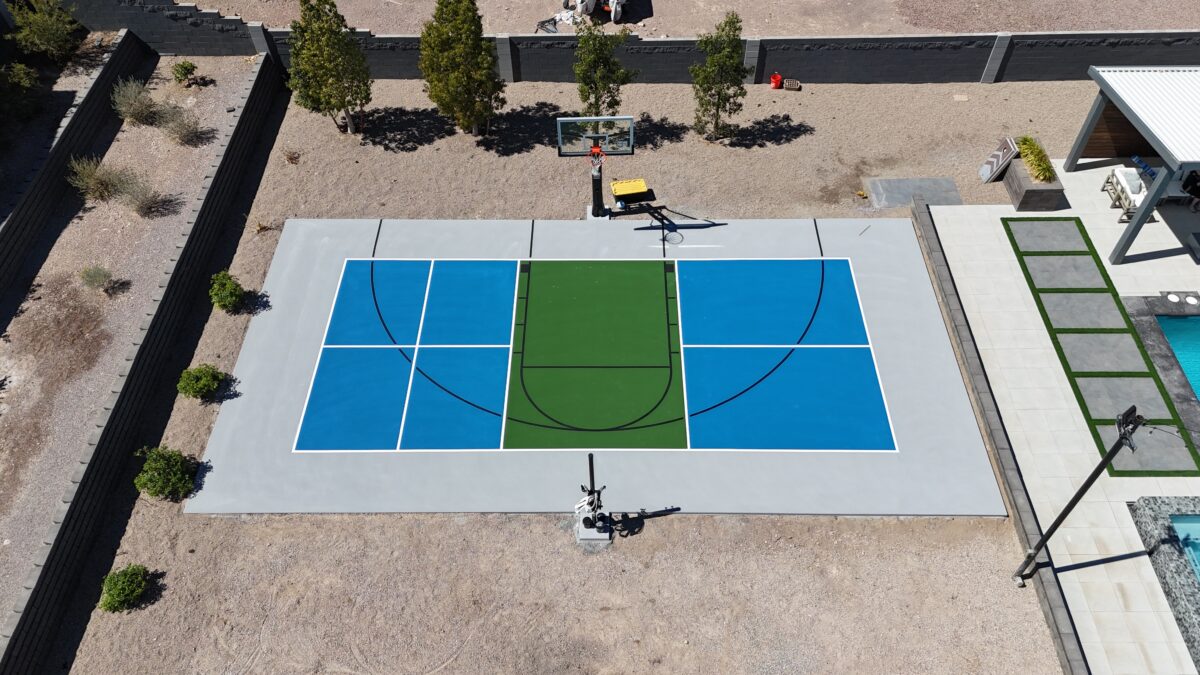
Tennis Court Repair and Resurfacing in Arcadia, AZ: Restore Performance and Extend Court Life

Tennis Court Repair and Resurfacing in Arcadia, AZ: Restore Performance and Extend Court Life

Tennis Court Repair and Resurfacing in Arcadia, AZ: Restore Performance and Extend Court Life

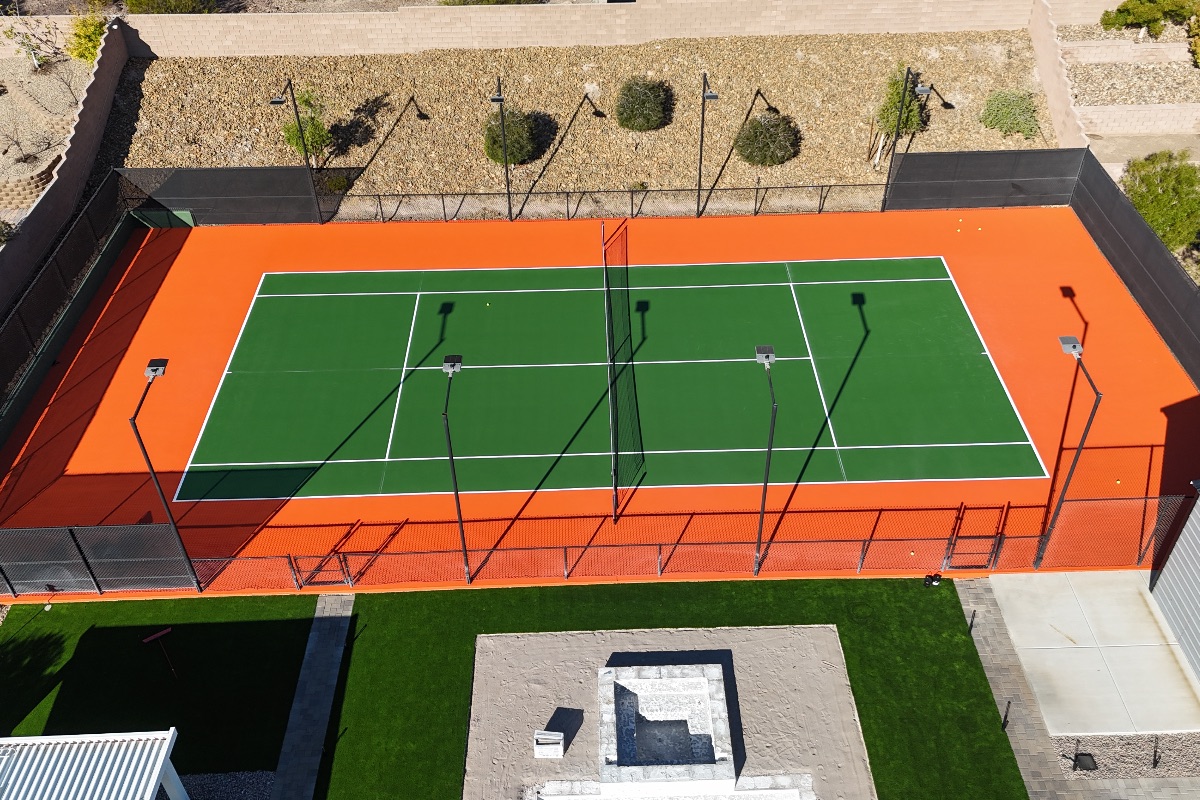
Outdoor courts in Arcadia take a beating. Between intense Arizona sun, temperature swings, dust, and regular play, even a well-built court can start to show its age. Cracks form, colors fade, water begins to pool, and the once-smooth surface starts affecting bounce, traction, and overall playability. That is where tennis court repair Arcadia AZ services become essential.

A worn court does not always need to be torn out and rebuilt from scratch. In many cases, targeted repairs and professional resurfacing can restore appearance, improve safety, and extend the life of the court for years. Whether you own a private backyard court, manage a community amenity, or maintain a multi-use recreational space, resurfacing is often the most practical path to restoring performance without the cost of full reconstruction.

Professional tennis court resurfacing Arcadia Arizona property owners choose is designed to correct visible wear while protecting the court from future deterioration. From crack filling and leveling to acrylic coatings and line striping, the process brings a court back to life in a way that looks better, plays better, and lasts longer.

Common Issues That Require Court Repair

Every court tells you when it needs attention. Sometimes the signs are subtle, like a slight loss of traction or faded lines. Other times, the damage is impossible to ignore. Recognizing these issues early can help you avoid more extensive structural problems later.

Surface Cracks and Damage

Cracking is one of the most common reasons homeowners and property managers call for cracked tennis court repair. In Arcadia, heat expansion, base movement, and age all contribute to surface separation. What begins as a thin hairline crack can gradually widen and create bigger structural concerns.

Problems caused by surface cracks include:

  • Uneven and unpredictable ball bounce
  • Trip hazards and player safety concerns
  • Water intrusion into the base below
  • Accelerated surface breakdown over time

Small cracks can often be repaired before resurfacing, but widespread crack patterns may indicate deeper base issues that require more detailed evaluation.

Faded or Worn Court Surface

Strong UV exposure is relentless in Arizona. Over time, that sunlight breaks down coatings, dulls color, and reduces the surface texture that players rely on for traction. A court may still be technically usable, but it will not perform or look the way it should.

Signs of a worn surface include:

  • Faded or washed-out court color
  • Hard-to-see playing lines
  • Reduced grip underfoot
  • Rough or patchy finish in high-use areas

This is one of the main reasons property owners invest in acrylic court resurfacing. Fresh coatings restore the court’s appearance while also renewing the texture and consistency that make the game more enjoyable.

Drainage and Leveling Issues

Even in a dry climate, drainage matters. When a court does not drain properly, water can collect in low spots after rain or washing. Those puddles do more than delay play. They slowly degrade the surface and may signal leveling issues that affect long-term durability.

Drainage-related problems include:

  • Water pooling after storms
  • Premature deterioration of coatings
  • Softening or weakening in damaged areas
  • Inconsistent play due to uneven low spots

A quality outdoor game court restoration project should identify and address drainage concerns before new coatings are applied.

Tennis Court Resurfacing Process

Resurfacing is not just about making the court look fresh. A properly executed project follows a step-by-step process that repairs existing issues, improves surface consistency, and protects the court moving forward.

Inspection and Surface Evaluation

The first step is always a professional assessment. Contractors inspect the surface, measure the extent of visible wear, and determine whether the court needs localized repair, full resurfacing, or more extensive base correction.

During this stage, they typically evaluate:

  • Crack severity and distribution
  • Surface texture and coating wear
  • Drainage performance
  • Low spots and leveling issues
  • Existing line condition and color fading

This evaluation helps determine the right scope of work. A court with minor surface wear may only need new coatings, while a court with structural cracking may need a more involved repair plan.

Crack Repair and Surface Preparation

Before any resurfacing products are applied, the court must be repaired and prepared properly. Skipping or rushing this phase is a recipe for short-term results and long-term frustration.

Typical preparation steps include:

  • Filling cracks with specialized repair compounds
  • Grinding or leveling uneven areas
  • Patching isolated surface damage
  • Cleaning off dust, debris, and contaminants
  • Preparing the court for coating adhesion

This is where backyard court repair becomes especially important. Residential courts often go longer between maintenance cycles, so surface prep can make a major difference in how long the new finish lasts.

Resurfacing Application

Once repairs are complete, contractors apply resurfacing systems designed for athletic courts. Acrylic court resurfacing is one of the most popular solutions because it offers durability, attractive color options, and a consistent playing finish.

Benefits of resurfacing application include:

  • Restores a smooth, even surface
  • Improves bounce consistency
  • Enhances weather resistance
  • Renews traction and player comfort
  • Improves visual appeal dramatically

Acrylic coatings also allow for custom color combinations that can modernize the look of the court while maintaining performance.

Line Striping and Finishing

After resurfacing, the final step is applying fresh court lines. Precise striping is essential not only for appearance but also for accurate gameplay. Clean, sharp lines instantly make the court feel newer and more professional.

This phase may include:

  • Standard tennis line striping
  • Pickleball overlay lines for multi-use play
  • Training marks for drills or practice zones
  • Final inspection for consistency and finish quality

For many properties in Arcadia, resurfacing also creates an opportunity to turn an aging tennis court into a more flexible multi-use court.

Comparison Table – Tennis Court Restoration Options

Restoration Option

Best For

Main Benefit

Consideration

Crack Repair Only

Minor isolated damage

Stops small issues from spreading

Does not fully refresh appearance

Acrylic Court Resurfacing

Faded, worn, aging courts

Restores playability and appearance

Requires proper prep for best results

Patch and Level Repair

Courts with low spots or uneven areas

Improves drainage and safer play

May need resurfacing afterward

Full Outdoor Game Court Restoration

Courts with multiple visible issues

Comprehensive performance renewal

Higher upfront investment

Multi-Use Court Conversion

Underused residential or community courts

Adds pickleball and recreation flexibility

Requires new striping layout

Benefits of Tennis Court Resurfacing in Arcadia, AZ

Resurfacing is one of those improvements that pays off in multiple ways at once. It improves how the court looks, how it plays, and how long it lasts.

Restores Playing Performance and Ball Consistency

A smooth, uniform surface allows for more reliable bounce and movement. Players notice the difference almost immediately. Instead of adjusting to dead spots, rough patches, or unpredictable rebound, they can enjoy a court that plays the way it was meant to.

Improves Safety

Cracks, uneven areas, and worn texture increase the risk of slips and trips. Repairing those issues makes the court safer for everyone, from casual players to more competitive users.

Extends Court Lifespan

A timely resurfacing project can postpone the need for major reconstruction. That alone makes it a smart investment. Rather than letting damage compound year after year, resurfacing gives the court a new lease on life.

Enhances Appearance

Fresh colors and crisp striping dramatically improve the court’s curb appeal. A resurfaced court looks cleaner, newer, and better maintained, which matters for both private homes and shared recreational properties.

Supports Multi-Use Play

Many resurfacing projects in Arcadia now include extra striping for pickleball or practice zones. That means one improved court can support more activities without expanding your footprint.

Maintenance Tips After Resurfacing

A resurfaced court can last for years, but only if it is maintained properly. Fortunately, maintenance is not complicated. The key is consistency.

Clean the Surface Regularly

Dust, leaves, and debris can wear down the coating over time. Regular sweeping or blowing helps preserve both appearance and texture.

Avoid Standing Water

If water pools after rain or washing, remove it promptly. Standing water can shorten the life of coatings and reveal underlying drainage issues.

Inspect Annually

Take time each year to look for new cracks, surface wear, or fading. Catching small issues early is far more affordable than waiting until they spread.

Reapply Coatings as Needed

Depending on usage levels and weather exposure, resurfacing may need to be refreshed every few years. Courts with heavy play may require attention sooner than lightly used private courts.

Trim Nearby Landscaping

Overhanging trees, shrubs, and loose ground cover can lead to excess debris buildup. Keeping landscaping tidy helps reduce surface contamination and cleanup needs.

Frequently Asked Questions (FAQs)

What does it mean to resurface a tennis court?

Resurfacing a tennis court means repairing minor damage, preparing the existing surface, and applying new coating systems to restore appearance, traction, and playability. It does not usually involve tearing out and rebuilding the full court structure.

How to resurface a tennis court?

The process generally includes inspection, crack repair, surface cleaning, leveling where needed, applying acrylic resurfacing products, and repainting game lines. Professional contractors handle the work to ensure proper adhesion, performance, and finish quality.

How much to restore a tennis court?

The cost depends on the court’s condition, size, repair needs, and whether you are doing simple resurfacing or a more complete outdoor game court restoration. Minor repairs cost less, while courts with structural issues or custom multi-use striping cost more.

How long does resurfacing a tennis court take?

Most resurfacing projects can be completed in a few days, though the timeline depends on the extent of repair work, curing time, and weather conditions. Courts with major crack or drainage issues may take longer.

How often does a tennis court need to be resurfaced?

Many courts benefit from resurfacing every 4 to 8 years, depending on climate, usage, and maintenance. In hot, sunny environments like Arcadia, courts may need attention sooner if the surface is heavily exposed and frequently used.

A tired court does not have to stay that way. Professional tennis court repair Arcadia AZ services can correct cracks, improve drainage, renew color, and bring back the smooth, reliable performance players expect. Whether you need targeted backyard court repair, full tennis court resurfacing Arcadia Arizona homeowners trust, or a more complete outdoor game court restoration, resurfacing is often the most practical way to protect your investment.

Instead of letting surface damage spread and shorten the life of the court, timely repairs and acrylic court resurfacing help restore both function and appearance. The result is a court that feels better to play on, looks far more inviting, and continues serving your property for years to come.

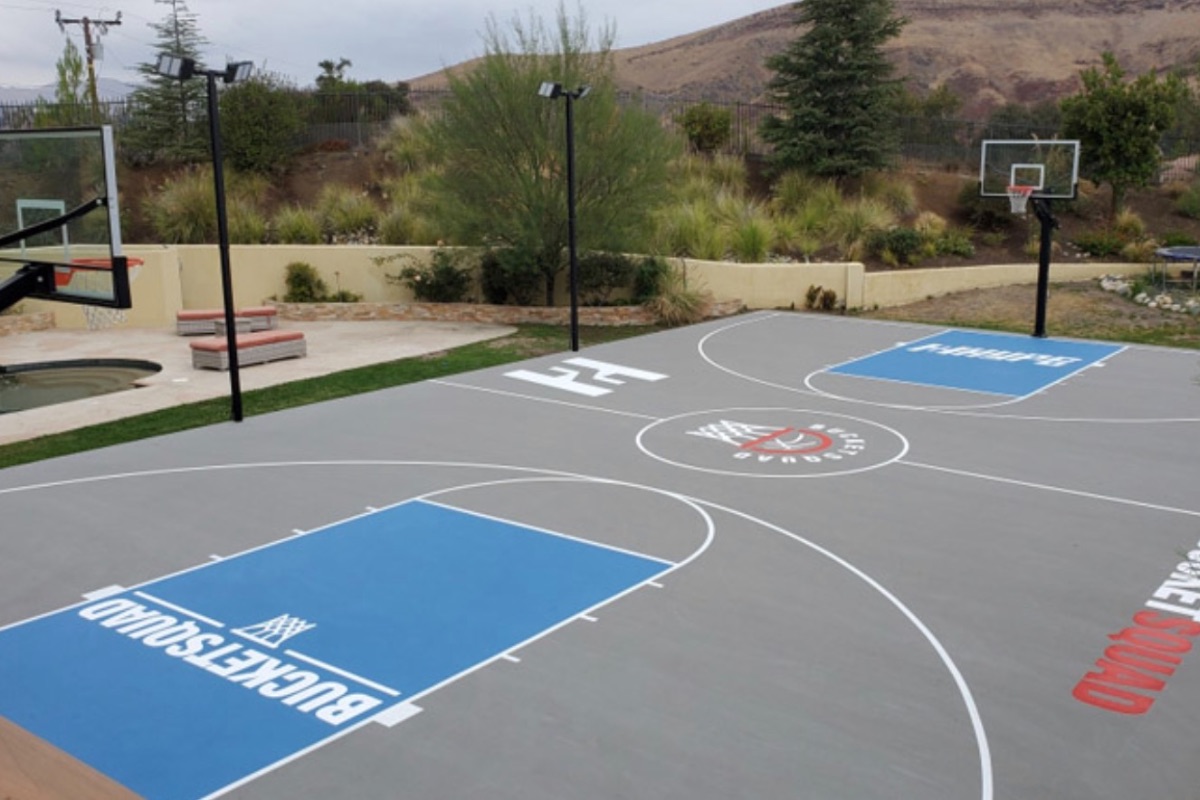
Backyard Court Ideas in Goodyear, AZ: Creative Game Court Designs for Every Home

Backyard Court Ideas in Goodyear, AZ: Creative Game Court Designs for Every Home

Creating a backyard court in Goodyear, AZ is one of the most effective ways to transform your outdoor space into a functional, high-value recreational area. With Arizona’s sunny climate and long outdoor seasons, homeowners can enjoy year-round play, making custom courts a highly desirable upgrade for both lifestyle and property appeal.

Whether you’re planning a basketball court, a pickleball setup, or a flexible multi-sport surface, the best backyard court ideas Goodyear AZ homeowners choose are built around smart design, durable materials, and efficient use of space. From compact residential layouts to more advanced multi-use installations, a well-designed court can deliver years of fitness, fun, and family entertainment.

The key is understanding your options and designing a court that fits your yard, your goals, and your environment.

Top Backyard Court Ideas for Goodyear Homes

Every home is different, and the best court design depends on your space, budget, and how you plan to use it.

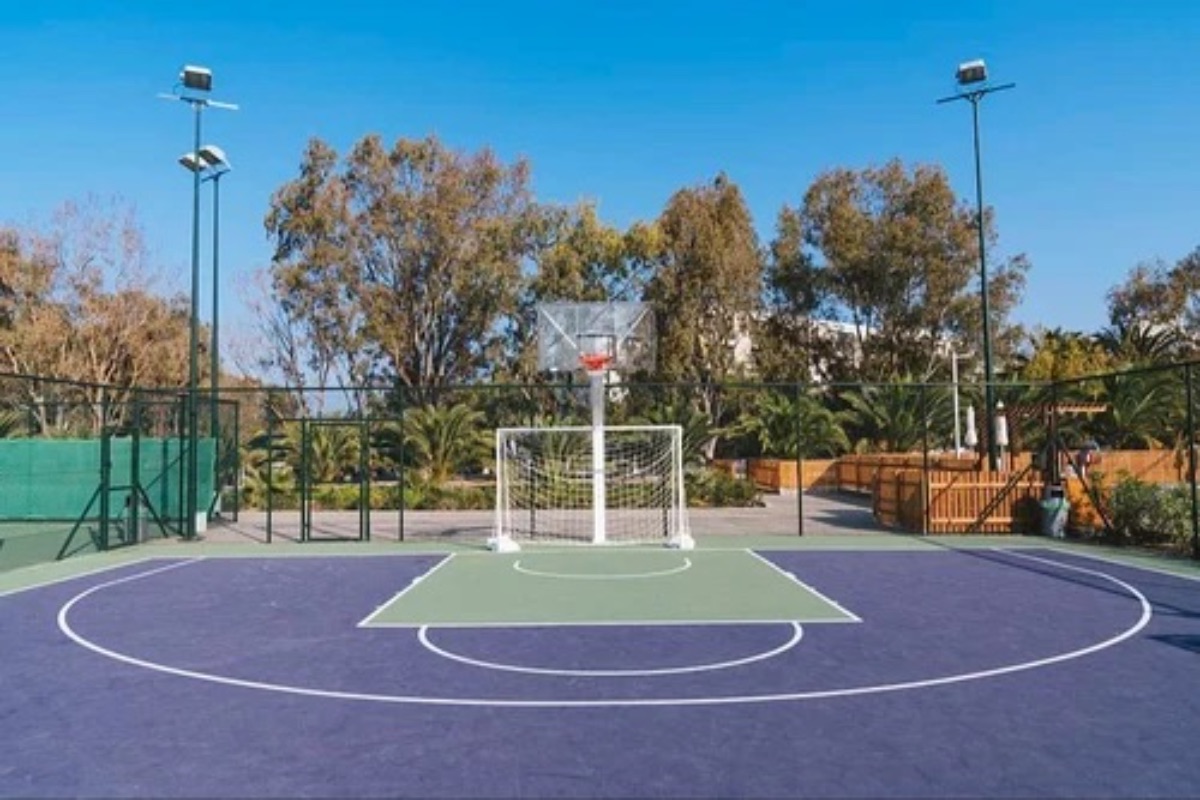
Backyard Basketball Court

A backyard basketball court Goodyear homeowners install is a timeless and versatile option. It works for all ages and skill levels, making it one of the most popular backyard upgrades.

Features:

  • Full or half-court layouts
  • Adjustable or in-ground hoops
  • Durable outdoor surfaces
  • Custom colors and striping

Best For:

Daily practice, fitness routines, and family recreation.

A half-court is often the most practical residential option, offering plenty of play space while fitting within most backyards.

Backyard Pickleball Court

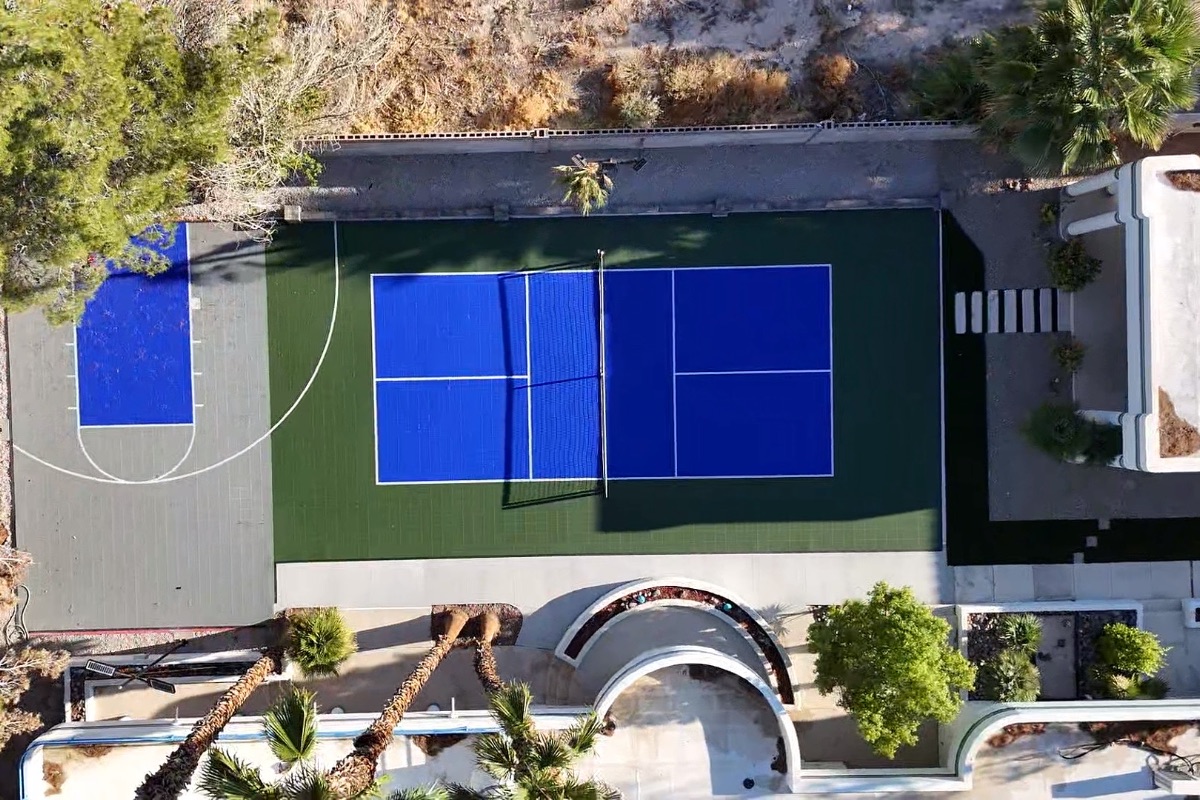
Pickleball continues to grow rapidly in popularity, and for good reason. A backyard pickleball court Arizona homeowners can enjoy year-round is compact, easy to use, and perfect for social play.

Features:

  • Standard court size of 20 ft x 44 ft
  • Smaller footprint than basketball courts
  • Low-impact and beginner-friendly
  • Easy to maintain

Best For:

Social gatherings, casual play, and low-impact exercise.

Because of its size, pickleball is often the easiest sport to integrate into residential spaces.

Multi-Use Game Court

A multi-use backyard court Goodyear design combines multiple sports into one efficient layout. This is ideal for families who want versatility without sacrificing yard space.

Features:

  • Basketball, pickleball, and volleyball compatibility
  • Multi-line striping systems
  • Adjustable nets or hoops
  • Space-efficient layout

Best For:

Families with multiple interests and shared recreational use.

This option maximizes value by turning one court into a multi-purpose activity zone.

Mini or Half-Court Setup

For smaller yards, a compact court can still deliver excellent functionality.

Features:

  • One-hoop basketball setup
  • Reduced court dimensions
  • Lower installation cost
  • Flexible design options

Best For:

Limited backyard space and casual daily play.

A compact basketball court backyard design ensures you can still enjoy the game without needing a full-size layout.

Best Surface Options for Backyard Courts in Goodyear, AZ

The surface you choose affects durability, performance, comfort, and maintenance. In Arizona, it must also withstand heat and UV exposure.

Acrylic-Coated Concrete

Acrylic-coated concrete is one of the most common surfaces for outdoor courts.

Benefits:

  • Built for extreme heat and sun exposure
  • Consistent ball bounce
  • Long-lasting performance
  • Low maintenance

Best For:

Permanent, high-performance outdoor courts.

Modular Interlocking Tiles

Modular backyard court flooring offers a modern, flexible solution that is ideal for residential use.

Benefits:

  • Shock-absorbing comfort
  • Easy installation and repair
  • Customizable colors
  • Great for multi-use courts

Best For:

Families and homeowners seeking comfort and flexibility.

Synthetic Court Surfaces

Synthetic flooring provides a cushioned, safe surface for recreational use.

Benefits:

  • Reduced joint impact
  • Slip-resistant texture
  • Comfortable for extended play
  • Multi-sport compatibility

Best For:

Family recreation and safety-focused designs.

Comparison Table – Backyard Court Ideas in Goodyear, AZ

Court Type

Best For

Main Advantage

Consideration

Basketball Court

Fitness and training

Versatile and active

Requires more space

Pickleball Court

Social play

Compact and accessible

Limited for basketball

Multi-Use Court

Families

Supports multiple sports

Complex striping

Mini/Half Court

Small yards

Space-efficient

Less full-game simulation

Design Tips for Backyard Courts in Goodyear

Designing a court in Arizona requires attention to both performance and environmental conditions.

Plan for Sun Orientation

Position your court to reduce glare during peak sunlight hours. North-south orientation is often ideal.

Use Heat-Resistant Materials

Choose surfaces designed for hot climates. UV-resistant coatings and tile systems help maintain durability.

Add Lighting Systems

LED lighting allows for evening play when temperatures are cooler.

Incorporate Shade Features

Adding nearby shade structures improves comfort for players and spectators.

Optimize Space with Multi-Use Layouts

Combining sports into one court is one of the smartest ways to maximize functionality.

Benefits of Installing a Backyard Court

A backyard court offers both lifestyle and financial advantages.

Year-Round Outdoor Recreation

Goodyear’s climate allows for frequent outdoor use, making a court a valuable long-term investment.

Increased Property Value

Custom courts enhance home appeal and can attract future buyers.

Encourages Fitness and Activity

Having a court at home makes it easier to stay active and engaged.

Private Entertainment Space

A court becomes a gathering place for friends and family.

Low Maintenance

Modern materials reduce the need for frequent repairs or resurfacing.

Cost Considerations

Costs vary depending on several factors:

  • Court size (full vs half)
  • Surface material
  • Base preparation
  • Accessories (hoops, lighting, fencing)
  • Customization options

A simple half-court will cost significantly less than a fully customized multi-sport and game courtt with premium features.

Popular Backyard Court Add-Ons

Enhance your court with features that improve usability and experience.

Common Additions:

  • Adjustable basketball hoops
  • Ball containment fencing
  • LED lighting systems
  • Custom court colors
  • Seating areas
  • Equipment storage

These upgrades can elevate your court from basic to premium.

Frequently Asked Questions (FAQs)

What is the best surface for a backyard basketball court?

Acrylic-coated concrete is ideal for durability and performance, while modular tiles offer added comfort and flexibility.

What can you use instead of concrete for a basketball court?

Asphalt, modular tile systems, and synthetic sports flooring can all serve as alternatives depending on the design.

What are some backyard court ideas?

Popular ideas include basketball courts, pickleball courts, multi-use game courts, and compact mini-courts.

What is the cheapest option for an outdoor basketball court?

Using an existing driveway with a hoop and simple striping is typically the most affordable solution.

How to build a backyard basketball court?

Start by measuring your space, preparing a level base, selecting a surface, installing flooring, and adding striping and accessories.

The best backyard court ideas Goodyear AZ homeowners invest in are those that combine smart design, durable materials, and practical functionality. Whether you choose a dedicated backyard basketball court Goodyear families can use daily, a compact backyard pickleball court Arizona setup, or a flexible multi-use backyard court Goodyear design, the right court transforms your outdoor space into something far more valuable.

With thoughtful planning, climate-resistant materials, and efficient outdoor game court design AZ strategies, you can create a backyard court that delivers years of performance, enjoyment, and lasting value.

Half Court Backyard Basketball Court: Design Ideas, Dimensions & Installation Guide

Half Court Backyard Basketball Court: Design Ideas, Dimensions & Installation Guide

A half court backyard basketball court is one of the most practical and popular ways to bring the game home without needing the space required for a full-size court. It offers the perfect balance between functionality and efficiency, giving homeowners enough room for shooting drills, one-on-one games, and casual recreation while fitting comfortably into most residential properties.

Whether you’re designing a court for family fun, fitness, or skill development, a well-planned backyard half basketball court design can deliver excellent performance, durability, and long-term value. With the right layout, surface materials, and installation approach, even a compact outdoor space can become a high-quality basketball environment.

Standard Half Court Dimensions

Understanding proper dimensions is essential to ensure your court plays well and feels comfortable.

Recommended Playing Area

A typical half court layout varies slightly depending on available space, but most residential courts follow these general guidelines:

  • Length: 42–47 feet
  • Width: Up to 50 feet (full width optional depending on yard size)
  • Hoop positioned at the baseline
  • Key, free-throw lane, and three-point arc included

This layout provides enough space for realistic gameplay while remaining adaptable to different backyard sizes.

Space Optimization Options

Not every backyard can accommodate full half-court dimensions, but there are ways to adjust.

Popular Optimization Ideas:

  • Compact layouts with reduced perimeter clearance
  • Driveway-based half court setups
  • Custom court shapes for irregular yard spaces
  • Multi-sport layouts combining pickleball or volleyball

A compact basketball court backyard design allows homeowners to maximize functionality without sacrificing playability.

Best Surface Options for Half Court Backyard Basketball Courts

Choosing the right flooring is critical for durability, comfort, and performance.

Acrylic-Coated Concrete

Acrylic-coated concrete is one of the most common choices for outdoor courts.

Benefits:

  • Durable and weather-resistant
  • Consistent ball bounce
  • Low maintenance over time
  • UV-resistant coatings prevent fading

This is a top option for permanent outdoor half court basketball installation projects.

Modular Interlocking Tiles

Modular backyard basketball court systems are ideal for homeowners who want flexibility and comfort.

Benefits:

  • Shock-absorbing surface
  • Easy installation and repair
  • Replaceable individual sections
  • Great for multi-use courts

Tile systems are especially popular for families and recreational use.

Asphalt with Sport Coating

Asphalt is another traditional base material often used for larger courts.

Benefits:

  • Strong and cost-effective foundation
  • Compatible with acrylic coatings
  • Suitable for larger half-court builds

However, asphalt may require more maintenance over time compared to concrete.

Comparison Table – Half Court Backyard Basketball Court Options

Surface Type

Best For

Main Advantage

Consideration

Acrylic-Coated Concrete

Permanent outdoor courts

Professional bounce and durability

Harder surface feel

Modular Tile Systems

Residential flexible courts

Comfort and easy repair

Higher upfront cost

Asphalt with Coating

Budget-friendly large courts

Lower cost for bigger areas

Requires resurfacing

Painted Concrete

Basic setups

Affordable entry option

Less durability over time


Design ideas for Half Court Backyards

A half court does not have to be basic. Smart design can elevate both function and appearance.


Classic Single Hoop Setup

This is the most straightforward and widely used design.

Features:

  • One regulation hoop
  • Clean court layout
  • Ideal for shooting practice and solo drills

Perfect for homeowners who want a simple, effective court.

Multi-Sport Half Court

A multi-use court adds flexibility for families.

Features:

  • Pickleball or volleyball lines
  • Adjustable net systems
  • Shared recreational space

This is a great option for maximizing backyard usability.

Driveway Half Court Conversion

A practical solution for homes with existing concrete driveways.

Features:

  • Minimal construction required
  • Budget-friendly setup
  • Quick installation process

Many homeowners start with this option and upgrade later.

Enclosed Backyard Court

Adding enclosure elements enhances safety and control.

Features:

  • Perimeter fencing or rebound walls
  • Ball containment
  • Safer environment for children

This design is ideal for active families and frequent play.

Benefits of a Half Court Backyard Basketball Court

A half court offers significant advantages for homeowners.

Fits Most Residential Spaces

Unlike full courts, half courts can be adapted to a variety of backyard sizes.

Lower Cost Than Full Courts

Smaller size means reduced material, labor, and installation costs.

Great for Training and Fitness

Perfect for shooting drills, conditioning, and casual gameplay.

Easier Maintenance

Less surface area means easier cleaning, repairs, and upkeep.

Increases Home Value

A well-designed court adds both lifestyle appeal and property value.

Installation Process Overview

Building a half court involves several key steps.

Step 1 – Site Preparation

  • Level the ground or prepare existing concrete
  • Ensure proper drainage
  • Mark the court layout accurately

A strong foundation ensures long-term durability.

Step 2 – Surface Installation

  • Install chosen flooring system (acrylic, asphalt, or tiles)
  • Ensure even surface and proper leveling
  • Apply base coatings if needed

Step 3 – Court Striping

  • Add boundary lines, key, and arc markings
  • Include optional multi-sport striping
  • Ensure accurate measurements

Step 4 – Hoop Installation

  • Install in-ground or wall-mounted hoop system
  • Ensure proper height and alignment
  • Perform final safety checks

Design Tips for Better Performance

Small improvements can enhance gameplay significantly.

Recommended Tips:

  • Use high-contrast colors for better visibility
  • Position court to minimize sun glare
  • Add lighting for evening play
  • Include non-slip coatings for safety
  • Plan for future upgrades (tiles, fencing, accessories)

Frequently Asked Questions (FAQs)

What size is a half court backyard basketball court?

A typical half court ranges from 42–47 feet long and up to 50 feet wide, depending on available space.

What is the ceiling height for a half court basketball court?

For indoor half courts, a ceiling height of at least 18–20 feet is recommended for comfortable gameplay.

Can a pickleball court fit on a half basketball court?

Yes, many half courts can include pickleball striping, creating a multi-use recreational space.

How much space do you need for a half court basketball?

You should aim for at least 42 feet in length and 30–50 feet in width, depending on design and clearance.

How big is the half court 3-point line?

The three-point arc on a half court typically follows standard basketball dimensions but may be adjusted for smaller residential courts.

A half court backyard basketball court is the ideal solution for homeowners who want a functional, high-quality playing space without the need for a full-size court. With thoughtful backyard half basketball court design, durable surface materials, and smart installation planning, you can create a court that delivers excellent performance in a compact footprint.

Whether you’re exploring small backyard basketball court ideas, planning a modular backyard basketball court, or investing in a permanent outdoor half court basketball installation, the right design transforms your backyard into a space for fitness, fun, and long-term enjoyment.

Pickleball Court Ideas in Tempe, AZ: Creative Backyard & Multi-Use Game Court Designs

Pickleball Court Ideas in Tempe, AZ: Creative Backyard & Multi-Use Game Court Designs

Designing a pickleball court in Tempe, Arizona is one of the smartest ways to transform outdoor space into a functional, active, and entertaining backyard feature. With abundant sunshine, warm weather through most of the year, and growing interest in home recreation, more homeowners are investing in creative pickleball court ideas Tempe AZ properties can enjoy year-round.

Whether you want a simple family court, a luxury backyard athletic retreat, or a versatile multi-sport setup, there are countless ways to design a court that fits your property size, budget, and lifestyle goals. From compact backyard layouts to elaborate multi-use backyard court Arizona concepts, the right design can enhance both recreation and home value.

Because Tempe’s desert climate creates unique environmental demands, selecting weather-resistant materials and thoughtful layouts is especially important for long-term durability and comfort.

Popular Pickleball Court Ideas for Tempe Homes

Tempe homeowners have many creative options depending on available space, family needs, and desired functionality.

Compact Backyard Pickleball Court

A compact backyard pickleball court Tempe homeowners choose is ideal for smaller residential lots where maximizing limited yard space matters.

Even with tighter dimensions, these courts still provide enjoyable and regulation-friendly play.

Features:

  • Standard court lines: 20 ft x 44 ft
  • Space-efficient footprint design
  • Minimal surrounding buffer zones
  • Great for casual family games

Best For:

Homes in tighter Tempe subdivisions or urban neighborhoods with limited backyard square footage.

Compact designs often incorporate perimeter fencing and fold-away net systems to save space.

Multi-Use Game Court Design

A multi-use backyard court Arizona families often prefer allows several sports to share one flexible surface.

These courts may combine:

  • Pickleball
  • Basketball
  • Volleyball
  • Badminton

Features:

  • Shared multi-sport striping
  • Adjustable or removable net systems
  • Flexible recreation options for all ages

Best For:

Families who want a versatile outdoor activity zone that serves multiple purposes.

Multi-use layouts are especially valuable when backyard square footage is limited but recreational needs are broad.

Desert-Friendly Acrylic Court Design

Because Arizona heat can be intense, climate-adapted surfaces are critical.

Acrylic systems are among the most durable options for outdoor pickleball court design Tempe homes require.

Features:

  • UV-resistant acrylic coatings
  • Heat-reflective color technology
  • Fade-resistant long-term performance
  • Low maintenance upkeep

Best For:

Homeowners seeking a permanent, professional-grade court designed for long-term sun exposure.

These courts are particularly effective in open yards with little natural shade.

Modular Tile Backyard Court

Modern modular pickleball court ideas are increasingly popular because they combine comfort, convenience, and flexibility.

Features:

  • Interlocking shock-absorbing tiles
  • Easier installation process
  • Replaceable damaged sections
  • Comfortable underfoot cushioning

Best For:

Homeowners who want upgradeable, customizable, or DIY-friendly court systems.

Tile systems also stay somewhat cooler underfoot than some traditional hard surfaces.

Comparison Table – Pickleball Court Design Ideas in Tempe, AZ

Court Type

Best For

Main Advantage

Consideration

Compact Backyard Court

Smaller yards

Efficient use of limited space

Less spectator area

Multi-Use Game Court

Families with varied sports interests

Multiple sports in one court

More complex striping layout

Acrylic Desert Court

Permanent outdoor installations

Superior UV durability

Higher initial cost

Modular Tile Court

Flexible residential use

Easy repairs and comfort

Tile expansion may need monitoring

Design Features to Consider

Every successful Tempe game court design balances beauty, function, and climate performance.

Sun Orientation

Court positioning matters significantly in Arizona.

North-south orientation is ideal because it reduces glare during morning and afternoon games.

This improves:

  • Player visibility
  • Comfort during rallies
  • Overall gameplay experience

Poor orientation can make certain hours nearly unplayable.

Shade Options

Tempe summers are intense, making nearby shade highly valuable.

Popular shade solutions include:

  • Pergolas
  • Retractable shade sails
  • Trees positioned near seating zones
  • Covered spectator areas

Shade structures improve comfort without interfering with court dimensions.

Surface Choice

Your surface affects durability, maintenance, comfort, and performance.

Acrylic Surfaces:

Best for:

  • Competitive players
  • Permanent installations
  • Low-maintenance long-term use

Modular Tiles:

Best for:

  • Family recreation
  • Cushioned comfort
  • Flexible upgrades

Choosing the right material is one of the most important design decisions.

Lighting Systems

Adding sports lighting extends court usability into cooler evening hours.

LED court lighting provides:

  • Energy efficiency
  • Minimal glare
  • Even court illumination

Evening play is especially valuable during hot summer months.

Drainage Planning

Though Tempe is dry most of the year, monsoon storms create sudden heavy rainfall.

Proper drainage prevents:

  • Water pooling
  • Surface erosion
  • Premature material breakdown

A slight court slope with engineered runoff is essential.

Backyard Design Ideas Based on Property Style

Different homes call for different court aesthetics.

Modern Contemporary Homes

Best design features:

  • Gray or blue minimalist court colors
  • Sleek fencing systems
  • Integrated LED perimeter lighting

Luxury Desert Estates

Premium design upgrades may include:

  • Decorative masonry fencing
  • Built-in seating lounges
  • Custom logo striping

Family-Oriented Suburban Homes

Ideal additions include:

  • Basketball hoop combo systems
  • Portable volleyball net conversions
  • Child-friendly cushioned tiles

Design style should complement both home architecture and family usage patterns.

Benefits of a Backyard Pickleball Court in Tempe

A private court offers far more than athletic convenience.

Year-Round Outdoor Recreation

Tempe weather allows regular play almost every month of the year.

This creates excellent value from your investment.

Increased Property Value and Appeal

Custom courts are attractive features in Arizona’s luxury and family housing markets.

Well-designed recreational amenities boost resale desirability.

Private Fitness and Entertainment Space

Homeowners gain instant access to exercise and social recreation without leaving home.

Flexible Multi-Sport Use

One court can serve many purposes depending on layout design.

Low-Maintenance Long-Term Investment

Modern materials require relatively little upkeep compared to many outdoor amenities.

Budget Planning for Tempe Pickleball Courts

Costs vary based on size, materials, and customization.

Estimated Cost Ranges:

Basic Compact Court:

$12,000 – $20,000

Mid-Range Multi-Use Court:

$20,000 – $40,000

Premium Custom Luxury Court:

$40,000+

Optional upgrades include:

  • Lighting systems
  • Fencing
  • Shade structures
  • Decorative landscaping

Budget planning should always include site prep and drainage costs.

Frequently Asked Questions (FAQs)

What makes a good pickleball court?

A good pickleball court has proper dimensions, quality surfacing, safe traction, accurate striping, good drainage, and suitable lighting or shade conditions.

What is the best combination for a pickleball court?

Acrylic-coated concrete with proper drainage and UV-resistant coatings is often considered the best combination for durability and performance.

What are the different types of pickleball courts?

Common types include acrylic hard courts, modular tile courts, synthetic cushioned courts, and multi-use combination game courts.

What is the cheapest way to install a pickleball court?

The most affordable method is often modular tile installation over an existing flat concrete surface.

How to layout a pickleball court?

A regulation court measures 20 ft x 44 ft, with recommended total play space of at least 30 ft x 60 ft including safe movement zones.

Creative pickleball court ideas Tempe AZ homeowners choose can completely transform outdoor living spaces into active, stylish, and valuable recreational environments. Whether you prefer a compact backyard pickleball court Tempe setup, a flexible multi-use backyard court Arizona design, or a premium custom athletic retreat, the right court design enhances both lifestyle and property appeal.

By selecting durable materials, climate-smart layouts, and thoughtful features like shade, lighting, and drainage, your outdoor pickleball court design Tempe investment can deliver years of fun, fitness, and lasting enjoyment.

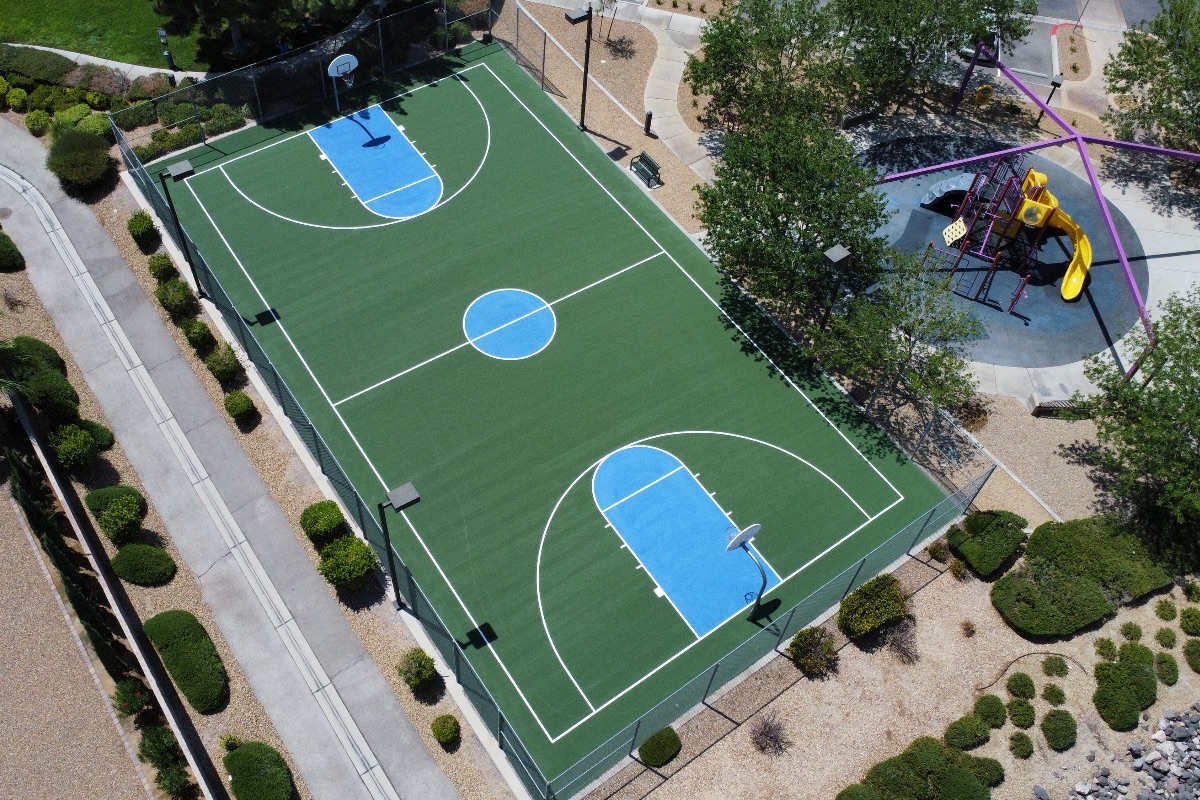
Outdoor Basketball Court Repair in Henderson, NV: Restore Your Backyard Game Court

Outdoor Basketball Court Repair in Henderson, NV: Restore Your Backyard Game Court

Outdoor basketball courts in Henderson, NV are constantly exposed to harsh environmental conditions. Between intense UV rays, extreme summer heat, and regular foot traffic, even the most durable surfaces will eventually show signs of wear. Cracks begin to form, coatings fade, and surfaces lose their traction—turning what was once a high-performance court into a safety risk and a frustrating playing experience.

That’s where outdoor basketball court repair Henderson NV homeowners rely on becomes essential. Proper repair and resurfacing not only restore your court’s appearance but also improve safety, extend lifespan, and bring back consistent gameplay performance. Whether your court needs minor patching or full basketball court resurfacing Henderson, understanding the repair process helps you make informed decisions and protect your investment.

A well-maintained court isn’t just about looks—it’s about function, safety, and long-term value.

Common Outdoor Basketball Court Issues

Outdoor courts experience wear in predictable ways, especially in desert climates like Nevada. Identifying these issues early can prevent costly repairs later.

Surface Cracks

Cracks are the most common issue affecting outdoor courts.

Causes:

  • Heat expansion and contraction
  • Ground settling or shifting
  • Moisture penetration into the base
  • Aging construction materials

Effects:

  • Uneven ball bounce
  • Tripping hazards for players
  • Water infiltration that worsens damage

Even small cracks should not be ignored. Over time, they expand and compromise the integrity of the entire court. Timely basketball court crack repair is the best way to prevent more expensive structural issues.

Faded or Worn Coatings

Henderson’s strong sun exposure gradually breaks down court coatings.

Signs:

  • Loss of vibrant court color
  • Reduced traction underfoot
  • Hard-to-see boundary lines
  • Chalky or dusty surface feel

This type of wear affects both aesthetics and performance. Players rely on good traction and clear lines for safe, accurate gameplay.

Uneven Surface Areas

An uneven court can make playing unpredictable and unsafe.

Causes:

  • Poor initial installation
  • Drainage issues
  • Base shifting over time
  • Soil movement beneath the slab

Problems:

  • Inconsistent ball bounce
  • Difficulty maintaining balance
  • Increased risk of injury

These issues often require leveling and resurfacing to restore proper play conditions.

Peeling or Flaking Paint

Peeling coatings are a clear sign that the court surface is failing.

Causes:

  • Low-quality materials
  • Improper surface preparation
  • Moisture trapped beneath coatings
  • Long-term wear and tear

Once paint begins to peel, simple touch-ups won’t be enough. Full resurfacing is usually required to restore the court properly.

Outdoor Basketball Court Repair Solutions

Repairing a court depends on the severity of the damage. From minor fixes to full restoration, there are several effective solutions available.

Crack Repair and Patching

Crack repair is the first step in most backyard court repair Nevada projects.

Process:

  • Clean and prepare cracked areas
  • Apply specialized acrylic court repair system materials
  • Seal cracks to prevent spreading
  • Smooth surface for even finish

Benefits:

  • Prevents further structural damage
  • Restores a level playing surface
  • Improves safety

Proper crack repair extends the life of your court significantly.

Court Resurfacing

Resurfacing is one of the most impactful ways to restore a worn court.

Includes:

  • Application of acrylic resurfacer
  • New coating layers for durability
  • Textured finish for improved traction

Benefits:

  • Smooth, consistent playing surface
  • Improved ball bounce
  • Fresh, professional appearance

This is the most common solution for courts showing moderate wear.

Color Coating and Striping

After repairs, the court is refinished with new coatings and lines.

Includes:

  • Application of new court colors
  • Repainting boundary lines
  • Optional custom designs or logos

Benefits:

  • Enhanced visibility
  • Improved aesthetics
  • Professional-quality finish

This step completes the restoration process.

Full Court Restoration

For severely damaged courts, full restoration is the best solution.

Includes:

  • Base repair and leveling
  • Crack sealing and patching
  • Full resurfacing
  • Line striping and finishing

Benefits:

  • Restores court to like-new condition
  • Extends lifespan significantly
  • Avoids full court replacement

Full outdoor game court restoration is ideal for older courts that have not been maintained regularly.

Comparison Table – Basketball Court Repair Options

Repair Type

Best For

Main Advantage

Consideration

Crack Repair

Minor damage

Prevents further cracking

Temporary if surface is worn

Resurfacing

Moderate wear

Restores entire surface

Requires downtime

Color Coating

Cosmetic updates

Improves appearance

Does not fix structural issues

Full Restoration

Severe damage

Complete renewal

Higher cost

Repair Process Overview

A structured repair process ensures durability and performance.

Step 1 – Inspection and Assessment

Professionals evaluate:

  • Surface cracks
  • Coating condition
  • Structural integrity
  • Drainage issues

This step determines the appropriate repair approach.

Step 2 – Surface Preparation

Preparation is critical for long-lasting results.

Includes:

  • Cleaning debris and dirt
  • Pressure washing the surface
  • Repairing cracks and leveling uneven areas

Without proper prep, new coatings will not adhere properly.

Step 3 – Resurfacing Application

Acrylic resurfacing materials are applied evenly.

Process:

  • Apply base resurfacer
  • Add multiple coating layers
  • Ensure consistent texture

This restores the core playing surface.

Step 4 – Line Striping and Finishing

Final touches include:

  • Repainting court lines
  • Adding optional multi-sport markings
  • Final inspection

This step ensures accuracy and visual clarity.

Benefits of Repairing Your Basketball Court

Repairing your court offers long-term advantages beyond appearance.

Improved Player Safety

Smooth surfaces reduce risks of slipping and tripping.

Restored Game Performance

Consistent ball bounce improves gameplay quality.

Extended Court Lifespan

Repairs prevent further deterioration and delay replacement.

Enhanced Visual Appeal

Fresh coatings make your court look new again.

Increased Property Value

A well-maintained court adds functional and aesthetic value to your home.

Signs You Need Court Repair

Recognizing early warning signs helps avoid major issues.

Watch for:

  • Visible cracks
  • Faded or peeling paint
  • Slippery or rough surface
  • Uneven playing areas
  • Water pooling after rain

If you notice any of these, it’s time to consider outdoor basketball court repair Henderson NV services.

Maintenance Tips After Repair

Once your court is repaired, proper maintenance keeps it in top condition.

Best Practices:

  • Sweep debris regularly
  • Wash surface periodically
  • Inspect for early cracks
  • Keep drainage areas clear
  • Recoat every few years

Regular maintenance reduces the need for major repairs.

Cost Considerations for Court Repair

Costs vary depending on the level of repair required.

Typical Factors:

  • Extent of surface damage
  • Size of the court
  • Type of materials used
  • Labor and preparation work
  • Additional features like striping or customization

Minor repairs are relatively affordable, while full resurfacing or restoration involves a larger investment but delivers long-term value.

DIY vs Professional Repair

Some homeowners consider DIY repairs, but there are important differences.

DIY Repair:

  • Lower upfront cost
  • Suitable for minor cracks
  • Requires proper tools and materials

Professional Repair:

  • Higher quality results
  • Longer-lasting repairs
  • Proper surface preparation and materials

For significant damage, professional repair is usually the better option.

Frequently Asked Questions (FAQs)

How often should a basketball court be resurfaced in Henderson, NV?

Typically every 4–8 years, depending on usage and exposure to sun and weather conditions.

Can cracks in a basketball court be repaired?

Yes, crack repair systems effectively seal and restore damaged areas.

Is resurfacing better than replacing the court?

In most cases, resurfacing is more cost-effective and extends the court’s lifespan significantly.

What materials are used for court repair?

Common materials include acrylic coatings, crack fillers, and resurfacing compounds.

How long does court repair take?

Most repair projects can be completed within a few days, depending on the extent of damage.

Investing in outdoor basketball court repair Henderson NV homeowners trust is essential for maintaining a safe, durable, and high-performing court. Whether you need minor basketball court crack repair or full basketball court resurfacing Henderson, timely repairs protect your investment and enhance your playing experience.

With the right approach, quality materials, and proper maintenance, your court can continue to deliver years of reliable performance without the need for full replacement.

Outdoor Basketball Court Surface in Boulder City, NV: Best Materials, Design & Installation Guide

Outdoor Basketball Court Surface in Boulder City, NV: Best Materials, Design & Installation Guide

Choosing the right outdoor basketball court surface Boulder City NV homeowners rely on is essential for building a court that performs well, lasts for years, and withstands the harsh desert climate. In Boulder City, intense sun, extreme heat, and dry conditions can quickly wear down inferior materials, making surface selection one of the most important decisions in any court project.

Whether you’re designing a half-court for your backyard, a full recreational court, or a flexible multi-sport space, the surface you choose will directly impact traction, ball bounce, comfort, and maintenance requirements. The best basketball court flooring Nevada residents invest in is designed specifically for outdoor performance in high-temperature environments.

With proper planning and the right materials, your court can deliver consistent gameplay, improved safety, and long-term durability.

Best Outdoor Basketball Court Surface Options

There are several high-quality surface systems available for outdoor courts, each offering unique benefits depending on your goals, budget, and usage.

Acrylic-Coated Concrete Surface

An acrylic court surface system is one of the most widely used and trusted options for outdoor basketball courts in desert regions.

Key Features:

  • UV-resistant and heat-tolerant coatings
  • Consistent ball bounce and traction
  • Durable and long-lasting surface
  • Low maintenance over time

Best For:

Permanent backyard courts in Boulder City and other hot climates.

This surface provides a professional feel and is ideal for players who want predictable performance and long-term reliability.

Modular Interlocking Tile Surface

Modular basketball court tiles are a modern solution that offers flexibility, comfort, and ease of maintenance.

Key Features:

  • Shock-absorbing surface for joint comfort
  • Excellent drainage and airflow
  • Easy replacement of damaged sections
  • Customizable colors and layouts

Best For:

Multi-use backyard courts and family recreation spaces.

Tile systems are especially popular for homeowners who want a slightly softer feel underfoot and the ability to upgrade or repair the court easily.

Asphalt with Sport Coating System

Asphalt remains a traditional and cost-effective base for outdoor courts, especially when combined with sport coatings.

Key Features:

  • Strong structural base
  • Suitable for large court installations
  • Can be resurfaced over time
  • Cost-efficient for bigger projects

Best For:

Driveways, large backyard courts, and community recreational spaces.

While asphalt may require more maintenance than concrete, it remains a reliable option for many outdoor installations.

Synthetic Cushioned Court Surface

Synthetic surfaces are designed with player comfort in mind, making them a great choice for recreational courts.

Key Features:

  • Cushioned surface reduces joint impact
  • Slip-resistant texture
  • Comfortable for extended play sessions
  • Multi-sport compatibility

Best For:

Family-friendly courts and multi-use recreational areas.

These surfaces are ideal when safety and comfort are top priorities.

Comparison Table – Outdoor Basketball Court Surfaces

Surface Type

Best For

Main Advantage

Consideration

Acrylic-Coated Concrete

Competitive play

Professional bounce and durability

Harder surface feel

Modular Tile Systems

Residential use

Comfort and easy repair

Higher initial cost

Asphalt with Coating

Large courts

Cost-effective base

Requires resurfacing

Synthetic Cushioned Surface

Family recreation

Soft and safe

Less pro-style bounce

How to Choose the Right Court Surface in Boulder City

Selecting the right surface depends on several key factors.

Climate Considerations

Boulder City’s desert environment demands materials that can handle:

  • Extreme heat
  • Intense UV exposure
  • Dry air conditions

The best desert climate basketball court surface options include acrylic coatings and modular tile systems, which are specifically engineered for outdoor durability.

Usage Type

How the court will be used should guide your decision.

Casual Play:

  • Synthetic or cushioned surfaces
  • Modular tile systems

Competitive Play:

  • Acrylic-coated concrete
  • Asphalt with sport coatings

Multi-Sport Use:

  • Modular tile systems
  • Synthetic surfaces

Matching the surface to the intended activity ensures better long-term satisfaction.

Maintenance Preferences

Different surfaces require different levels of upkeep.

Low Maintenance Options:

  • Acrylic-coated concrete
  • Modular tiles

Higher Maintenance Options:

  • Asphalt systems
  • Some synthetic surfaces

Choosing a low-maintenance material can reduce long-term costs and effort.

Space and Design Goals

Your available space will influence your surface choice.

  • Smaller yards: modular tiles or compact acrylic courts
  • Larger properties: full courts or multi-use designs
  • Multi-sport areas: flexible tile or synthetic systems

A well-planned layout ensures the court fits your property and usage needs.

Benefits of the Right Outdoor Court Surface

Selecting the right outdoor game court flooring provides several long-term advantages.

Improved Player Safety

Proper traction reduces slipping hazards, while cushioned surfaces help reduce joint strain.

Consistent Ball Bounce

High-quality surfaces provide predictable gameplay, improving overall performance.

Increased Court Lifespan

Durable materials resist weather damage and heavy use, extending the life of your court.

Lower Maintenance Requirements

Modern surfaces require less frequent repairs and resurfacing.

Enhanced Property Value

A well-designed court adds visual appeal and functional value to your home.

Common Mistakes to Avoid

Avoiding common errors helps ensure your court performs well over time.

Choosing Indoor Materials for Outdoor Use

Indoor surfaces are not designed to withstand UV exposure and weather conditions.

Ignoring Heat and UV Exposure

Failure to consider climate can lead to fading, cracking, and early surface failure.

Poor Base Preparation

A weak or uneven foundation can cause surface shifting and long-term damage.


Skipping Drainage Planning

Improper drainage leads to water buildup and surface deterioration.

Using Low-Quality Coatings

Cheap coatings fade quickly and wear out faster under heavy use.

Installation Overview

Building a high-quality court involves several key steps.

Step 1 – Site Preparation

  • Level the ground or existing slab
  • Ensure proper drainage slope
  • Prepare a stable base

Step 2 – Surface Installation

  • Install concrete, asphalt, or tile system
  • Apply coatings or surface layers
  • Ensure even finish

Step 3 – Court Striping

  • Add basketball lines and markings
  • Include optional multi-sport striping

Step 4 – Equipment Setup

  • Install hoops and accessories
  • Perform final inspection

Proper installation ensures durability and performance.

Frequently Asked Questions (FAQs)

What is the best surface for an outdoor basketball court?

Acrylic-coated concrete is one of the best options for durability and performance, while modular tiles provide added comfort and flexibility.

What is the best flooring for a basketball court?

It depends on usage. Outdoor courts often use acrylic or tile systems, while indoor courts typically use hardwood or synthetic flooring.

How thick does a slab need to be for a basketball court?

Most outdoor courts require a concrete slab at least 4 inches thick, depending on soil conditions and use.

What can I use instead of concrete for an outdoor basketball court?

Asphalt, modular tile systems, and synthetic surfaces can all be used depending on the design.

What type of surface is a basketball court played on?

Basketball courts can be played on concrete, asphalt, acrylic-coated surfaces, modular tiles, or synthetic sports flooring.

Choosing the right outdoor basketball court surface Boulder City NV homeowners trust is essential for building a court that performs well in extreme desert conditions. From durable acrylic court surface systems to flexible modular basketball court tiles, each option offers unique advantages depending on your needs.

By selecting the right backyard basketball court surface options, planning for climate conditions, and using proper installation techniques, you can create a long-lasting outdoor game court flooring solution that delivers performance, safety, and value for years to come.

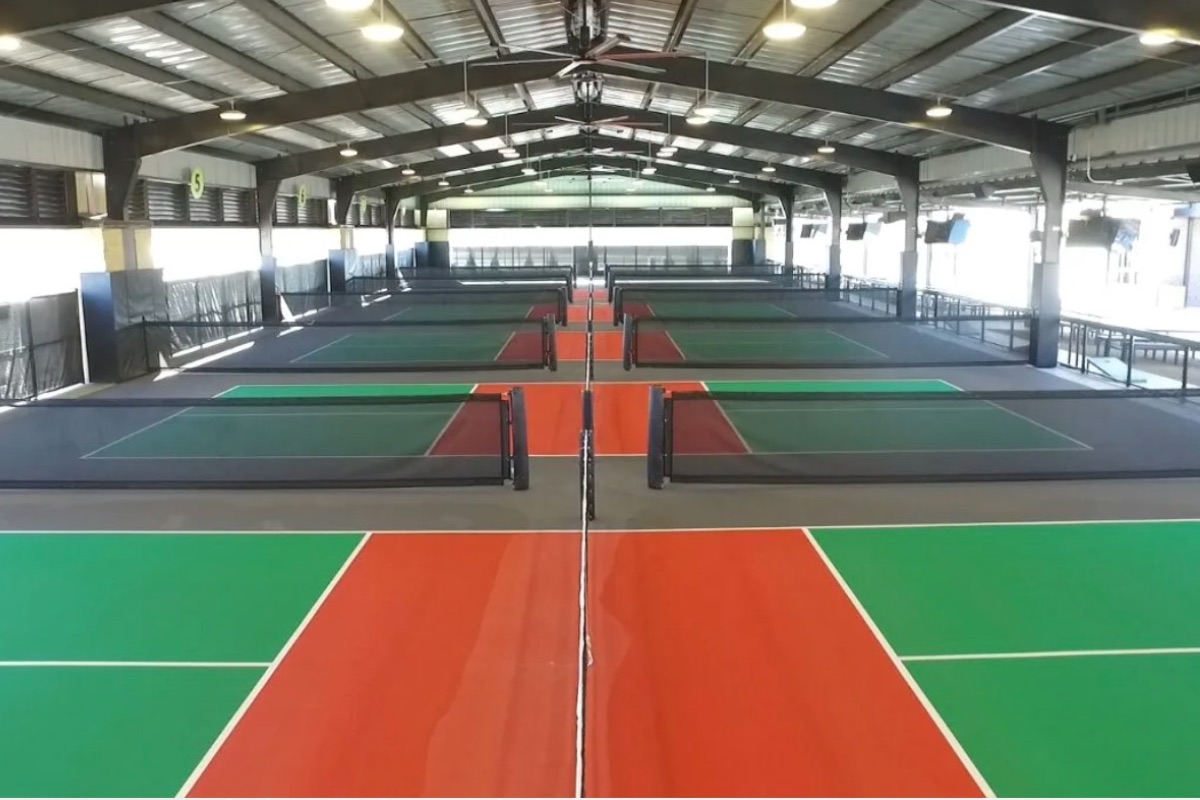
Indoor Pickleball Court Construction in Summerlin: Design, Materials & Installation Guide

Indoor Pickleball Court Construction in Summerlin: Design, Materials & Installation Guide

Indoor pickleball court construction in Summerlin is rapidly gaining popularity among homeowners, sports clubs, and recreational facilities looking to create year-round, climate-controlled playing environments. While outdoor courts remain popular, indoor courts offer unmatched consistency, comfort, and protection from harsh weather conditions such as extreme heat, wind, and sun glare—common concerns in Nevada.

Whether you are building a private residential court, converting a garage into a game space, or planning a large-scale indoor recreation facility, investing in a professionally designed indoor pickleball court ensures long-lasting durability, reliable performance, and a premium playing experience.

With the right design, flooring materials, and installation approach, an indoor pickleball court can become a versatile recreational asset that supports fitness, family entertainment, leagues, and even multi-sport use.

Why Build an Indoor Pickleball Court in Summerlin?

Summerlin’s desert climate creates unique advantages for indoor court development. Indoor facilities allow players to enjoy the game without worrying about weather extremes, making them an ideal solution for consistent recreational access.

Year-Round Play Without Weather Interruptions

Nevada weather can be unpredictable for outdoor sports. Summer heat often makes midday outdoor play uncomfortable or even unsafe.

Indoor courts solve these problems completely.

Benefits Include:

  • No sun glare affecting visibility
  • No heat-related court surface overheating
  • No wind interference during rallies
  • Reliable year-round scheduling

With climate control, players can enjoy comfortable games in every season.

Better Control and Performance

Indoor environments create stable playing conditions that improve game quality.

Unlike outdoor courts, indoor courts eliminate environmental variables such as:

  • Wind drift on ball flight
  • Uneven sun lighting
  • Surface temperature fluctuations

Performance Benefits:

  • More consistent ball bounce
  • Predictable shot accuracy
  • Stable lighting conditions
  • Enhanced competitive play

Serious players often prefer indoor courts because they offer tournament-style consistency.

Multi-Use Indoor Game Space

A well-planned multi-use indoor court design can support several sports on one surface.

Common multi-sport combinations include:

  • Pickleball
  • Basketball
  • Volleyball
  • Badminton

This flexibility maximizes square footage while increasing the court’s overall value.

Families, clubs, and private facilities benefit greatly from adaptable indoor recreational spaces.

Best Flooring Options for Indoor Pickleball Courts

Flooring is one of the most important decisions in indoor pickleball court construction Summerlin projects because it affects safety, bounce, comfort, and long-term durability.

Synthetic Sports Flooring

Synthetic indoor sports flooring is one of the most popular choices for indoor courts.

Features:

  • Shock-absorbing cushioning
  • Slip-resistant texture
  • Reduced joint stress
  • Excellent durability

This flooring performs especially well for long play sessions and multi-sport use.

Synthetic systems are often favored by indoor pickleball court builders Nevada facilities trust because they balance comfort and resilience.

Hardwood Flooring

Hardwood is widely used in premium indoor sports venues.

Features:

  • Professional-level ball response
  • Smooth consistent surface
  • Attractive upscale appearance
  • Excellent rebound characteristics

Hardwood works best in climate-controlled spaces where humidity is regulated.

Although premium in cost, hardwood offers elite performance quality.

Modular Indoor Tile Systems

Modular tile flooring offers flexibility and fast installation.

Features:

  • Interlocking easy-install panels
  • Replaceable damaged sections
  • Cushioned impact protection
  • Multi-sport compatibility

Tile systems are ideal for residential conversions like garage courts or backyard indoor game court additions.

They also allow easier upgrades later.

Comparison Table – Indoor Pickleball Court Flooring Options

Flooring Type

Best For

Main Advantage

Consideration

Synthetic Sports Flooring

Multi-sport and game courts

Cushion and comfort

Moderate cost

Hardwood Flooring

Premium facilities

Professional ball response

Higher maintenance

Modular Indoor Tile Systems

Residential flexible use

Easy replacement

Slightly firmer bounce

Cushioned Vinyl Sports Surface

Training centers

Soft underfoot feel

May require periodic resurfacing


Indoor Court Construction Process

Building a successful indoor court requires careful planning and expert execution.

Each construction phase contributes to long-term court performance.

Space Planning & Design

Every project begins with analyzing available indoor dimensions.

Key Planning Considerations:

  • Minimum court size requirements
  • Ceiling clearance height
  • Lighting placement
  • Ventilation systems
  • Access pathways

A regulation pickleball court measures:

  • 20 ft x 44 ft playing area

Recommended total indoor space:

  • At least 30 ft x 60 ft

Higher ceilings improve lob play and overall comfort.

Subfloor Preparation

The subfloor is critical to court stability.

Before flooring installation begins, contractors inspect:

  • Concrete slab condition
  • Moisture levels
  • Structural integrity
  • Surface flatness

Preparation May Include:

  • Leveling uneven slabs
  • Moisture barrier installation
  • Reinforcement where needed

Poor subfloor preparation leads to premature flooring failure.

Flooring Installation

Once the subfloor is ready, installers apply the selected sports flooring.

This stage includes:

  • Surface alignment precision
  • Shock layer placement
  • Expansion gap allowance
  • Adhesion or locking systems

Proper installation ensures long-term durability and smooth gameplay.

Professional pickleball court installation Summerlin contractors guarantee precise fit and finish.

Court Striping & Finishing

After flooring is complete, the court is striped according to official pickleball dimensions.

Final Finishing Includes:

  • Regulation court markings
  • Non-volley zone (“kitchen”) lines
  • Multi-sport striping if needed
  • Net post installation
  • Optional wall padding

Clean, accurate striping ensures proper gameplay and professional appearance.


Key Benefits of Indoor Pickleball Courts

Indoor courts offer advantages far beyond weather protection.

Weather-Proof Playing Environment

No rain delays, no excessive heat, no wind disruptions.

Consistent Year-Round Performance

Stable conditions improve training and competition quality.

Safer Playing Conditions

Controlled surfaces reduce slipping hazards caused by outdoor debris or weather damage.

Ideal for Training and Leagues

Indoor courts are excellent for:

  • Private practice
  • Coaching sessions
  • Club tournaments
  • Family recreation

Customizable Multi-Sport Functionality

One indoor court can support many sports with smart design.

Design Features That Improve Indoor Court Quality

Additional features enhance both usability and comfort.

Recommended Upgrades:

LED Sports Lighting

Provides bright, even illumination with minimal glare.

Acoustic Sound Treatment

Reduces echo in enclosed spaces.

Climate Control Systems

Maintains comfortable playing temperatures year-round.

Wall Padding Protection

Adds safety for aggressive gameplay zones.

Storage Areas

Keeps equipment organized and accessible.

These upgrades increase both comfort and professional appeal.

Cost Considerations for Indoor Court Construction

Costs vary based on:

  • Flooring material selection
  • Space size
  • Structural modifications
  • Lighting additions
  • HVAC upgrades

Typical Cost Range Estimates:

Residential Indoor Court:

$25,000 – $60,000+

Premium Luxury Private Court:

$60,000 – $150,000+

Commercial Indoor Facility Courts:

$100,000+

Custom finishes and premium flooring increase pricing.

Frequently Asked Questions (FAQs)

What is the best material for an indoor pickleball court?

Synthetic sports flooring is often considered best because it balances comfort, traction, durability, and shock absorption.

What is the ideal height for an indoor pickleball court?

A minimum ceiling clearance of 18–20 feet is recommended, though higher ceilings improve gameplay comfort.

How thick does concrete need to be for a pickleball court?

Indoor courts built over concrete typically use slabs at least 4 inches thick, depending on structural requirements.

What is the ideal surface for a pickleball court?

The ideal surface depends on usage, but cushioned synthetic sports flooring is preferred for comfort and injury prevention.

What is the surface of an indoor pickleball court?

Indoor pickleball courts commonly use synthetic sports flooring, hardwood, modular tiles, or cushioned vinyl systems.

Indoor pickleball court construction Summerlin homeowners and facilities invest in offers year-round recreation, superior play conditions, and long-lasting performance. Whether you are building a private home court, converting a garage into a backyard indoor game court, or developing a larger sports facility, indoor courts provide unmatched flexibility and value.

By choosing experienced indoor pickleball court builders Nevada trusts, selecting the right flooring system, and designing with long-term functionality in mind, you can create a durable, safe, and high-performance court that delivers years of reliable enjoyment.

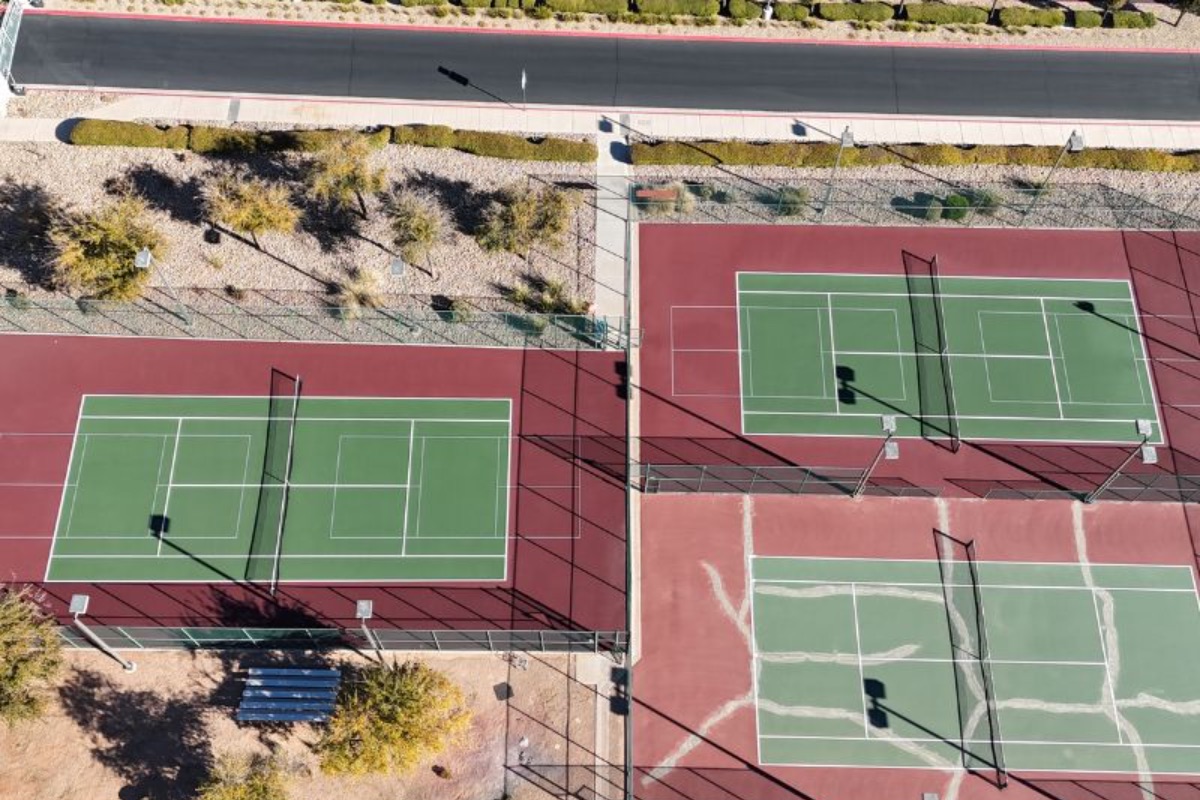
Painting Pickleball Lines on a Tennis Court: Complete Layout, Design & Conversion Guide

Painting Pickleball Lines on a Tennis Court: Complete Layout, Design & Conversion Guide

Converting an existing tennis court into a multi-sport recreational space is one of the smartest ways to maximize value and usability. Painting pickleball lines on tennis court surfaces allows homeowners, clubs, schools, and recreation centers to create flexible courts without the cost of building a completely new playing area.

As pickleball continues to grow in popularity, more property owners are choosing tennis court conversion to pickleball layouts because they offer efficient use of space, lower installation costs, and greater recreational versatility. With proper planning, precise measurements, and quality acrylic court striping materials, one court can easily support both sports while maintaining clear visibility and safe gameplay.

Whether you are upgrading a private backyard court or redesigning a public sports facility, understanding the correct layout and striping process is essential for a successful conversion.

Why Add Pickleball Lines to a Tennis Court?

Adding pickleball striping to an existing tennis court offers multiple benefits beyond convenience.

It transforms underused or single-purpose courts into high-value multi-sport environments.

Maximize Existing Space

One of the biggest advantages of painting pickleball court lines on tennis court surfaces is space efficiency.

A standard tennis court is large enough to fit several pickleball layouts depending on spacing and configuration.

Benefits Include:

  • No need for new court construction
  • More games played simultaneously
  • Better use of available land
  • Ideal for residential and community properties

Instead of dedicating separate spaces to each sport, one court can serve both effectively.

Multi-Sport Flexibility

A dual-line court supports multiple sports on one surface.

This makes courts far more versatile for:

  • Families with varied sports interests
  • Schools and PE programs
  • Community recreation centers
  • Sports clubs and private facilities

A thoughtfully planned multi-use game court design increases overall functionality without expanding property footprint.

Cost-Effective Court Upgrade

Compared to full reconstruction, line striping conversion is highly affordable.

Financial Benefits:

  • Lower material costs
  • Minimal downtime
  • Faster project completion
  • Extended lifespan of existing courts

A tennis court conversion to pickleball project can often be completed quickly with minimal disruption.

Standard Pickleball Layout on a Tennis Court

Accurate dimensions are critical to ensure safe and regulation-compliant gameplay.

Court Dimensions to Know

Before striping begins, understand the official measurements:

Pickleball Court:

  • 20 feet wide x 44 feet long

Tennis Court:

  • 36 feet wide x 78 feet long (playing area)

Recommended Clearance:

  • At least 10 feet of buffer around active courts

Because tennis courts are much larger, they can often accommodate:

  • 2 side-by-side pickleball courts
  • 4 cross-court pickleball courts in some layouts

Layout choice depends on intended use and available clearance.

Line Placement Strategy

Proper line placement prevents visual confusion between sports.

Best Practices:

  • Use contrasting colors
  • Keep tennis lines white
  • Use bright colors like blue, yellow, or green for pickleball
  • Avoid overlapping line clutter

The pickleball kitchen (non-volley zone) must remain exactly:

  • 7 feet from net on both sides

Precise measurements are essential for fair and enjoyable play.

Step-by-Step Process for Painting Pickleball Lines

A successful court conversion follows a structured striping process.

Step 1 – Clean and Prepare Surface

Preparation is critical before applying any paint.

Surface Prep Includes:

  • Remove dirt, dust, leaves, and debris
  • Pressure wash if necessary
  • Clean oil or stain spots
  • Repair visible cracks

Painting over damaged surfaces reduces paint adhesion and shortens durability.

A clean base ensures crisp acrylic court striping results.

Step 2 – Measure and Mark Layout

Accurate measurement determines whether your court plays correctly.

Tools Needed:

  • Measuring tape
  • Chalk line reel
  • Straight edge ruler
  • Layout diagram reference

Mark:

  • Baselines
  • Sidelines
  • Kitchen lines
  • Center service lines

Double-check all dimensions before painting begins.

Step 3 – Apply Masking Tape

Painter’s tape creates sharp professional striping edges.

Tape Tips:

  • Press tape firmly to surface
  • Use straight guides for alignment
  • Protect tennis lines if dual-use design remains

Clean taping creates sharper finished results.

Step 4 – Apply Court Paint

Always use sport-grade acrylic court paint designed for athletic surfaces.

Recommended Paint Features:

  • UV-resistant
  • Fade-resistant
  • Slip-resistant texture
  • Outdoor weather durability

Apply paint evenly using:

  • Rollers
  • Striping applicators
  • Spray systems

Allow drying between coats if multiple layers are needed.

Step 5 – Final Striping and Inspection

After drying:

  • Remove tape carefully
  • Inspect line straightness
  • Correct touch-up imperfections
  • Verify all measurements again

Optional visibility upgrades may include bold border accents.

Comparison Table – Tennis Court vs Pickleball Conversion Options

Court Type

Best For

Main Advantage

Consideration

Tennis Only Court

Traditional tennis play

Clear dedicated surface

Limited sport variety

Dual-Line Tennis + Pickleball Court

Multi-sport users

Maximum flexibility

Requires color planning

Full Pickleball Conversion

Pickleball-focused facilities

Higher pickleball capacity

Tennis use removed

Backyard Tennis Court Conversion

Residential homes

Cost-efficient upgrade

Space may limit court count

Common Mistakes to Avoid

Even small striping errors can affect gameplay quality.

Incorrect Court Measurements

Misplaced lines create inaccurate gameplay and frustration.

Always verify official dimensions before painting.

Using Low-Quality Paint

Cheap paint fades quickly under UV exposure and foot traffic.

Always choose professional sports-grade coatings.

Poor Color Contrast

If pickleball lines blend with tennis lines, players become confused.

Choose clearly distinguishable colors.

Ignoring Surface Preparation

Dirty or cracked surfaces cause peeling paint and uneven lines.

Prep work cannot be skipped.

Misaligned Kitchen Markings

The non-volley zone is essential to pickleball rules.

Even slight kitchen misalignment affects play accuracy.

Benefits of a Dual-Line Court Setup

A dual-use court creates excellent long-term value.

Key Advantages Include:

Supports Multiple Sports

One court accommodates different activities.

Increases Property Value

Multi-sport amenities enhance home and facility appeal.

Reduces New Construction Costs

No separate pickleball court build required.

Encourages Frequent Use

More sports options mean more regular activity.

Ideal for Shared Recreational Spaces

Perfect for neighborhoods, schools, and families.

Design Tips for Better Court Visibility

Visual clarity improves safety and gameplay.

Recommended Design Tips:

  • Keep tennis lines thinner if possible
  • Use bright pickleball striping colors
  • Avoid excessive line overlap
  • Add court legends or diagrams nearby

Simple visual design improves user experience significantly.

Frequently Asked Questions (FAQs)

Can you paint a pickleball court on a tennis court?

Yes, tennis courts are commonly converted by adding pickleball striping while preserving tennis functionality.

Can you put pickleball lines on a tennis court?

Absolutely. Many facilities use dual-line systems to support both sports simultaneously.

How to mark pickleball lines on a tennis court?

Measure regulation dimensions carefully, chalk layout guides, tape boundaries, and apply acrylic sport paint accurately.

What is the best paint for pickleball court lines?

Acrylic sport and game courtt paint is best because it offers UV resistance, durability, and slip-resistant texture.

How to paint straight pickleball lines?

Use chalk lines, measuring guides, straight edges, and painter’s tape before applying even coats of paint.

Painting pickleball lines on tennis court surfaces is one of the most practical ways to expand court functionality without major construction costs. Whether for private residences, schools, clubs, or community spaces, a well-executed tennis court conversion to pickleball creates a flexible, cost-effective, and highly valuable recreational upgrade.

With proper planning, accurate measurements, durable acrylic court striping materials, and thoughtful multi-use game court design, one court can successfully serve multiple sports for years of safe and enjoyable play.

Backyard with Pool and Basketball Court in Gilbert, AZ: Luxury Outdoor Game Court Design Ideas

Backyard with Pool and Basketball Court in Gilbert, AZ: Luxury Outdoor Game Court Design Ideas

Designing a backyard with pool and basketball court Gilbert AZ homeowners dream of is the ultimate blend of luxury, recreation, and smart outdoor living. In a place like Gilbert, where sunshine dominates most of the year, your backyard isn’t just extra space—it’s a lifestyle centerpiece.

By combining a refreshing pool with a functional basketball court, you create a dynamic environment that supports relaxation, fitness, and entertainment. The challenge—and opportunity—lies in designing a layout that feels spacious, safe, and visually cohesive while maximizing usability.

Whether you’re planning a modern oasis or a family-focused outdoor hub, the right approach to backyard basketball court design Arizona properties need can turn your yard into a high-end, multi-purpose retreat.

Why Combine a Pool and Basketball Court?

Bringing together water features and sports elements creates a complete outdoor experience that goes far beyond a typical backyard.

Complete Outdoor Lifestyle Setup

A combined layout transforms your yard into an all-in-one destination.

Benefits:

  • Swimming and sports in one location
  • Perfect for entertaining guests
  • Keeps kids and adults engaged
  • Reduces need for off-site recreation

This setup creates a seamless balance between active play and relaxation, making it ideal for families.

High Property Value Upgrade

A luxury backyard game court with pool is one of the most desirable upgrades in residential real estate.

Benefits:

  • Increases resale appeal
  • Attracts high-end buyers
  • Enhances overall property aesthetics
  • Positions your home as a premium listing

In competitive markets like Gilbert, unique outdoor features can significantly boost perceived value.

Year-Round Outdoor Enjoyment

Gilbert’s climate allows for extended outdoor use.

Benefits:

  • Basketball during cooler mornings or evenings
  • Pool use during hot afternoons
  • Flexible recreation options year-round

This combination ensures your backyard is never underutilized.

Best Layout Ideas for Pool + Basketball Backyard Designs

A successful design depends on how well you organize the space. Layout is everything when combining water and sports elements.

Split-Zone Layout

One of the most effective and popular designs.

Features:

  • Pool area on one side
  • Basketball court on the opposite side
  • Clear visual and functional separation

Why It Works:

  • Improves safety by separating wet and active zones
  • Keeps each area focused and functional
  • Creates a clean, organized backyard flow

This is ideal for larger properties or homeowners prioritizing safety and structure.

Corner Court + Pool Design

Perfect for medium-sized backyards.

Features:

  • Compact half-court placed in a corner
  • Pool positioned centrally or offset
  • Efficient use of available space

Why It Works:

  • Maximizes usable area
  • Keeps the court accessible without dominating the yard
  • Maintains a balanced aesthetic

This layout is a great example of multi-use backyard court design Gilbert homeowners often choose for efficiency.

Linear Backyard Flow Design

A sleek, modern layout that emphasizes visual continuity.

Features:

  • Pool transitions into a lounge or patio space
  • Basketball court placed toward the back
  • Straight-line design for visual flow

Why It Works:

  • Creates a high-end resort-style look
  • Maintains open sightlines
  • Separates active and relaxation zones naturally

This design works especially well for long, narrow properties.


Multi-Use Game Court Near Pool Deck

A flexible design that blends recreation and accessibility.

Features:

  • Basketball court integrated near pool area
  • Additional game markings (pickleball, volleyball)
  • Easy access between zones

Why It Works:

  • Encourages active play during pool time
  • Keeps all entertainment areas connected
  • Ideal for family-friendly backyards

An outdoor basketball court near pool setup works best when safety measures are properly implemented.

Best Surface Options for Backyard Game Courts

Choosing the right surface is critical—especially when your court is near water.

Acrylic-Coated Concrete

A top choice for durability and performance.

Benefits:

  • Heat-resistant for Arizona climates
  • Consistent ball bounce
  • Long-lasting outdoor durability
  • Professional playing feel

This is ideal for permanent installations and competitive-level play.

Modular Interlocking Tiles

Modular backyard court flooring is a popular modern solution.

Benefits:

  • Shock-absorbing comfort
  • Slip-resistant surface (great near pool areas)
  • Easy maintenance and repairs
  • Customizable colors

Tiles are excellent for safety and flexibility, especially in family environments.

Synthetic Outdoor Systems

Designed for comfort and multi-sport functionality.

Benefits:

  • Cushioned feel underfoot
  • Reduced joint impact
  • Multi-sport compatibility
  • Safe for all age groups

These systems are perfect for recreational-focused courts.

Comparison Table – Backyard Pool + Basketball Court Design Options

Layout Type

Best For

Main Advantage

Consideration

Split-Zone Layout

Larger yards

Clear separation and safety

Requires more space

Corner Court Design

Medium yards

Efficient space use

Limited court size

Linear Flow Design

Modern layouts

Clean aesthetic

Needs longer yard

Pool-Adjacent Court

Family recreation

High accessibility

Requires safety planning


Safety Considerations for Pool + Court Layouts

Combining water and sports requires careful design to ensure safety.

Proper Distance Separation

Maintaining space between the pool and court is critical.

Recommendations:

  • Keep a buffer zone between water and playing surface
  • Use landscaping or barriers for separation
  • Avoid direct splash zones on the court

This prevents slipping hazards and surface damage.

Slip-Resistant Surfaces

Surface choice plays a major role in safety.

Best Practices:

  • Use textured coatings
  • Choose slip-resistant modular tiles
  • Avoid smooth, glossy finishes

This is especially important for an outdoor basketball court near pool setup.

Drainage Planning

Water management is essential in any outdoor design.

Key Elements:

  • Proper grading and slope
  • Drainage channels away from court
  • Non-porous surface materials

Good drainage prevents water pooling and extends court lifespan.

Benefits of a Combined Backyard Design

A well-designed backyard with both a pool and court delivers unmatched versatility.

Luxury Outdoor Living

Creates a high-end environment that rivals resort-style properties.

Fitness and Recreation

Encourages both active play and relaxation in one space.


Efficient Use of Space

Maximizes functionality without requiring multiple separate areas.

Ideal for Entertaining

Perfect for hosting gatherings, parties, and family events.

Increased Property Value

A premium outdoor design enhances both usability and resale appeal.

Design Enhancements for a Premium Backyard

Take your project to the next level with thoughtful upgrades.

Popular Add-Ons:

  • LED lighting for night play
  • Shade structures or pergolas
  • Outdoor seating and lounge areas
  • Decorative fencing or walls
  • Custom court colors and logos
  • Outdoor kitchens or BBQ zones

These features elevate your backyard into a complete entertainment destination.

Installation Overview

A professional residential game court installation Arizona project typically follows these steps:

Step 1 – Site Planning

  • Measure available space
  • Plan layout and orientation
  • Design separation zones

Step 2 – Base Preparation

  • Grade and level ground
  • Install concrete or base structure
  • Ensure proper drainage

Step 3 – Surface Installation

  • Apply acrylic coating or install tiles
  • Ensure even, durable finish

Step 4 – Finishing Touches

  • Add court striping
  • Install hoops and accessories
  • Final inspection

Frequently Asked Questions (FAQs)

How to build a backyard basketball court?

Start with proper planning, prepare a solid base, choose a durable surface, and install court markings and equipment.

What is the best material for a backyard basketball court?

Acrylic-coated concrete offers durability and performance, while modular tiles provide added comfort and flexibility.

How thick for a backyard basketball court?

A concrete slab is typically around 4 inches thick, depending on usage and soil conditions.

How to construct a basketball court step by step?

The process includes site preparation, base installation, surface application, and finishing with striping and equipment.

What is the cheapest way to build a basketball court?

Using an existing concrete slab or driveway with minimal striping and a hoop is the most budget-friendly approach.

Designing a backyard with pool and basketball court Gilbert AZ homeowners can enjoy year-round is one of the most rewarding outdoor upgrades you can make. With the right layout, durable materials, and smart planning, you can create a space that blends luxury, recreation, and everyday usability.

Whether you’re building a high-end luxury backyard game court with pool, a flexible multi-use backyard court design Gilbert, or a practical outdoor basketball court near pool, the goal is to create a cohesive space that fits your lifestyle.

With expert planning and quality residential game court installation Arizona solutions, your backyard can become a standout feature—delivering performance, beauty, and value for years to come.

What Are the Dimensions of a Multi-Use Pickleball Court? Guide for Backyard & Community Courts

Living in Arizona means sunshine nearly all year long—perfect for outdoor activities in Arizona like basketball, pickleball, volleyball, and more. But with all that sun comes soaring temperatures, and those highs can do real damage to your court over time. we’ll explore how heat impacts various types of outdoor game courts, and what steps you can take to extend the life and performance of your Arizona court.

GET A QUOTE

Please Provide Your Contact Information and Project Details