Volleyball Court Construction: Everything You Need to Know Before Building a Court

4. Volleyball Court Construction

Volleyball Court Construction: Everything You Need to Know Before Building a Court

If you’re planning a recreational or competitive volleyball area, one of the first questions you’ll ask is: what goes into professional volleyball court construction?

Whether you are building a backyard volleyball court, a beach volleyball area, an indoor athletic court, or a multi-use recreational court, the success of the project depends on proper planning, high-quality materials, and expert installation. Court dimensions, drainage systems, surface selection, safety clearance, and long-term durability all play an important role in how the court performs over time.

A professionally built volleyball court creates a safer and more enjoyable playing experience while increasing the functionality and value of your property. For homeowners, it can transform a backyard into a recreational entertainment space. For schools, parks, HOAs, and athletic facilities, it can provide a flexible sports area that supports both recreational and competitive play.

Professional court builders understand that every property is different. Climate conditions, usage levels, available space, and long-term maintenance goals all influence the best court design. In Arizona and Nevada, for example, outdoor courts must be built with UV-resistant materials, durable coatings, and drainage systems that can withstand intense sun exposure and seasonal weather changes.

What Types of Volleyball Courts Can Be Built?

Volleyball courts come in several styles depending on the intended use, location, and level of play. Professional volleyball court installation services can create everything from simple recreational courts to advanced competitive athletic systems.

Outdoor Volleyball Courts

Outdoor volleyball court construction is popular for residential backyards, schools, parks, resorts, athletic complexes, and community recreation areas. These courts are designed to handle outdoor weather conditions while providing safe and consistent gameplay.

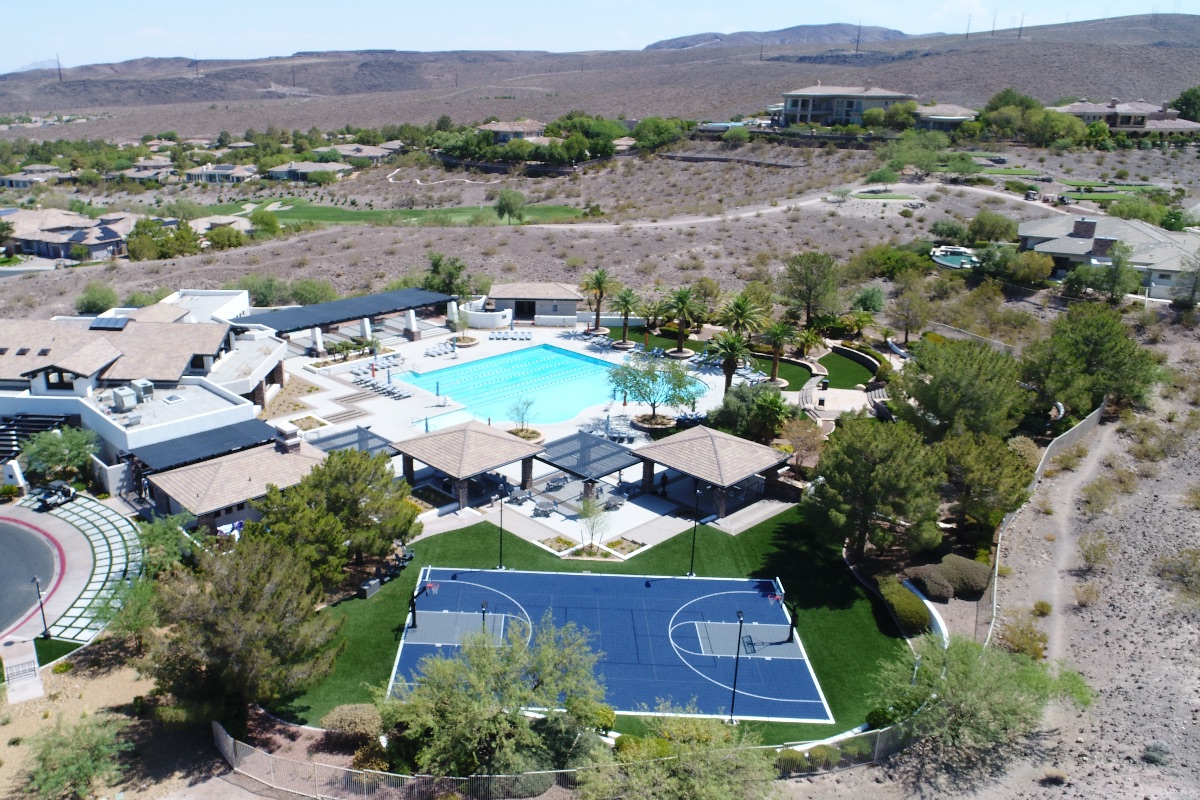
Outdoor volleyball court surfaces may include acrylic-coated concrete, modular athletic tiles, or sand systems. Acrylic surfaces are common because they offer slip resistance, UV durability, and long-term weather protection. Modular athletic tiles are another option for multi-use recreational courts because they provide shock absorption and flexible sports compatibility.

Outdoor courts can also be customized with fencing, lighting systems, seating areas, windscreens, and multi-sport layouts.

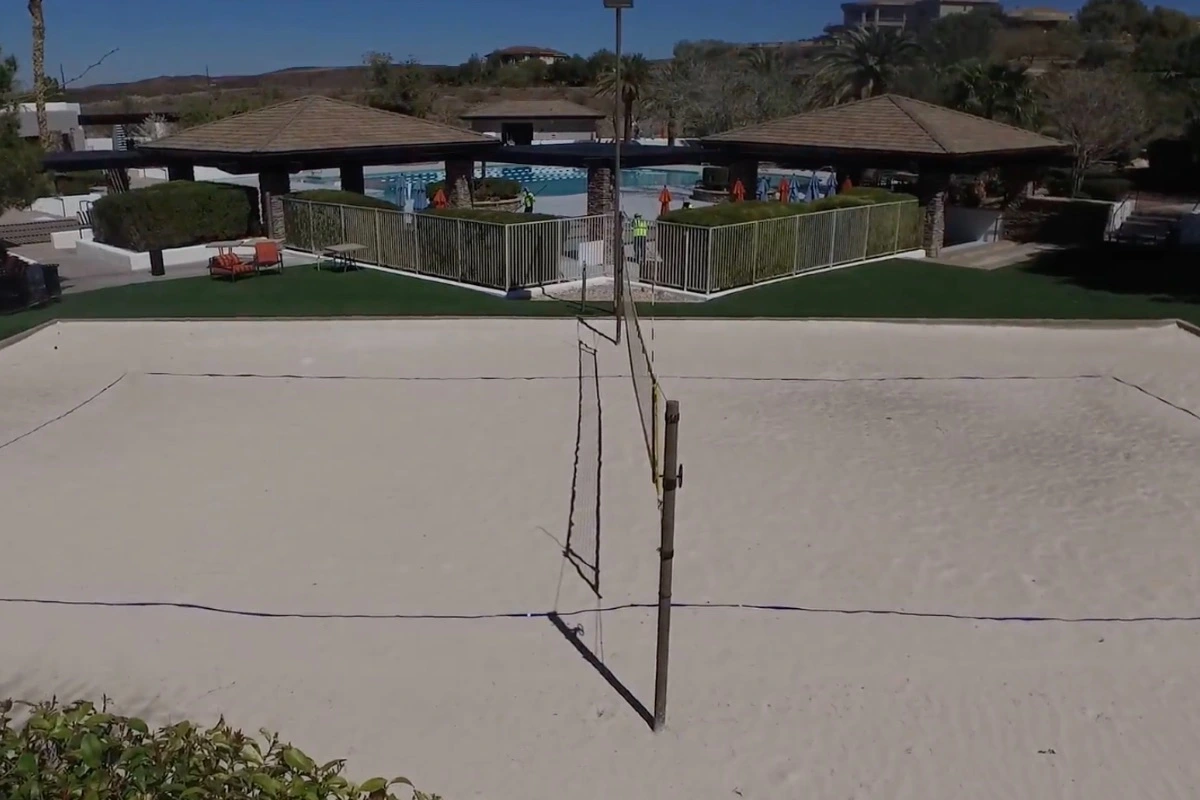
Sand Volleyball Courts

Sand volleyball court construction remains one of the most requested outdoor recreational court options. Sand courts create a beach-style atmosphere while offering a softer landing surface that reduces impact on joints and muscles.

Sand volleyball courts are popular for residential entertainment spaces, resorts, recreational parks, apartment communities, and sports complexes. They provide a casual and social playing environment that appeals to both recreational and competitive players.

However, sand courts require proper drainage and carefully selected sand depth to perform correctly. Professional builders evaluate the site to ensure the court drains effectively and maintains consistent play conditions.

Indoor Volleyball Courts

Indoor volleyball courts are commonly installed in gyms, schools, athletic facilities, training centers, and sports complexes. Indoor courts focus heavily on player traction, shock absorption, and consistent ball response.

Popular indoor flooring systems include hardwood athletic flooring, synthetic cushioned systems, and multi-sport athletic surfaces. Hardwood floors remain common for competitive play, while synthetic surfaces are often preferred for multi-purpose athletic facilities because they require less maintenance and support multiple sports.

Professional indoor volleyball flooring systems are designed to improve safety, reduce fatigue, and handle frequent athletic use.

What Are the Standard Volleyball Court Dimensions?

Regulation Volleyball Court Size

A standard volleyball court measures 59 feet long by 29.5 feet wide. These dimensions apply to most competitive and recreational volleyball courts.

Accurate dimensions are essential for gameplay consistency, player movement, and proper net placement. Even small layout mistakes can affect how the game is played and reduce the functionality of the court.

Professional volleyball court builders carefully measure the court during layout planning to ensure the finished court meets regulation requirements.

Recommended Safety Clearance

In addition to the court itself, safety clearance space is extremely important. A minimum free zone of approximately 10 feet around the court perimeter is generally recommended.

This additional space improves player movement, reduces collision risks, and creates a safer environment for diving, serving, and defensive play. Competitive facilities may require even more clearance depending on the level of play.

Ignoring safety clearance is one of the most common design mistakes in recreational court construction.

What Is the Best Surface for Volleyball Court Construction?

The best surface depends on how the court will be used, where it will be installed, and the desired level of maintenance and performance.

Acrylic-Coated Athletic Surface

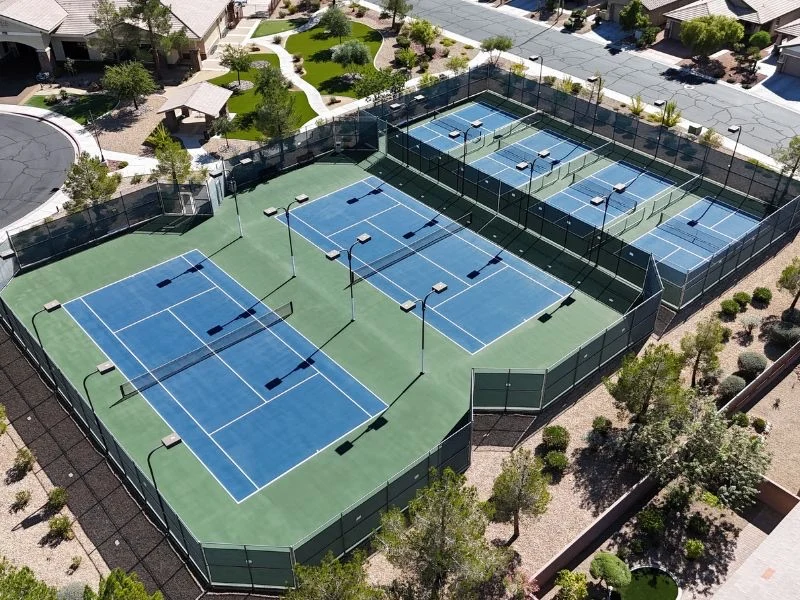
Acrylic athletic surfacing systems are one of the best options for outdoor volleyball court construction. These systems are commonly used on tennis courts, pickleball courts, basketball courts, and multi-use game courts because they offer excellent durability and weather resistance.

Benefits include slip resistance, UV durability, consistent traction, long-term weather protection, and customizable colors. Acrylic systems also perform well in hot climates like Arizona and Nevada because they are designed to resist fading and surface deterioration.

Modular Athletic Tiles

Interlocking modular tile systems provide shock absorption, easy maintenance, fast installation, and multi-game court compatibility. These systems are especially popular for backyard courts and recreational facilities that support multiple sports.

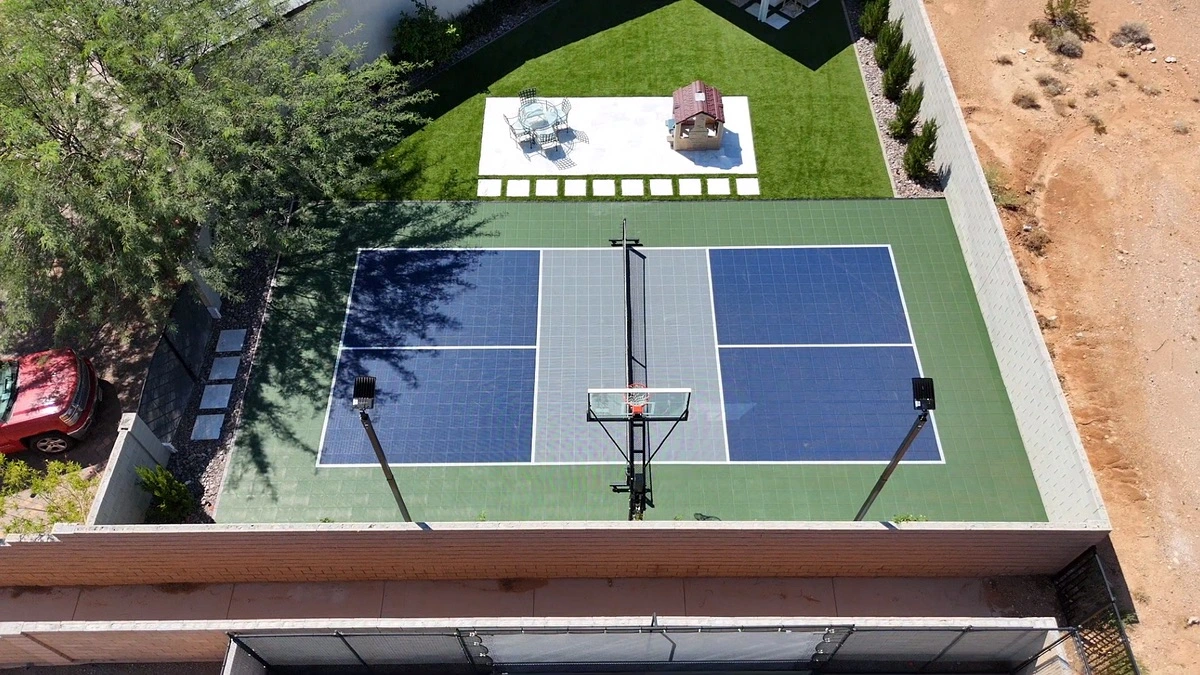
A multi-use volleyball court design may combine volleyball with basketball, pickleball, badminton, or other recreational activities using modular athletic tile systems.

These courts are often easier to maintain than traditional hardcourt surfaces and can provide added comfort during play.

Sand Volleyball Systems

Sand volleyball systems offer a softer landing surface, lower joint impact, and a fun beach-style recreational experience. These courts are ideal for entertainment-focused outdoor spaces and casual play.

However, sand systems require proper depth, drainage, containment borders, and maintenance planning. Without professional preparation, sand courts may develop drainage issues, uneven play areas, or poor sand consistency.

Comparison Table – Volleyball Court Surface Options

Surface Type

Best For

Key Benefits

Maintenance Level

Acrylic-Coated Surface

Outdoor competitive and recreational courts

UV resistance, traction, durability

Low

Modular Athletic Tiles

Multi-sport backyard and recreational courts

Shock absorption, flexibility, easy maintenance

Low

Sand Volleyball Surface

Recreational and beach-style courts

Softer impact, entertainment appeal

Moderate

Hardwood Athletic Flooring

Indoor competitive volleyball courts

Professional ball response and traction

High

Synthetic Cushioned Flooring

Indoor multi-sport facilities

Comfort, durability, lower maintenance

Moderate

What Happens During Volleyball Court Construction?

Professional volleyball court construction follows several important stages to ensure long-term durability and performance.

Step 1 – Site Evaluation and Design

The process begins with property measurements, drainage assessment, layout planning, and surface recommendations. Builders evaluate how the court will be used, where water will flow, how much space is available, and which surface system best fits the project goals.

Custom design planning also helps determine whether the court will support multiple sports or include upgrades such as lighting, fencing, seating, or shade structures.

Step 2 – Base Preparation

A strong foundation is critical for court durability. Depending on the court type, this stage may include excavation, grading, leveling, concrete installation, asphalt preparation, or drainage system construction.

Poor base preparation is one of the leading causes of surface cracking, uneven play, and drainage problems. Professional builders ensure the foundation is properly stabilized before surfacing begins.

Step 3 – Surface Installation

The surface installation process depends on the selected court type. Acrylic coatings may be applied over concrete or asphalt. Modular athletic tiles are installed over prepared hardcourt surfaces. Sand systems require grading, drainage layers, containment edges, and carefully selected sand material.

This stage also includes texture adjustments, color application, and surface finishing to improve gameplay performance and safety.

Step 4 – Net System and Accessories

The final stage includes installing net posts, volleyball net systems, court striping, fencing, lighting systems, and optional accessories.

For multi-sport and game courts, additional markings and equipment may also be added. A professional installation ensures everything is properly aligned, durable, and ready for long-term use.

Why Are Multi-Use Volleyball Courts Growing in Popularity?

Homeowners Want Flexible Recreation Spaces

Many homeowners now want backyard recreation areas that support multiple sports instead of a single-use court. Volleyball is commonly combined with basketball, pickleball, badminton, and other recreational games on one multi-purpose surface.

This creates a more versatile entertainment area while maximizing backyard space. A professionally designed multi-use volleyball court design can support different sports without making the layout feel cluttered or confusing.

Schools and HOAs Need Versatility

Schools, parks, and HOAs often need shared-use recreational spaces that maximize both budget efficiency and property usage. Multi-use courts help support more activities while reducing the need for separate facilities.

These courts also encourage community engagement by creating flexible recreational areas suitable for players of different ages and skill levels.

Common Mistakes to Avoid During Volleyball Court Construction

Poor Drainage Planning

Water buildup is one of the fastest ways to damage an outdoor court. Without proper drainage planning, courts may develop standing water, surface deterioration, and structural problems.

Incorrect Court Dimensions

Improper court sizing affects gameplay quality and player movement. Professional layout planning helps ensure regulation dimensions and proper spacing.

Choosing the Wrong Surface

The ideal flooring depends on usage frequency, climate conditions, maintenance expectations, and competition level. Choosing the wrong material may increase maintenance costs or reduce player comfort.

Skipping Safety Clearance

Lack of free movement space increases injury risk. Players need room to move safely around the perimeter during gameplay.

Benefits of Professional Volleyball Court Construction

Professional court installation offers several long-term advantages. Proper construction improves player safety, surface durability, gameplay quality, and overall recreational value.

Benefits include:

  • Long-lasting court durability
  • Better player safety and comfort
  • Improved recreational functionality
  • Higher property appeal and value
  • Professional-quality gameplay experience
  • Reduced maintenance issues
  • Custom multi-sport flexibility

Professional builders also help property owners avoid expensive mistakes by recommending the best layout, surfacing system, and drainage solution for the property.

Frequently Asked Questions (FAQs)

What is the structure of a volleyball court?

A volleyball court includes the playing surface, net system, boundary lines, attack lines, service zones, and surrounding safety clearance areas. The structure may vary depending on whether the court is indoor, outdoor, sand-based, or multi-use.

What type of surface is best for a volleyball court?

The best surface depends on the intended use. Acrylic-coated courts work well for outdoor hardcourt volleyball. Sand is ideal for recreational beach-style play. Hardwood and synthetic systems are commonly used for indoor competitive volleyball.

Is a volleyball court 30 feet by 60 feet?

A regulation volleyball court is approximately 29.5 feet wide by 59 feet long. Additional safety clearance is recommended around the perimeter.

What is the official size of a volleyball court?

The official court size is 59 feet long and 29.5 feet wide for both recreational and competitive volleyball.

What type of court is used in volleyball?

Volleyball can be played on several court types, including hardwood indoor courts, acrylic outdoor courts, synthetic athletic surfaces, modular athletic tiles, and sand volleyball systems.

Game Court Services: Custom Backyard & Recreational Court Solutions

5. Game Court Services

Game Court Services: Custom Backyard & Recreational Court Solutions

When homeowners, schools, parks, HOAs, and recreational facilities look for ways to improve outdoor spaces, one of the most requested upgrades today is a professionally designed game court. A custom recreational court creates a dedicated space for exercise, entertainment, sports training, and family activities while increasing the usability and value of the property.

But what exactly do game court services include?

Modern court companies provide much more than simple installation. Today’s professional services often include custom court design, base preparation, athletic surfacing, court resurfacing, drainage planning, multi-sport layouts, lighting systems, fencing installation, and complete backyard recreational planning.

Whether you are planning a basketball court, pickleball court, volleyball area, or a full multi-use game court construction project, professional builders help create safe, durable, and visually impressive recreational spaces designed for long-term performance.

For homeowners in Arizona and Nevada, climate durability is especially important. Outdoor courts must withstand intense UV exposure, high temperatures, and seasonal weather conditions. Professional outdoor game court builders use specialized athletic surfacing systems and weather-resistant materials to help ensure lasting performance.

What Are Game Court Services?

Professional game court companies handle every phase of the project, from initial design planning to final striping and accessories. These services are customized based on the property size, intended sports, budget, and long-term goals.

Custom Court Design Services

Every property has unique space limitations and recreational needs. Professional custom game court design services help determine the best layout for the available area while maintaining proper safety clearance and gameplay functionality.

The design process may include selecting court dimensions, choosing sport combinations, evaluating surface types, optimizing the layout, and planning fencing or lighting systems. Some homeowners prefer a dedicated basketball or pickleball court, while others want a flexible recreational surface that supports multiple activities.

Professional planning helps maximize usable space while ensuring the court remains safe and visually organized.

Court Construction and Installation

Backyard game court installation involves several important construction stages. Professional builders typically handle concrete or asphalt base preparation, drainage planning, athletic surfacing, striping, and equipment installation.

A strong foundation is critical for long-term durability. Improper grading or poor drainage can lead to cracks, uneven surfaces, standing water, and premature wear. Experienced contractors understand how to prepare the base correctly to help the court withstand outdoor conditions and regular use.

Court installation may also include basketball hoops, pickleball nets, volleyball systems, fencing, lighting, seating areas, and windscreens.

Court Resurfacing and Repairs

Outdoor courts experience wear over time due to weather exposure, UV damage, foot traffic, and normal aging. Professional resurfacing services help restore appearance, traction, player safety, and gameplay performance.

Court resurfacing may include crack repair, acrylic coating application, color updates, line repainting, drainage correction, and surface texture improvements.

A properly resurfaced court not only looks better but also extends the lifespan of the recreational space.

What Types of Courts Can Be Built?

Professional residential athletic court services support a wide range of recreational and competitive court designs.

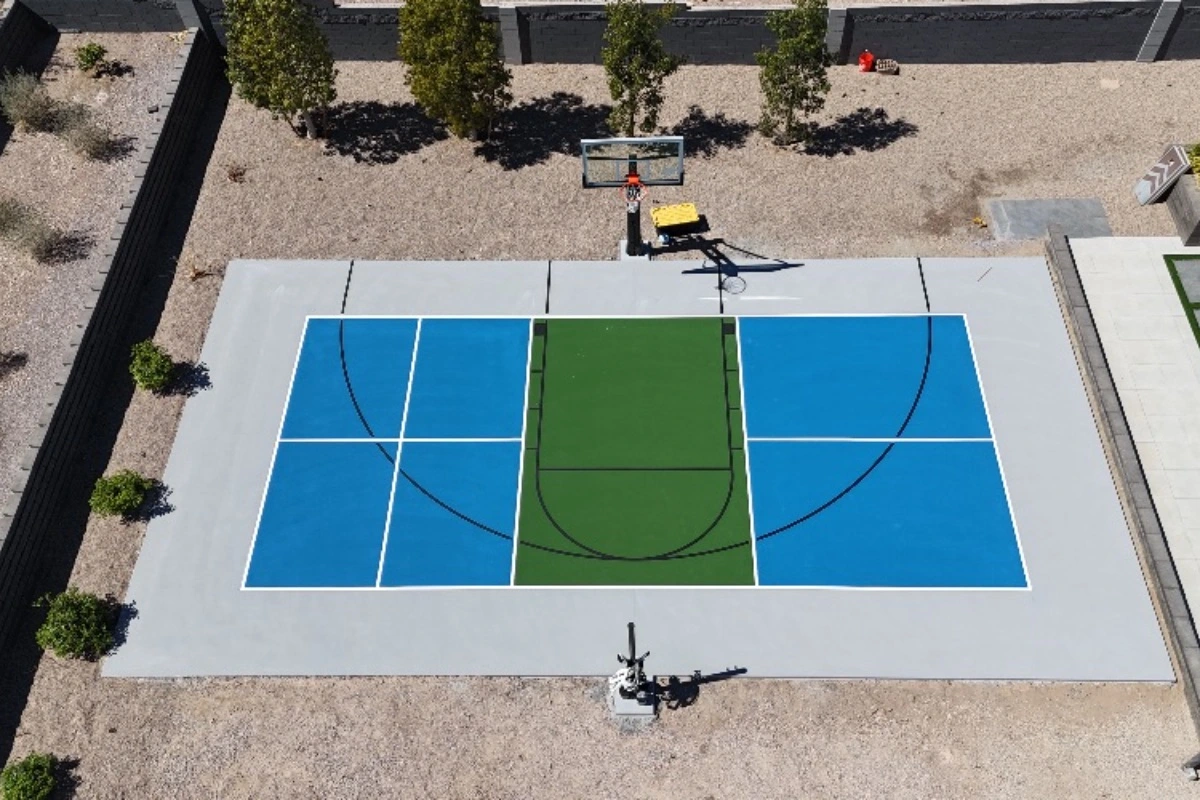
Basketball Game Courts

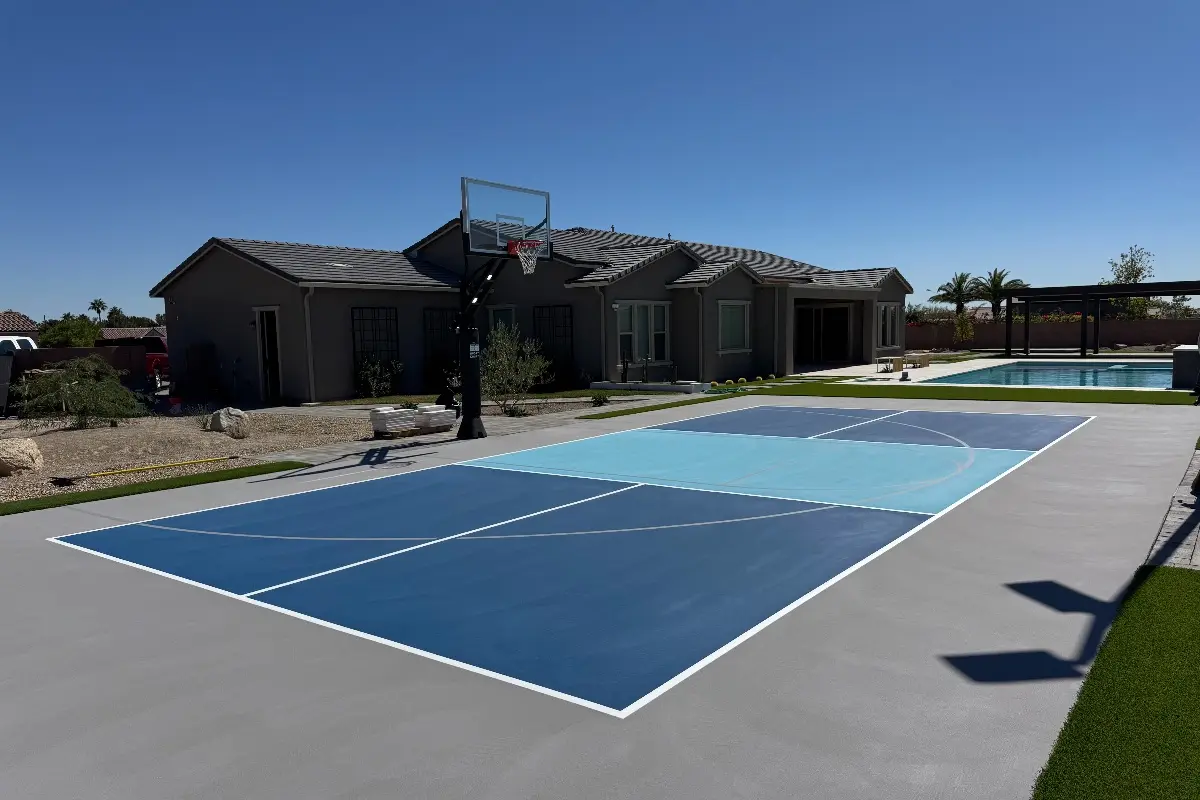
Basketball courts remain one of the most popular backyard sports installations. Homeowners, schools, and recreational facilities commonly choose basketball courts because they provide year-round activity and work well in both dedicated and multi-use layouts.

Options may include half courts, full courts, modular athletic tile systems, acrylic hardcourt surfaces, adjustable hoops, and custom court colors.

Professional outdoor game court builders can also create basketball courts designed for multi-sport functionality, allowing families to combine basketball with pickleball or volleyball.

Pickleball Courts

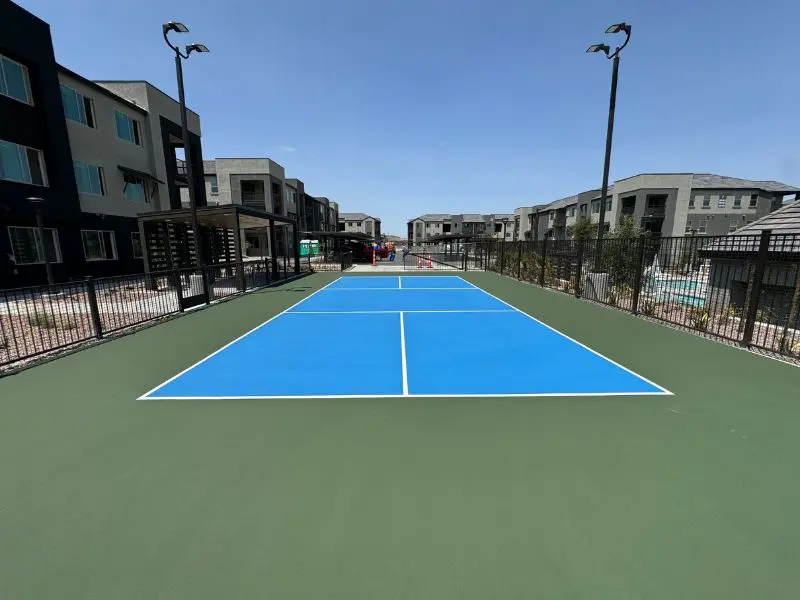
Pickleball courts have grown rapidly in popularity because they fit smaller spaces, support all age groups, and require less maintenance than larger sports courts.

Many homeowners now combine pickleball with basketball to create flexible recreational areas. A multi-use layout allows one surface to support several sports without requiring separate courts.

Professional installation ensures accurate dimensions, clean striping, and durable outdoor performance.

Volleyball Courts

Volleyball court services may include outdoor hardcourt systems, sand volleyball courts, and multi-sport recreational layouts.

Sand volleyball remains especially popular for residential entertainment spaces, resorts, apartment communities, and recreational facilities because it creates a casual beach-style atmosphere while reducing impact on joints.

Hardcourt volleyball systems are also common for schools and multi-use athletic facilities.

Multi-Use Recreational Courts

A multi-use game court construction project combines several sports into one flexible recreational space. Common combinations include basketball, pickleball, volleyball, badminton, and other backyard activities.

Multi-use courts are ideal for families, schools, parks, and HOAs because they maximize available space and support different age groups and recreational interests.

A professional layout is essential to avoid overcrowding and maintain clear gameplay boundaries.

Comparison Table – Popular Game Court Service Options

Court Type

Best For

Key Features

Main Benefit

Basketball Court

Backyards, schools, parks

Half courts, full courts, athletic surfacing

Year-round recreational use

Pickleball Court

Residential and community recreation

Compact layout, low maintenance

Growing sport for all ages

Volleyball Court

Recreation and entertainment

Hardcourt or sand systems

Social and fitness-focused activity

Multi-Use Court

Families and HOAs

Multiple sports on one surface

Maximizes space and flexibility

Court Resurfacing

Existing athletic courts

Crack repair, coatings, line repainting

Restores performance and appearance

What Is the Best Surface for a Game Court?

The ideal surface depends on the sports being played, climate conditions, maintenance goals, and budget.

Acrylic Athletic Coatings

Acrylic athletic surfaces are among the most popular options for basketball, pickleball, tennis, and multi-use game court construction projects. These systems provide consistent traction, UV resistance, professional-style gameplay, and long-term weather durability.

Acrylic coatings also offer customizable colors and textured finishes designed for outdoor athletic performance.

For Arizona and Nevada properties, UV-resistant coatings help protect the court from fading and heat-related surface deterioration.

Modular Interlocking Tiles

Modular athletic tiles provide shock absorption, easy maintenance, excellent drainage, and flexible design options. These systems are especially popular for backyard recreational courts because they can be installed relatively quickly and offer comfortable gameplay.

Interlocking tiles are also available in multiple colors and patterns, making them ideal for custom recreational designs.

Synthetic Cushioned Systems

Synthetic cushioned surfaces are designed to improve player comfort and reduce joint impact. These systems are often selected for recreational play, family courts, and athletic training spaces where comfort is a priority.

Cushioned systems may also help reduce fatigue during longer playing sessions.

Why Are Multi-Use Game Courts So Popular?

Homeowners Want Maximum Backyard Value

Instead of building separate sports areas, many homeowners prefer one court that supports basketball, pickleball, volleyball, and general family recreation.

This approach helps maximize backyard value while creating a more versatile entertainment area. A professionally designed multi-use court can support several sports without feeling cluttered or confusing.

Custom recreational courts also encourage outdoor activity, family interaction, and long-term property enjoyment.

Shared Recreational Spaces Increase Property Appeal

Schools, parks, apartment communities, resorts, and HOAs benefit from flexible recreational spaces because they support greater facility usage and stronger community engagement.

A multi-use athletic court allows more residents, guests, or students to use the same area for different activities throughout the day.

What Should You Look for in a Game Court Company?

Choosing the right contractor is one of the most important parts of the project.

Experience with Outdoor Athletic Surfaces

Professional court construction requires expertise in drainage systems, athletic surfacing materials, structural preparation, and climate durability.

An experienced contractor understands how outdoor courts behave over time and how to select materials that perform well under heavy sun exposure and changing weather conditions.

Design Flexibility

A quality company should offer flexible layouts, multi-sport configurations, custom court colors, backyard optimization strategies, and personalized recommendations.

Every property is different, and a custom approach helps create a court that fits the space properly while meeting long-term recreational goals.

High-Performance Materials

The best court systems use UV-resistant coatings, durable athletic surfacing materials, and weather-resistant construction methods.

Low-quality materials may fade quickly, lose traction, crack, or deteriorate under outdoor exposure. High-performance materials help improve court lifespan and reduce future maintenance costs.

Common Mistakes to Avoid

Choosing the Wrong Surface

Different sports require different traction levels and performance characteristics. Choosing the wrong surface can reduce comfort, durability, and gameplay quality.

Ignoring Drainage Planning

Poor drainage is one of the leading causes of outdoor court damage. Standing water may lead to cracks, surface wear, and structural problems over time.

Overcrowding Court Layouts

Trying to fit too many sports or features into a limited space may reduce usability and create visual confusion.

Using Low-Quality Materials

Cheap surfacing systems often fade, peel, or wear unevenly under outdoor conditions. Professional athletic materials provide much better long-term durability.

Benefits of Professional Game Court Services

Professional installation creates safer, more durable, and better-performing recreational spaces. Benefits include:

  • Long-lasting recreational functionality
  • Improved player safety and comfort
  • Increased property value and appeal
  • Low-maintenance outdoor entertainment
  • Custom-designed athletic performance
  • Better drainage and structural durability
  • Flexible multi-sport recreational use

Professional builders also help property owners avoid costly mistakes through proper design planning and expert installation.

Frequently Asked Questions (FAQs)

What is a game court?

A game court is a recreational athletic surface designed for sports such as basketball, pickleball, volleyball, tennis, or multi-sport activities. Courts may be installed indoors or outdoors for residential or commercial use.

How much does it cost to build a court?

The cost depends on the court size, surface type, drainage requirements, accessories, lighting, fencing, and sport combinations. Multi-use courts and premium athletic surfaces generally increase project costs.

Is concrete good for a basketball court?

Yes. Concrete is commonly used as the foundation for outdoor basketball courts because it provides durability and structural stability. Acrylic coatings or athletic surfacing systems are often applied over the concrete for improved traction and gameplay.

Is 30×30 big enough for a basketball court?

A 30×30 space may work for a compact recreational half court, but it is smaller than regulation dimensions. Professional layout planning helps determine the best use of the available area.

What games are played on a court?

Game courts may support basketball, pickleball, volleyball, badminton, tennis, shuffleboard, and other recreational activities, depending on the court design.

GET A QUOTE

Please Provide Your Contact Information and Project Details